The Pleistocene epoch, often romanticized as the “Ice Age,” was a period of profound environmental upheaval that tested the resilience of early humans to their absolute limits. Spanning from approximately 2.6 million to 11,700 years ago, this epoch was characterized by recurring glacial cycles, where vast ice sheets expanded and contracted, dramatically reshaping the Earth’s landscapes and climate. For Homo sapiens and their hominin ancestors, survival during these harsh times was not a given. It demanded an extraordinary combination of adaptability, ingenuity, and social cooperation, forcing them to evolve not only physically but also culturally to navigate a world of extreme cold, scarce resources, and constant threat. This article delves into the multifaceted challenges faced by humans during the Last Glacial Period and the remarkable strategies they employed to endure.
The Unforgiving Environment of the Glacial Maximum
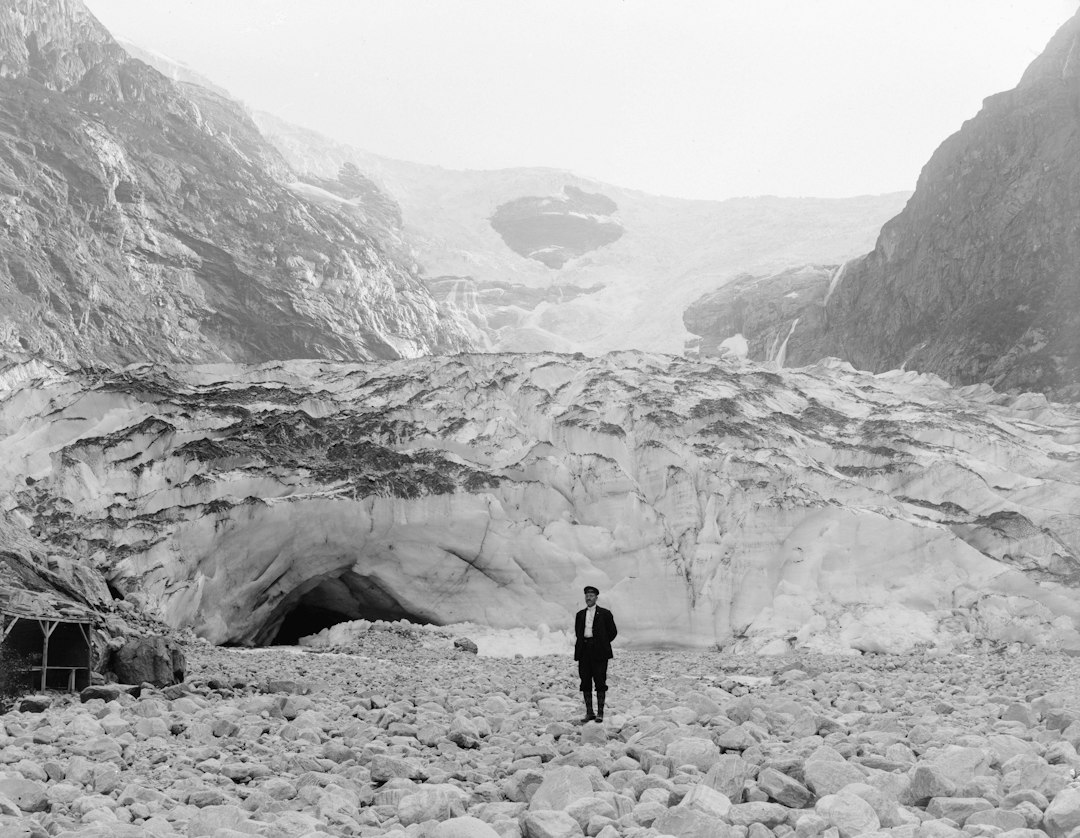
The most defining characteristic of the Last Glacial Period, particularly during its peak around 20,000 years ago, was the widespread glaciation. Massive ice sheets, kilometers thick in places, covered much of North America, Europe, and Asia. These colossal ice formations drastically altered global climate patterns. Temperatures plummeted, leading to arid conditions in many regions that were once temperate or even tropical. Sea levels dropped by as much as 120 meters as water was locked up in glaciers, exposing land bridges that connected continents and islands, but also shrinking coastlines and reducing habitable areas. The familiar world of today was a very different place, presenting a formidable obstacle course for any species attempting to thrive.
Ice Sheets and Their Impact on Habitable Zones
The sheer scale of the glacial ice sheets was a primary determinant of human settlement patterns. These vast frozen expanses rendered large swathes of the planet uninhabitable. In North America, the Laurentide Ice Sheet stretched from the Arctic to the present-day Great Lakes, a seemingly insurmountable barrier. Similarly, the Fennoscandian Ice Sheet dominated northern Europe. This forced human populations into more southerly refugia – regions that remained relatively ice-free and offered some degree of habitability. These refugia became crucial centers for human survival, acting as nurseries for populations that would eventually recolonize the deglaciated landscapes. The limited availability of ice-free territory meant increased competition for resources and a greater need for mobile hunting and gathering strategies to exploit ephemeral resources.
Climate Extremes and Resource Scarcity
Beyond the direct impact of ice, the climate during the Last Glacial Period was characterized by extreme fluctuations and aridity. Even in areas not directly covered by ice, temperatures were significantly colder. This led to the expansion of steppe-tundra environments, dominated by hardy grasses, shrubs, and scattered trees. While supporting large herds of cold-adapted megafauna, these environments were often dry, with reduced plant diversity compared to warmer interglacial periods. Water sources could freeze over for extended periods, requiring careful management. The availability of edible plants and other food sources became highly seasonal and geographically patchy. This scarcity necessitated a profound understanding of the environment, its rhythms, and the migratory patterns of game animals. Survival hinged on being able to track prey across vast, often treacherous landscapes and to efficiently process and preserve any food that was obtained.
Altered Landscapes and Migration Routes
The lowering of sea levels during glacial periods had a profound impact on geography. The Bering Land Bridge, connecting Asia and North America, was exposed for millennia, allowing for the migration of both humans and animals. This was not a single, continuous migration, but rather a complex process of exploration, settlement, and dispersal across a vast and changing landscape. Similarly, land bridges exposed in Southeast Asia and Oceania facilitated movement into Australia and New Guinea. These altered coastlines and the creation of new landmasses presented both opportunities and challenges. While new territories became accessible, the environment within these new regions could also be radically different from what humans were accustomed to, requiring rapid adaptation. The receding ice also created new ecosystems, and humans, as they followed the retreating glaciers, played a role in shaping these emerging environments through their hunting practices and use of fire.
To understand how humans survived the last glacial period, it is essential to explore various aspects of human adaptation and resilience during extreme climatic changes. An insightful article that delves into the complexities of human survival and the narratives that shape our understanding of history can be found at The Illusion of Truth: How Power Conceals Reality. This piece offers a broader context on how historical narratives are constructed, which can help us appreciate the strategies early humans employed to endure harsh environments and resource scarcity during the last glacial maximum.
Technological Innovations for a Colder World
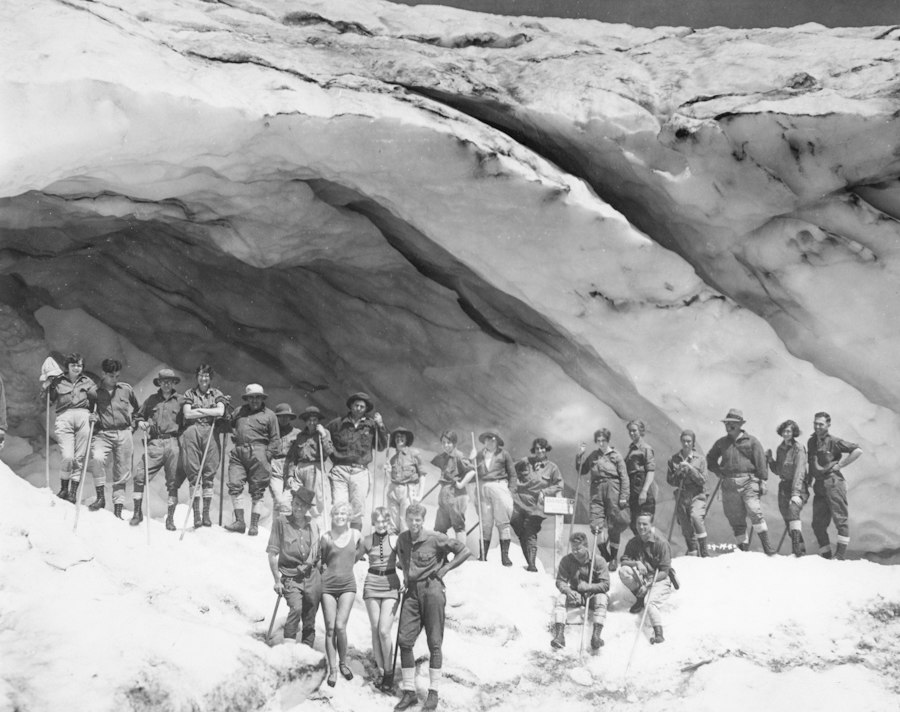
Facing such extreme conditions, early humans did not simply endure; they innovated. The Last Glacial Period spurred the development of technologies that were crucial for survival, particularly in the realm of clothing, shelter, and toolmaking. These innovations were not just about making life more comfortable, but about enabling life itself in a world that was actively trying to extinguish it. The ingenuity of these early peoples is a testament to their cognitive abilities and their capacity for cumulative culture, where knowledge and techniques were passed down and refined over generations.
Advanced Clothing and Personal Protection
Protection from the relentless cold was paramount. Evidence from archaeological sites suggests the development of sophisticated clothing made from animal hides and furs. The invention of the needle, likely made from bone or ivory, allowed for the precise sewing of these materials, creating tailored garments that could effectively trap body heat. This would have included layered clothing, footwear, and head coverings, all designed to minimize heat loss. The ability to process hides effectively, including scraping, tanning, and softening, would have been a vital skill. Beyond simple protection, these garments may have also served social or symbolic purposes, further indicating the complexity of human societies during this period.
Sophisticated Hunting Tools and Strategies
Hunting was the primary means of acquiring food and vital resources like hides and bone. The challenges of hunting large, often dangerous, cold-adapted megafauna like mammoths, woolly rhinoceroses, and giant deer led to the refinement of projectile technology. The spear-thrower (atlatl) significantly increased the range and force of spears, allowing hunters to engage prey from a safer distance. The development of the bow and arrow, although its widespread adoption may have occurred later in the Upper Paleolithic, further revolutionized hunting by offering greater accuracy and a higher rate of fire. Flint-knapping techniques became highly refined, producing a variety of specialized tools for butchering, skinning, and preparing animal carcasses. These tools were often portable and versatile, reflecting the mobile lifestyle of hunter-gatherer groups.
Shelter Construction and Fire Management
Constructing effective shelters was essential for survival against the elements. While nomadic groups likely relied on natural shelters like caves and rock overhangs, they also developed methods for constructing temporary or semi-permanent dwellings. These could include structures made from mammoth bones, wood, and animal hides, often insulated with earth or snow. The control of fire was arguably one of the most critical innovations. Fire provided warmth, a means to cook food (making it more digestible and killing pathogens), a way to purify water, and protection from predators. Archaeological evidence, such as hearths and burned artifacts, indicates that humans had mastered fire control and likely used it strategically to manage their environments, perhaps even to flush game or clear vegetation. The efficient use of fuel, often scarce in frozen landscapes, would have been a key skill.
Social Cooperation and Knowledge Transmission

Survival in the harsh Pleistocene was not solely a matter of individual prowess or technological advancement. It was fundamentally a group endeavor, relying on intricate social structures, effective communication, and the seamless transmission of knowledge across generations. The challenges of the Ice Age fostered a deep interdependence among individuals and groups, pushing the boundaries of social organization and cognitive development.
The Importance of Kinship and Band Structures
Early human societies were likely organized into small, mobile bands, typically comprising extended families. These kinship-based structures provided a framework for cooperation in hunting, gathering, shelter construction, and childcare. The small size of these groups facilitated close-knit relationships and a high degree of trust, essential for survival in dangerous environments. Sharing resources was likely a common practice, ensuring that the success of one individual or family benefited the entire group. The ability to cooperate on large-scale hunting expeditions, for example, would have been critical for bringing down formidable prey like mammoths, requiring coordinated effort and communication.
The Role of Language and Oral Tradition
The development and refinement of language played a pivotal role in human adaptation. Complex communication allowed for the coordination of group activities, the sharing of information about food sources, the planning of hunts, and the warning of dangers. Beyond immediate practicalities, language was the vehicle for transmitting accumulated knowledge and cultural traditions across generations. Oral traditions, including stories, myths, and practical instructions, encoded the wisdom of elders, ensuring that younger generations understood the nuances of their environment, the intricacies of toolmaking, and the social norms of their group. This cultural transmission was as vital for survival as any physical adaptation.
Exchange Networks and Resource Sharing
While bands were largely self-sufficient, evidence suggests that exchange networks existed between different groups. These networks likely facilitated the sharing of rare or specialized resources, such as high-quality stone for toolmaking, exotic materials for adornment, or even knowledge itself. The establishment of such networks would have increased the overall resilience of human populations, allowing groups to buffer against local resource failures. It also fostered social bonds beyond immediate kin, potentially leading to alliances and the sharing of information about distant territories. These early forms of trade and social networking laid the groundwork for more complex societal structures that would emerge in later periods.
Cognitive and Behavioral Adaptations
The relentless pressure of the Ice Age environment likely acted as a powerful selective force, favoring individuals and groups with enhanced cognitive abilities and flexible behavioral strategies. The ability to think abstractly, to plan for the future, and to adapt to novel situations was not just advantageous; it was essential for long-term survival. These cognitive leaps allowed humans to not just react to their environment but to actively shape it to their needs.
Abstract Thought and Symbolic Behavior
The evidence for abstract thought and symbolic behavior during the Upper Paleolithic is compelling. The creation of art, such as cave paintings and small figurines, suggests a capacity for imagination, representation, and the expression of complex ideas. These artistic endeavors may have served various purposes, including ritual, storytelling, or the communication of social status. The development of symbolic artifacts, such as personal adornments and carved objects, indicates a growing awareness of self and group identity, and a desire to express these through material culture. This move towards symbolic thinking is a hallmark of modern human cognition and was crucial for navigating the complexities of social life and the challenges of a changing world.
Problem-Solving and Predictive Abilities
The ability to solve complex problems and to anticipate future events was a critical survival trait. This included predicting animal migrations, understanding seasonal cycles, and planning for periods of scarcity. The development of sophisticated hunting strategies, the construction of durable shelters, and the efficient management of resources all point to advanced problem-solving skills. Furthermore, the ability to learn from past experiences and to adapt strategies accordingly was paramount. This involved a capacity for trial and error, but also for recognizing patterns and applying knowledge from one situation to another, demonstrating a flexible and adaptive mind.
Empathy and Prosocial Behavior
The survival of early human groups likely depended on a high degree of empathy and prosocial behavior. The ability to understand and share the feelings of others, and to act in ways that benefit the group, would have been essential for maintaining social cohesion and cooperation. This could manifest in acts of altruism, such as sharing food with those less fortunate, caring for the sick or injured, and cooperating in times of danger. The development of these emotional and social capacities allowed humans to form strong bonds, build resilient communities, and collectively overcome the formidable challenges posed by the Ice Age.
Understanding how humans survived the last glacial period offers fascinating insights into our resilience and adaptability. Researchers have uncovered various strategies that early humans employed, such as developing new hunting techniques and forming social networks to share resources. For a deeper exploration of how human innovation continues to shape our survival in challenging environments, you might find this article on the booming manufacturing sector in Tijuana particularly interesting. It highlights how modern advancements echo the ingenuity of our ancestors in overcoming obstacles. You can read more about it here.
The Legacy of the Ice Age Survivors
| Survival Strategy | Description | Impact on Human Survival | Evidence |
|---|---|---|---|
| Use of Fire | Controlled use of fire for warmth, cooking, and protection | Improved nutrition and survival in cold climates | Charcoal remains and hearths found in archaeological sites |
| Clothing and Shelter | Development of animal skin clothing and insulated shelters | Protection from extreme cold and wind | Bone needles and remains of huts or caves with hearths |
| Hunting Large Game | Hunting megafauna like mammoths and reindeer for food and materials | Reliable food source and raw materials for tools and clothing | Stone tools and animal bones with cut marks |
| Migration | Movement to more hospitable regions as glaciers expanded | Access to better resources and climates | Fossil distribution and genetic studies showing population shifts |
| Social Cooperation | Group hunting, sharing resources, and collective child-rearing | Increased survival rates and knowledge transmission | Complex tool assemblages and settlement patterns |
| Development of Tools | Creation of specialized tools for hunting, processing food, and making clothing | Enhanced efficiency in resource utilization | Varied stone tools and bone implements found in sites |
The Last Glacial Period was a crucible that forged the resilience and ingenuity of early humans. The challenges of extreme cold, resource scarcity, and a radically altered landscape tested their limits and ultimately shaped their destiny. The adaptations they developed – from sophisticated technologies and social structures to advanced cognitive abilities – were not merely survival mechanisms; they were the building blocks of human civilization. The descendants of these Ice Age survivors are the very people who inhabit the Earth today, carrying within their genetic and cultural heritage the echoes of this epic struggle for existence.
The Enduring Human Capacity for Adaptation
The story of human survival during the Last Glacial Period is a powerful testament to the enduring human capacity for adaptation. Faced with unprecedented environmental pressures, early humans did not succumb; they evolved, innovated, and persevered. This period demonstrates that our species’ greatest strength lies not in brute physical power, but in our intelligence, our adaptability, and our ability to cooperate. The skills and knowledge honed during the Ice Age, from toolmaking and fire management to language and social organization, provided the foundation for all subsequent human achievements.
The Anthropocene and Lessons from the Past
In the context of the Anthropocene, an era defined by human impact on the planet, the lessons from the Last Glacial Period are particularly relevant. The ability of early humans to navigate and adapt to drastic environmental changes offers valuable insights into how we might address contemporary challenges such as climate change and resource depletion. While our technologies are vastly different, the core principles of resourcefulness, cooperation, and environmental understanding remain crucial. The history of our ancestors reminds us that survival often depends on our ability to live in harmony with, rather than in opposition to, the natural world.
Dispersal and Global Colonization
The end of the Last Glacial Period marked a new beginning. As the ice retreated, humans began to disperse more widely, colonizing new territories and adapting to a diverse range of environments. This era of expansion, driven by the innovations and resilience forged during the glaciations, ultimately led to the global distribution of humanity. The migrations and settlements that followed were themselves epic journeys, each requiring the application of the same adaptive strategies that had allowed our ancestors to survive the Ice Age. The legacy of these Ice Age survivors is, therefore, the very presence of humanity across every corner of the globe, a testament to their extraordinary will to survive and to thrive against all odds.

Life 20,000 Years Ago: The Ultimate Ice Age Fight to Survive
FAQs
1. How did humans adapt to the cold temperatures during the last glacial period?
Humans adapted to the cold temperatures during the last glacial period by developing new technologies such as clothing made from animal hides, creating shelters like caves or huts, and mastering the control of fire for warmth.
2. What did humans eat during the last glacial period?
During the last glacial period, humans primarily relied on hunting large mammals such as mammoths, bison, and reindeer for food. They also gathered plants, berries, and nuts when available.
3. Did humans migrate during the last glacial period?
Yes, humans did migrate during the last glacial period. As the climate changed and ice sheets expanded, humans followed the migration patterns of animals they hunted, moving to different regions in search of food and better living conditions.
4. How did humans communicate with each other during the last glacial period?
Humans communicated with each other during the last glacial period through spoken language, gestures, and possibly early forms of symbolic communication such as cave paintings or carvings. These forms of communication were essential for sharing knowledge and coordinating group activities.
5. What evidence supports how humans survived the last glacial period?
Evidence supporting how humans survived the last glacial period includes archaeological findings of tools, weapons, and artwork, as well as genetic studies tracing human migration patterns. Additionally, studies of ancient settlements and food remains provide insights into the strategies and adaptations that allowed humans to thrive in challenging environments.