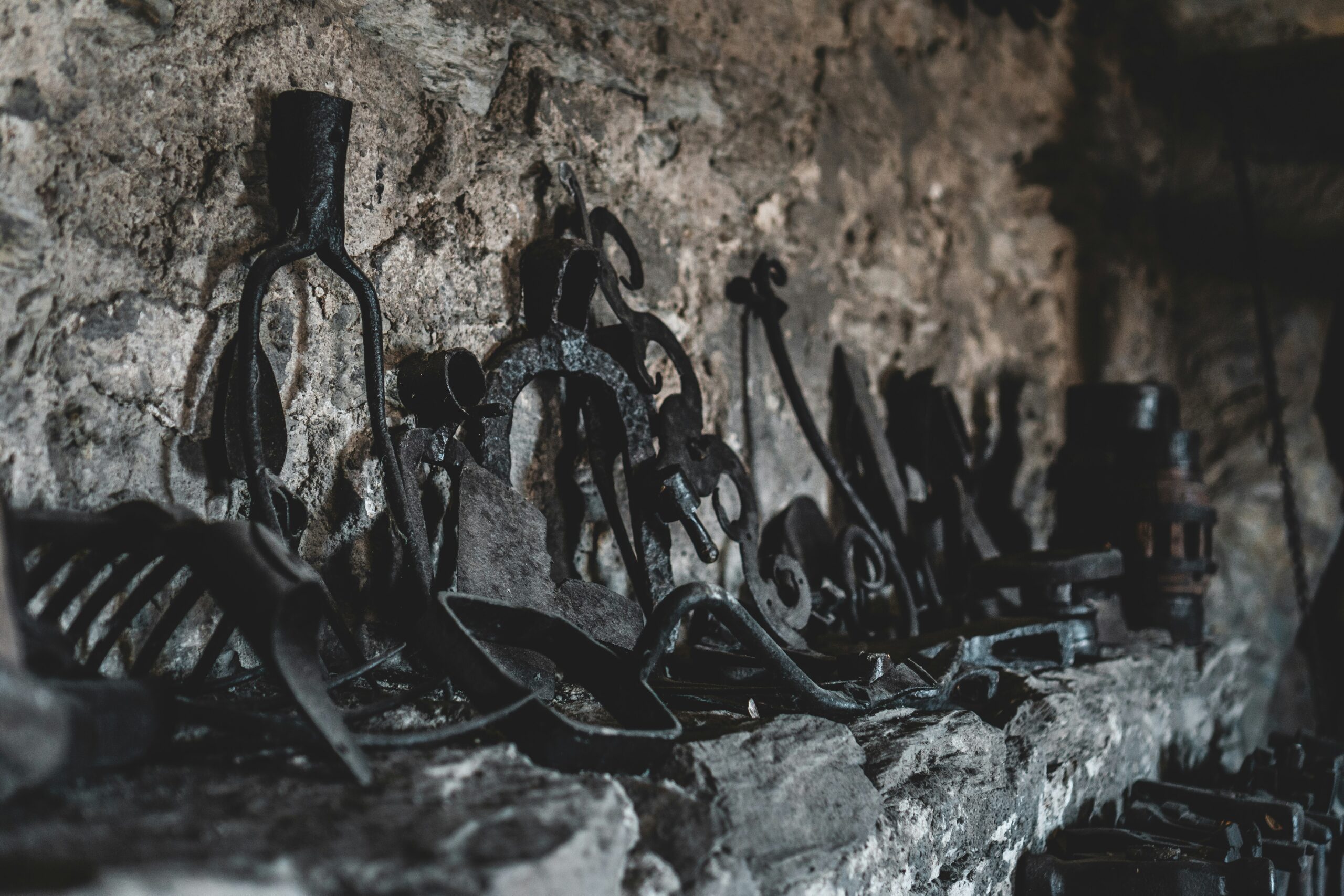
The flint spearhead, chipped with painstaking precision, glinted under the prehistoric sun. It was a tool of survival, a testament to human ingenuity, and like any vital piece of equipment, it demanded care. In the epoch before metallurgy, before sophisticated manufacturing, the maintenance of hunting weapons was not a chore but a critical imperative. The ability to feed oneself and one’s family, to protect the community from predators, and to secure vital resources all hinged on the functional integrity of these essential implements. This guide delves into the crucial aspects of maintaining prehistoric hunting weapons, ensuring their longevity and their continued efficacy in a world where every successful hunt meant the difference between life and death.
The Art of Stone Tool Preservation
Stone tools, the bedrock of prehistoric hunting technology, required a nuanced understanding of their materials and how to best maintain them. From the initial flaking of a projectile point to the daily use of a scraping edge, a hunter’s success was intimately tied to the sharpness and durability of their lithic implements.
Selecting the Right Stone
The foundation of any durable stone tool lay in the raw material. Prehistoric toolmakers possessed an innate understanding of geology, recognizing specific rock types that possessed the ideal properties for flaking and edge retention.
Chert and Flint: The Premier Choices
Chert and flint were highly prized for their conchoidal fracture, a property that allowed for predictable and sharp flake removal. This clean breakage created razor-sharp edges, essential for efficient butchery and penetration. However, not all cherts and flints were created equal. The density, homogeneity, and lack of internal fractures within the stone were paramount. A hunter would meticulously examine a prospective piece of raw material, tapping it lightly to listen for resonant sounds that indicated structural integrity. Bubbles, inclusions, or subtle color variations could all signal potential weaknesses that would lead to catastrophic breakage during use or resharpening.
Obsidian and Jasper: Specialized Applications
Obsidian, a volcanic glass, offered unparalleled sharpness but was also notoriously brittle. While it could produce the most effective cutting edges for delicate tasks like skinning or filleting, its fragility made it less suitable for heavy-duty impact or prolonged use in demanding environments. Jasper, a cryptocrystalline quartz, offered a good balance of hardness and workability, often found in a wider range of colors, which sometimes led to its aesthetic appreciation as well as its functional utility.
The Rigors of Flaking and Resharpening
The process of shaping stone tools, known as knapping, was an art form requiring immense skill and patience. The maintenance of these tools primarily revolved around the careful resharpening of their edges to restore their cutting power.
Percussion Flaking: The Initial Shaping
For initial shaping, percussion flaking was the dominant technique. A harder stone, known as a hammerstone, was used to strike flakes from the core material. This process removed large sections of rock, gradually bringing the tool closer to its intended form, such as a spearhead, axe head, or scraper. The angle of impact, the force applied, and the type of hammerstone all influenced the size and shape of the removed flakes. Even in this initial stage, careful consideration was given to creating a robust base for hafting and a keen working edge.
Pressure Flaking: Precision Edge Refinement
Once the basic form was achieved, pressure flaking was employed for finer edge refinement. A pointed tool, often made of antler tine or a hardened bone awl, was used to apply controlled pressure to the edge of the stone tool. This method allowed for the removal of very small, precise flakes, creating a serrated or saw-like edge that could be incredibly sharp. Regular pressure flaking was essential for maintaining the cutting efficiency of blades, projectile points, and scrapers. A dull edge meant increased effort, higher risk of slippage, and ultimately, a reduced chance of a successful hunt.
Rejuvenating Worn Edges
The process of resharpening involved identifying the worn or damaged portions of the edge and carefully removing material to expose fresh, sharp stone. This was often done by observing the wear patterns. A dull edge might appear rounded, while a chipped edge would show obvious imperfections. The knapper would then use pressure flaking to carefully remove these damaged sections and create a new, keen working surface. The goal was to maintain the original profile of the tool as much as possible, ensuring its structural integrity and balance. Over-flaking or removing too much material could weaken the tool or alter its intended function.
Protecting Lithic Tools from the Elements
While stone itself is durable, certain environmental factors could still degrade its quality or compromise its structural integrity.
Moisture and Freezing
Repeated cycles of wetting and freezing could be detrimental to some types of stone, particularly those with microscopic pores. Water seeping into these pores and then freezing could expand, causing internal stresses and eventual fracturing. Therefore, storing stone tools in dry locations, away from constant exposure to rain or damp environments, was a prudent practice. During extended periods of rain, hunters might wrap their most prized tools in dry animal hides or store them in naturally sheltered rock formations.
Impact and Abrasion
Constant use, especially against hard materials like bone or wood, could lead to micro-chipping and abrasion of the working edges. Regular inspection for these small imperfections was vital. Even minor chips could significantly reduce the tool’s effectiveness and increase the risk of breakage. A hunter would not wait until an edge was completely blunted before resharpening; proactive maintenance was key.
In exploring the fascinating world of prehistoric hunting weapons, it’s essential to consider not only their construction but also their maintenance. A related article that delves into the historical implications of resource management and its impact on society can be found at The Impact of Executive Order 6102: Gold Confiscation. Understanding how ancient societies managed their resources can provide valuable insights into the importance of maintaining hunting tools and weapons, ensuring their effectiveness in securing food and survival.
The Vital Role of Wood and Bone Implements

Beyond stone, wood and bone formed the backbone of many prehistoric hunting tools, from spear shafts to bow limbs and tool handles. Their maintenance, while different from stone, was equally critical for weapon functionality and user safety.
Wood Selection and Preparation
The quality of the wood used for shafts, bows, and handles directly impacted the strength, flexibility, and overall performance of the weapon.
Seasoning and Drying
Freshly cut wood contains a high moisture content, making it prone to warping, cracking, and weakening as it dries. Prehistoric hunters understood the importance of seasoning. Wood intended for tool construction would be carefully dried, often by exposing it to the sun and wind for extended periods. This process removed excess moisture, increasing the wood’s density and stability. Improperly dried wood would inevitably fail under stress, leading to a broken spear shaft during a critical thrust or a cracked bow limb during a draw.
Selecting for Strength and Flexibility
Different tree species offered varying properties. For spear shafts, hunters favored straight-grained hardwoods that were both strong and relatively lightweight, providing good balance and momentum. For bows, the ideal wood possessed a combination of flexibility and resilience, able to store and release energy efficiently. Species like yew or hickory were often sought after for their superior springiness and durability. The presence of knots or internal defects in the wood was a clear indicator of weakness and would render a piece unsuitable for critical components.
Bone Tool Integrity
Bone, readily available from hunted game, served as a versatile material for projectile points, awls, needles, and decorative elements. Its maintenance focused on preventing breakage and preserving its structural integrity.
Cleaning and Degreasing
After the initial shaping of bone tools, thorough cleaning was essential. Removing residual fat and tissue prevented decay and the attraction of insects that could damage the material. This was often achieved through scraping, washing, and sometimes even sun-drying to further degrease the bone.
Avoiding Extreme Temperatures and Moisture
Like wood, bone could be susceptible to changes in moisture and temperature. Prolonged exposure to extreme dryness could make it brittle, while excessive moisture could lead to softening or decay. Careful storage in a relatively stable environment was therefore important for preserving bone tools.
Shaping and Maintaining Wooden Components
The process of shaping wooden components involved a combination of scraping, carving, and abrasion.
Scraping and Abrasion for Smoothness
Tools like scrapers, often made of sharp stone flakes or shells, were used to smooth and refine wooden surfaces. This not only improved the aesthetics but also reduced friction, making a spear shaft more aerodynamic or a bow grip more comfortable. Sandstone or other abrasive materials would be used for finer smoothing.
Carving and Notching for Functionality
Carving was used to create specific features, such as notches for hafting arrowheads or spear points, or to shape the nocks of bows for string attachment. These carved elements needed to be precise and robust to ensure a secure connection and prevent the tool from disassembling under pressure.
Repairing and Reinforcing
If a wooden component showed signs of cracking or splitting, immediate repair was necessary. This might involve carefully gluing the crack with natural resins, such as pine pitch, and then reinforcing the area with sinew or leather cordage. The goal was to arrest the damage and prevent it from worsening, ensuring the tool remained functional.
The Importance of Hafting and Binding Techniques

The effectiveness of many prehistoric hunting weapons relied on the secure attachment of their components. Spearheads needed to be firmly fixed to their shafts, axe heads to their handles, and arrowheads to their shafts. The techniques of hafting and binding were as crucial to weapon longevity as the materials themselves.
Sinew and Hide: The Universal Adhesives
Animal sinew, the tough, fibrous connective tissue found in animal tendons, was a cornerstone of prehistoric binding. When dried and pounded, sinew fibers could be separated and then mixed with natural adhesives.
Preparing Sinew for Binding
Raw sinew was soaked in water to make it pliable, then meticulously pounded with a stone to separate the individual fibers. These fibers were then often glued together with animal hide glue, made by boiling down animal hides and connective tissues. This resulting glue created a strong, water-resistant adhesive. The prepared sinew was then applied in tight wraps around the joint between a stone point and its shaft, or between an axe head and its handle.
The Power of Tight Wrapping
The effectiveness of sinew binding lay in its ability to shrink as it dried. As the wet sinew dried, it contracted, creating an incredibly tight and secure bond. This tension held the components firmly in place, preventing them from shifting or separating during the impact of a hunt. Multiple layers of sinew wrapping were often applied to ensure maximum strength and durability.
Natural Adhesives: Resins and Pitches
Plant-based adhesives, such as pine pitch or birch bark tar, also played a significant role in hafting. These sticky substances were melted and applied to create a strong bond.
Harnessing the Power of Pine Pitch
Pine pitch, collected from pine trees, was a readily available and effective adhesive. It was often heated to a liquid state, sometimes with the addition of charcoal to increase its viscosity and strength. This molten pitch would be applied to the socket of a spear point or the end of a shaft before the stone was inserted. As the pitch cooled, it hardened, creating a strong and somewhat flexible bond.
Birch Bark Tar: A Resilient Option
Birch bark tar, produced by heating birch bark in a sealed container, offered a more water-resistant adhesive. This was particularly useful in damp environments where other adhesives might degrade more quickly. The careful application and thorough curing of these natural adhesives were vital for ensuring the long-term integrity of the hafted weapon.
The Art of the Secure Joint
The success of hafting depended on creating a perfectly matched and secure joint between the two components.
Precision Fitting
Before any binding or adhesive was applied, the craftsman would ensure a precise fit between the stone point and its shaft, or the axe head and its handle. This might involve carefully shaping the end of the shaft to perfectly match the base of the stone, or carving a socket in the wood to accommodate the tang of a bone point. A loose fit would inevitably lead to stress points and eventual failure, regardless of the binding quality.
Reinforcing with Cordage
In addition to sinew and pitch, natural cordage made from plant fibers like nettle or flax, or animal hair, was often used to further reinforce the hafted joint. These cords would be wrapped tightly over the sinew and adhesive, providing an extra layer of security and preventing the binding from unraveling. The combination of precise fitting, strong adhesives, and robust binding techniques ensured that these vital tools could withstand the immense forces exerted during hunting.
Storage and Environmental Considerations
The preservation of prehistoric hunting weapons extended beyond their immediate use and maintenance. Proper storage and consideration of environmental factors were crucial for prolonging their lifespan and ensuring their readiness for action.
Dry Storage as a Priority
Moisture was a significant adversary to many prehistoric weapon materials. Wood could rot and warp, bone could become brittle or soft, and even well-preserved stone could be affected by prolonged dampness, especially if it had internal flaws.
Sheltered Locations
Prehistoric hunters would often store their most valuable weapons in dry, sheltered locations. This could include the dry interiors of caves, rock overhangs, or specially constructed drying racks within dwellings. The aim was to keep the weapons away from direct rain, dew, and high humidity.
Protective Wrappings
In some instances, weapons might be wrapped in dry animal hides or woven mats for an additional layer of protection against moisture and dust. These wrappings would also help to prevent accidental damage during storage.
Avoiding Extreme Temperature Fluctuations
Sudden and extreme changes in temperature could also compromise the integrity of weapons. For example, a wooden bow left in direct sunlight for extended periods could become overly dry and brittle, while a stone tool exposed to sudden freezing after being heated could fracture.
Gradual Acclimation
When bringing weapons from a cold storage environment into a warmer one, or vice versa, a gradual acclimation process would have been beneficial. This prevented thermal shock to the materials. For instance, a bow might be slowly brought into a warmer dwelling rather than immediately placed next to a fire.
Pest Control and Deterrents
Insects and rodents could pose a threat to wooden and bone components, gnawing away at the material and weakening the weapon.
Natural Deterrents
The use of certain strong-smelling natural substances might have served as deterrents. Smoke from fires, strong-smelling herbs, or even the natural oils and residues from processed animal hides could have been employed to discourage pests.
Regular Inspection
Frequent visual inspection of stored weapons was a proactive measure against pest infestations. Catching any signs of damage early would allow for remedial action before significant harm occurred.
In exploring the fascinating world of prehistoric hunting weapons, it’s essential to understand not only their construction but also the maintenance required to keep them effective. For those interested in the broader implications of ancient practices on modern survival strategies, a related article discusses the challenges faced by climate refugees and how their displacement echoes the struggles of early humans. You can read more about this pressing issue in the article on climate refugees, which highlights the importance of adaptability in the face of changing environments.
The Legacy of Weapon Maintenance
| Weapon Type | Material | Maintenance Frequency | Common Maintenance Tasks | Tools Needed | Notes |
|---|---|---|---|---|---|
| Spear | Wood shaft, stone or bone tip | Weekly | Sharpen tip, smooth shaft, check for cracks | Flint or stone sharpener, sandpaper or smooth stone | Keep shaft dry to prevent rot |
| Bow | Wood, sinew, animal glue | Bi-weekly | Check string tension, inspect for splinters, re-glue sinew | Bowstring wax, sinew glue, fine sandpaper | Store in dry place to avoid warping |
| Arrow | Wood shaft, stone or bone arrowhead, feather fletching | After each use | Sharpen or replace arrowhead, realign fletching, smooth shaft | Flint sharpener, glue, feathers | Replace damaged fletching promptly for accuracy |
| Atlatl (Spear-thrower) | Wood, bone or antler hook | Monthly | Inspect hook for wear, smooth handle, oil wood | Fine sandpaper, natural oils (e.g., animal fat) | Oiling prevents wood drying and cracking |
| Stone Knife | Flint or obsidian blade, wooden handle | After heavy use | Resharpen blade, tighten handle bindings | Flint knapping tools, sinew or plant fiber for bindings | Handle bindings may need replacement over time |
The meticulous care and maintenance of prehistoric hunting weapons underscore a profound respect for these essential tools of survival. It was not merely about keeping a tool functional; it was about ensuring the continuity of life, the well-being of the community, and the successful transmission of vital skills across generations. The skilled craftsman who painstakingly chipped a flint point, the diligent hunter who seasoned his spear shafts, and the careful keeper of weapons who ensured their dry storage – all were integral parts of a system that valued longevity and efficacy above all else.
The principles of prehistoric weapon maintenance, though applied to vastly different materials, resonate even today. The importance of choosing the right materials, the necessity of precision in shaping and assembly, and the wisdom of proper care and storage are timeless lessons. By understanding the dedication and ingenuity that went into maintaining the tools of our ancestors, we gain a deeper appreciation for their resilience, their resourcefulness, and their remarkable ability to thrive in a challenging world. The sharp edge of a flint spearhead, the resilient curve of a yew bow, and the sturdy haft of an axe were not just objects; they were testaments to a profound understanding of the natural world and the unwavering commitment to survival, passed down through the ages.

Life 20,000 Years Ago: The Ultimate Ice Age Fight to Survive
FAQs
1. How were prehistoric hunting weapons maintained?
Prehistoric hunting weapons were maintained by sharpening the edges of stone tools, such as spears and arrowheads, using other stones or bone tools. This process helped ensure the effectiveness of the weapons during hunting activities.
2. What materials were used for maintaining prehistoric hunting weapons?
Materials such as flint, obsidian, bone, and antler were commonly used for maintaining prehistoric hunting weapons. These materials were readily available and could be shaped into tools for sharpening and repairing the weapons.
3. Were there specific techniques for maintaining prehistoric hunting weapons?
Yes, there were specific techniques for maintaining prehistoric hunting weapons. For example, hunters would use pressure flaking to remove dull edges and create sharp points on their stone tools. They would also use grinding stones to sharpen the edges of their weapons.
4. How important was weapon maintenance for prehistoric hunters?
Weapon maintenance was crucial for prehistoric hunters as it directly impacted their success in hunting for food and survival. Well-maintained weapons increased the efficiency and accuracy of hunting activities, ensuring a better chance of securing prey.
5. Did prehistoric hunters have specialized individuals for weapon maintenance?
While there is no definitive evidence of specialized individuals solely dedicated to weapon maintenance in prehistoric societies, it is likely that skilled craftsmen or experienced hunters within the community took on the responsibility of maintaining hunting weapons for the group.