## The Silent Witnesses: Forensic Archaeology’s Role in Unearthing Human Stories
Forensic archaeology, a discipline that marries the meticulous excavation of archaeological sites with the investigative rigor of forensic science, has become an increasingly vital tool in unraveling the complexities of human history. While often associated with crime scene investigations, its application extends far beyond the immediate discovery of recent wrongdoing. In the realm of human history documentaries, forensic archaeology offers a unique lens through which to examine ancient societies, lost civilizations, and the very fabric of our ancestral past. It moves beyond the grand narratives of kings and conquests, delving into the intimate details of everyday life, the silent victims of conflict, and the nuanced social structures that shaped our world. By applying scientific methodologies to archaeological remains, forensic archaeologists can extract information that traditional methods might overlook, bringing a new level of detail and veracity to our understanding of who we were and how we lived. The careful examination of skeletal remains, the analysis of burial contexts, and the meticulous recovery of artifacts all contribute to a richer, more humanistic portrayal of history, transforming abstract timelines into relatable narratives of individuals and communities. This approach allows documentaries to move beyond simple historical recounting, offering compelling, evidence-based explorations of human experience across millennia.
Forensic archaeology plays a crucial role in uncovering the mysteries of human history, often revealing insights that challenge our understanding of past civilizations. A fascinating related article that delves into the complexities of historical maps and their implications for archaeology is titled “The Piri Reis Map Accuracy Debate.” This piece explores the controversies surrounding the Piri Reis map, which has sparked discussions about ancient navigation and cartography. To learn more about this intriguing topic, you can read the article here: The Piri Reis Map Accuracy Debate.
## Reconstructing Lives Through Skeletal Evidence

The human skeleton, often perceived as a mere remnant of the past, is in fact a treasure trove of information for forensic archaeologists. Its intricate structure holds clues not only to an individual’s identity but also to their life experiences, diet, health, and even the circumstances of their death. Documentaries that incorporate findings from forensic archaeological investigations of skeletal remains can offer profound insights into the lives of ancient peoples, moving beyond generalizations to focus on individual stories. This meticulous analysis allows for a more intimate and empathetic connection with the past, transforming abstract historical figures into tangible individuals with relatable struggles and triumphs.
### Identifying Ancestry and Biological Profiles
One of the foundational aspects of forensic archaeological analysis of skeletal remains is the determination of an individual’s biological profile. Forensic anthropologists can estimate sex, age at death, stature, and ancestral background based on morphological characteristics of the skull, pelvis, and long bones. This information is crucial for documentaries seeking to portray the diversity of ancient populations. By identifying the ancestral origins of individuals found in specific burial sites, filmmakers can illustrate migration patterns, trade routes, and the complex ethnic makeup of ancient societies. For instance, the discovery of remains with genetic markers pointing to distant origins can fuel narratives about cultural exchange and the interconnectedness of ancient worlds, challenging simplistic notions of isolated communities. The subtle nuances in bone structure can reveal if an individual was male or female, their approximate age when they passed away, and even their height. These seemingly basic details, when presented in a documentary context, can humanize the past, allowing viewers to visualize and connect with individuals who might otherwise remain anonymous figures in historical accounts.
### Revealing Health, Diet, and Lifestyle
Beyond basic identification, skeletal analysis can paint a vivid picture of an individual’s health, diet, and lifestyle. Forensic archaeologists examine bones for evidence of disease, trauma, malnutrition, and occupational stress. The presence of specific lesions can indicate infectious diseases like tuberculosis or leprosy, while Harris lines on long bones can signal periods of nutritional deficiency during childhood. Dental wear patterns can reveal dietary habits, such as the consumption of coarse grains or the use of teeth as tools. The development of muscle attachment sites can indicate physical activity levels and the types of labor an individual performed. Documentaries can leverage this information to illustrate the daily challenges faced by ancient populations, the prevalence of certain ailments, and the impact of environmental factors on human health. Imagine a documentary segment detailing the life of a Roman baker, evidenced by the wear on their teeth from flour dust and the robust development of their arm bones from kneading dough. This level of detail breathes life into historical reconstructions, offering a more nuanced understanding of the human condition across time. Furthermore, the analysis of stable isotopes in bones and teeth can provide insights into an individual’s diet over their lifetime, revealing whether they subsisted primarily on plant-based foods, relied heavily on marine resources, or consumed meat from domesticated animals. This dietary information is invaluable for understanding agricultural practices, trade networks, and the economic realities of ancient societies.
### Investigating the Circumstances of Death
Forensic archaeology excels at reconstructing the circumstances surrounding death, particularly when violence or unusual events are involved. Skeletal analysis can reveal evidence of perimortem trauma, such as fractures caused by blunt force, sharp force, or projectile impact. The location and pattern of these injuries can help determine the weapon used and the nature of the assault. In cases of mass graves or unexplained fatalities, forensic archaeologists can meticulously excavate and analyze the remains to identify the cause of death and, where possible, the perpetrator or the nature of the conflict. Documentaries can use this evidence to shed light on periods of warfare, social unrest, or even ritualistic practices. The identification of battlefield injuries on ancient skeletons, for example, can provide a visceral understanding of the brutality of past conflicts, moving beyond casualty figures to portray the human cost. Similarly, the careful examination of burial positions and the presence of associated grave goods can offer clues about social status, belief systems, and the rituals surrounding death and the afterlife. A documentary featuring the forensic analysis of a tomb might reveal signs of a violent struggle preceding the burial, suggesting a dramatic end to the life of the interred individual.
## Revealing Hidden Histories Through Excavation Techniques
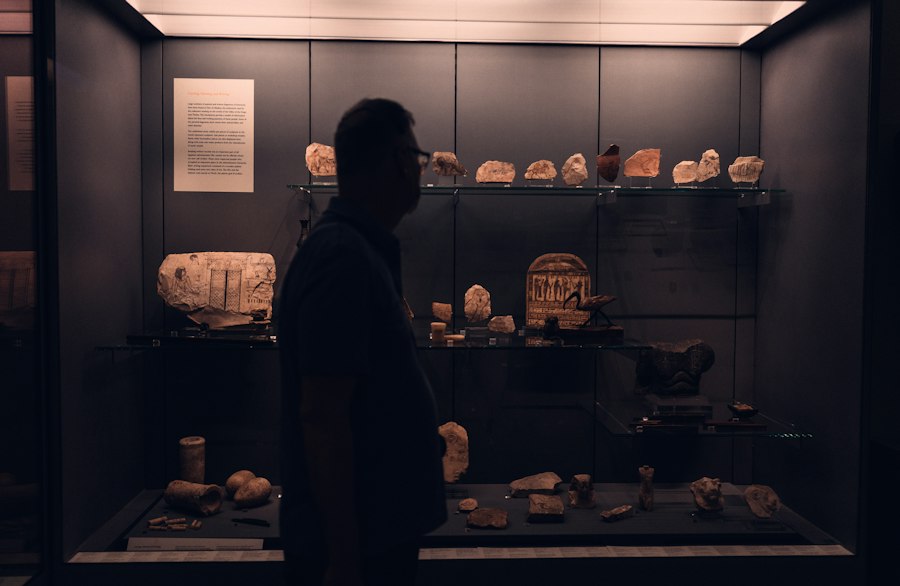
The meticulous excavation of archaeological sites by forensic archaeologists is akin to the careful processing of a crime scene, albeit on a vastly different temporal scale. Their methods are designed to preserve context, document stratigraphy, and recover even the most fragile evidence, allowing documentaries to showcase the scientific rigor behind historical discovery. This emphasis on process and evidence provides a compelling narrative of how our understanding of the past is built, brick by evidentiary brick.
### Stratigraphy and Chronological Order
Stratigraphy, the study of the layers of earth and debris that accumulate over time, is a cornerstone of archaeological excavation. Forensic archaeologists apply principles of stratigraphy to establish the chronological order of events at a site. Each layer, or stratum, represents a specific period of occupation or deposition. By carefully documenting the sequence of these layers and the artifacts found within them, researchers can reconstruct the history of a site from its earliest beginnings to its abandonment. Documentaries can visually demonstrate this process, using animated graphics or on-site footage to explain how deeper layers typically represent older periods and how changes in soil composition or artifact types indicate shifts in human activity. This visual explanation of stratigraphy demystifies the archaeological process, showing viewers that history is not a static entity but a dynamic accumulation of human actions over time. The careful mapping of a dig site, showing the different colored layers of soil and sediment, can powerfully illustrate how archaeologists determine the sequence of events at a location.
### Contextual Analysis of Artifacts and Features
The significance of an artifact is not solely determined by its intrinsic value but by its context – its relationship to other artifacts, features, and the surrounding soil layers. Forensic archaeologists meticulously record the precise location and association of every item recovered. This contextual analysis is crucial for understanding the function and meaning of objects within their original environment. For instance, a flint arrowhead found embedded in a bone is far more informative than the same arrowhead discovered in isolation. Documentaries can highlight how the painstaking documentation of an artifact’s find spot allows archaeologists to infer its use, its owner, and the activities that took place around it. This approach underscores the principle that in archaeology, as in forensics, location is paramount. The discovery of a cluster of cooking pots near a hearth, for example, provides strong evidence of domestic activity, while a collection of specialized tools in a particular area might suggest a craft workshop.
### Advanced Recovery Techniques for Fragile Remains
In many historical contexts, the remains of individuals and their associated artifacts are incredibly fragile, often subjected to centuries of decomposition and environmental degradation. Forensic archaeologists employ advanced recovery techniques to ensure these delicate materials are not damaged during excavation. This can include the use of specialized tools, controlled excavation environments, and sophisticated imaging technologies. Documentaries can showcase these techniques, highlighting the painstaking care required to unearth ancient bone fragments, delicate textiles, or even preserved organic materials like seeds and pollen. The use of 3D scanning to create digital models of fragile objects before their physical removal is a prime example of how modern forensics aids historical preservation and documentation. Such techniques allow for detailed study and reconstruction without further risking the integrity of the original find. The recovery of ancient textiles, for instance, requires specialized knowledge and careful handling to prevent disintegration upon exposure to air.
## Deciphering Violent Pasts: Forensic Archaeology and Conflict
The history of humankind is tragically interwoven with conflict. Forensic archaeology plays a critical role in uncovering the silent evidence of these violent encounters, providing eyewitness accounts from the earth itself. Documentaries that delve into these often-grim discoveries can offer a profound and sobering perspective on the human cost of war, oppression, and intergroup violence.
### Identifying Mass Graves and Sites of Atrocity
Mass graves are often the most visible and poignant evidence of large-scale violence. Forensic archaeologists are instrumental in locating, excavating, and analyzing these sites, seeking to identify the victims, determine the cause and circumstances of their deaths, and potentially bring perpetrators to justice. This can involve meticulous mapping of the burial area, careful exhumation of remains, and detailed examination for signs of execution, torture, or indiscriminate killing. Documentaries can utilize this work to shed light on periods of genocide, civil war, or historical massacres, offering a visual and scientific testament to the suffering endured by victims. The meticulous documentation of the positions of bodies within a mass grave can reveal patterns of how they were killed or interred, providing crucial insights into the nature of the atrocity.
### Reconstructing Battlefield Dynamics
Battlefield archaeology, a specialized branch of forensic archaeology, applies investigative techniques to ancient and historical battle sites. By locating and analyzing spent munitions, weapon fragments, skeletal remains with battlefield injuries, and other associated artifacts, archaeologists can reconstruct the sequence of events, the tactics employed, and the intensity of combat. Documentaries can use this evidence to create vivid and accurate portrayals of historical battles, moving beyond narrative accounts to offer a ground-level understanding of the chaos and brutality of warfare. The analysis of projectile trajectories, for instance, can help illustrate where soldiers were positioned and how the battle unfolded, offering a dynamic and engaging historical reconstruction. Imagine a documentary segment meticulously mapping the distribution of musket balls and cannon shot across a historical battlefield, revealing the lines of engagement and the intensity of the fighting.
### Evidence of Torture and Inhumane Treatment
In cases of historical oppression or torture, skeletal remains can bear silent testimony to the suffering inflicted upon individuals. Forensic archaeologists meticulously examine bones for evidence of perimortem injuries that are indicative of torture, such as fractures from blunt force trauma, stab wounds from implements used for infliction of pain, or evidence of restraint. Documentaries that incorporate such findings can offer a powerful and often disturbing account of the darker aspects of human history, highlighting the importance of remembering and learning from past injustices. The scientific analysis of such injuries provides undeniable proof of inhumane treatment, giving a voice to those who were silenced.
Forensic archaeology plays a crucial role in uncovering the mysteries of human history, and one fascinating aspect is the study of ancient diseases and their impact on societies. A compelling article that delves into this topic is available at The Silent Plague: Ancient Microbial Bloom, which explores how microbial outbreaks shaped civilizations and influenced historical events. This intersection of archaeology and history not only enriches our understanding of past human experiences but also highlights the importance of interdisciplinary research in revealing the complexities of our shared heritage.
## Beyond the Bones: Environmental and Material Culture Forensics
| Documentary Title | Year Released | Focus Area | Key Techniques Highlighted | Duration (minutes) | Notable Discoveries Featured |
|---|---|---|---|---|---|
| Secrets of the Dead: Forensic Archaeology | 2018 | Ancient Burial Sites | DNA Analysis, Ground Penetrating Radar | 60 | Medieval Mass Grave Identification |
| Buried Secrets: Forensic Archaeology in Action | 2020 | Historical Crime Scenes | Facial Reconstruction, Soil Analysis | 45 | Victorian Era Murder Case Solved |
| Unearthing History: Forensic Archaeology | 2019 | Ancient Civilizations | Radiocarbon Dating, Artifact Examination | 50 | Lost City Ruins Discovery |
| The Forensic Archaeologist’s Journey | 2021 | Human Remains Analysis | Osteology, Isotope Analysis | 55 | Identification of Unknown Soldiers |
| History Unearthed: Forensic Archaeology | 2017 | Mass Graves and War Crimes | Excavation Techniques, DNA Profiling | 60 | World War II Mass Grave Investigations |
While skeletal remains are a primary focus, forensic archaeology’s reach extends to the broader environment and the material culture left behind. The careful analysis of these elements provides a more holistic understanding of ancient human lives and the landscapes they inhabited.
### Environmental Reconstruction and Paleoecology
Forensic archaeologists often work in conjunction with paleoenvironmentalists to reconstruct the ancient environment in which a community lived. This involves the analysis of pollen, seeds, animal bones, and soil samples to understand the climate, vegetation, and available resources. This information is crucial for documentaries seeking to explain how ancient societies adapted to their surroundings, developed agricultural practices, and managed their natural resources. Understanding the landscape provides essential context for human settlement and activity, revealing the challenges and opportunities faced by past populations. A documentary might showcase the analysis of ancient soil layers, revealing the presence of specific plant species that were cultivated or the impact of deforestation on the local ecosystem.
### Trace Evidence and Material Analysis
The study of trace evidence, such as microscopic fibers, residues, or tool marks, can provide invaluable information about human activities, trade, and technology. Forensic archaeologists employ specialized techniques, including microscopy and chemical analysis, to identify and interpret these often-overlooked materials. This can reveal details about craftsmanship, manufacturing processes, and the movement of goods. For instance, the presence of specific mineral residues on pottery shards might indicate the origin of the clay or the types of materials used in its production, suggesting trade connections. Documentaries can leverage these findings to illustrate the sophistication of ancient industries and the global reach of ancient economies, revealing the intricate web of connections that existed between distant communities. The analysis of wear patterns on ancient tools can reveal not only their intended function but also the specific techniques used by the artisans.
### Interpreting Domestic and Social Structures
The archaeological remains of dwellings, public spaces, and personal possessions offer insights into the domestic and social structures of past societies. Forensic archaeologists meticulously excavate and analyze these contexts to understand how people lived, interacted, and organized themselves. The layout of houses, the distribution of artifacts within them, and the presence of communal spaces can reveal information about family size, social hierarchy, and community organization. Documentaries can use this evidence to reconstruct daily life, illustrate social stratification, and explore the evolution of human social systems. The discovery of different types of housing within a single settlement, for example, might indicate social or economic disparities among its inhabitants. The detailed mapping of artifact distribution within a dwelling can reveal how space was utilized and which activities were prioritized.
Forensic archaeology plays a crucial role in uncovering the mysteries of human history, and it often intersects with fascinating documentaries that explore ancient civilizations. One such article that delves into the remarkable engineering feats of the past is available at Uncovering Ancient Engineering Marvels, which highlights how modern techniques are used to reveal the secrets behind historical structures. This blend of science and history not only enhances our understanding of ancient societies but also showcases the incredible skills of our ancestors.
## The Ethical Landscape of Forensic Archaeology in Documentation
As forensic archaeology unearths sensitive and often tragic aspects of human history, the ethical considerations for its representation in documentaries are paramount. The responsible portrayal of human remains and the narratives derived from them requires careful thought and adherence to ethical guidelines.
### Respectful Representation of Human Remains
The most critical ethical consideration in documenting forensic archaeological work is the respectful representation of human remains. Skeletal evidence, particularly from sites of violence or mass death, represents individuals who suffered and died. Documentaries must treat these remains with dignity, avoiding sensationalism or gratuitous depictions. This often involves focusing on the scientific analysis and the historical significance of the findings, rather than on graphic or exploitative imagery. Obtaining consent from descendant communities, where possible and appropriate, is also a vital ethical practice, ensuring that the stories of the past are told in consultation with those who have a vested interest in their accurate and respectful remembrance. The use of animation or artistic reconstructions to represent sensitive findings can often be a more ethically sound approach than direct depiction.
### Balancing Scientific Rigor with Narrative Appeal
Documentaries aim to engage and inform their audience, which requires balancing scientific rigor with narrative appeal. Forensic archaeology provides the scientific foundation, but effective storytelling is needed to make the findings accessible and compelling. This involves translating complex scientific concepts into understandable language and weaving together the evidence to create a coherent and engaging narrative. However, this narrative construction should never come at the expense of scientific accuracy or ethical representation. The goal is to illuminate history through evidence, not to distort it for dramatic effect. The careful selection of interviews with forensic archaeologists and historians, combined with compelling visuals of the excavation and analysis, can create a powerful and informative documentary.
### The Role of Forensic Archaeology in Remembrance and Justice
Beyond historical understanding, forensic archaeology has a profound role to play in remembrance and, in some cases, justice. The identification of victims in mass graves, for example, can provide closure for families and contribute to the process of historical reckoning. Documentaries that highlight these aspects can underscore the enduring human desire for truth and accountability. By showcasing how forensic methods can bring to light forgotten atrocities and give voice to the voiceless, these films can serve as powerful tools for commemoration and for ensuring that the lessons of the past are not forgotten. The identification of remains from a historical conflict can allow descendants to finally know the fate of their ancestors, offering a measure of peace and acknowledgement. Forensic archaeology, therefore, not only reconstructs the past but also contributes to the ongoing dialogue between past, present, and future, ensuring that the stories of all people, not just the powerful, are told and remembered.
Life 20,000 Years Ago: The Ultimate Ice Age Fight to Survive
FAQs
What is forensic archaeology?
Forensic archaeology is a branch of archaeology that applies archaeological techniques and methods to investigate and analyze crime scenes or historical events. It involves the recovery and analysis of material evidence to provide insights into past events.
How does forensic archaeology contribute to understanding human history?
Forensic archaeology helps researchers and historians uncover important details about past civilizations, cultures, and events by examining physical evidence such as artifacts, human remains, and structures. This field provides valuable information that can fill gaps in historical records and enhance our understanding of human history.
What role do human history documentaries play in showcasing forensic archaeology?
Human history documentaries often feature forensic archaeologists and their work in investigating historical mysteries, ancient civilizations, and significant events. These documentaries showcase the methods and techniques used in forensic archaeology, bringing attention to its importance in understanding the past.
Can forensic archaeology help solve cold cases or historical mysteries?
Yes, forensic archaeology has been instrumental in solving cold cases and historical mysteries by providing crucial evidence and insights into past events. Through careful analysis of archaeological findings, researchers can uncover new information that may lead to solving long-standing mysteries.
What skills are required to become a forensic archaeologist?
Forensic archaeologists need a strong background in archaeology, anthropology, and forensic science. They must possess skills in excavation, evidence collection, analysis, and interpretation. Attention to detail, critical thinking, and the ability to work methodically are essential for success in this field.