Whispers from the Ice: Unveiling Past Landscapes Through Glacial Rivers
The silent, enduring force of glaciers has sculpted Earth’s surface for millennia, leaving behind a legacy etched in stone and soil. Among the most potent architects of these landscapes are glacial meltwater river systems. These ephemeral yet powerful waterways, born from the thawing ice, have not only shaped the physical terrain but have also served as conduits for ancient human migration, settlement, and resource exploitation. The archaeology of these systems, therefore, offers a unique lens through which to understand the intricate relationship between past human societies and their dynamic, ice-influenced environments. This exploration delves into the methodologies, discoveries, and profound implications of unearthing the human story intertwined with these frozen giants.
Recent studies in glacial meltwater river systems have revealed significant archaeological insights, particularly in regions where these rivers intersect with ancient human settlements. For instance, the research highlighted in the article on Kurdistan’s quest for independence discusses how the changing landscape due to glacial melt has exposed previously submerged archaeological sites, offering a unique glimpse into the region’s rich history. This interplay between climate change and archaeology underscores the importance of understanding how natural processes can unveil hidden cultural heritage. For more information, you can read the article here: Kurdistan’s Quest for Independence.
The River as a Time Capsule: Principles of Glacial Archaeology

The study of glacial meltwater river systems from an archaeological perspective rests on a fundamental principle: these environments, by their very nature, are potent preservation agents. The constant flow of water, the deposition of sediment, and the subsequent burial under ice or sediment can shield artifacts and ecofacts from decay and destruction for thousands of years. This section outlines the core tenets and techniques that archaeologists employ to unlock the secrets held within these watery corridors.
Sediment as a Storyteller: Stratigraphy and Geoarchaeology
At the heart of glacial river archaeology lies stratigraphy, the study of layered deposits. Each layer of sediment deposited by a meltwater river tells a story of the environmental conditions at that specific time. Geoarchaeology, the application of geological principles to archaeological research, is crucial here. By analyzing sediment composition, grain size, and sedimentary structures, researchers can reconstruct past river dynamics – whether they were braided, meandering, or characterized by rapid flood events. These environmental reconstructions are vital for contextualizing archaeological finds. For example, finding human tools within a layer of fine silt deposited during a period of low-energy flow suggests a stable period, while discovering them in coarse gravel from a high-energy flood event indicates a more turbulent past. Dating these layers through methods like radiocarbon dating of organic materials or optically stimulated luminescence (OSL) dating of sediment grains provides a chronological framework for human activity.
Preserving the Fleeting: Artifact Recovery in Waterlogged Environments
Glacial meltwater rivers often create waterlogged environments, a boon for artifact preservation. Organic materials such as wood, bone, leather, and even textiles, which would rapidly decompose in drier conditions, can survive for millennia. This presents unique challenges and opportunities for archaeologists. Specialized techniques are employed for the excavation and conservation of these delicate artifacts. Waterlogged sites are typically excavated under carefully controlled conditions to prevent rapid drying, which can cause shrinkage and disintegration. Wet sieving is often used to recover small artifacts and ecofacts from sediment. Conservation of waterlogged materials requires immediate and expert attention, often involving painstaking processes of stabilization, cleaning, and slow drying under controlled humidity. The recovery of wooden tools, boat fragments, or even preserved plant remains can offer unparalleled insights into past technologies, subsistence strategies, and daily life.
Reconstructing the Flow: Paleoenvironmental Reconstruction
Understanding the hydrological regime of past meltwater systems is paramount. Archaeologists work in tandem with geologists and paleoclimatologists to reconstruct these ancient environments. This involves analyzing geomorphological features such as ancient river channels, terraces, and glacial landforms like eskers and kames, which are often directly linked to meltwater processes. Analyzing pollen and macrobotanical remains preserved within river sediments can reveal past vegetation patterns, indicating the prevailing climate conditions and the types of resources available to ancient populations. Ice core data from nearby glaciers can provide crucial climatic context, allowing archaeologists to correlate human occupation periods with specific glacial and interglacial cycles.
Migratory Highways and Settlement Hubs: Humans on the Move
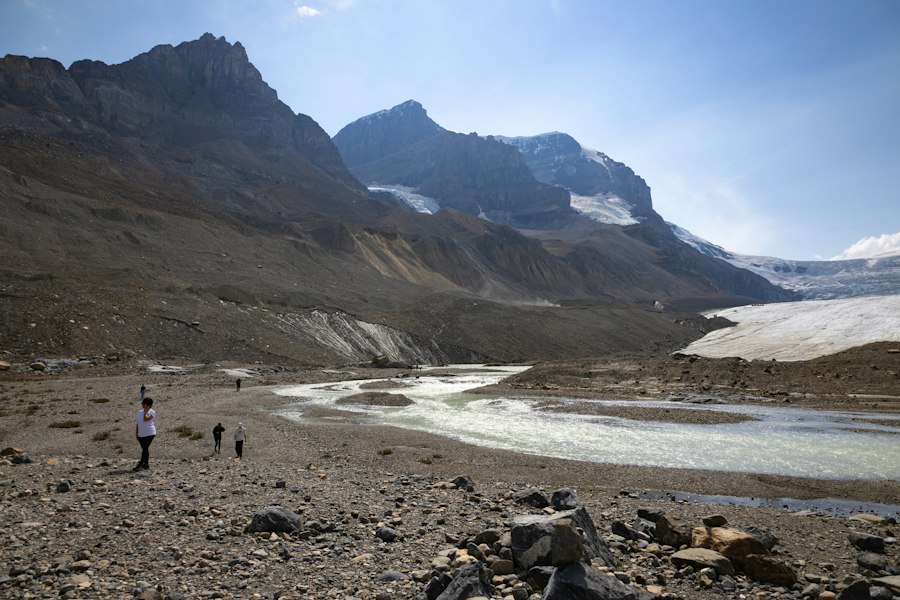
Glacial meltwater rivers were not merely passive landscapes; they were active participants in human history, serving as critical arteries for migration, trade, and settlement. Their dynamic nature, however, also meant that human occupation was often episodic and tied to the ebb and flow of glacial activity. This section examines how archaeologists interpret the evidence of human presence within these ever-changing environments.
Following the Water’s Edge: Early Human Dispersal
The end of the last glacial period, the Pleistocene, witnessed significant human migrations across continents. Glacial meltwater river systems, carving paths through newly deglaciated terrain, would have been natural routes for early human dispersal. These rivers offered reliable sources of freshwater, provided access to abundant fish and game attracted to the water, and facilitated travel. Archaeological sites found along ancient river terraces or within former floodplains provide direct evidence of these movements. The discovery of lithic scatters, hearths, or even burials dating to the early Holocene along these systems speaks volumes about human adaptability and their ability to navigate and exploit these post-glacial environments. The geographic distribution of specific artifact types can also indicate migration routes, with similarities observed across distant regions pointing to shared dispersal pathways facilitated by river networks.
Adapting to the Dynamics: Sedentary Life in a Changing World
While nomadic lifestyles might seem more fitting for environments influenced by fluctuating glacial melt, evidence of more sedentary settlement patterns also emerges from glacial river systems. Communities learned to adapt their settlement strategies to the unpredictable nature of these waterways. This could involve establishing temporary camps during periods of stable river flow and predictable resource availability, or strategically locating settlements on higher ground to avoid seasonal flooding. Archaeological evidence of permanent structures, even if relatively simple, suggests a degree of confidence in the long-term viability of a particular location. The presence of specialized tools for fishing, watercraft, or even rudimentary flood control measures further indicates sophisticated adaptation to this challenging yet resource-rich environment.
Crossroads of Culture: Trade and Interaction
The clear, often extensive pathways offered by glacial meltwater rivers also facilitated interaction between different human groups. These river systems acted as natural trade routes, allowing for the exchange of goods, ideas, and technologies. The discovery of exotic materials or artifact styles far from their original source, found within sites along glacial rivers, is a strong indicator of such interactions. For instance, the presence of obsidian sourced from a distant volcanic region found in an archaeological context along a glacial river system suggests long-distance trade networks were in place. These discoveries help reconstruct the social and economic landscapes of the past, revealing a more interconnected world than might initially be assumed.
Unearthing the Evidence: Methodologies in Action
The archaeology of glacial meltwater river systems demands a multidisciplinary approach, integrating traditional archaeological excavation with cutting-edge scientific techniques. This section highlights the key methodologies that allow researchers to meticulously piece together the human past embedded within these dynamic landscapes.
Remote Sensing and Landscape Archaeology
Before boots even hit the ground, sophisticated remote sensing technologies play a vital role. Aerial photography and satellite imagery can reveal subtle geomorphological features that might indicate ancient river channels, floodplains, or settlement sites, especially those obscured by vegetation or later deposits. LiDAR (Light Detection and Ranging) technology is particularly powerful, capable of penetrating forest canopies to create highly detailed topographic maps, revealing subtle earthworks, ancient trackways, or the precise course of long-vanished rivers. Ground-penetrating radar (GPR) can be used to non-invasively investigate buried archaeological features within river sediments, helping to guide excavation efforts and identify areas of potential interest without disturbing the entire site.
Geochronology: Anchoring Finds in Time
Accurate dating is crucial for understanding the sequence of human occupation and environmental change. A suite of geochronological techniques is employed in glacial river archaeology. Radiocarbon dating of organic materials, such as charcoal from hearths, bone fragments, or preserved plant remains, is fundamental for establishing chronologies within the last 50,000 years. Optically Stimulated Luminescence (OSL) dating, which dates the last time sediment grains were exposed to sunlight, is invaluable for dating the sediment layers themselves, providing a chronological framework for the archaeological deposits they contain. Other methods like dendrochronology (tree-ring dating) can be applied if preserved wood is found, offering highly precise dates for wooden artifacts or structures.
Environmental Proxies: Reconstructing Past Ecosystems
Understanding the paleoenvironment is as important as dating human activity. This involves analyzing a range of environmental proxies preserved within the river system. Palynology, the study of fossil pollen, reveals past vegetation and, by extension, climate. Macrofloral and archaeobotanical analysis of preserved plant remains provides direct evidence of the plants used by humans for food, fuel, or construction, as well as the natural flora of the surrounding environment. Faunal analysis of animal bones recovered from sites can indicate subsistence strategies, hunting practices, and the types of animals present in the ecosystem. Isotopic analysis of human and animal remains can provide insights into diet and even geographic origins.
Recent studies in glacial meltwater river systems have revealed fascinating insights into ancient human settlements and their adaptations to changing environments. As researchers delve deeper into these archaeological sites, they uncover artifacts and evidence that shed light on how communities thrived in what are now harsh, icy landscapes. For those interested in the intersection of technology and exploration, an intriguing article discusses advancements in space domain awareness, which could have implications for understanding Earth’s climate and its historical impacts on human civilization. You can read more about this topic in the article found here.
Insights into Past Lifestyles: What the Rivers Reveal
| Metric | Description | Typical Values | Relevance to Archaeology |
|---|---|---|---|
| Water Discharge (m³/s) | Volume of meltwater flowing through the river system per second | 10 – 500 m³/s (varies seasonally) | Influences sediment transport and site preservation |
| Sediment Load (kg/m³) | Concentration of sediments carried by meltwater | 0.1 – 5 kg/m³ | Determines burial and exposure of archaeological materials |
| Water Temperature (°C) | Temperature of meltwater in river systems | 0 – 10 °C | Affects organic material preservation and microbial activity |
| pH Level | Acidity or alkalinity of meltwater | 6.5 – 8.5 | Impacts chemical weathering of artifacts |
| Flow Velocity (m/s) | Speed of water flow in the river channel | 0.5 – 3 m/s | Controls erosion and deposition patterns affecting site integrity |
| Organic Carbon Content (mg/L) | Amount of dissolved organic carbon in meltwater | 1 – 10 mg/L | Influences preservation of organic archaeological remains |
| Glacial Meltwater Seasonality | Variation in meltwater flow throughout the year | Peak in late spring to summer | Determines timing of sediment deposition and site exposure |
The artifacts and environmental data recovered from glacial meltwater river systems offer a profound window into the daily lives, technological advancements, and cultural practices of past peoples. This section explores some of the key insights gained from these remarkable discoveries.
Sustenance Strategies: Living Off the Flow
Glacial meltwater rivers were often rich in resources, and their exploitation is a recurring theme in the archaeological record. Evidence of fishing is common, with the discovery of bone or antler fishhooks, net sinkers, and even preserved fragments of fishing nets. Animal bones found in association with human settlements reveal hunting practices, often targeting species that congregated near water sources, such as waterfowl, deer, or elk. The presence of domesticated animal bones, where applicable, indicates the integration of pastoralism into these environments. Botanical remains highlight the use of riparian vegetation for food, medicine, and crafting materials.
Technological Innovations: Tools for a Watery World
The unique challenges and opportunities presented by glacial meltwater environments spurred technological innovation. The development of specialized tools for working with wood, essential for constructing watercraft, shelters, and tools, is evident. The preservation of bark, reeds, and fibers has revealed sophisticated weaving and basket-making techniques. In some instances, evidence of early forms of water management, such as rudimentary dams or channels to direct water flow for irrigation or resource concentration, has been found. The materials used for tool manufacture, whether locally sourced stone or traded materials, also speak to the resourcefulness and connectivity of these communities.
Cultural Expressions and Belief Systems
Beyond the utilitarian, archaeological finds from glacial river systems can also shed light on the cultural and spiritual lives of past peoples. The discovery of personal adornments, such as beads or pendants, indicates a desire for self-expression. While direct evidence of religious practices in these environments is often rare, the careful burial of the dead, sometimes with grave goods, suggests beliefs about the afterlife. The placement of certain artifacts within the landscape, perhaps in symbolically significant locations near the river, could also hint at ritualistic behavior or a connection to the natural world. The art found on tools or portable objects provides glimpses into their aesthetic sensibilities and symbolic understanding of their world.
The Future of Ice-Water Archaeology: New Frontiers and Challenges
As climate change accelerates the melting of glaciers worldwide, the archaeological landscapes they reveal are both vanishing and becoming more accessible. This presents a unique and urgent set of challenges and opportunities for the field of glacial river archaeology.
The Race Against Time: Preserving Vanishing Evidence
The rapid retreat of glaciers is uncovering archaeological sites that have been protected for millennia. While this offers an unprecedented opportunity for discovery, it also creates a race against time. Once exposed, these sites are vulnerable to erosion, weathering, and human disturbance. Archaeologists are increasingly working in high-altitude and polar regions, often in challenging logistical conditions, to document and excavate these ephemeral sites before they are lost forever. This requires rapid response protocols, advanced fieldwork techniques, and robust conservation strategies.
Technological Advancements and Interdisciplinary Collaboration
The future of glacial river archaeology will undoubtedly be shaped by further technological innovation. Advances in remote sensing, drone technology, and autonomous underwater vehicles will enable more efficient and comprehensive surveys of these vast and often remote landscapes. The integration of artificial intelligence and machine learning in analyzing vast datasets of imagery and sensor data will help identify subtle archaeological signatures. Continued collaboration with glaciologists, climatologists, geologists, and biologists will be essential for interpreting the complex interplay between past human activity and the dynamic glacial environments they inhabited.
Global Perspectives and the Anthropocene
The study of glacial meltwater river systems offers a crucial perspective on humanity’s long-term relationship with a changing planet. Understanding how past societies adapted to dramatic environmental shifts, often driven by natural climate variability, provides valuable lessons for navigating the current Anthropocene. By uncovering the stories of human resilience and ingenuity embedded within these ancient waterways, glacial river archaeology contributes not only to our understanding of the past but also to our stewardship of the future. The whispers from the ice, carried by these ancient rivers, are a vital reminder of our deep connection to the Earth’s dynamic systems and the enduring legacy of human adaptation.
Life 20,000 Years Ago: The Ultimate Ice Age Fight to Survive
FAQs
What is a glacial meltwater river system?
A glacial meltwater river system is a network of rivers and streams formed by the melting of glaciers. These systems are characterized by high sediment loads and unique landforms created by the powerful flow of water.
How do glacial meltwater river systems impact archaeology?
Glacial meltwater river systems can expose archaeological sites that were previously buried under ice or sediment. The erosion caused by the flowing water can reveal artifacts, structures, and other evidence of past human activity.
What types of archaeological discoveries have been made in glacial meltwater river systems?
Archaeologists have discovered ancient tools, weapons, pottery, and even human remains in glacial meltwater river systems. These finds provide valuable insights into the lives and cultures of prehistoric peoples who inhabited these regions.
How do archaeologists study artifacts found in glacial meltwater river systems?
Archaeologists use a variety of techniques, such as radiocarbon dating, DNA analysis, and artifact analysis, to study artifacts found in glacial meltwater river systems. These methods help researchers determine the age, origin, and significance of the discoveries.
Why are glacial meltwater river systems important for understanding human history?
Glacial meltwater river systems offer a unique opportunity to study ancient civilizations and environmental changes over time. By examining artifacts and other evidence found in these systems, archaeologists can piece together the puzzle of human history and cultural evolution.