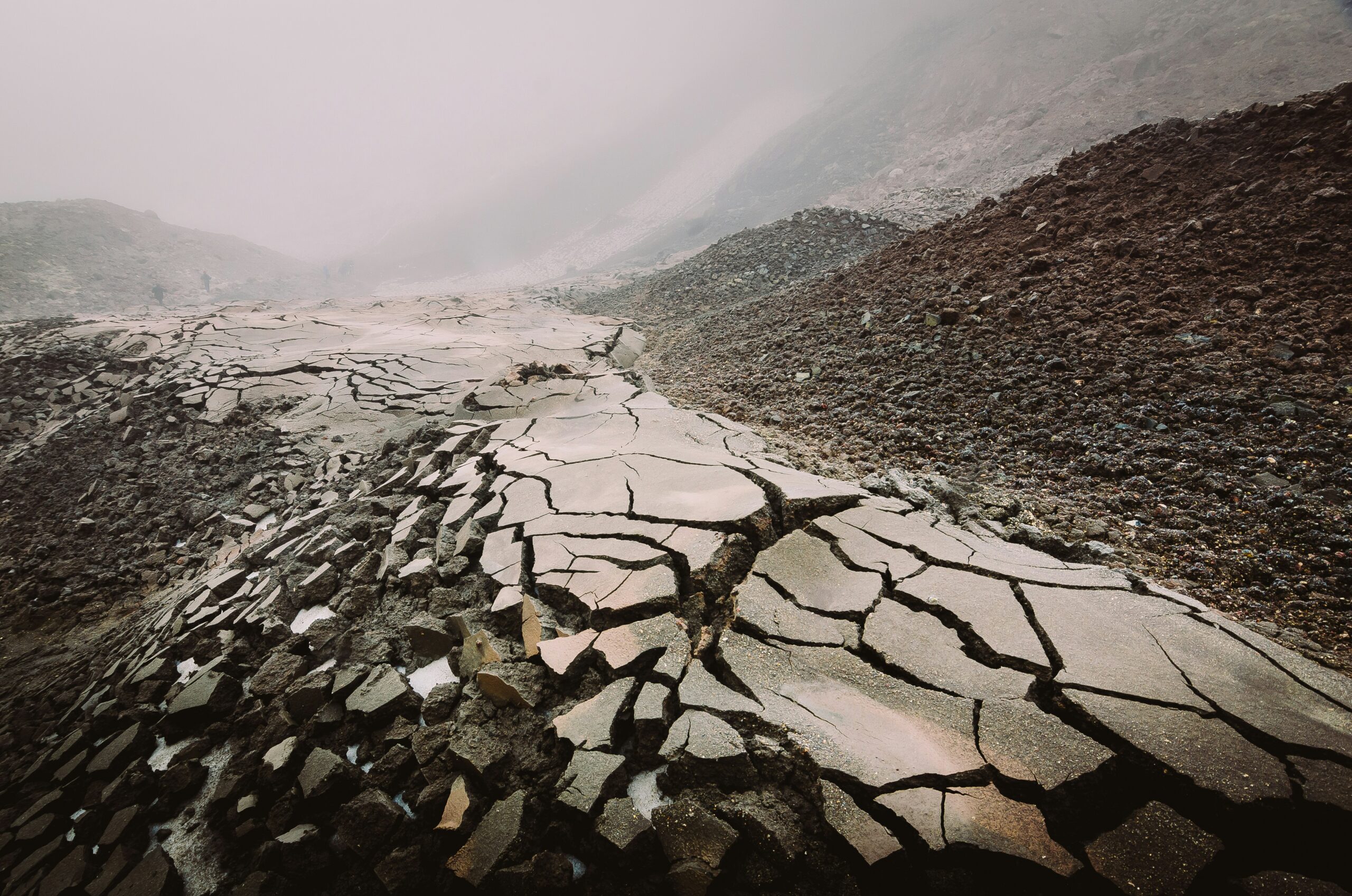
The Earth’s climate is a dynamic system, prone to shifts and fluctuations throughout its long history. While contemporary discussions often focus on the rate and causes of current climate change, understanding past episodes of abrupt and severe climate shifts offers invaluable insights into humanity’s resilience and the planet’s capacity for recovery. These ancient upheavals, often driven by natural forcures, presented formidable challenges to early human societies, forcing them to adapt, migrate, or perish. Examining these events provides a stark reminder of the interconnectedness of climate, environment, and human civilization, and offers lessons that remain profoundly relevant today.
Echoes of Instability: Understanding Ancient Climate Disruptions
The geological record is replete with evidence of dramatic climatic swings that occurred on timescales far shorter than gradual evolutionary changes. These abrupt events, unlike the slow creep of glacial periods or the gentle warming over millennia, could unfold over decades or centuries, bringing about radical transformations in temperature, precipitation, and sea levels. The sheer speed and intensity of these shifts often outpaced the adaptive capacities of ecosystems and the societies that depended on them. Understanding the mechanisms that triggered these ancient disruptions is crucial to appreciating the magnitude of the challenges faced by our ancestors and the ingenuity they displayed in navigating them.
Proxies of a Changing World: Unraveling Past Climates
The scientific endeavor to reconstruct ancient climates relies on a diverse array of indirect evidence, known as proxies. These are natural archives that record environmental conditions at the time of their formation. Ice cores, extracted from the deep glaciers of Greenland and Antarctica, are perhaps the most famous. Trapped within layers of ice are tiny bubbles of ancient atmosphere, providing a direct snapshot of past CO2 levels, temperature fluctuations (inferred from the isotopic composition of water molecules), and even atmospheric dust from volcanic eruptions or arid regions. Sediment cores from ocean floors and lakebeds offer another invaluable window. The types of fossilized microorganisms (like foraminifera or diatoms) found within these layers are highly sensitive to water temperature and chemistry. Their abundance and species composition act as thermometers and indicators of salinity or nutrient levels. Terrestrial records, such as tree rings, pollen grains preserved in bogs, and stalagmites in caves, also contribute vital information about past rainfall patterns, vegetation changes, and temperature variations. By meticulously analyzing these proxies, scientists can piece together a high-resolution narrative of Earth’s climatic past, revealing periods of rapid and profound environmental upheaval.
Drivers of Ancient Volatility: Natural Triggers for Cataclysm
The abrupt and severe climate changes of the past were not random occurrences; they were typically driven by powerful natural forces that could destabilize the Earth’s climate system. Volcanic eruptions, on a scale far exceeding modern events, could inject vast quantities of ash and sulfur aerosols into the stratosphere. These particles reflect solar radiation back into space, leading to rapid global cooling, a phenomenon known as a “volcanic winter.” The impact of large asteroid or comet impacts, while rarer, could trigger similarly devastating consequences, including widespread fires and atmospheric dust that would block sunlight for extended periods. Changes in Earth’s orbit, known as Milankovitch cycles, operate on longer timescales, but can amplify or initiate glacial-interglacial cycles. More abrupt shifts, however, are often linked to disruptions in ocean circulation patterns. The melting of massive ice sheets, for instance, can release enormous volumes of freshwater into the oceans. This can disrupt thermohaline circulation, the global conveyor belt of ocean currents that plays a critical role in distributing heat around the planet. A shutdown or significant alteration of this system can lead to dramatic regional and global temperature changes, often with little warning. Changes in solar activity, while less likely to be the sole driver of severe abrupt changes, could have acted as a feedback mechanism, exacerbating other natural perturbations.
Recent studies on severe abrupt ancient climate change survival have shed light on how early civilizations adapted to drastic environmental shifts. For a deeper understanding of the resilience of ancient societies in the face of climate challenges, you can explore the article titled “Uncovering Secrets of Ancient Reservoir Ruins,” which discusses the innovative water management strategies employed by these communities. To read more about this fascinating topic, visit here.
The Dawn of Human Adaptation: Early Encounters with Climate Shock

The emergence and spread of Homo sapiens coincided with a period of significant climatic instability. While our ancestors possessed remarkable adaptability, the pace and severity of some ancient climate shifts presented existential threats. The ability to recognize environmental signals, modify behavior, and innovate was paramount for survival. These early experiences, though often poorly documented, laid the groundwork for the development of cultures and technologies that could weather environmental storms.
Nomadic Resilience: Following the Shifting Seasons
For many early human populations, particularly hunter-gatherer societies, mobility was a primary strategy for survival. When climate change led to shifts in vegetation, the availability of game, or water sources, these groups would follow the retreating or advancing resources. This nomadic lifestyle fostered a deep understanding of their environment, its cycles, and its vulnerabilities. They learned to read the signs of impending drought, shifts in animal migration routes, or the onset of colder periods. Their toolkit often included portable shelters, efficient hunting and gathering techniques, and a social structure that facilitated collective movement and resource sharing. The ability to adapt their diet based on available flora and fauna was also critical. In essence, their very existence was a testament to a finely tuned ecological awareness and the flexibility to respond to a constantly changing world. This inherent adaptability, honed over millennia, became a defining characteristic of our species.
Hearth and Home: Settling Down in a Changing Landscape
While nomadism offered one path to survival, other early societies began to develop more settled lifestyles, often in regions blessed with more stable environmental conditions. The advent of agriculture, a monumental shift in human history, was intrinsically linked to climate. Early farmers relied on predictable rainfall patterns and fertile soils to cultivate crops. However, even these settled communities faced the threat of abrupt climate change. Droughts could decimate harvests, leading to famine and societal collapse. Conversely, prolonged periods of heavy rainfall could flood settlements and destroy crops. In response, these societies developed various strategies. They learned to store food surpluses to buffer against lean years. They developed irrigation systems to manage water availability and flood control measures. They also developed more permanent forms of shelter and community organization that could withstand environmental stresses. The archaeological record reveals evidence of abandoned settlements, suggesting that sometimes these adaptations were insufficient, but it also shows the construction of more robust infrastructure and the development of sophisticated resource management techniques, indicating a gradual learning process in the face of climatic challenges.
Civilizational Crossroads: Climate as a Catalyst for Collapse and Flourishing

The rise and fall of ancient civilizations are often intertwined with climatic shifts. Periods of relative climate stability could foster agricultural surpluses, population growth, and the development of complex societies. Conversely, abrupt and severe climate change could destabilize these foundations, leading to societal breakdown, migration, and conflict. However, these periods of upheaval also sometimes acted as catalysts for innovation and the emergence of new societal structures.
The Great Thaw and the Rise of Empires: Harnessing a Warmer World
The end of the last major glacial period, roughly 11,700 years ago, ushered in the Holocene epoch, a period characterized by a generally warmer and more stable climate. This relatively benign climate facilitated the widespread development of agriculture, allowing for the cultivation of crops and the domestication of animals in numerous regions around the world. The resulting agricultural surpluses enabled population growth, the specialization of labor, and the rise of settled communities that eventually evolved into villages, towns, and eventually, complex civilizations. From Mesopotamia and the Nile Valley to the Indus and Yellow Rivers, these early centers of civilization flourished in environments that were conducive to sustained food production. This period of relative climatic stability provided the fertile ground upon which the foundations of human civilization were built, allowing for advancements in technology, governance, and culture.
The Dust Bowl of Antiquity: When the Rains Failed
Throughout history, periods of prolonged drought have been a recurring and devastating force. The “Dust Bowl of Antiquity,” a term used to describe widespread and severe aridification, has been implicated in the decline of several major civilizations. For instance, evidence suggests that prolonged droughts played a significant role in the collapse of the Mayan civilization in Mesoamerica. Shifting rainfall patterns and increasing aridity led to water scarcity, crop failure, and social unrest. Similarly, the decline of the Akkadian Empire in Mesopotamia has been linked to a period of intense drought around 4,200 years ago, which disrupted agricultural production and likely led to widespread famine and conflict. These events highlight the extreme vulnerability of societies that are heavily reliant on consistent rainfall for their sustenance. The collapse of these complex societies, once thought to be solely due to internal factors, is now increasingly understood as being exacerbated, if not directly caused, by dramatic shifts in their climatic environment. The failure of the rains meant the failure of the agricultural system, which was the bedrock of their economic and social stability.
Climate as a Crucible: Forging New Societies from Collapse
While abrupt climate change often led to societal collapse, it also occasionally acted as a crucible for the formation of new ways of life and societal structures. When old systems failed, it created space for innovation and adaptation. For example, the decline of some established agricultural societies due to climate stress might have led to increased reliance on pastoralism or other more mobile economic strategies. In some instances, the displacement of populations caused by environmental degradation could lead to the diffusion of new technologies or cultural practices to new regions, sparking further innovation. The challenges posed by a changing climate also spurred the development of more sophisticated forms of social organization and cooperation. The need to manage scarce resources, coordinate relief efforts, or undertake large-scale public works like irrigation projects necessitated stronger governance and more cohesive communities. Thus, while undeniably destructive, severe climate change could, in some cases, act as a catalyst for societal transformation and the evolution of human resilience.
Lessons for Today: Adapting to a Modern Climate Crisis
The historical record of severe abrupt ancient climate change offers a stark and sobering set of lessons for contemporary society. While the drivers of current climate change are anthropogenic rather than natural, the consequences of rapid and significant environmental shifts are remarkably similar. Understanding how past societies coped, or failed to cope, with such challenges provides invaluable guidance for navigating the complexities of the 21st century.
The Perils of Overspecialization: Recognizing Vulnerabilities
Ancient societies that became overly specialized in their agricultural practices or resource reliance were particularly vulnerable to climate shifts. For example, a civilization that depended on a single staple crop, or a narrow range of animal husbandry, found itself in dire straits when climatic conditions shifted away from what was optimal for that specific practice. Modern industrialized societies, while possessing advanced technologies, also exhibit forms of overspecialization. Our dependence on fossil fuels, our reliance on globalized supply chains that are sensitive to extreme weather events, and our urbanized infrastructure that can be overwhelmed by flooding or heatwaves all represent potential vulnerabilities. The lesson from the past is clear: diversification of resources, food systems, and energy sources is crucial for building resilience. A multi-pronged approach to adaptation, rather than a singular reliance on one solution, offers greater security in the face of environmental uncertainty.
The Power of Collective Action: Social Cohesion as a Shield
In the face of severe environmental challenges, the strength and cohesion of a society proved to be a critical factor in its ability to survive. Communities that could organize effectively, share resources, and cooperate in the face of crisis were more likely to endure. Conversely, societies fractured by internal conflict or lacking strong social bonds often succumbed to the pressures of climate change. This highlights the importance of social capital, trust, and effective governance in building resilience. In the modern context, this translates to the need for international cooperation, community-level preparedness, and policies that foster social equity and inclusion. Addressing climate change effectively requires a unified, collective response, not one fragmented by division or self-interest. The ability to act together, to support vulnerable populations, and to share knowledge and resources will be paramount in mitigating the worst impacts of current climate change.
Innovation and Foresight: The Capacity for Change
Throughout history, human societies have demonstrated a remarkable capacity for innovation when faced with adversity. The development of new tools, agricultural techniques, or social structures often emerged from the necessity of adapting to changing environmental conditions. However, foresight and proactive planning were often more effective than reactive responses. Societies that anticipated potential climatic shifts and began to adapt their practices before the full force of the crisis hit were often more successful. This lesson is profoundly relevant today. While climate change is already upon us, the window for proactive adaptation and mitigation is still open. Investing in sustainable technologies, developing climate-resilient infrastructure, and implementing policies that encourage ecological restoration are all forms of foresight. The future of human civilization, much like the past, will depend on our ability to both innovate and to look ahead, understanding the potential consequences of our actions and making choices that foster long-term sustainability.
Research into severe abrupt ancient climate change has revealed fascinating insights into how early civilizations adapted to extreme environmental shifts. A related article discusses the innovative inventions that emerged during challenging times, highlighting humanity’s resilience and ingenuity. For those interested in exploring how these historical innovations shaped our world, you can read more about it in this article. Understanding these connections can provide valuable lessons for addressing contemporary climate challenges.
Enduring Legacies: The Unwritten Chapters of Human Resilience
| Metric | Description | Value / Range | Source / Study |
|---|---|---|---|
| Temperature Drop | Magnitude of abrupt temperature decrease during ancient climate events | 5-10°C within decades | Greenland Ice Core Data (NGRIP) |
| Duration of Event | Length of severe abrupt climate change episodes | 50-200 years | Ice Core and Sediment Records |
| Human Population Decline | Estimated reduction in human populations during abrupt climate events | Up to 30-50% | Archaeological Demographic Studies |
| Survival Strategies | Common adaptive behaviors observed in ancient populations | Migration, dietary diversification, technological innovation | Anthropological Research |
| Vegetation Shift | Change in dominant plant species due to abrupt climate shifts | From forest to tundra or steppe in affected regions | Pollen Analysis from Sediment Cores |
| Sea Level Change | Rapid sea level fluctuations associated with abrupt climate events | Up to 1-2 meters within centuries | Marine Sediment Records |
| Carbon Cycle Disruption | Changes in atmospheric CO2 concentrations during abrupt events | Increase/decrease of 20-50 ppm | Ice Core Gas Analysis |
The story of human survival through ancient abrupt climate change is not one of continuous, effortless progress. It is a narrative punctuated by periods of great hardship, loss, and societal transformation. Yet, woven through these accounts of challenge is an enduring testament to human ingenuity, adaptability, and the fundamental drive to endure. The lessons gleaned from these ancient upheavals are not merely academic exercises; they are vital blueprints for navigating the complex environmental realities of our present and future.
Archaeological Whispers: Unearthing the Evidence of Past Struggles
The painstaking work of archaeologists and paleoenvironmental scientists continues to unearth tangible evidence of how our ancestors grappled with climatic upheaval. The remnants of abandoned settlements, the study of ancient agricultural practices, and the analysis of human skeletal remains can all tell stories of environmental stress and societal responses. Discoveries of sophisticated water management systems in arid regions, evidence of dietary shifts in response to resource scarcity, or the sudden abandonment of otherwise thriving settlements all provide concrete insights into the tangible impacts of climate change on past populations. These archaeological whispers, though silent, speak volumes about the challenges faced and the strategies employed. Each artifact, each unearthed structure, offers a piece of the puzzle, helping us to understand the very real, human consequences of environmental instability. This ongoing research provides a vital empirical foundation for our understanding of past resilience and vulnerability.
The Long Arc of Adaptation: Human Evolution and Environmental Pressure
The pressures of abrupt climate change have undoubtedly played a role in shaping human evolution and the development of our species. The need to adapt to diverse and often challenging environments has fostered cognitive abilities, social behaviors, and technological innovations that have been crucial for our success. The development of complex language, for instance, would have been invaluable for coordinating group efforts in times of crisis or for transmitting knowledge about survival strategies across generations. The ability to form complex social structures and to engage in cooperative behavior would have been critical for pooling resources and supporting vulnerable individuals during periods of scarcity. The constant need to find new food sources, develop new tools, and understand environmental cues has likely driven cognitive evolution and the development of our species’ remarkable flexibility. In a very real sense, our capacity to adapt to a changing climate is a deeply ingrained aspect of our evolutionary heritage, a legacy forged in the crucible of ancient environmental challenges.
A Call to Reflection: Shaping Our Own Climate Future
As humanity confronts the unprecedented challenges of anthropogenic climate change, looking to the past is not an exercise in nostalgia but a crucial act of foresight. The resilience, innovation, and cooperation demonstrated by our ancestors in the face of severe natural disruptions offer a powerful framework for our own endeavors. Understanding the vulnerabilities of past societies, the drivers of their successes and failures, and the long arc of human adaptation provides a critical lens through which to examine our current trajectory. The lessons are clear: we must diversify our systems, strengthen our social bonds, and embrace innovation with foresight. The future of our planet and our civilization hinges on our ability to learn from the echoes of ancient climate change, to act decisively in the present, and to shape a more sustainable and resilient future for generations to come. The unwritten chapters of our own adaptation are still being penned, and the wisdom of the past offers a guiding hand.

Life 20,000 Years Ago: The Ultimate Ice Age Fight to Survive
FAQs
What is severe abrupt ancient climate change?
Severe abrupt ancient climate change refers to rapid and extreme shifts in climate that occurred in the distant past, leading to drastic changes in temperature, precipitation, and other environmental conditions.
How did ancient civilizations survive severe abrupt climate change?
Ancient civilizations survived severe abrupt climate change by adapting their agricultural practices, migrating to more hospitable regions, and developing new technologies to cope with the changing environment.
What evidence supports the occurrence of severe abrupt ancient climate change?
Evidence of severe abrupt ancient climate change includes ice core data, tree ring records, sediment layers, and fossil records that show sudden and significant shifts in climate patterns over thousands of years.
What lessons can we learn from the survival strategies of ancient civilizations during severe abrupt climate change?
We can learn from ancient civilizations that resilience, innovation, and cooperation are key factors in surviving and adapting to severe abrupt climate change. By studying their strategies, we can better prepare for future climate challenges.
How does the study of severe abrupt ancient climate change inform our understanding of current climate change?
Studying severe abrupt ancient climate change provides valuable insights into the potential impacts of rapid climate shifts on ecosystems and human societies. By understanding how past civilizations coped with extreme climate events, we can better prepare for and mitigate the effects of modern climate change.