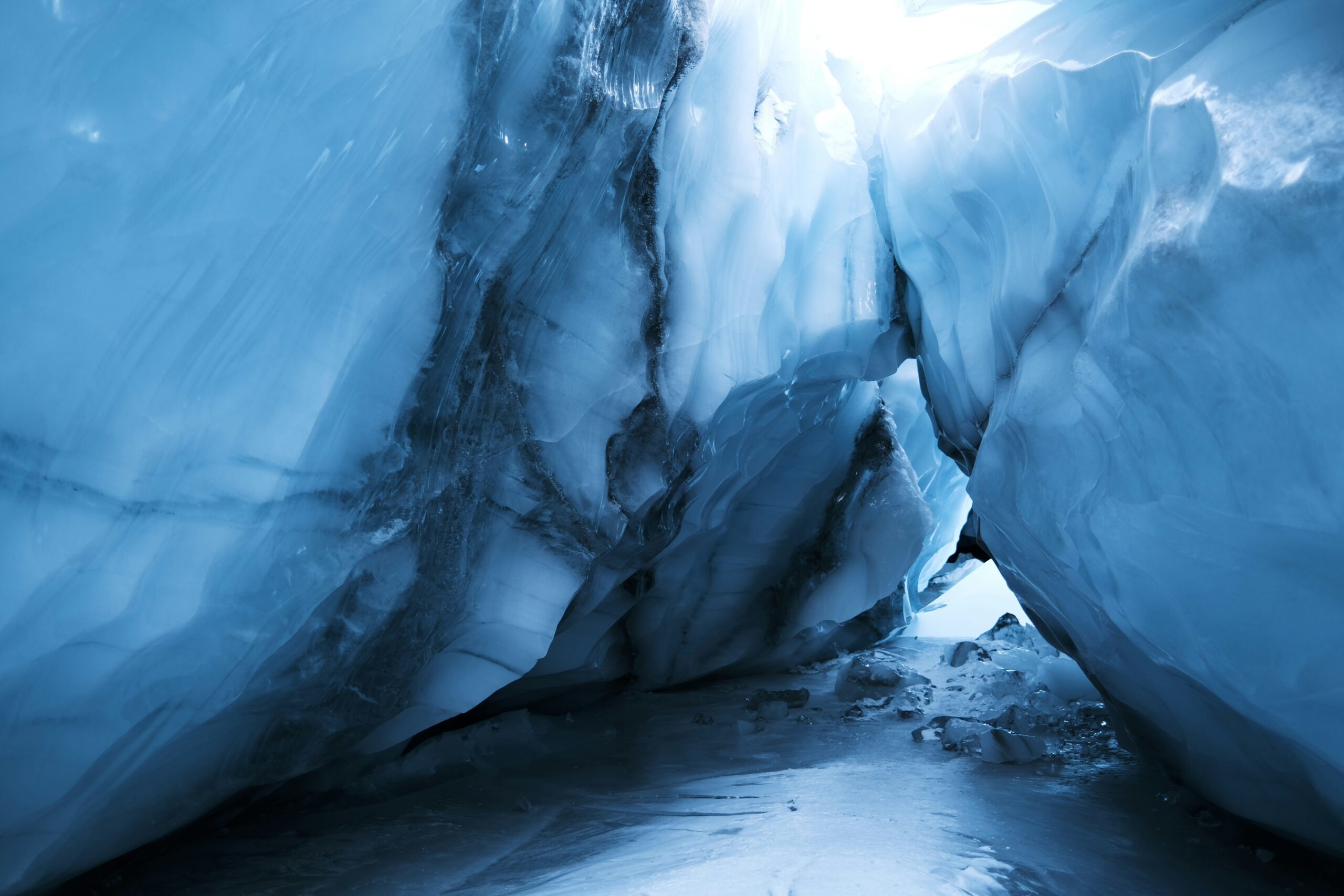
The biting wind, a constant companion in the high Arctic, howled across the desolate landscape. For centuries, the frozen expanses of northern Greenland had guarded their secrets jealously, their sheer inaccessibility and brutal climate a formidable barrier to human exploration. Yet, beneath the seemingly uniform surface of ice, a hidden world beckoned. Recent advancements in glaciological surveying and subsurface imaging technologies have begun to peel back the layers of this frozen veil, revealing vast, intricate, and previously unmapped subterranean cavern systems. These colossal ice caves, carved by millennia of subglacial meltwater, are not merely geological curiosities; they are time capsules, preserving an astonishing record of Earth’s prehistoric past, offering unprecedented insights into ancient ecosystems, climate shifts, and the very origins of life.
Echoes from the Deep Freeze
The discovery of these extensive subglacial cavern systems marks a paradigm shift in our understanding of polar environments. Traditionally, research focused on the surface ice sheet, its thickness, flow dynamics, and atmospheric interactions. However, the realization that significant liquid water systems could persist beneath kilometers of ice, shielded from the surface climate, opened a new frontier. These subglacial environments, characterized by perpetual darkness, immense pressure, and unique chemical compositions, represent extreme habitats where life, if it exists, must be remarkably resilient.
The Mechanics of Subglacial Plumbing
The formation of these vast cavern networks is a testament to the dynamic nature of glaciers and ice sheets. For eons, geothermal heat from the Earth’s mantle, coupled with frictional heat generated by the ice’s movement over bedrock, has allowed for pockets of liquid water to exist at the ice-bed interface. This subglacial meltwater, under immense pressure, finds pathways through existing cracks and fractures in the bedrock, gradually eroding and expanding them into interconnected tunnels and chambers. Over geological timescales, these processes have sculpted an intricate network of drainage systems, some extending for hundreds of kilometers, creating a hidden plumbing system beneath the ice. The sheer scale of these formations is staggering, with some chambers rivaling cathedrals in their size and complexity. The precise mechanisms of their formation, including the role of bedrock topography, ice sheet thickness, and meltwater volume, are still being actively investigated. Advanced radar and seismic imaging techniques, capable of penetrating the ice sheet, have been crucial in mapping the extent and geometry of these subglacial voids, revealing a labyrinthine structure that belies the seemingly placid surface.
Unexpected Havens for Life
The most profound revelation from these unmapped cavern systems is the undeniable evidence of life. While the conditions are extreme – sub-zero temperatures, high pressure, and complete absence of sunlight – microbial communities have been found thriving in these isolated environments. These organisms, often chemosynthetic, meaning they derive energy from chemical reactions rather than photosynthesis, represent a unique branch of Earth’s biosphere. Their survival in such seemingly inhospitable conditions challenges our definitions of habitability and offers tantalizing clues about the potential for life on other icy celestial bodies within our solar system and beyond. Genetic analyses of these extremophiles reveal ancient lineages, suggesting they have evolved in isolation for millions of years, adapting to a stable, albeit challenging, environment.
Recent studies into unmapped freezing cavern systems have shed light on the prehistory of various regions, revealing how these hidden environments may have influenced early human habitation and migration patterns. For a deeper understanding of the broader implications of environmental changes on human societies, you can explore the article on the urgent need for action regarding the Sub-Saharan Africa crisis at this link. This article discusses the critical challenges faced by communities in the region, which can be paralleled with the historical adaptations of early humans to extreme environments.
Unveiling Prehistoric Climates

The ice itself, acting as a geological archive, holds invaluable data about past climates. Trapped within its layers are air bubbles, dust particles, and chemical signatures that provide a detailed, year-by-year record of atmospheric composition, temperature fluctuations, and volcanic activity stretching back hundreds of thousands, even millions, of years. When combined with the geological context of the cavern systems, these records offer an unparalleled opportunity to reconstruct ancient climatic regimes.
Ice Cores: Whispers from a Vanished World
The most direct method of accessing prehistoric climate data is through the extraction of ice cores. These cylindrical samples, drilled from deep within the ice sheet, are meticulously analyzed to reveal a wealth of information. The composition of trapped air bubbles indicates past atmospheric concentrations of greenhouse gases like carbon dioxide and methane, directly correlating with global temperatures. Isotopes of oxygen and hydrogen in the ice itself provide a proxy for past temperatures. Furthermore, impurities within the ice, such as volcanic ash, dust, and even pollen, offer insights into past geological events, atmospheric circulation patterns, and the types of vegetation that existed on the land surface, now long buried. The cavern systems provide a unique context for these ice cores, as they are formed by meltwater processes that can influence the ice structure and potentially preserve older ice layers that might be disturbed or lost in surface coring operations.
Sediments: The Frozen Footprints of Ecosystems
The bedrock beneath the ice sheet, where the cavern systems are carved, often harbors layers of sediment. These sediments, deposited by subglacial meltwater and sometimes incorporating material from the ancient land surface before glaciation, are rich in fossilized evidence of past life. Microscopic organisms, such as diatoms and foraminifera, along with fragments of plants and even animal remains, can be preserved in these frigid conditions. The study of these fossil assemblages allows scientists to reconstruct the ecosystems that existed prior to and during glacial periods. For example, finding pollen from temperate forests in sediments beneath a modern ice sheet would indicate a significantly warmer past climate. Similarly, the discovery of marine fossils would suggest that the ice sheet advanced over a coastline, providing crucial data on past sea levels and ice sheet extent. The intricate network of caverns acts as a conduit, transporting and depositing these sediments, thereby creating localized pockets of preserved ancient environments.
The Search for Ancient Life Forms
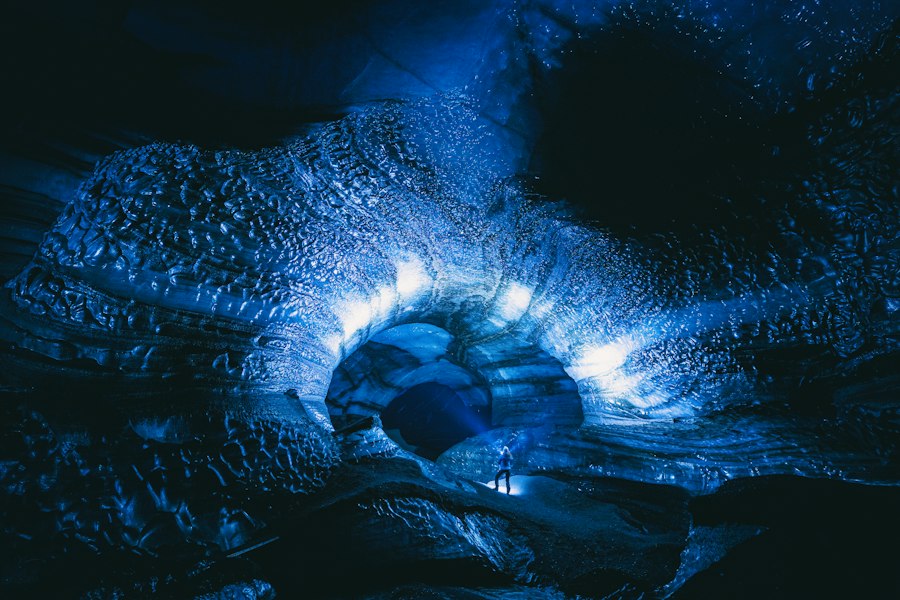
The discovery of extremophiles in the subglacial meltwater has ignited a fervent interest in the potential for uncovering even more complex and ancient forms of life within these isolated systems. The unique evolutionary pressures and long periods of isolation suggest that these caverns could harbor organisms with novel biochemical pathways and adaptations unlike anything seen on the surface.
Microbial Frontiers: Chemosynthesis and Survival
The microbial life discovered so far in these subglacial environments is predominantly chemosynthetic. Organisms such as bacteria and archaea derive energy from the oxidation of inorganic compounds found in the bedrock and meltwater, such as sulfur, iron, and methane. This process allows them to thrive in the absence of sunlight, a stark contrast to the photosynthetic life that dominates Earth’s surface. The genetic makeup of these microbes is of particular interest, as it sheds light on the early evolution of life on Earth and the potential for life to arise and persist in similar environments on other planets. Researchers are actively culturing these microbes in laboratories to study their metabolic processes, their resistance to extreme conditions, and their unique enzymes, which could have applications in various industries, from medicine to biotechnology.
The Shadow of Past Giants: Paleontological Possibilities
While the primary focus has been on microbial life, the possibility of finding more complex fossilized organisms cannot be discounted. If these cavern systems have remained relatively stable for extended periods, they could potentially preserve larger fossil remains that were swept into the subglacial environment during glacial advances. Evidence of ancient terrestrial or marine fauna, or even preserved plant material, would provide invaluable snapshots of prehistoric biodiversity. Such discoveries would offer a more tangible connection to past ecosystems and could revolutionize our understanding of evolutionary history. The challenge lies in the difficult access to these remote locations and the delicate nature of potential fossil finds within the ice and sediment matrix.
Technological Innovations in Exploration
Exploring these remote and hazardous subglacial environments presents significant logistical and technological hurdles. The development and application of cutting-edge technologies have been instrumental in overcoming these challenges, allowing scientists to peer into the abyss without directly venturing into its most dangerous depths.
Geophysical Tools: Mapping the Invisible
A suite of advanced geophysical tools is essential for mapping these hidden worlds. Ground-penetrating radar (GPR) and ice-penetrating radar, deployed from aircraft or over-snow vehicles, can create detailed images of the ice sheet’s base and identify large voids beneath. Seismic surveys, which analyze how seismic waves travel through the ice and bedrock, can provide information about the structure and density of the subglacial environment, helping to delineate cavern boundaries and identify potential areas of interest. Magnetometers and gravimeters can also contribute to understanding the subsurface geology, potentially revealing mineral deposits or geological features that influence meltwater flow and cavern formation. These non-invasive techniques allow for extensive mapping of vast areas without the need for direct human entry, minimizing risks and maximizing the scope of exploration.
Robotics and Remote Sensing: Venturing into the Dark
Once potential cavern systems are identified, the next step involves direct observation and sampling. This is where advanced robotics and remote sensing technologies become indispensable. Autonomous underwater vehicles (AUVs) or remotely operated vehicles (ROVs), equipped with cameras, sonar, and sampling instruments, can be deployed through boreholes drilled into the ice. These robotic explorers can navigate the subglacial waterways, capture high-resolution imagery, collect water and sediment samples, and even perform in-situ measurements of temperature, pressure, and chemical composition. Miniaturized drilling systems capable of reaching significant depths with minimal ice disturbance are also crucial for accessing these environments. The development of ice-coring drills that can also function as deployment systems for robotic probes is a significant technological advancement, allowing for a more integrated approach to subglacial exploration.
Recent discoveries in unmapped freezing cavern systems have shed light on prehistory, revealing how ancient civilizations adapted to extreme environments. These findings not only enhance our understanding of human resilience but also connect to broader themes of societal dynamics. For a deeper exploration of how social structures can collapse under pressure, you may find this article on the archaeology of social collapse insightful. Check it out here.
Implications for Astrobiology and Beyond
| Metric | Description | Estimated Value | Notes |
|---|---|---|---|
| Number of Unmapped Caverns | Estimated count of freezing cavern systems not yet mapped | 150 – 300 | Based on regional geological surveys |
| Average Depth | Mean depth of freezing cavern systems | 50 – 120 meters | Varies by location and geological formation |
| Age (Prehistory) | Estimated age range of cavern formation | 10,000 – 50,000 years | Determined by sediment and ice core analysis |
| Ice Volume | Average volume of ice preserved in caverns | 500 – 2,000 cubic meters | Important for paleoclimate studies |
| Temperature Range | Typical temperature range inside freezing caverns | -5°C to -15°C | Maintained by natural insulation and permafrost |
| Preservation State | Quality of ice and sediment preservation | Good to Excellent | Varies with cavern stability and external climate |
The discoveries within Greenland’s unmapped freezing cavern systems hold profound implications far beyond Earth’s polar regions. They provide compelling analogues for the potential habitats of extraterrestrial life, particularly on icy moons such as Europa (Jupiter) and Enceladus (Saturn), which are believed to harbor vast subsurface oceans.
Earth’s Analogues for Extraterrestrial Habitats
The existence of thriving chemosynthetic ecosystems beneath kilometers of ice on Earth strongly supports the hypothesis that similar life could exist in the subsurface oceans of icy moons. These moons, bathed in radiation at their surfaces, would find refuge and potential sustenance in their dark, liquid water interiors. The study of Greenland’s subglacial life helps scientists refine their search strategies and develop the analytical techniques needed to detect biosignatures on other worlds. Understanding the specific geochemical conditions that support life in these terrestrial caves provides a roadmap for interpreting data from future missions to Europa and Enceladus, guiding the design of scientific instruments and the interpretation of their findings.
The Future of Subglacial Research
The exploration of Greenland’s unmapped freezing cavern systems is still in its nascent stages. As technology continues to advance, the potential for even more significant discoveries is immense. Future research will likely focus on: expanding the mapping of these cavern networks to cover larger areas of the ice sheet; developing more sophisticated autonomous sampling and analysis systems for robotic exploration; and undertaking more detailed genetic and biochemical studies of the discovered extremophiles to understand their evolutionary history and metabolic capabilities. The long-term monitoring of these systems will also be crucial for understanding how they respond to ongoing climate change and the potential impacts on their unique ecosystems. The secrets held within these frozen depths represent a frontier of scientific discovery, promising to rewrite our understanding of life’s resilience, Earth’s past, and the potential for life beyond our planet.

Life 20,000 Years Ago: The Ultimate Ice Age Fight to Survive
FAQs
What are unmapped freezing cavern systems?
Unmapped freezing cavern systems are underground networks of caves and tunnels that have not been fully explored or documented, typically located in cold regions where temperatures remain below freezing.
How do unmapped freezing cavern systems form?
Unmapped freezing cavern systems are formed through a combination of geological processes such as erosion, tectonic activity, and the freezing and melting of water over thousands of years.
What is the significance of studying unmapped freezing cavern systems in prehistory?
Studying unmapped freezing cavern systems in prehistory can provide valuable insights into the climate, environment, and human activities of ancient civilizations that inhabited these underground spaces.
What challenges do researchers face when exploring unmapped freezing cavern systems?
Researchers exploring unmapped freezing cavern systems encounter challenges such as extreme cold temperatures, limited visibility, treacherous terrain, and the risk of encountering unstable ice formations or hidden crevices.
How can the discovery of unmapped freezing cavern systems contribute to our understanding of prehistoric cultures?
The discovery of unmapped freezing cavern systems can offer new archaeological evidence, artifacts, and insights into the daily lives, rituals, and beliefs of prehistoric cultures that utilized these underground spaces for shelter, storage, or religious purposes.