The Heartwood of Durability: Selecting the Ideal Wood
The spear shaft, the silent partner to the deadly point, relies fundamentally on the strength and resilience of its wooden core. Ancient craftspeople, without the benefit of modern forestry science, possessed an intuitive and deeply practical understanding of wood’s properties. Their selection process was not one of mere convenience but of meticulous observation and empirical knowledge passed down through generations. The goal was to find wood that offered a potent combination of tensile strength, flexibility, resistance to rot and insect damage, and a manageable weight.
Understanding Wood Anatomy and Properties
To appreciate the ancient artisans’ choices, one must first grasp the fundamental characteristics of wood. Wood is a complex organic material, primarily composed of cellulose and lignin, which provide its structural integrity. The arrangement of these fibers, the presence of knots, grain patterns, and moisture content all contribute to its overall performance. Ancient woodworkers would have been acutely aware of these nuances, even if they lacked the scientific terminology. They understood that the grain of the wood was paramount. Straight, uniform grain meant less susceptibility to splitting along its length, a critical factor for a shaft under considerable stress. Interlocking grain, while potentially beautiful, could be harder to work and might introduce subtle weaknesses.
The Importance of Grain Direction
The direction of the wood’s grain, often referred to as the ‘run,’ was a primary consideration. Spears were typically crafted from wood with a straight, unidirectional grain. This meant the fibers ran parallel to the length of the shaft. This alignment allowed the wood to withstand the forces exerted during throwing, thrusting, and impact without fracturing. Imagine a bundle of straws; they are easily bent and broken when bent perpendicular to their length, but remarkably strong when compressed or pulled along their length. This is the principle at play with straight-grained wood. Any deviation from this straight run, such as a ‘wild’ grain or a knot that disrupted the fiber alignment, was a red flag. Knots, while sometimes aesthetically pleasing, create areas of weakness. The wood fibers diverge around the knot, disrupting the uniform strength of the shaft. Ancient craftsmen would have actively sought out wood free from such imperfections, or strategically worked around minor knots, understanding their potential to become failure points.
Density and Strength: A Balancing Act
The density of a wood is often directly correlated with its strength. Denser woods generally possess higher tensile and compressive strength. However, density also translates to weight. A spear shaft that is too heavy would be cumbersome to wield and significantly reduce throwing range and accuracy. Therefore, a delicate balance had to be struck. Woods that were both dense and relatively lightweight were highly prized. This required a deep understanding of local flora and the specific characteristics of different tree species. The artisan’s eye would have assessed not only the grain but also the overall feel and heft of a potential shaft blank. They knew that a shaft that felt too light might be prone to breaking, while one that felt excessively heavy would compromise its usability.
The Subtle Art of Seasoning
The process of drying or “seasoning” wood was perhaps one of the most crucial, yet often invisible, aspects of ancient woodworking. Green wood, freshly cut from a living tree, contains a significant amount of moisture. This moisture, as it evaporates over time, causes the wood to shrink, warp, and become prone to cracking. Ancient craftspeople understood that wood needed to “rest” and dry properly before being shaped into a functional tool. This seasoning process was not a hasty affair but often involved careful stacking of timbers in well-ventilated areas, protected from direct sun and rain. The duration of seasoning could range from several months to several years, depending on the wood species and environmental conditions. This patient approach ensured that the wood achieved a stable moisture content, minimizing the risk of deformation and splitting during the crafting process and, more importantly, during the spear’s use.
Ancient woodworking techniques have played a crucial role in the crafting of spear shafts, showcasing the ingenuity and skill of early artisans. For those interested in exploring the historical context and methods behind these techniques, a related article can provide valuable insights. You can read more about the impact of traditional craftsmanship on modern practices in this article: The Impact of the 16 USMCA Wage Requirement.
Masterful Shaping: Tools and Techniques for Perfection
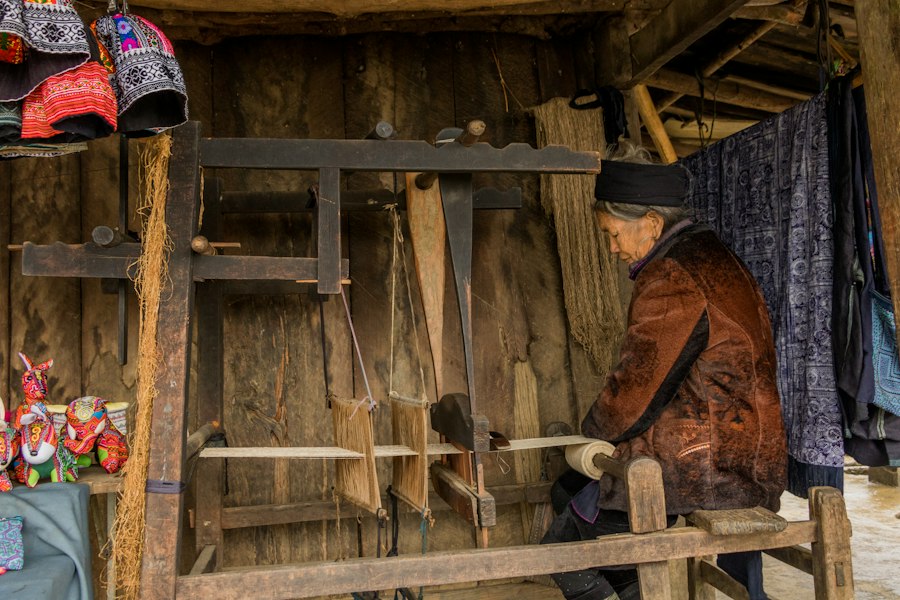
Once the ideal wood was selected and seasoned, the true artistry of crafting a durable spear shaft began. Ancient woodworking relied on a relatively simple toolkit, but the skill and precision with which these tools were employed were extraordinary. Through a combination of scraping, shaving, and abrasion, artisans meticulously shaped the raw timber into a perfectly balanced and incredibly strong projectile. This process was iterative, requiring constant assessment of the shaft’s form and balance.
The Humble yet Mighty Axe and Adze
The foundational tools for rough shaping were the axe and the adze. The axe, with its sharp blade, was used for felling trees and for initial rough hewing of logs into more manageable lengths. For shaping the shaft, a small, well-balanced axe, often referred to as a hand-axe or hatchet, would have been employed to remove large amounts of material and to begin rounding the initial shape. The adze, a tool with an arched blade set at a right angle to the handle, was particularly effective for hollowing and shaping curved surfaces, and for creating the initial cylindrical form of the shaft. Working with an adze required considerable skill, as it was used with a chopping motion, taking shallow, controlled cuts to gradually remove wood. The artisan would turn the log and chip away material from all sides, working towards a rough cylindrical shape.
Controlled Carving with Knives and Scrapers
Following the rough shaping with axes and adzes, more refined work was undertaken with knives and scrapers. A variety of knives, from small, sharp carving knives to larger, more robust blades, were used for finer shaping, smoothing, and tapering. The emphasis here was on taking thin, controlled shavings, gradually refining the shaft’s diameter and ensuring a consistent taper from butt to tip. Scrapers, often made from sharpened bone, shell, or stone, were also employed to further smooth the surface and remove any irregularities left by the knives. This stage was crucial for achieving the desired balance and ensuring a comfortable grip. The artisan would constantly roll the shaft in their hands, feeling for any lumps or inconsistencies, and meticulously scraping them away. The goal was to create a surface that was not only smooth but also perfectly symmetrical.
The Art of Straightening and Perfecting
Even with the most carefully selected wood, minor imperfections and subtle warps could persist. Ancient woodworkers developed ingenious methods for straightening and perfecting the spear shaft, ensuring it flew true. These techniques often involved the judicious application of heat and moisture, combined with controlled pressure.
Harnessing Heat and Moisture for Straightness
One common method involved heating the shaft, either over a controlled fire or using heated stones, and then applying gentle, steady pressure to bend the wood in the desired direction. The heat would make the wood more pliable, allowing it to be slowly coaxed into a straighter form. Moisture could also be employed, either by wetting the warped area or by steaming the shaft, to further enhance its flexibility. The key was a slow, deliberate process. Rapid heating or excessive force could easily cause the wood to scorch or break. The artisan would heat a section, apply pressure, hold it until it cooled and set, and then repeat the process, making incremental adjustments until the shaft was as straight as possible. This required immense patience and a keen understanding of how wood behaved under heat and stress.
The Role of Abrasion and Polishing
Once the shaft was shaped and straightened, the final stages involved smoothing and polishing. This was achieved through abrasion with various materials. Sandstone, rough plant fibers, or even fine-grained animal hides could be used to create a smooth, polished surface. This not only improved the aesthetic appeal but also reduced drag during flight, contributing to better aerodynamic performance. A smooth shaft was also less likely to snag on clothing or vegetation, making it a more reliable tool in practical use. The polishing process also served to reveal the natural beauty of the wood grain, a testament to the artisan’s skill.
Reinforcing Strength: Binding, Sealing, and Protection

The durability of a spear shaft extended beyond its initial shaping. Ancient craftspeople understood the importance of reinforcing its structure and protecting it from the elements and the rigors of use. A variety of binding, sealing, and treatment techniques were employed to enhance its longevity and performance.
Strategic Reinforcement with Natural Materials
The junction between the spearhead and the shaft, and the butt end of the shaft, were areas of particular stress. Ancient artisans recognized this and implemented reinforcement strategies. Strips of rawhide, sinew, or tough plant fibers were often tightly wrapped around these critical points. When these materials dried, they contracted, creating an incredibly strong and secure binding. This binding not only prevented the shaft from splitting at these points but also provided a secure anchor for the spearhead. The rawhide, in particular, would harden to a wood-like consistency, offering significant protection.
The Art of Sinew and Hide Wrapping
Sinew, the strong tendons found in the legs of animals, was a prized material for binding. It was typically dried, pounded to separate the fibers, and then used as a strong thread. Wrapped tightly around the shaft, often over a layer of natural adhesive like pine pitch, sinew created an incredibly resilient bond. Rawhide, treated and softened, was also a common choice. It would be cut into strips and wrapped wet, then allowed to dry and shrink, forming a rigid casing. The overlapping layers of these materials added significant tensile strength to the shaft, preventing it from deforming or breaking under impact.
Protecting the Wood: Natural Sealants and Treatments
Wood, being an organic material, is susceptible to rot, insect infestation, and moisture damage. Ancient woodworkers developed methods to protect their creations using readily available natural resources. These treatments not only extended the lifespan of the spear but also improved its water resistance and prevented decay.
The Efficacy of Animal Fats and Natural Resins
Animal fats, such as tallow or rendered lard, were often applied to the surface of the wood. These fats would soak into the pores, creating a barrier against moisture. Pine pitch and other natural resins, obtained from trees, were also widely used. When heated and applied, these resins would harden, forming a protective, waterproof coating. Sometimes, these resins were mixed with ash or fine sand to create a more durable, textured surface. The application of these sealants was often done in multiple layers, ensuring thorough coverage and maximum protection. These treatments also served to enhance the grip of the shaft, preventing it from becoming slippery when wet.
The Mysterious World of Wood Smoking
Evidence suggests that some cultures may have employed smoking as a method of wood preservation and strengthening. Smoking wood, typically over slow-burning hardwoods, could impart a degree of preservation, making it more resistant to decay and insect attack. The process might also have subtly altered the wood’s structure, making it more dense and less prone to warping. While the exact techniques and the full extent of this practice are still subjects of research, it represents another facet of the sophisticated understanding ancient peoples had of wood’s properties and how to manipulate them for enhanced durability.
Balancing the Flight: The Crucial Role of Equilibrium
A durable spear shaft is of little use if it cannot be thrown effectively. Achieving proper balance, or equilibrium, was a paramount concern for ancient artisans. An unbalanced spear would wobble in flight, reducing accuracy and power. This balance was achieved through meticulous shaping, careful placement of the spearhead, and sometimes, intentional counterweights.
The Art of the Perfect Taper
The taper of the spear shaft was not merely an aesthetic choice; it was fundamental to its aerodynamic performance. A well-tapered shaft generally becomes thinner towards the tip. This distribution of mass influences how the spear moves through the air. The point of balance, or center of gravity, needed to be strategically located, usually a third of the way up from the spearhead, to ensure stable flight. Artisans would achieve this taper through painstaking scraping and shaving, constantly checking the balance point by resting the shaft on their fingers.
Fine-Tuning the Weight Distribution
The weight of the spearhead itself played a significant role in the overall balance. Different spearhead designs and materials would necessitate adjustments in the shaft’s thickness and taper to achieve the desired equilibrium. For instance, a heavier bronze or stone head might require a slightly thicker or more uniformly weighted shaft compared to a lighter, obsidian point. The artisan’s skill lay in anticipating these factors and shaping the shaft accordingly. They understood that a slight adjustment in the shaft’s diameter could significantly alter its balance point, and they possessed the tactile sensitivity to make these adjustments with precision.
The Impact of Butt Design and Counterbalancing
The butt end of the spear shaft was not an afterthought. In some cases, it was deliberately weighted or shaped to contribute to the overall balance. This could involve embedding small stones or pieces of metal into the butt end, or shaping it to a specific density. In other instances, the butt might be shaped to provide a comfortable handhold for thrusting techniques, or to be used as a secondary weapon. The goal was always to ensure that the spear felt “right” in the hand, allowing for controlled and accurate propulsion. The careful consideration given to the butt end further highlights the holistic approach ancient woodworkers took to crafting their tools.
Ancient woodworking techniques played a crucial role in the crafting of spear shafts, allowing early humans to create effective tools for hunting and defense. These methods often involved selecting the right type of wood and employing specific carving techniques to enhance the durability and functionality of the spear. For those interested in exploring how ancient practices influenced survival strategies, a fascinating article discusses various rituals that were believed to ensure abundance during times of scarcity. You can read more about these intriguing traditions in the article on surviving famine.
Legacy of Resilience: Enduring Lessons from Ancient Craftsmanship
| Technique | Description | Materials Used | Tools Required | Advantages | Common Regions |
|---|---|---|---|---|---|
| Whittling | Shaping the spear shaft by carving thin slices of wood using a sharp blade. | Hardwoods like ash, hickory, or oak | Flint or metal knives | Precise shaping, smooth finish | Europe, North America |
| Fire Hardening | Exposing the spear tip or shaft to controlled fire to harden the wood fibers. | Wood shafts from various trees | Fire source (charcoal, embers) | Increased durability and penetration | Worldwide |
| Splitting and Straightening | Splitting wood into shafts and straightening by bending and heating. | Flexible hardwoods | Heat source, clamps or bindings | Ensures straight, strong shafts | Africa, Asia |
| Peeling | Removing bark and outer layers to reveal smooth wood underneath. | Softwoods and hardwoods | Knives, scrapers | Reduces weight and improves grip | Global |
| Binding and Reinforcement | Wrapping shafts with sinew or plant fibers to reinforce joints or tips. | Sinew, plant fibers, resin | Hands, simple tools for wrapping | Increases shaft strength and durability | Indigenous cultures worldwide |
The techniques employed by ancient woodworkers for crafting durable spear shafts are a testament to their ingenuity, their deep understanding of natural materials, and their commitment to creating tools that were both effective and long-lasting. While modern technology offers us a plethora of synthetic alternatives, the principles of careful material selection, meticulous shaping, and thoughtful protection remain relevant. The enduring resilience of these ancient designs speaks volumes about the wisdom of traditional crafts and the enduring power of skilled hands working in harmony with nature.
The Timeless Principles of Woodworking
The core tenets of ancient woodworking – patience, observation, and a respect for the material – are lessons that transcend time. The meticulous seasoning of wood, the careful assessment of grain, the controlled application of force, and the protective treatments are all foundational principles that contribute to the longevity and performance of any wooden object. These ancient methods, born out of necessity and refined through millennia of practice, offer a blueprint for creating objects of lasting value. They remind us that true craftsmanship lies not in speed or novelty, but in a deep understanding of materials and a dedication to excellence.
Reinterpreting Ancient Knowledge for Modern Applications
Modern woodworkers can glean invaluable insights from these ancient techniques. While we may have power tools and advanced finishing products, the understanding of wood’s inherent properties and the patient, deliberate approach to shaping and protecting it can significantly improve the durability and beauty of our own creations. Whether it is crafting furniture, tools, or even artistic pieces, applying the principles of proper seasoning, straight-grain selection, and protective natural finishes can result in objects that are not only aesthetically pleasing but also possess a profound and enduring resilience. The legacy of ancient spear shaft craftsmanship is a powerful reminder of the enduring value of skill, patience, and a profound connection to the natural world.

Life 20,000 Years Ago: How Humans Survived the Ice Age
FAQs
What materials were commonly used for spear shafts in ancient woodworking techniques?
Ancient woodworkers commonly used materials such as ash, oak, hickory, and pine for crafting spear shafts due to their strength and flexibility.
How were ancient woodworkers able to shape spear shafts without modern tools?
Ancient woodworkers used a variety of tools such as flint knives, chisels, and scrapers to shape spear shafts through techniques like carving, scraping, and sanding.
Were there any specific designs or patterns used in ancient woodworking techniques for spear shafts?
Ancient woodworkers often incorporated intricate carvings, engravings, or burn patterns into spear shafts to add both aesthetic appeal and functional grip for the user.
What were some common finishing techniques used on spear shafts in ancient woodworking?
Ancient woodworkers would often apply natural oils, resins, or waxes to the finished spear shafts to protect the wood from moisture, increase durability, and enhance the overall appearance.
How did ancient woodworkers ensure the straightness and balance of spear shafts in their crafting process?
Ancient woodworkers would carefully select and season the wood, then use techniques such as heat straightening or balancing the weight distribution to ensure the spear shafts were straight and well-balanced for effective use.