The keen eyes of Paleolithic humans, honed by generations of survival, were adept at spotting the finest raw materials for their survival. Among the most crucial of these was flint, a remarkably hard and brittle sedimentary rock that could be fractured to produce razor-sharp edges. The ability to identify and procure high-quality flint was not a matter of chance but a deliberate and sophisticated process, deeply embedded in the daily lives and cognitive abilities of our ancient ancestors. Their selection criteria were refined through millennia of trial and error, passed down through observation and practice, and ultimately dictated by the demands of crafting effective tools for hunting, butchering, shelter construction, and defense. Understanding how they chose their flint offers a profound glimpse into the practical intelligence and adaptive strategies of early hominins.
The Intrinsic Qualities of Superior Stone
Paleolithic toolmakers sought flint not for its aesthetic appeal, but for its inherent physical properties that facilitated the creation of functional tools. The paramount characteristic was its conchoidal fracture, a property that allows the stone to break in a predictable, shell-like manner, producing curved surfaces and sharp edges. Not all rocks exhibit this behavior. Igneous rocks like granite, for example, tend to fracture irregularly, creating rough, unpredictable breaks unsuitable for sharp tools. Sedimentary rocks like limestone are often too soft or porous. Flint, a form of microcrystalline quartz (silica), possesses the ideal combination of hardness and brittleness. Its dense, homogeneous structure minimizes internal flaws that could lead to unpredictable fractures. This predictable breakage was the foundation upon which all Paleolithic stone tool industries were built.
Grain Size and Homogeneity
The microscopic structure of flint played a significant role in its quality. While seemingly uniform to the naked eye, variations in grain size and the presence of impurities could dramatically affect flaking properties. Finer-grained flint, with uniformly sized microcrystals, generally yielded sharper and more predictable flakes. Larger, irregularly sized grains or the presence of other minerals could introduce weaknesses, leading to unpredictable breaks, stepped fractures (where the fracture surface is uneven), or even shattering during the knapping process. Toolmakers, through experience, would have developed a tactile and visual understanding of these microstructural differences. Holding a potential nodule, feeling its weight and density, and observing its surface texture would have provided clues to its internal consistency.
Absence of Internal Flaws and Inclusions
The most desirable flint was free from internal cracks, fissures, or inclusions of other minerals. Such flaws acted as stress concentrators. When subjected to the percussive force of a hammerstone, these flaws would propagate uncontrollably, resulting in a broken piece of raw material rather than a useful flake or tool blank. Imagine trying to shape a delicate stone tool with a rock riddled with tiny cracks – it would be an exercise in futility. Paleolithic knappers likely developed an intuitive understanding of how to “read” the stone, identifying areas that might be problematic based on external cues like subtle color variations, slight surface irregularities, or even the sound the stone made when tapped. A dull, dead sound might suggest internal fracturing, while a clear, ringing sound could indicate a more solid, homogeneous piece.
Color as an Indicator
While not as critical as fracture mechanics, color could also serve as a rudimentary indicator of flint quality for Paleolithic humans. Certain colors, such as dark gray, black, or deep brown, were often associated with denser, less porous flint. Lighter colors, like white or light gray, could sometimes indicate a less pure or more porous variety, though this was not a universal rule. The presence of fossils or mineral staining could also affect color. Experienced knappers might have developed regional preferences for certain colors that consistently yielded good results, correlating specific hues with desirable lithological properties.
Paleolithic humans demonstrated remarkable skill in selecting high-quality flint for tool-making, a practice that reflects their deep understanding of the materials available in their environment. This selection process not only involved recognizing the physical properties of flint, such as its hardness and ability to be shaped into sharp edges, but also required knowledge of the geological formations where the best flint could be found. For a broader perspective on how historical practices can inform our understanding of contemporary issues, including resource selection and sustainability, you can read more in the article “Learning from History: Historical Parallels in the Climate Crisis” available at this link.
Sources of Superior Stone

The availability and location of high-quality flint were critical determinants of settlement patterns and migration routes for Paleolithic groups. They did not simply pick up the nearest piece of rock; they actively sought out specific geological formations known to produce superior lithic materials. This knowledge was vital for long-term survival and cultural continuity.
Riverine Deposits and Gravel Beds
Rivers and streams are natural agents of erosion and transportation. Over vast timescales, they wear down rocks and deposit them in gravel beds. Flint nodules, often rounded by the action of water and abrasion, could be found in abundance in these locations. Riverine environments offered a readily accessible source of relatively well-sorted and sometimes pre-fractured flint, making collection and initial processing more efficient. Paleolithic peoples would have learned to recognize the types of geological contexts where these deposits were likely to occur, following watercourses to exploit these valuable resources.
Exposed Geological Outcrops
In certain landscapes, geological uplift and erosion expose layers of bedrock containing flint. Cliffs, hillsides, and quarries created by natural processes were prime locations for sourcing raw material. These outcrops offered the opportunity to select nodules directly from their parent rock, potentially allowing for the assessment of the flint’s quality in situ. This method might have provided access to larger, less weathered nodules than those found in riverbeds. The discovery and exploitation of such outcrops were likely significant events, establishing long-term access points for tool-making materials.
Coastal Environments and Glacial Deposits
In regions shaped by ancient coastlines or glacial activity, flint can be found in significant quantities. Coastal erosion can expose flint seams, while glaciers, powerful agents of geological change, transported and deposited vast amounts of rock, including flint, over wide areas. Glacial till, a heterogeneous mixture of clay, sand, and rock fragments, could contain high-quality flint nodules. Recognizing the geological history of a region would have been an unconscious but essential skill for Paleolithic groups, guiding them to areas rich in desirable lithic materials.
The Art of the Strike: Testing and Shaping
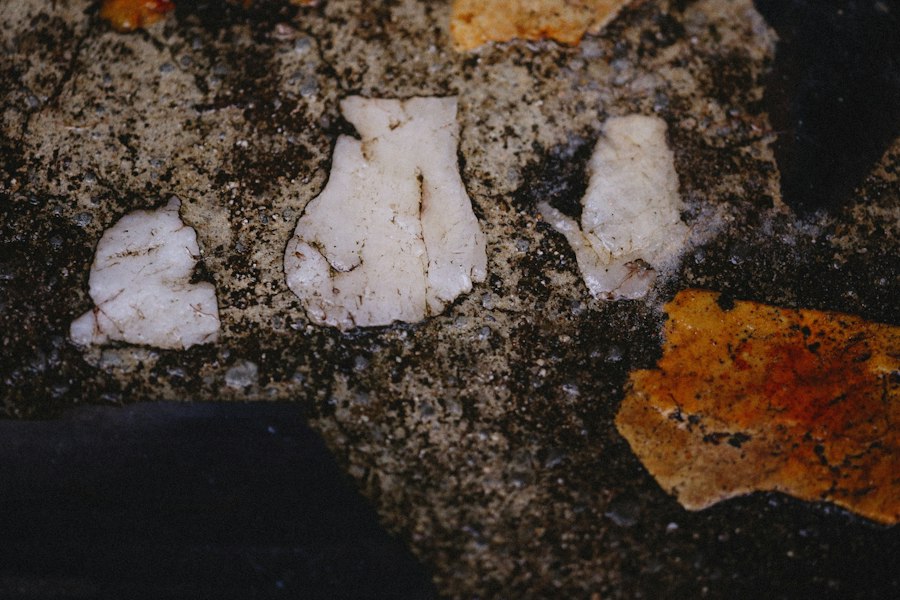
Once a potential source of flint was identified, the next crucial step was to test its suitability and begin the process of shaping it into usable tools. This involved a nuanced understanding of how to induce controlled fractures and assess the resulting materials. The ability to “read” the fracture patterns was paramount.
Percussion and Observation
The most direct way to assess flint was through percussion. A potential nodule would be struck with a hammerstone, a harder, denser stone. The resulting flake, or the way the nodule itself broke, would provide immediate feedback on its quality. A clean, sharp break indicated good material. Irregular fractures, shattering, or the presence of internal stress lines would signal that the stone was unsuitable. This process was not simply random striking; it was a deliberate act of probing and assessing, akin to a modern craftsman testing the grain of wood before cutting.
Flake Morphology and Quality Assessment
The characteristics of the detached flakes were particularly informative. High-quality flint would produce flakes that were relatively thin, with sharp cutting edges. The surface of the flake, known as the ventral surface, would exhibit a clear bulb of percussion – a tell-tale sign of a controlled impact. The absence of step fractures or crushing along the edge of the flake indicated a homogeneous and strong material. Conversely, flakes with rough surfaces, thick cross-sections, or irregular fracture patterns were indicative of inferior raw material. Experienced knappers could discern these subtle differences with remarkable accuracy.
The Importance of the Cortex
The outer layer of a flint nodule, known as the cortex, also provided clues. A thin, well-adhered cortex often suggested a more stable and less weathered nodule. A thick, chalky, or poorly adhered cortex could indicate that the flint had been subjected to extensive weathering or had undergone internal alteration, potentially compromising its flaking qualities. While the cortex was often removed during tool manufacture, its presence and characteristics could be an initial indicator of the quality of the underlying material.
Beyond the Immediate: Long-Distance Sourcing and Trade
The desire for superior flint was so strong that it drove long-distance movement and the development of complex exchange networks among Paleolithic groups. Certain regions were renowned for their exceptionally high-quality flint, and these resources became highly sought after, influencing the mobility and interactions of ancient populations.
Prestige and Performance of Exotic Flints
Some flint sources produced lithic materials that were considered superior to locally available options. These “exotic” flints, perhaps characterized by exceptional sharpness, a striking color, or remarkable homogeneity, may have held a degree of prestige. Tools made from such materials might have been more durable, more efficient, or simply held a greater symbolic value. The acquisition of these rare resources would have been a testament to a group’s skill in sourcing, their social connections, or their successful trade relationships.
Trade Networks and Resource Territories
Archaeological evidence, such as the presence of specific flint types far from their geological origins, strongly suggests the existence of extensive trade networks during the Paleolithic. These networks could operate through direct exchange, reciprocal gifting, or intermediary individuals. The control and access to high-quality flint quarries could have been a source of power and influence for certain groups, shaping territorial boundaries and intergroup relations. The distribution of certain flint types can reveal the extent of social interaction and movement across landscapes spanning hundreds, or even thousands, of kilometers.
The Role of Knowledge and Reputation
The knowledge of where to find the best flint and the reputation of specific quarries or sources would have been passed down through generations. This specialized knowledge would have been a valuable asset, enabling groups to maintain their tool-making capabilities and participate effectively in exchange systems. The discovery of a new, high-quality flint source could have been a significant event, potentially leading to shifts in settlement patterns and increased interaction with neighboring groups.
Paleolithic humans demonstrated remarkable skill in selecting high-quality flint for their tools, a practice that significantly impacted their survival and efficiency in daily tasks. Their ability to identify the best materials was crucial, as it allowed them to create sharper and more durable implements. For a fascinating exploration of ancient ingenuity, you can read about Archimedes’ innovative solar weapon in this related article here, which highlights how ancient civilizations utilized natural resources to enhance their technological capabilities.
The Cognitive and Cultural Foundations of Flint Selection
| Metric | Description | Significance in Flint Selection | Measurement Method |
|---|---|---|---|
| Flint Hardness | Resistance of flint to scratching or abrasion | Higher hardness indicates better durability for tool making | Mohs hardness scale testing |
| Grain Size | Size of the mineral grains within the flint | Finer grains produce sharper and more predictable flakes | Microscopic analysis |
| Fracture Quality | How flint breaks under pressure (conchoidal fracture) | Good fracture quality allows for controlled flaking | Experimental knapping and fracture pattern observation |
| Color Uniformity | Consistency of color throughout the flint nodule | Uniform color often correlates with fewer impurities | Visual inspection |
| Impurity Content | Presence of inclusions or foreign materials within flint | Lower impurities improve flint quality and flaking behavior | Chemical and microscopic analysis |
| Size and Shape of Nodule | Dimensions and form of the flint piece | Larger, well-shaped nodules provide more usable material | Physical measurement and selection |
| Surface Texture | Smoothness and weathering of flint surface | Less weathered surfaces indicate fresher, higher quality flint | Visual and tactile inspection |
The sophisticated process of selecting high-quality flint was not solely a matter of physical skill; it was deeply rooted in the cognitive abilities and cultural transmission of Paleolithic humans. Their understanding of the material world, their capacity for abstract thought, and their ability to learn and teach were all essential components of this critical survival skill.
Memory and Experience
Generations of observing, using, and breaking flint created a vast repository of empirical knowledge. Paleolithic humans possessed remarkable memories, allowing them to recall the characteristics of different flint types, the locations of productive sources, and the techniques for successful knapping. This experiential knowledge, accumulated over countless lifetimes, formed the bedrock of their lithic technology. The success of an individual toolmaker was directly proportional to the depth of their learned experience.
Social Learning and Apprenticeship
The transmission of this knowledge was a fundamentally social process. Young hominins would have learned by observing their elders, imitating their actions, and receiving direct instruction. This process of social learning and apprenticeship was crucial for ensuring that the skills and knowledge necessary for tool manufacture were passed down effectively, maintaining the continuity of their technological traditions. The nuances of striking, the feel of the stone, and the interpretation of fracture patterns were all best taught through direct demonstration and practice within a social context.
Problem-Solving and Innovation
While mastery of existing knowledge was vital, Paleolithic humans were also capable of innovation. When faced with limited access to preferred flint types or the need for specific tool functions, they would have engaged in problem-solving to adapt their techniques or seek out alternative materials. This capacity for creative adaptation and innovation, driven by the constant need to survive and thrive, further refined their understanding and selection of lithic resources. Their technological advancements were not static but evolved in response to environmental pressures and changing needs. The very act of needing a new type of tool could spur exploration for new raw materials that could facilitate its creation.

Life 20,000 Years Ago: How Humans Survived the Ice Age
FAQs
What is flint and why did Paleolithic humans use it?
Flint is a hard, sedimentary form of the mineral quartz that fractures conchoidally, making it ideal for creating sharp tools. Paleolithic humans used flint for making tools and weapons due to its durability and ability to hold a sharp edge.
How did Paleolithic humans identify high quality flint?
Paleolithic humans selected high quality flint based on its color, texture, and ability to produce sharp edges. They looked for flint that was uniform in color, free of impurities, and had a smooth texture.
Where did Paleolithic humans find high quality flint?
Paleolithic humans found high quality flint in specific geological formations such as chalk deposits, riverbeds, and gravel pits. These locations provided access to flint nodules that could be easily extracted and shaped into tools.
What techniques did Paleolithic humans use to extract flint from the ground?
Paleolithic humans used various techniques to extract flint from the ground, including quarrying, digging, and surface collecting. Quarrying involved digging deep pits to access flint nodules, while surface collecting involved picking up flint nodules found on the ground surface.
How did Paleolithic humans test the quality of flint before using it for tool making?
Paleolithic humans tested the quality of flint by conducting percussion tests, striking the flint against a hard surface to observe how it fractured. They also tested the flint’s sharpness by attempting to cut or scrape materials with it to ensure it could hold a sharp edge for tool making.