The biting wind whipped across the frozen tundra, carrying with it the scent of distant pine and the ever-present threat of hunger. For the Paleolithic hunters of this harsh epoch, a failed hunt was not merely an inconvenience; it was a direct confrontation with the unforgiving realities of survival. The mammoth, the reindeer, the woolly rhinoceros – these colossal beasts represented not just sustenance but the very lifeblood of their small, mobile bands. When the carefully laid traps proved empty, when the charging spear missed its mark, the collective breath of the community would tighten, the gnawing fear of starvation a palpable entity. Yet, these were not people destined for passive despair. Their existence was a testament to ingenuity, resilience, and an intimate understanding of their environment, honed over millennia. The aftermath of a failed hunt, therefore, triggered a complex and immediate cascade of adaptive strategies, a testament to their remarkable capacity for survival in one of Earth’s most challenging periods.
The Immediate Repercussions of Empty Hands
The silence that followed the realization of a failed hunt was often more deafening than any roar of a displaced beast. The hours, sometimes days, of meticulous planning, scouting, and tracking, all culminating in an empty larder, represented a significant expenditure of precious energy with no tangible reward. For a group that relied on the surplus of a successful kill to endure lean periods, this setback was acutely felt. The immediate repercussions rippled through the social fabric and the physical landscape.
Energy Conservation and Reduced Activity
The first and most instinctual response to a depleted food supply was a conscious and often unconscious effort to conserve energy. Hunting was an enormously demanding activity, requiring sustained exertion over long distances, often in difficult terrain and extreme weather. With the prospect of a meal diminished, unnecessary movement was curtailed. Individuals would remain closer to their shelters, minimizing travel. Children, usually active participants in foraging and smaller game capture, would be kept near the elders and hearth, their energy reserves also needing careful management. This period of reduced activity was not a sign of laziness, but a calculated strategy to prolong existing resources and await the next opportunity. Every calorie expended needed to be weighed against the diminishing likelihood of immediate replenishment. The physical landscape, usually marked by the tracks of hunters fanning out in pursuit, would fall into a temporary stillness, a silent acknowledgment of the immediate need for conservation.
Psychological Impact and Morale
Beyond the physical, the psychological impact of a failed hunt was profound. The shared anticipation of a feast, the communal effort that fueled the hunt, would turn into disappointment and a gnawing anxiety. In small, close-knit bands, the success or failure of a hunt directly affected everyone. The hunters, having borne the brunt of the physical and mental strain, might experience a sense of personal failure, which could impact their confidence and willingness to take risks in subsequent hunts. Elders, responsible for the well-being of the group, would feel the weight of this responsibility keenly. The subtle cues of unease, the hushed conversations, the less boisterous campfire gatherings – these all spoke to the underlying tension that pervaded the camp. Maintaining morale became as crucial as finding food. Storytelling, a vital part of cultural transmission and social cohesion, would take on an even greater importance, offering a temporary escape from the harsh reality and reinforcing shared values and past successes.
Re-evaluation of Tactics and Resources
A failed hunt was never a solitary event in the minds of these ancient peoples. It was an opportunity for learning, for recalibrating their understanding of the environment and their own capabilities. Immediately following a setback, the hunters and gatherers would engage in a critical re-evaluation of their strategies. What went wrong? Was the tracking inaccurate? Was the chosen hunting ground barren? Were the chosen tactics ill-suited to the specific animal or terrain? These questions would be debated, not with blame, but with a collective desire to improve. The elders, with their vast storehouse of accumulated knowledge, would play a crucial role in this analysis, drawing upon decades of experience. This might involve discussing the migratory patterns of the prey, the subtle signs of their presence, or the effectiveness of different tools and techniques.
In examining the resilience of ice age hunters, it’s fascinating to consider how they managed the challenges of a failed hunt. These early humans developed various strategies to cope with scarcity, such as sharing resources within their communities and relying on foraging for alternative food sources. A related article that delves into the importance of resource management and adaptation in challenging environments can be found at this link. Understanding these survival tactics not only highlights the ingenuity of our ancestors but also provides insights into how modern societies can learn from historical adaptations in the face of adversity.
Diversifying the Foodscape: Beyond the Big Game

While megafauna like mammoths represented the ultimate prize, the survival of Ice Age hunters was rarely dependent on a single source of sustenance. A failed hunt for large game invariably triggered a shift in focus towards a broader spectrum of available food resources. This adaptability, this willingness to exploit a wider “foodscape,” was a hallmark of their success.
Intensified Foraging for Plants and Smaller Animals
When the promise of a large kill evaporated, the pressure would intensify on less conspicuous but more reliable food sources. Foraging for edible plants, roots, berries, and nuts would become a primary activity. Women and children, often the primary gatherers, would spend more time painstakingly searching for these resources. This might involve digging for tubers with sharpened sticks, collecting seeds from grasses, or carefully harvesting seasonal fruits. Similarly, the focus would shift to smaller game. Rabbits, birds, rodents, and fish, while providing less meat per individual, were often more readily available and required less energy expenditure to capture. Snares and traps would be set with renewed diligence, and fishing techniques, whether through rudimentary nets or sharpened spears aimed at shallow pools, would be employed. This diversification ensured a steady, albeit smaller, inflow of calories and essential nutrients, preventing complete starvation.
Exploiting Insect Larvae and Grubs
A less glamorous but ecologically vital strategy employed by many indigenous cultures, and certainly by Ice Age peoples, was the exploitation of insect larvae and grubs. These tiny creatures, often found in decaying wood or underground, represented a concentrated source of protein and fats. While perhaps unappealing to modern sensibilities, these were valuable calories for those facing scarcity. The knowledge of where to find these resources, and how to extract them efficiently, would be passed down through generations. The ability to find sustenance in such overlooked corners of the environment speaks volumes about their deep connection to and understanding of the natural world.
Scavenging and Opportunistic Feeding
In the harsh realities of the Ice Age, nothing edible went to waste. A failed hunt would also increase the reliance on scavenging. If a predator had successfully brought down prey, or if an animal had succumbed to natural causes, the hunters would be quick to investigate. While risky, as it could bring them into conflict with other predators, the potential caloric reward often outweighed the danger. Their keen senses, honed by constant exposure to the environment, would allow them to detect the signs of a carcass from a considerable distance. This opportunistic feeding, while not a primary hunting strategy, was an essential component of their survival toolkit, bridging the gaps between successful hunts and preventing complete food depletion.
Rethinking and Reinforcing: Strategies for the Future

The period immediately following a failed hunt was not solely about immediate survival; it was also a crucial time for learning and strategizing for the future. The insights gained from a setback were invaluable, shaping future hunting expeditions and reinforcing the group’s collective knowledge base.
Knowledge Transfer and Elder Guidance
The elders of the band held the accumulated wisdom of generations. In the wake of a failed hunt, their role became even more prominent. They would guide the younger hunters, not just in the practical aspects of tracking and killing, but in understanding the subtle nuances of animal behavior, the environmental indicators that suggested the presence or absence of prey, and the historical context of similar failures and successes. Through storytelling and direct instruction, they would impart the lessons learned from their own experiences, ensuring that the mistakes of the past were not repeated. This knowledge transfer was vital for the long-term viability of the group, as it ensured that each generation was equipped with the best possible understanding of how to navigate their challenging world.
Tool and Technique Refinement
A failed hunt often provided tangible evidence of the limitations of their current tools or techniques. This could lead to a period of introspection and refinement. Perhaps the spearhead was too brittle, breaking on impact. This might prompt a search for stronger stone or bone materials for its construction, or a more skilled artisan to fashion it. If a particular trap design proved ineffective, the hunters would analyze why. Was it too visible? Was the bait insufficient? Were the mechanics flawed? This iterative process of testing, failing, and adapting was central to their technological development. They were not static inventors; they were constant improvers, driven by the imperative of survival. This might involve experimenting with new ways to attach points to spears, developing more intricate snare mechanisms, or even devising new methods for processing hides to make them more durable for clothing and shelters.
Strengthening Social Bonds and Cooperation
Periods of scarcity, while stressful, also had the potential to strengthen social bonds. The shared vulnerability and the collective effort required to overcome adversity could foster a deeper sense of interdependence and cooperation. The success of the group hinged on the ability of each individual to contribute and to support others. This might manifest in increased sharing of gathered resources, more diligent care for the young and elderly, and a heightened sense of communal responsibility. The shared hardship of a failed hunt could serve as a powerful reminder of their reliance on one another, reinforcing the social structures that were so critical to their survival as a Paleolithic band.
Long-Term Adaptations and Environmental Resilience
The strategies employed in the immediate aftermath of a failed hunt were not isolated incidents. They were part of a larger, overarching framework of long-term adaptations that allowed Ice Age hunters to thrive in a constantly changing and often brutal environment. Their resilience was built not just on individual actions, but on the collective evolution of their culture and their relationship with the natural world.
Nomadic Lifestyles and Seasonal Migrations
The nomadic nature of many Ice Age hunter-gatherer societies was a direct consequence of the need to follow migratory prey herds and to exploit seasonal food resources. When a particular region became depleted, or when the preferred prey moved on, the entire band would pack up their meager possessions and relocate. This inherent mobility was a fundamental adaptation that allowed them to avoid resource scarcity and to capitalize on opportunities across vast territories. The understanding of seasonal cycles, of when certain plants would fruit or when specific animals would congregate, was crucial to their planning. A failed hunt in one location might simply mean moving to a more promising area, a calculated risk that was often rewarded.
Inter-Group Cooperation and Information Exchange
While often operating in relatively small, autonomous bands, there is evidence to suggest that Ice Age peoples engaged in forms of inter-group cooperation and information exchange. During periods of widespread scarcity, or when facing particularly challenging environmental conditions, different bands might converge for mutual support. This could involve sharing hunting grounds, exchanging knowledge about resource availability, or even forming temporary alliances for mutual defense. The ability to communicate and cooperate with other groups, even on a limited scale, would have provided an additional layer of resilience, buffering against localized failures and ensuring the survival of the species as a whole. This exchange of information, whether through direct contact or through observation of distant movements, would have been a crucial element in their adaptive strategy.
The Evolution of Hunting Technologies and Strategies
Over the vast timescale of the Ice Age, hunting technologies and strategies underwent continuous evolution. The development of more sophisticated spear-throwers (atlatls), bone and antler tools, and eventually, the bow and arrow, significantly increased their hunting efficiency and safety. These technological advancements allowed them to hunt a wider range of prey, from a safer distance, and with greater accuracy. Furthermore, the development of complex hunting strategies, such as coordinated drives, ambushes, and the use of natural features to funnel prey, demonstrates a profound understanding of animal behavior and a sophisticated capacity for planning and execution. These innovations were not born in a vacuum but were directly driven by the need to overcome the challenges of survival, including the recurring problem of failed hunts.
Ice age hunters faced numerous challenges, and a failed hunt could mean the difference between survival and starvation for their communities. These early humans developed various strategies to cope with such setbacks, often relying on their resourcefulness and teamwork to find alternative food sources or to share the burden of disappointment. Interestingly, the study of ancient cultures has revealed how sound played a crucial role in their hunting practices, as discussed in a related article on archaeoacoustics. This exploration into the auditory aspects of their environment sheds light on how these hunters might have communicated and strategized during both successful and failed hunts.
A Legacy of Ingenuity in the Face of Adversity
| Aspect | Details | Impact on Group | Strategies Used |
|---|---|---|---|
| Food Scarcity | Failed hunt led to limited meat supply | Increased risk of starvation and malnutrition | Foraging for plants, scavenging, sharing resources |
| Social Cooperation | Group members pooled remaining food and resources | Strengthened social bonds and survival chances | Sharing food, collective decision-making |
| Mobility | Decided to relocate to areas with better hunting prospects | Improved chances of successful future hunts | Following animal migration patterns, seasonal movement |
| Tool and Weapon Maintenance | Repaired or crafted new hunting tools during downtime | Prepared for next hunting opportunity | Sharpening spears, making traps |
| Psychological Impact | Stress and anxiety due to food insecurity | Potential for conflict or decreased morale | Rituals, storytelling, group support |
The Ice Age was an era defined by its unforgiving climate and the constant struggle for survival. For the hunters who navigated its frozen landscapes, a failed hunt was not an endpoint, but a catalyst for adaptation, innovation, and a profound testament to human resilience. Their ability to conserve energy, to diversify their food sources, to learn from their mistakes, and to continuously refine their strategies speaks volumes about their ingenuity. They were not simply surviving; they were actively shaping their existence through an intimate understanding of their environment and an unwavering determination to endure. The legacy of these ancient hunters is etched not in grand monuments, but in the very fabric of our own species’ survival, a reminder that even in the face of overwhelming adversity, human adaptability and ingenuity can forge a path towards a future. Their story is a powerful illustration of how scarcity can breed resourcefulness, and how the constant negotiation with the natural world has always been the bedrock of human progress. The echoes of their successful adaptations, born from the lessons of countless failed hunts, continue to resonate through the millennia, a silent but potent testament to their enduring spirit.
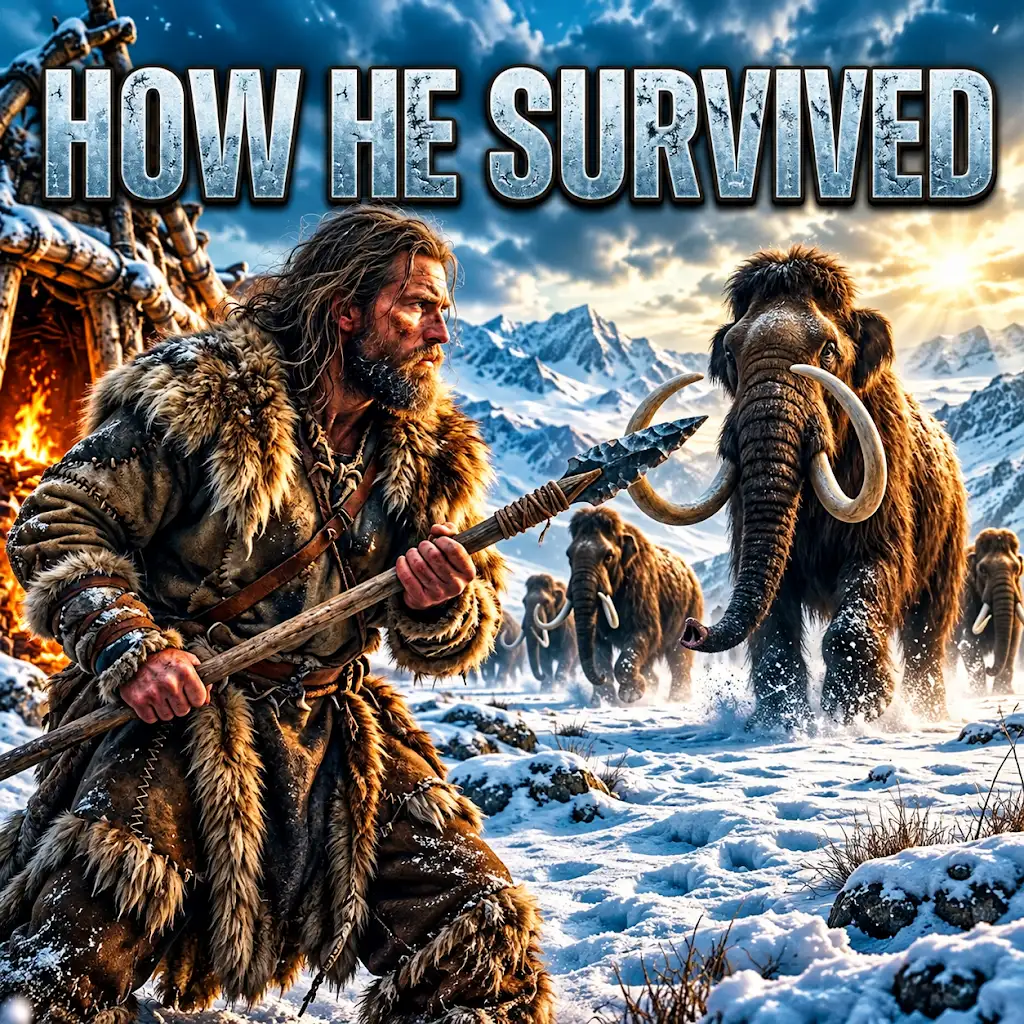
Life 20,000 Years Ago: How Humans Survived the Ice Age
FAQs
1. How did ice age hunters handle a failed hunt?
Ice age hunters who experienced a failed hunt would often rely on their knowledge of the land to search for alternative food sources. They might switch to hunting smaller game, foraging for edible plants, or even scavenging for food.
2. Did ice age hunters have any backup plans for unsuccessful hunts?
Yes, ice age hunters were resourceful and would have backup plans in place for unsuccessful hunts. They might have stored food from previous successful hunts, traded with neighboring groups, or shared resources within their own community to ensure everyone had enough to eat.
3. How did ice age hunters deal with the emotional impact of a failed hunt?
Ice age hunters likely had rituals or practices in place to deal with the emotional impact of a failed hunt. This could include ceremonies to honor the animal that got away, storytelling to pass down lessons learned, or communal activities to boost morale and unity within the group.
4. What strategies did ice age hunters use to increase their chances of a successful hunt?
Ice age hunters used a variety of strategies to increase their chances of a successful hunt. This could include tracking animals, setting traps, using camouflage to blend in with the environment, working together in groups to corner prey, or utilizing specialized tools and weapons for hunting.
5. How did ice age hunters ensure the survival of their community during times of food scarcity?
Ice age hunters ensured the survival of their community during times of food scarcity by sharing resources, practicing sustainable hunting and foraging techniques, adapting to changing environmental conditions, and maintaining a strong social network for support and cooperation.