
The earliest humans, driven by necessity and resourcefulness, crafted shelters from the materials readily available in their environments. These rudimentary structures, often referred to as Paleolithic tents, provided crucial protection from the elements, predators, and the rigors of their nomadic existence. Understanding the construction and composition of these early shelters offers a profound glimpse into the ingenuity and adaptability of our ancient ancestors.
The Foundations of Shelter: Understanding Environmental Constraints and Needs
The fundamental purpose of any shelter, from the simplest Paleolithic tent to modern dwellings, is to provide a safe and comfortable living space. For early humans, this meant a multifaceted defense against a world far less forgiving than our own. The environmental context in which these people lived dictated not only the available materials but also the specific challenges they needed to overcome.
Surviving the Elements: Protection from Weather and Climate
The Paleolithic period spanned a vast expanse of time, characterized by significant climatic fluctuations. These early humans encountered everything from frigid glacial conditions to more temperate interglacial periods. Their shelters needed to offer insulation against biting winds and freezing temperatures, as well as protection from heavy rainfall and scorching sun. The absence of advanced heating or cooling systems meant that the inherent insulating properties of the chosen materials were paramount. A poorly constructed shelter could lead to hypothermia, heatstroke, or exposure, all of which carried a high risk of mortality. The nomadic lifestyle, often dictated by the migratory patterns of game animals and the availability of seasonal resources, meant that shelters had to be either easily dismantled and transportable or, in some cases, semi-permanent structures built with materials that could withstand prolonged exposure.
Safety and Security: Defense Against Predators and the Unknown
Beyond the passive threat of the weather, early humans faced the very real danger posed by large predators and other territorial animals. Shelters, even simple ones, provided a degree of security, offering a barrier between vulnerable humans and potentially lethal threats. The construction of walls, however rudimentary, could deter many animals, and the communal nature of early human groups within these shelters offered a collective defense. The psychological aspect of having a defined space, a sanctuary from the surrounding wilderness, cannot be overstated. This sense of enclosure and safety would have been crucial for rest, social interaction, and the raising of young. The “unknown” of the Paleolithic world, including natural hazards like falling rocks or flash floods, also implicitly informed shelter placement and design, though archaeological evidence for such considerations is often indirect.
Nomadic Lifestyles and Resource Availability
The predominant lifestyle of most Paleolithic groups was nomadic or semi-nomadic. This mobility was driven by the need to follow food sources, find new hunting grounds, and exploit seasonal plant resources. Consequently, shelters were often designed with this transience in mind. Some were likely ephemeral, constructed and abandoned with each move. Others might have been more robust, designed to be rebuilt or repurposed over time. The availability of materials was inherently linked to the specific geographical location and the season. A group inhabiting a forested region would have had access to different resources than one living on the open plains or in mountainous terrain. This regional and seasonal variability is a key factor in understanding the diversity of Paleolithic shelter construction.
Paleolithic tents, often constructed from natural materials such as animal hides, wood, and plant fibers, provide fascinating insights into the lives of our ancient ancestors. For a deeper understanding of how early humans utilized their environment to create shelter, you can explore the article on Mexico’s skilled engineering talent, which highlights the ingenuity and resourcefulness that parallels the construction techniques of ancient times. This connection between past and present showcases the enduring human ability to adapt and innovate. To read more about this topic, visit this article.
The Canvas of Nature: Abundant Materials from the Environment

The ingenuity of Paleolithic humans lay in their ability to recognize and utilize the potential of their natural surroundings. The materials chosen for shelter construction were not dictated by manufactured products but by the direct bounty of the earth, often requiring significant effort and skill to procure and process.
Wood and Branches: The Structural Backbone
Wood, in its various forms, was undoubtedly a primary building material for many Paleolithic shelters. Fallen branches, saplings, and even larger logs provided the essential structural framework. These could be used to create upright poles, crossbeams, and support structures, forming the skeleton of a tent or hut. The size and strength of the branches would have determined the scale and robustness of the shelter. In forested areas, the availability of these materials would have been abundant, allowing for more substantial constructions.
Procurement and Shaping of Wood
The procurement of wooden elements would have involved a combination of gathering fallen material and actively felling trees or branches. While direct evidence of tool use for this purpose from the earliest periods is scarce, later Paleolithic periods show evidence of stone axes and adzes, which would have facilitated the cutting and shaping of wood. Branches could be stripped of their bark, twisted, or even woven to create more durable or flexible components. The understanding of wood properties, such as its strength and flexibility, would have been crucial for effective construction.
Hides and Pelts: The Insulating Envelope
Animal hides and pelts were perhaps the most versatile and crucial materials for creating a weather-tight and insulating outer layer for Paleolithic tents. The hunting of large game animals, such as mammoths, bison, horses, and reindeer, provided not only food but also vast quantities of hide. These hides, once removed from the animal, would have been meticulously prepared.
Tanning and Preservation Techniques
The preparation of hides was a critical process. It involved scraping off any remaining flesh and fat, a process that could be done with stone scrapers. Preservation methods likely included drying in the sun or smoking, which would have helped to prevent decay and make the hide more durable. While the sophisticated tanning processes known in later periods may not have been fully developed, early humans undoubtedly possessed methods to render hides more pliable and resistant to rot. The use of urine, brains, or animal fats as part of the curing process is theorized. These prepared hides would then be stretched and secured over the wooden framework, forming the walls and roof of the shelter. The thickness of the hide would have offered significant insulation, crucial for surviving cold climates.
Plant Fibers and Vegetation: Complementary Insulation and Binding
Beyond the structural wood and the insulating hides, various plant materials played important roles in the construction of Paleolithic shelters. Reeds, grasses, leaves, and bark could be used to supplement insulation, fill gaps, and create binding materials.
Weaving and Thatching for Enhanced Protection
Grasses and reeds could be bundled together and used as a form of thatch, layered over hides or directly onto a woven frame to provide additional insulation and protection from wind and rain. Bark, particularly from certain tree species, could be peeled and used as a water-resistant roofing material or as panels to reinforce walls. Plant fibers, such as those from flax or nettles, could be twisted into rudimentary ropes or cords. These would have been essential for lashing structural elements together, securing hides to the framework, and for any other binding needs within the construction process. The knowledge of which plants yielded the strongest fibers and how to process them would have been invaluable.
Earth and Stone: Foundations and Reinforcements
In certain environments, earth and stone also contributed to the construction of early shelters, particularly in creating more semi-permanent or robust structures.
Utilizing Natural Features and Creating Impermeable Surfaces
In areas where wood was scarce, or where more substantial dwellings were desired, earth could be used. Mud mixed with straw or other fibers could be plastered onto a framework to create more solid walls. In cave dwellings, natural rock formations provided the primary shelter, but early humans would have modified these spaces, perhaps using stone to create partitions or windbreaks. The use of large stones as foundational elements or as part of a surrounding wall to reinforce a tent-like structure is also plausible. While not as common as organic materials for portable tents, the strategic use of earth and stone demonstrates a sophisticated understanding of material properties and environmental adaptation.
Engineering the Portable Dwelling: The Structure of Paleolithic Tents
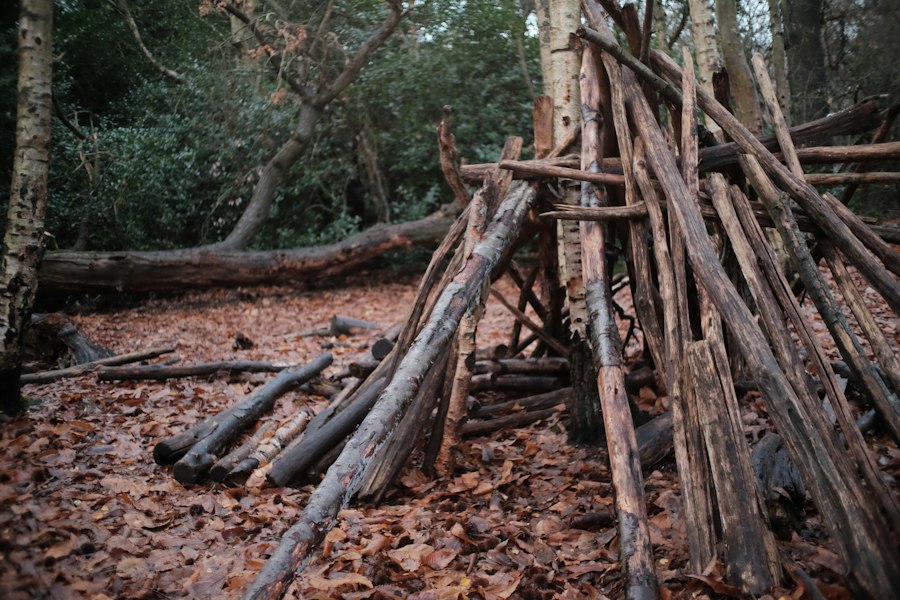
The term “tent” conjures images of portability, and Paleolithic shelters often fit this description, albeit in a more rudimentary fashion than modern camping equipment. The design and assembly of these structures were driven by practicality, ease of transport, and the need for effective shelter with the available materials.
The Framework: Establishing the Basic Shape
The foundational element of most Paleolithic tents would have been a structural framework. This was typically constructed from wooden poles and branches, carefully arranged to create the desired shape. The most common shapes likely mimicked natural forms, such as a conical or dome-like structure, which are inherently stable and efficient in their use of materials.
Conical and Dome Structures: Efficient Design Principles
A conical framework, formed by leaning several long poles against each other at the top, would create a sturdy, self-supporting structure. This design allows for a relatively large interior space with a minimal footprint. Dome-like structures, perhaps achieved by bending flexible saplings or interlocking branches, would offer similar stability and weather resistance. The number and thickness of the poles would have been determined by the intended size of the shelter and the prevailing environmental conditions. In windy areas, a lower, more streamlined profile might have been favored.
The Covering: Securing the Envelope
Once the framework was in place, the critical step of applying the outer covering took place. This layer was designed to be as impermeable as possible to wind and water, while also providing essential insulation.
Strategic Placement and Overlapping of Hides
Animal hides and pelts were the primary materials for this covering. They would have been stretched over the wooden frame and secured in place. The method of securing likely involved lashing them to the poles with ropes made from plant fibers or sinew, and possibly weighing them down with stones or earth around the base. Overlapping the hides like shingles on a roof would have been crucial to prevent water ingress. The process would have been labor-intensive, requiring coordination among group members to lift and position the heavy hides. The orientation of the tent, perhaps with the entrance facing away from prevailing winds, would also have been a consideration.
Entrance and Ventilation: Managing Access and Airflow
Every dwelling, however simple, requires an entrance. Paleolithic tents were no exception. The design of the entrance and the provision for ventilation were crucial for habitability.
Simple Openings and Potential for Closure
The entrance was likely a simple opening in the covering, perhaps reinforced with additional hide or woven material. It might have been a flap that could be pulled across to provide additional protection from the elements or to enhance security at night. The size of the opening would have been a balance between ease of access and the need to retain heat. Ventilation was also a consideration, particularly in tents where fires were used for warmth or cooking. Small gaps in the covering or a deliberate opening near the apex of a conical structure could have served as rudimentary chimneys, allowing smoke to escape and fresh air to enter, preventing the build-up of dangerous carbon monoxide. The understanding of airflow and heat retention, even at a basic level, would have been vital for survival.
Beyond the Tent: Other Forms of Paleolithic Shelter
While the term “Paleolithic tent” often brings to mind portable structures, our ancient ancestors utilized a spectrum of shelter types, adapting to their specific environments and needs. These ranged from naturally occurring shelters to more permanent constructions.
Utilizing Natural Advantages: Caves and Rock Shelters
Caves and rock shelters provided immediate and readily available protection. These natural formations offered a significant advantage in terms of insulation and defense against the elements. Early humans would have sought out these locations, which offered a dry and secure environment.
Modifications and Enhancements for Habitation
While the primary structure was natural, evidence suggests that early humans actively modified these spaces to improve their habitability. They might have cleared out debris, created fire pits, and even built artificial walls or windbreaks at the entrance using stones, branches, and hides. These modifications would have enhanced insulation, improved security, and allowed for more comfortable living, especially during colder periods or prolonged stays in one area. The archaeological record, through the analysis of hearths, tool assemblages, and faunal remains, often reveals the extent of human occupation and modification within these natural shelters.
Semi-Permanent Dwellings: Building with Persistence
In areas with abundant resources and perhaps less pressure to constantly move, some Paleolithic groups constructed more substantial, semi-permanent dwellings. These structures, though still utilizing natural materials, were built with greater permanence in mind.
Mammoth Bone Huts and Other Large Constructions
One of the most striking examples of semi-permanent Paleolithic shelters is the mammoth bone hut. Found in Eastern Europe, these structures were built by using the large bones of mammoths – skulls, ribs, and leg bones – as a primary structural component. These bones were arranged to form walls and support a roof, which was likely covered with hides, turf, or other insulating materials. Other semi-permanent structures may have involved more extensive use of timber, earth, and stone, creating more robust and enduring dwellings that could be occupied for extended periods or revisited seasonally. The construction of such dwellings speaks to a higher level of social organization and resource management.
Temporary Campsites: Adapting to Transient Needs
Not all shelters were elaborate constructions. Many Paleolithic groups would have relied on very simple, temporary shelters for short-term encampments. These might have been basic windbreaks or lean-tos constructed from readily available materials.
Minimalist Structures for Short-Term Use
In situations where a group was on the move, or required only brief shelter, the effort invested in constructing a full tent or hut might have been deemed unnecessary. A simple arrangement of branches leaned against a rock face, covered with a few hides or a thick layer of vegetation, could provide sufficient protection from a sudden rain shower or a cold night. The evidence for such ephemeral structures is often difficult to find archaeologically, as they would have left minimal trace. However, the logic of resource conservation and efficiency suggests that such minimalist approaches were undoubtedly employed.
Paleolithic tents were often constructed using materials that were readily available in their environment, such as animal hides and natural fibers. These early shelters not only provided protection from the elements but also showcased the ingenuity of our ancestors in utilizing their surroundings. For a deeper understanding of ancient innovations and how early humans adapted their technologies, you can explore this fascinating article on advanced tech in lost civilizations. This resource highlights various advancements that have shaped human history, including the development of materials used for shelter.
Legacy of Ingenuity: The Enduring Significance of Early Shelters
| Material | Source | Properties | Usage in Paleolithic Tents | Durability |
|---|---|---|---|---|
| Animal Skins | Hunted animals (e.g., reindeer, bison) | Water-resistant, insulating, flexible | Used as tent coverings to provide shelter and warmth | Moderate; required regular maintenance |
| Wooden Poles | Nearby trees and branches | Sturdy, lightweight, flexible | Framework structure for tents | High; reusable and strong |
| Bone and Antler | Animal remains | Rigid, durable | Used as structural supports or fasteners | High; resistant to weathering |
| Plant Fibers | Grasses, reeds, bark | Flexible, lightweight | Used for ropes, bindings, and sometimes tent coverings | Low to moderate; biodegradable |
| Stone Tools | Flint, obsidian | Sharp, durable | Used to cut and shape materials for tent construction | High; reusable |
The study of Paleolithic tents and early human shelters is far more than an academic exercise in reconstructing the past. It offers profound insights into the capabilities and mindset of our earliest ancestors, revealing a remarkable capacity for adaptation, innovation, and communal living.
A Testament to Human Ingenuity and Adaptability
The ability of Paleolithic humans to survive and thrive in diverse and often harsh environments is a testament to their ingenuity. They were not passive recipients of nature but active agents, skillfully manipulating their surroundings to meet their fundamental needs. The construction of shelters, from simple tents to more complex dwellings, demonstrates a deep understanding of material properties, structural principles, and ecological relationships. This inherent drive to innovate and adapt is a core aspect of the human story, and the earliest shelters are its foundational chapter.
The Social Dimension: Cooperation and Community
Shelter construction was rarely a solitary endeavor. The procurement of materials, the assembly of structures, and the maintenance of living spaces would have required cooperation and coordinated effort within groups. This shared endeavor would have fostered social bonds, strengthened community ties, and reinforced the importance of collective action for survival. The family or band unit, huddled together for warmth and security within their shelter, represented the nascent form of human society, built on interdependence and mutual support.
Glimpses into Early Human Cognition and Behavior
The types of shelters constructed, the materials chosen, and the locations selected provide valuable clues about the cognitive abilities and behaviors of Paleolithic humans. The planning involved in designing a stable structure, the foresight required to anticipate weather conditions, and the knowledge passed down through generations about effective building techniques all point to sophisticated cognitive processes. Furthermore, the symbolic potential of certain shelter sites, or the deliberate arrangement of materials, might offer hints about early forms of art, ritual, or social stratification, although such interpretations are often speculative and require careful archaeological corroboration. The very act of creating a defined living space, a separation from the wild, signifies a burgeoning sense of self and community.

Life 20,000 Years Ago: How Humans Survived the Ice Age
FAQs
What materials were commonly used for Paleolithic tents?
In the Paleolithic era, people used a variety of materials to construct their tents, including animal skins, bones, wood, and plant fibers.
How were animal skins used in the construction of Paleolithic tents?
Animal skins were often used as the primary covering for Paleolithic tents. They provided protection from the elements and could be easily draped over a framework made of wood or bones.
Why were plant fibers important for Paleolithic tent construction?
Plant fibers, such as reeds, grasses, and branches, were used to create the framework of Paleolithic tents. These materials were flexible, lightweight, and readily available in the surrounding environment.
What role did bones play in Paleolithic tent construction?
Bones were used as structural elements in Paleolithic tents, providing support for the framework and helping to hold the tent covering in place. They were often used in conjunction with other materials like animal skins and plant fibers.
How did the materials used for Paleolithic tents vary based on geographic location?
The materials used for Paleolithic tents varied depending on the geographic location of the people. For example, those living in forested areas may have used more wood in their tent construction, while those in open grasslands may have relied more on animal skins and plant fibers.