## Laying the Foundation: Why Winter Food Reserves Matter
The crisp air, the falling leaves, the anticipation of the first snowfall – these are all hallmarks of autumn, a season of preparation. As nature gracefully retreats, it serves as a potent reminder for humans to do the same, to fortify their homes and their pantries against the leaner months. The concept of food reserves for winter emergencies is not a relic of a bygone era; it is a pragmatic and essential aspect of modern preparedness. Unforeseen events, from severe blizzards that can cut off access to towns and cities for days, to widespread power outages disrupting supply chains, to personal emergencies like illness or job loss, can all necessitate self-sufficiency. Relying solely on immediate grocery store availability can leave individuals and families vulnerable when the unexpected strikes. Building a robust food reserve offers peace of mind, a buffer against uncertainty, and the assurance that basic needs will be met, regardless of external circumstances. This article will delve into the multifaceted approach to preparing and storing food reserves, guiding individuals through the essential steps to ensure they are well-equipped for whatever winter may bring.
### Understanding Potential Winter Scenarios
A comprehensive approach to food reserves begins with an understanding of the diverse situations that might necessitate their use. While the most obvious scenario is a severe weather event, a broader perspective is crucial.
#### Extended Power Outages
Modern life is inextricably linked to electricity. When the power grid fails, refrigeration and freezing capabilities cease, rendering perishable goods unusable. Furthermore, many cooking appliances, water pumps, and even communication devices depend on electricity. Extended outages can cripple grocery store operations and transportation networks, making it impossible to procure fresh food for an indeterminate period.
#### Transportation Disruptions
Blizzards, ice storms, and other severe weather can render roads impassable. This not only prevents access to grocery stores but can also hinder emergency services and the delivery of vital supplies. Being able to rely on one’s own food stores becomes paramount when venturing outside is dangerous or impossible.
#### Personal Emergencies
Beyond external factors, personal circumstances can also necessitate reliance on food reserves. A sudden illness or injury can incapacitate individuals, making grocery shopping or meal preparation difficult or impossible. Similarly, unexpected job loss or financial hardship can make regular food purchases a strain, making a pre-existing reserve a critical safety net.
### The Benefits of Proactive Food Storage
The advantages of investing time and resources into food storage extend far beyond simply having something to eat when supplies are scarce.
#### Enhanced Self-Reliance
The most significant benefit is undoubtedly increased self-reliance. Knowing that you possess the means to feed yourself and your loved ones, independent of external factors, fosters a profound sense of security and control. This autonomy can significantly reduce stress and anxiety during challenging times.
#### Financial Savings
While there is an initial investment, strategic food storage can lead to long-term financial savings. Buying non-perishable items in bulk when they are on sale, rather than making frequent, potentially more expensive, emergency purchases, can result in significant cost reductions over time. Furthermore, having a stockpile can prevent impulse buys and reduce food waste.
#### Peace of Mind
Perhaps the most immeasurable benefit is the peace of mind that comes with preparedness. The knowledge that you have a plan and the resources to weather potential disruptions is invaluable. This reduces worry and allows for a more enjoyable and less stressful existence, especially as the winter season approaches.
As winter approaches, it’s crucial to prepare for potential emergencies by storing food reserves. A related article that explores the importance of strategic planning in various contexts is “Guardians of the Moon: A Documentary on Lunar Military Strategy.” This piece delves into the significance of preparedness, albeit in a different realm, highlighting how foresight can be essential in both military and personal scenarios. For more insights, you can read the article here: Guardians of the Moon: A Documentary on Lunar Military Strategy.
## Building Your Winter Pantry: Essential Food Selection
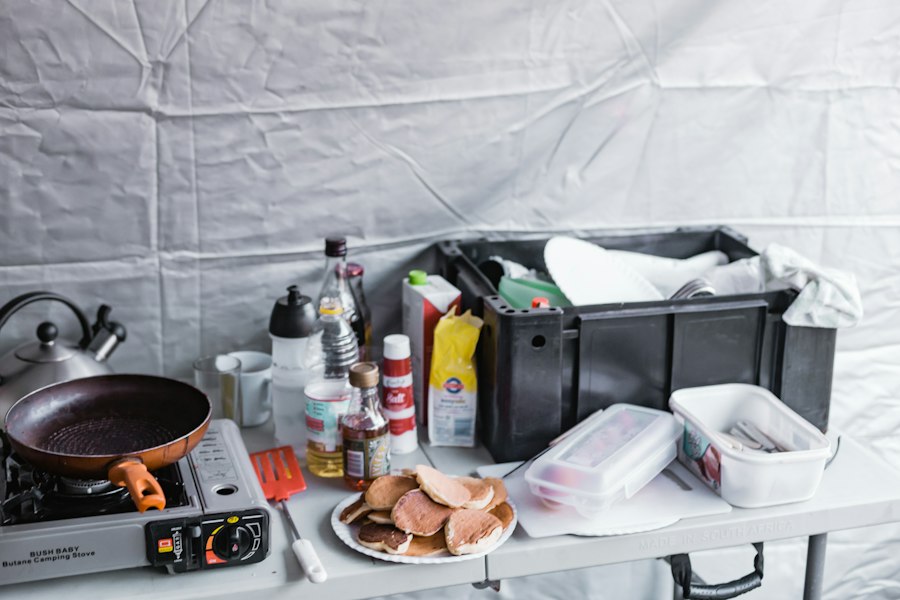
The cornerstone of any effective food reserve is a well-thought-out selection of food items. The goal is to create a diverse and balanced inventory that can sustain you and your household with nutritious and appealing meals. This involves considering shelf life, nutritional value, ease of preparation, and individual dietary needs.
### Non-Perishable Staples
These are the bedrock of your food reserve, items that have a long shelf life and can form the basis of many meals.
#### Grains and Starches
These provide essential carbohydrates for energy.
- Rice: White rice has an incredibly long shelf life, often decades when stored properly. Brown rice is more nutritious but has a shorter shelf life due to its oil content. Consider a variety of types like white, brown, basmati, and jasmine.
- Pasta: Dried pasta, made from durum wheat, can last for years. Store it in airtight containers to prevent moisture and pest infestation.
- Oats: Rolled oats and steel-cut oats are excellent sources of fiber and can be used for breakfast, baking, or as a thickener. Store in sealed containers.
- Bread and Crackers: Hard tack, crackers, and commercially prepared shelf-stable breads can last for extended periods. Look for products specifically designed for long-term storage.
- Flour: All-purpose flour, whole wheat flour, and cornmeal can be stored for a considerable time, especially when kept cool and dry. Consider vacuum-sealing for extended freshness.
#### Proteins
Crucial for maintaining muscle mass and providing satiety.
- Canned Meats: Tuna, salmon, chicken, and ham are excellent options. Opt for water-packed varieties to reduce fat content.
- Dried Beans and Lentils: Extremely shelf-stable and a fantastic source of protein and fiber. Varieties include black beans, kidney beans, pinto beans, chickpeas, and various lentils.
- Peanut Butter and Nut Butters: A good source of protein and healthy fats. Opt for natural varieties with minimal additives, and store in a cool, dark place.
- Nuts and Seeds: Almonds, walnuts, sunflower seeds, and pumpkin seeds are energy-dense and nutrient-rich. Store in airtight containers to maintain freshness.
- Powdered Milk: Can be reconstituted with water and used in cooking or as a beverage.
#### Fruits and Vegetables
Essential for vitamins, minerals, and fiber.
- Canned Fruits: Peaches, pears, pineapple, and fruit cocktail, packed in juice or light syrup, are good choices.
- Canned Vegetables: Corn, peas, green beans, carrots, and tomatoes are versatile. Look for low-sodium options when possible.
- Dried Fruits: Raisins, apricots, cranberries, and apples are nutritious snacks and can be added to meals. Ensure they are properly sealed.
- Dehydrated Vegetables: Options like onions, garlic, carrots, and bell peppers can be rehydrated for cooking.
- Root Vegetables: Potatoes, onions, and garlic, when stored in a cool, dark, and well-ventilated place, can last for several months.
### Long-Life Dairy and Fats
These contribute to flavor, texture, and provide essential fats.
- Evaporated and Condensed Milk: These canned milk products have a very long shelf life and can be used in recipes for creaminess.
- Powdered Eggs: A convenient alternative to fresh eggs, these can be reconstituted and used in various dishes.
- Oils: Vegetable oil, olive oil, and coconut oil are essential for cooking. Store in dark glass bottles in a cool place to prevent rancidity.
- Butter/Margarine: While fresh butter has a limited shelf life, ghee (clarified butter) and certain shelf-stable margarines can last much longer.
### Flavor and Comfort Foods
Including items that provide comfort and variety can significantly improve morale during a challenging period.
- Spices and Seasonings: Salt, pepper, herbs, and spices are vital for making meals enjoyable.
- Broth and Bouillon Cubes: Essential for soups, stews, and adding flavor to dishes.
- Coffee, Tea, and Cocoa: For morale and a sense of normalcy.
- Sweeteners: Sugar, honey, and artificial sweeteners.
- Comfort Foods: Items like hard candies, chocolate (dark chocolate has a longer shelf life), cookies, and shelf-stable desserts can boost spirits.
### Hydration: The Critical Element
Water is paramount for survival and is often overlooked in food storage planning.
- Bottled Water: Store a minimum of one gallon per person per day for at least three days, ideally for two weeks or more.
- Water Purification Methods: Water purification tablets, filters, and the ability to boil water are essential backup options in case your stored water supply is depleted or compromised.
## Strategic Storage: Maximizing Shelf Life and Accessibility

Where and how you store your food reserves significantly impacts their longevity and usability. Proper storage techniques are crucial to prevent spoilage, pest infestation, and maintain nutritional integrity.
### Choosing the Right Location
The ideal storage location is cool, dark, dry, and pest-free.
#### Basement or Cellar
These are often the most suitable locations due to their naturally stable temperatures and darkness. Ensure they are well-ventilated and protected from potential flooding.
#### Interior Closets and Cabinets
If a basement is not an option, dedicate an interior closet or cabinets that are not exposed to direct sunlight or extreme temperature fluctuations. Avoid storing food near heat sources like stoves or radiators.
#### Climate-Controlled Storage
For extremely valuable or sensitive items, consider a small, climate-controlled storage unit if budget allows.
### Proper Packaging and Organization
The way food is packaged and organized plays a vital role in its shelf life and ease of access.
#### Airtight Containers
Utilize airtight containers made of glass, food-grade plastic, or metal. These protect food from moisture, air, and pests. For grains, beans, and flour, consider using large food-grade buckets with gamma seals or vacuum-sealed bags.
#### Original Packaging
Many commercially packaged non-perishable items are designed for long shelf life. However, once opened, transfer them to airtight containers. If you keep them in their original packaging, ensure it is undamaged and stored correctly.
#### Rotation System (First-In, First-Out)
This is arguably the most important principle of food storage. When you purchase new items, place them at the back of your storage area and move older items to the front. This ensures that you use the oldest items first, minimizing the risk of spoilage. Labeling items with their purchase date and expiration date is highly recommended.
#### Categorization and Labeling
Organize your food by category (e.g., grains, proteins, canned goods, comfort foods). Clearly label each container or shelf so you can quickly locate what you need. This is especially important during a stressful emergency situation.
### Protecting Against Pests and Contamination
Preventing pests and contamination is critical for maintaining the safety and edibility of your food reserves.
#### Sealing Entry Points
Ensure that your storage area has no cracks or openings where pests can enter. Regularly inspect for any signs of infestation.
#### Cleanliness
Maintain a clean storage environment. Wipe down shelves and containers regularly. Avoid storing food directly on the floor.
#### Avoiding Cross-Contamination
Store raw foods separately from cooked or ready-to-eat foods. Ensure that any opened packages are properly sealed to prevent odors from transferring between different food items.
## Beyond the Basics: Special Considerations for Winter Preparedness
While stocking up on staples is crucial, a truly comprehensive winter food reserve involves considering specific needs and potential challenges associated with the season.
### Cooking and Preparation Methods
During an emergency, your usual cooking facilities might be unavailable. Planning for alternative methods is essential.
#### Fuel Sources for Cooking
- Propane Stove or Grill: A portable propane stove or a charcoal grill can be used for outdoor cooking if power is out and it’s safe to do so. Ensure you have adequate fuel.
- Canned Fuel Stoves: Small, portable stoves that use canned fuel are another option for limited cooking.
- Manual Cooking Utensils: Invest in manual can openers, a reliable knife, a cutting board, and basic cooking utensils.
#### No-Cook Meal Options
Having a selection of foods that require no cooking or minimal preparation is vital.
- Nutritional Bars: High-calorie and nutrient-dense bars can provide sustenance when cooking is not possible.
- Peanut Butter and Crackers: A simple and filling meal.
- Canned Fruits and Vegetables: Can be eaten directly from the can.
- Trail Mix and Dried Fruits: Excellent for on-the-go energy.
### Dietary Needs and Preferences
A successful food reserve caters to the specific dietary requirements of everyone in the household.
#### Allergies and Intolerances
Carefully consider any allergies or intolerances within your family, such as gluten, dairy, nuts, or specific fruits and vegetables. Ensure your reserve includes safe alternatives.
#### Medical Diets
Individuals with medical conditions requiring specific diets (e.g., low sodium, diabetic-friendly) must have provisions that adhere to their needs. This might involve specific canned goods, special supplements, or prescription foods.
#### Age-Specific Needs
Infants and young children require specialized foods like formula, baby food, and easily digestible options. Elderly individuals may benefit from softer foods and nutrient-rich supplements.
### Long-Term Storage and Preservation Techniques
For individuals looking to build a reserve that can last for an extended period, understanding various preservation methods is beneficial.
#### Dehydrating Foods
Dehydrating fruits, vegetables, and even meats removes moisture, significantly extending their shelf life. This can be done using a food dehydrator or a low-temperature oven.
#### Freeze-Drying
While more expensive and requiring specialized equipment, freeze-drying is a superior preservation method that retains most of the original nutritional value and texture of food.
#### Canning
Home canning, when done correctly and following strict safety guidelines, can preserve a wide variety of foods for long-term storage. This requires specific equipment like canning jars, lids, and a pressure canner for low-acid foods.
As winter approaches, it’s essential to consider how to effectively store food reserves for emergencies, ensuring that you have enough supplies to last through the colder months. A related article discusses advanced techniques for environmental regulation that can help optimize food preservation methods. By understanding these sophisticated strategies, you can enhance your ability to keep food fresh and safe for longer periods. For more insights, you can read the article on mastering ancient climate control.
## Maintaining and Refreshing Your Winter Food Stores
| Food Item | Recommended Quantity (per person) | Storage Life | Storage Conditions | Calories per Serving | Notes |
|---|---|---|---|---|---|
| Rice (white) | 20 lbs | 25-30 years (if stored properly) | Cool, dry, airtight container | 205 calories per 1/4 cup (uncooked) | Long shelf life, versatile staple |
| Dried Beans | 15 lbs | 10+ years | Cool, dry, airtight container | 240 calories per 1/4 cup (uncooked) | High protein, requires soaking |
| Canned Vegetables | 30 cans | 2-5 years | Cool, dark place | Varies by vegetable | Ready to eat, nutrient retention varies |
| Peanut Butter | 5 jars (16 oz each) | 1 year unopened | Cool, dry place | 190 calories per 2 tbsp | Good source of fat and protein |
| Powdered Milk | 5 lbs | 2-10 years (depending on packaging) | Cool, dry, airtight container | 80 calories per 1/4 cup reconstituted | Useful for baking and drinking |
| Honey | 3 lbs | Indefinite | Sealed container, room temperature | 64 calories per tbsp | Natural preservative, sweetener |
| Salt | 2 lbs | Indefinite | Dry, airtight container | 0 calories | Essential for preservation and seasoning |
| Freeze-Dried Fruits | 10 lbs | 25+ years | Cool, dry, airtight container | Varies by fruit | Lightweight, nutrient dense |
Preparing your food reserves is an ongoing process, not a one-time event. Regular maintenance and rotation are essential to ensure your stockpile remains safe, edible, and ready for use.
### The Rotation Schedule
Implementing a strict rotation schedule is the most critical aspect of maintaining your food reserves.
#### Implementing the FIFO Method
As mentioned previously, the “First-In, First-Out” (FIFO) principle is paramount. When you purchase new items, place them behind older stock. This ensures that items with the earliest expiration dates are used first.
#### Scheduled Inventory Checks
Conduct thorough inventory checks at least twice a year, ideally in the spring and fall. This allows you to assess what you have, identify items nearing their expiration dates, and plan your next purchasing cycle.
#### Documenting Expiration Dates
Maintain a log or spreadsheet of your food items, including purchase dates and expiration dates. This will help you stay organized and proactively address items that need to be used soon.
### Replenishment Strategy
A consistent replenishment strategy ensures your reserves are always at an optimal level.
#### Gradual Stockpiling
Instead of trying to buy everything at once, consider a gradual stockpiling approach. Add a few extra items to your grocery cart each week. This makes the financial investment more manageable and less overwhelming.
#### Purchasing on Sale
Take advantage of sales and discounts at grocery stores and wholesale clubs. Stocking up on non-perishables when they are marked down can significantly reduce your overall expenditure.
#### Replacing Used Items Immediately
When you use an item from your reserve for a regular meal or during a minor emergency, make a note to replace it on your next shopping trip. This prevents depletion and ensures your reserve is consistently replenished.
### Assessing and Adapting Your Reserve
Your needs and circumstances may change over time, so it’s important to periodically assess and adapt your food reserve.
#### Household Size and Needs Changes
As your family grows or shrinks, or as children reach different age groups, your food reserve needs will change. Adjust quantities and types of food accordingly.
#### Learning from Experience
If you’ve had to dip into your reserves for a minor event, reflect on what worked well and what could be improved. Did you have enough of certain items? Were there items you wished you had? Use these lessons to refine your strategy.
#### Staying Informed on Best Practices
The field of emergency preparedness is constantly evolving. Stay informed about best practices for food storage, preservation, and emergency readiness through reputable sources. This might include government preparedness websites, survivalist forums, or books on the topic.
## Essential Tools and Resources for Food Reserve Management
Beyond the food itself, having the right tools and resources can make the process of preparing, storing, and managing your winter food reserves significantly more efficient and effective.
### Storage Containers and Organization Systems
Investing in appropriate storage solutions is crucial for maximizing shelf life and maintaining order.
#### Food-Grade Buckets and Lids
For bulk storage of grains, beans, pasta, and flour, food-grade plastic buckets with airtight gamma seal lids are highly recommended. They offer excellent protection against moisture, oxygen, and pests.
#### Vacuum Sealers and Bags
A vacuum sealer is an invaluable tool for extending the shelf life of many food items. It removes air, preventing oxidation and spoilage. Use it for dried goods, meats, cheeses, and even pre-portioned meals. Invest in high-quality, BPA-free vacuum seal bags.
#### Mylar Bags and Oxygen Absorbers
For very long-term storage, especially of grains, beans, and dried foods, Mylar bags combined with oxygen absorbers are an excellent choice. Mylar bags are highly resistant to light and oxygen, and oxygen absorbers remove residual oxygen from the bag, further slowing down degradation.
#### Adjustable Shelving and Racks
Maximize your storage space with sturdy, adjustable shelving units or racks. This allows you to organize items by category and make them easily accessible, preventing items from being buried and forgotten.
#### Clear Plastic Bins with Lids
For smaller items or items that are already in boxes, clear plastic bins with secure lids can keep them organized, protected from dust, and easily visible.
### Food Preparation and Cooking Equipment
When your usual utilities are unavailable, having alternative cooking and preparation methods is vital.
#### Manual Can Openers
A reliable, sturdy manual can opener is an absolute necessity. Don’t rely solely on electric can openers, which will be useless during a power outage.
#### Non-Electric Cooking Devices
- Propane Camp Stove: A compact and efficient option for cooking with propane canisters. Ensure you have a good supply of fuel.
- Charcoal Grill or Smoker: Can be used for outdoor cooking, provided weather conditions permit and it’s safe to do so.
- Rocket Stove: A highly efficient, wood-burning stove that requires minimal fuel.
- Dutch Oven: A versatile cast-iron pot that can be used over coals for baking, stewing, and roasting.
#### Basic Kitchen Utensils
Ensure you have a good set of manual kitchen essentials: knives, cutting boards, spatulas, spoons, whisks, measuring cups and spoons, and a few pots and pans suitable for your alternative cooking devices.
#### Water Filters and Purification Tablets
In addition to bottled water, having methods to purify questionable water sources is a critical backup. Water filters, such as those from Sawyer or Lifestraw, can remove bacteria and protozoa, while purification tablets can kill viruses and bacteria.
### Record Keeping and Inventory Management Tools
Effective management of your food reserve relies on good record-keeping.
#### Inventory Spreadsheets or Apps
Create a digital inventory list using a spreadsheet program (like Excel or Google Sheets) or a dedicated inventory management app. This allows you to easily track what you have, expiration dates, quantities, and when you last replenished.
#### Logbooks
A simple physical logbook can serve as a backup or primary method for tracking your inventory, usage, and replenishment. Record the date items were added, when they were used, and when they were replaced.
#### Label Makers
A label maker is essential for clearly marking containers, shelves, and individual food items with their contents, purchase dates, and expiration dates. This organization is invaluable when you need to quickly access specific items.
#### Emergency Contact Information
While not directly related to food, having a readily accessible list of emergency contacts, including family, friends, and local emergency services, is a crucial part of overall preparedness and should be stored alongside your food reserves.
By thoughtfully assembling your food reserves, considering the various potential scenarios, and implementing sound storage and maintenance practices, you can create a resilient and reliable food supply that will provide security and peace of mind throughout the winter months and beyond. Preparedness is an investment in your well-being and the well-being of your loved ones.

Life 20,000 Years Ago: How Humans Survived the Ice Age
FAQs
1. What types of food are best for storing as reserves for winter emergencies?
Non-perishable items such as canned goods, dried fruits, nuts, grains, and dehydrated foods are ideal for storing as reserves for winter emergencies. These foods have a long shelf life and do not require refrigeration.
2. How should food reserves be stored to ensure they remain safe to eat during emergencies?
Food reserves should be stored in a cool, dry place away from direct sunlight and extreme temperatures. It is important to check expiration dates regularly and rotate stock to ensure freshness. Properly sealed containers or vacuum-sealed bags can help extend the shelf life of stored food.
3. How much food should be stored as reserves for winter emergencies?
It is recommended to store at least a three-day supply of non-perishable food for each person in your household. This includes items that do not require cooking or refrigeration, as power outages may occur during emergencies. Consider dietary restrictions and preferences when selecting food items for storage.
4. Are there any specific considerations for storing food reserves in cold climates?
In cold climates, it is important to protect food reserves from freezing temperatures, as this can affect the quality and safety of the food. Consider storing reserves in insulated containers or in a location that remains above freezing. Additionally, having a backup plan for cooking food in case of power outages is essential in cold weather.
5. How often should food reserves for winter emergencies be checked and replenished?
Food reserves should be checked regularly, at least every six months, to ensure that items have not expired or been damaged. Rotate stock by using older items and replacing them with fresh supplies. It is also important to update your emergency food supply based on changing dietary needs or family size.