## The Dance with Scarcity: Understanding Paleolithic Nomadic Carrying Capacity
The lives of Paleolithic nomadic groups were a constant negotiation with their environment, a delicate ballet dictated by the availability of resources. Unlike settled agricultural societies, these early humans did not shape their landscapes to suit their needs. Instead, they adapted their movements and social structures to the rhythms of nature, following game herds, seasonal plant blooms, and the predictable ebb and flow of water sources. Understanding the carrying capacity of these nomadic populations – the maximum number of individuals an environment could sustainably support – is crucial for reconstructing their social dynamics, territoriality, and overall survival strategies. This concept is not a static number but a fluid variable, influenced by a complex interplay of ecological, technological, and social factors.
### The Elusive Nature of Paleolithic Resources
The resources available to Paleolithic nomadic groups were inherently unpredictable and geographically dispersed. Their subsistence strategies were largely based on hunting large and small game, gathering wild plants, fruits, nuts, and roots, and occasionally scavenging. This reliance on wild resources meant that their food supply was subject to seasonal variations, climatic shifts, and the success of their hunting and gathering expeditions. A particularly harsh winter, a prolonged drought, or a decline in the abundance of a key prey species could drastically reduce the carrying capacity of a given region, forcing groups to move or face starvation. The ephemeral nature of these resources meant that established settlements were impossible, and their movements were dictated by the need to exploit newly available sustenance.
#### Fluctuations in Prey Abundance
The migratory patterns of megafauna, such as mammoths, bison, and reindeer, formed the backbone of many Paleolithic subsistence economies. The predictable movements of these herds across vast territories provided a renewable, albeit seasonal, food source. However, these populations were not static. Overhunting, disease, or significant environmental changes could lead to a dramatic decline in their numbers, rendering an area temporarily unable to support a large human population. Conversely, periods of abundance could temporarily increase the carrying capacity, allowing for larger group sizes or longer stays in a particular region. The ability to track and predict these animal movements, therefore, was a critical survival skill that directly impacted a group’s ability to sustain itself.
#### The Patchy Distribution of Flora
While game animals provided substantial caloric intake, wild plants offered a vital complement to the Paleolithic diet, providing essential vitamins, minerals, and carbohydrates. However, edible plants were also distributed unevenly across the landscape, often appearing seasonally and in specific microhabitats. Fruiting trees might only bear for a few weeks, root vegetables required knowledge of specific soil conditions and seasons for optimal harvesting, and nuts were often abundant for a limited period each year. The foraging radius of a group, therefore, had to encompass a diverse range of ecological niches to ensure a continuous supply of plant-based foods. The discovery and exploitation of new, resource-rich patches, or the loss of access to previously reliable ones, would directly influence the carrying capacity of their territory.
#### Water as a Limiting Factor
Access to fresh water was a non-negotiable requirement for survival, particularly in arid or semi-arid regions. Nomadic groups would orient their movements around reliable water sources – rivers, lakes, springs, and even ephemeral rain pools. During dry seasons or droughts, these sources could shrink or disappear entirely, forcing entire groups to relocate to find new supplies. The proximity and reliability of water sources therefore played a significant role in determining how large a group could be and how long they could remain in a particular area. Competition for scarce water resources could also lead to inter-group conflict, further complicating the dynamics of carrying capacity.
The concept of carrying capacity is crucial in understanding the sustainability of nomadic Paleolithic groups, as it determines the maximum population size that an environment can support without degrading its resources. For a deeper exploration of how environmental factors influence human populations and their adaptability, you can refer to a related article that discusses contemporary challenges faced by communities in fragile ecosystems. This article, titled “Tuvalu’s Future: Challenges and Opportunities Ahead,” provides insights into how modern societies navigate similar issues of resource management and sustainability. You can read it here: Tuvalu’s Future: Challenges and Opportunities Ahead.
## Factors Shaping Nomadic Carrying Capacity
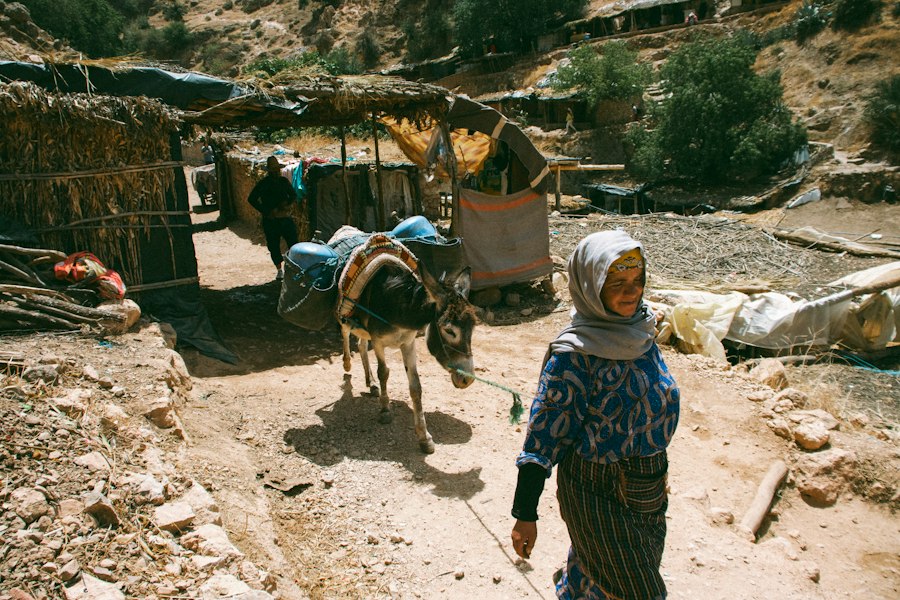
The carrying capacity of Paleolithic nomadic groups was not solely determined by the sheer abundance of natural resources. A multitude of interconnected factors influenced how effectively these resources could be exploited and how many individuals could be supported. These included the technological capabilities of the groups, their social organization and knowledge transmission, and the geographical scale of their territories. Each of these elements played a crucial role in the delicate balance between population size and environmental sustenance.
### Technological Innovations and Resource Exploitation
The development and refinement of stone tools, projectile technologies, and fire played a profound role in enhancing the efficiency with which Paleolithic humans could acquire and process food. Sharper, more durable tools allowed for more effective butchering of carcasses, processing of hides, and extraction of edible plant parts. The advent of projectile weapons, such as spears and later bows and arrows, increased hunting success rates and allowed for the targeting of a wider range of prey, including swifter or more dangerous animals. The controlled use of fire provided warmth, protection from predators, and, crucially, the ability to cook food. Cooked food is more digestible, releases more nutrients, and can render otherwise inedible or toxic plant parts safe for consumption. This technological suite directly increased the amount of usable calories and nutrients available from the environment, thus expanding the potential carrying capacity.
#### The Evolution of Lithic Technology
The steady progression of lithic technology, from the simple Oldowan choppers to the sophisticated blades and points of the Upper Paleolithic, reflects a continuous innovation in toolmaking. Each advancement represented an increased capacity to process raw materials and a more efficient means of acquiring and preparing food. For instance, the development of bifacial tools allowed for more effective scavenging and butchering of larger game. Later, finely crafted spear points and arrowheads enabled more precise and lethal hunting. The ability to produce specialized tools for different tasks – scraping hides, digging roots, or preparing specific types of food – meant that fewer resources were wasted and a greater proportion of the available biomass could be converted into sustenance.
#### The Power of Fire and Cooking
The mastery of fire was a transformative technological leap. Beyond its immediate benefits for warmth and protection, fire fundamentally altered the human diet. Cooking breaks down tough plant fibers and animal tissues, making food more accessible to the digestive system and unlocking nutrients that would otherwise be unavailable. This increased caloric efficiency meant that individuals could derive more energy from the same amount of food, potentially supporting larger populations. Furthermore, cooking could neutralize toxins present in some plants, expanding the range of edible flora available to foraging groups. The ability to preserve food through smoking or drying, also facilitated by fire, could buffer against periods of scarcity.
#### Projectile Weaponry and Hunting Efficiency
The development of projectile weapons, such as spear throwers (atlatls) and eventually bows and arrows, revolutionized hunting. These technologies allowed hunters to engage prey from a safer distance, increasing their chances of success and reducing the risk of injury. This increased efficiency in acquiring meat meant that larger game animals could be more reliably hunted, providing substantial caloric and nutritional returns. The ability to hunt a wider variety of animals, including those that were faster or more dangerous, also broadened the subsistence base and reduced reliance on a single, potentially unpredictable prey species.
### Social Organization and Knowledge Transmission
The way Paleolithic nomadic groups organized themselves and transmitted knowledge across generations was equally vital for their survival. Small, cooperative bands likely fostered efficient resource sharing and collective hunting efforts. The transfer of accumulated knowledge about animal behavior, plant properties, weather patterns, and the best locations for resources from elders to younger generations was an essential mechanism for adapting to their ever-changing world. This cultural transmission ensured that essential survival skills were not lost and that each generation could benefit from the experience of its predecessors. Without effective social structures and knowledge transfer, even abundant resources would be difficult to exploit effectively.
#### Band Size and Cooperation
Paleolithic nomadic groups were likely organized into small, fluid bands, typically ranging from 20 to 50 individuals. This size was advantageous for several reasons. It facilitated efficient foraging, as smaller groups could traverse wider territories and exploit a greater variety of resources without depleting them too quickly. Cooperative hunting of large game animals often required the coordinated efforts of multiple individuals, making a certain minimum group size necessary for success. Furthermore, within these small groups, resource sharing was likely a crucial survival mechanism, ensuring that the benefits of successful hunts or gatherings were distributed amongst all members, thus buffering against individual misfortune.
#### The Intergenerational Transfer of Knowledge
The accumulated wisdom of generations was a critical, albeit intangible, resource for Paleolithic nomadic populations. The transmission of knowledge regarding the migratory routes of animals, the seasonal availability and identification of edible plants, the medicinal properties of various flora, the understanding of weather patterns, and the intricate social dynamics of animal behavior was essential for survival. This knowledge was passed down through oral traditions, observation, and direct mentorship from elders to younger members. The loss of such knowledge through the death of experienced individuals or the failure to effectively transmit it could have dire consequences for a group’s ability to navigate their environment and find sustenance.
#### Kinship Networks and Information Flow
Kinship ties likely formed the basis of social organization and facilitated communication and cooperation between different bands. While individual bands were relatively small, they were likely part of larger social networks connected by kinship. These networks could serve as important channels for information exchange regarding resource availability in neighboring territories or potential threats. In times of extreme scarcity or environmental upheaval, these networks might also have facilitated temporary alliances or resource sharing between groups, effectively increasing the overall carrying capacity of a wider region by allowing for flexible movement and mutual support.
### The Role of Territory and Mobility
The concept of “territory” for nomadic Paleolithic groups differed significantly from that of settled societies. It was less about fixed boundaries and more about a dynamic range of movement, an extensive but fluid home range that provided access to a variety of resources throughout the year. The size of this range was directly linked to the carrying capacity of the environment. Areas with richer, more diverse resources could support smaller home ranges and potentially larger populations, while sparser environments necessitated vast migratory routes to ensure adequate sustenance. The ability to move freely and efficiently across these territories was paramount.
#### Home Range Size and Resource Density
The size of the territory a nomadic group utilized was a direct reflection of the density and diversity of the resources within it. In environments rich with game and edible plants, the home range could be relatively smaller, allowing groups to remain in areas for longer periods. Conversely, in sparser environments, such as arid deserts or subarctic tundras, nomadic groups would need to traverse vast distances to find sufficient food and water, leading to much larger home ranges. The ability to predict resource availability across these expansive territories was crucial for effective planning and movement.
#### Migration Routes and Seasonal Cycles
The predictable seasonal cycles of many ecosystems dictated the migratory routes of both prey animals and the human groups that followed them. Understanding these cycles – when certain plants would fruit, when game herds would pass through a particular valley, or when water sources would be most reliable – was a fundamental aspect of nomadic life. These established migration routes represented the collective knowledge of generations, optimizing the exploitation of resources across the landscape throughout the year. Deviations from these established routes, whether due to unforeseen environmental changes or inter-group conflict, could disrupt subsistence patterns and strain carrying capacity.
#### Encounters and Competition with Other Groups
The carrying capacity of a region was also influenced by the presence of other human groups. While nomadic territories were fluid, there were likely areas of overlap and potential competition for resources. The frequency and intensity of these encounters would have shaped territoriality and mobility. If resources were scarce, competition could increase, potentially leading to conflict or forcing groups to avoid certain areas, effectively reducing the usable carrying capacity of their perceived home range. Conversely, in abundant periods, interaction between groups might be less contentious and could even facilitate information exchange.
## Estimating Paleolithic Carrying Capacity: Challenges and Approaches
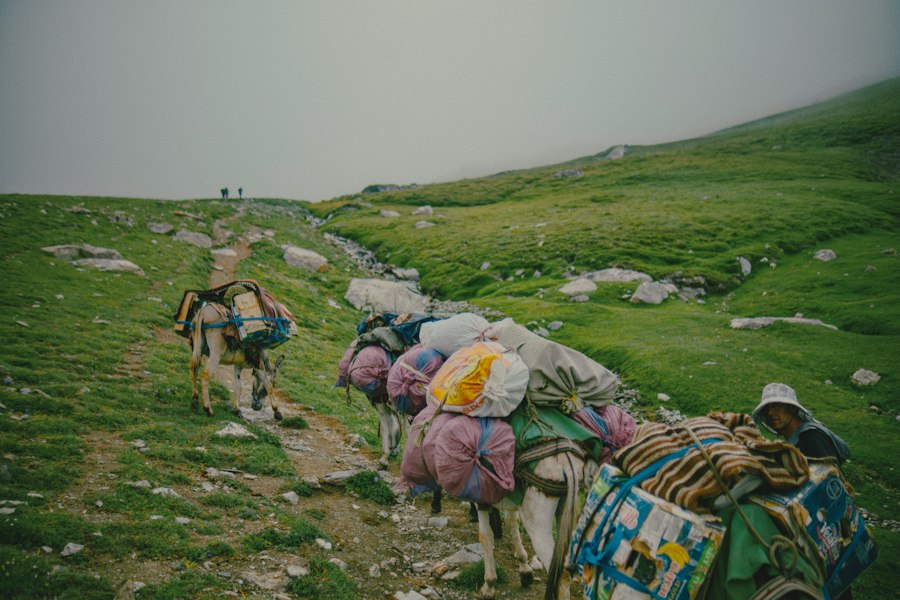
Quantifying the carrying capacity of Paleolithic nomadic groups presents significant challenges for archaeologists and paleoanthropologists. The ephemeral nature of their settlements, the lack of direct textual evidence, and the vast timescales involved make precise calculations virtually impossible. However, researchers employ a variety of indirect methods and comparative studies to develop informed estimates and understand the potential population densities these early humans could sustain. These approaches draw on ecological principles, ethnographic analogies, and the interpretation of the archaeological record.
The concept of carrying capacity is crucial in understanding the sustainability of nomadic Paleolithic groups, as it directly influences their migration patterns and resource management strategies. A fascinating exploration of how environmental factors impact human societies can be found in a related article that discusses the fragmentation of Iraq and its implications for social stability. This article highlights the delicate balance between population dynamics and resource availability, which resonates with the challenges faced by ancient nomadic communities. For more insights, you can read the article here.
### Ecological Modeling and Resource Assessment
One approach to estimating carrying capacity involves applying ecological models to Paleolithic environments. This entails reconstructing past ecosystems based on paleoenvironmental data, such as pollen analyses, faunal remains, and climatic reconstructions. Researchers can then assess the potential biomass of game animals and the availability of edible plant species within these reconstructed landscapes. By using estimates of human energetic requirements and foraging efficiencies, these models can generate theoretical carrying capacities for different regions and time periods. However, these models are limited by the accuracy of the paleoenvironmental reconstructions and the assumptions made about human subsistence strategies and technological capabilities.
#### Reconstructing Past Environments
Understanding the environmental context in which Paleolithic groups lived is fundamental to any attempt at estimating carrying capacity. Paleoenvironmental proxies, such as ice cores, lake sediments, and fossilized pollen, provide crucial information about past climates, vegetation, and the composition of animal communities. For example, identifying the presence of large herbivore herds in the fossil record, such as mammoths and bison, indicates a potential for substantial meat resources. Similarly, evidence of diverse plant communities suggests a broader range of gatherable food sources. The accuracy of these reconstructions directly influences the reliability of subsequent carrying capacity estimates.
#### Estimating Biomass and Foraging Returns
Once a past environment is reconstructed, researchers can attempt to estimate the potential biomass of key food resources. This involves using modern ecological data on animal population densities and plant yields in comparable environments, adjusted for the known characteristics of extinct species. Following this, the efficiency of Paleolithic hunting and gathering techniques is factored in to estimate the net caloric and nutritional returns that could be obtained from these resources. This allows for a calculation of how much food could be reliably harvested from a given area, which then serves as the basis for estimating the human population that could be sustained.
#### Energetic Demands of Early Humans
A crucial component of any carrying capacity calculation is understanding the energetic demands of Paleolithic humans. This involves estimating their basal metabolic rate, energy expenditure related to daily activities (foraging, hunting, toolmaking, childcare), and the energetic costs associated with migration and varying climatic conditions. By combining these energetic requirements with the estimated caloric returns from their subsistence strategies, researchers can determine the number of individuals that could be supported by the available resources. This is a complex calculation, as assumptions must be made about activity levels and dietary composition.
### Ethnographic Analogues and Hunter-Gatherer Studies
Cross-cultural comparisons with modern or historically documented hunter-gatherer societies provide valuable insights into the dynamics of carrying capacity. While no modern group perfectly mirrors Paleolithic conditions, studying the land-use patterns, group sizes, and resource management strategies of contemporary nomadic or semi-nomadic populations can offer analogous data. Ethnoarchaeological studies, which examine the material remains of past human activities, can be particularly informative in this regard, helping to interpret patterns observed in the archaeological record.
#### Lessons from Contemporary Nomadic Societies
The study of contemporary nomadic and semi-nomadic hunter-gatherer societies, such as the !Kung San of the Kalahari or various Arctic indigenous groups, has provided invaluable analogies for understanding Paleolithic subsistence. These groups often exhibit flexible social structures, sophisticated knowledge of their environments, and efficient resource management techniques that allowed them to thrive in challenging conditions. By observing their group sizes, territorial ranges, seasonal movements, and inter-group relations, researchers can gain a better understanding of the potential social and ecological dynamics that might have governed Paleolithic populations.
#### Ethnoarchaeological Interpretations
Ethnoarchaeology, the study of living people to understand the past, plays a vital role in interpreting the archaeological record of nomadic Paleolithic groups. By examining the material culture and spatial organization of contemporary hunter-gatherers, archaeologists can gain a deeper understanding of how past populations might have utilized their environments, created and discarded tools, and organized their living spaces. For example, the distribution of stone tools at an archaeological site might be compared to the discarded tools found at a modern campsite to infer duration of stay or specific activities. This comparative approach helps to flesh out the abstract figures derived from ecological models.
#### Population Density and Social Complexity
Studies of modern hunter-gatherer societies often reveal a correlation between resource availability, carrying capacity, and social complexity. Areas with higher carrying capacities tend to support larger, more sedentary populations, which can, in turn, lead to greater social stratification and more complex forms of organization. Conversely, in environments with lower carrying capacities, populations are typically smaller, more mobile, and exhibit simpler social structures. This relationship provides a framework for inferring potential population densities and social organization for Paleolithic groups based on estimates of their carrying capacity.
### Archaeological Evidence and Population Proxies
The archaeological record itself provides direct, albeit indirect, evidence for population size and density. The density and distribution of archaeological sites, the scale of habitation, and the evidence of resource exploitation can all serve as proxies for population levels. For instance, a greater number of contemporaneous sites in a region might suggest a higher overall population, while the size of a settlement and the intensity of resource extraction within it could indicate the carrying capacity of the immediate surroundings.
#### Site Density and Distribution
The number and spatial distribution of archaeological sites within a given region can offer clues about past population densities. A high concentration of sites might indicate a larger, more settled population or, in the case of nomadic groups, a region that was frequently visited and heavily utilized due to its abundant resources. Conversely, sparse site distribution could suggest lower population levels or a reliance on vast, less densely populated territories. Careful analysis of site clustering and distances between sites can help to infer potential home range sizes and territoriality.
#### Habitation Scale and Intensity
The physical scale of archaeological sites and the intensity of human activity within them can provide further insights into carrying capacity. Larger, more complex sites with evidence of long-term occupation and significant resource processing might suggest that the local environment could support a larger group for extended periods. The presence of abundant faunal remains, evidence of extensive plant processing, or evidence of resource management (even if rudimentary) can indicate a high degree of resource exploitation, suggesting a higher local carrying capacity. The accumulation of midden deposits, for example, can be an indicator of sustained human presence and resource use.
#### Resource Management and Landscape Modification
While Paleolithic groups were primarily foragers, some evidence suggests rudimentary forms of resource management or landscape modification. The deliberate creation of fire-enhanced landscapes to promote the growth of certain edible plants, or the systematic exploitation of specific hunting grounds, can be inferred from the archaeological record. The presence of such practices would have increased the effective carrying capacity of a region by making resources more predictable and abundant. Identifying these subtle traces of human impact is crucial for understanding the full scope of their adaptive strategies.
## The Carrying Capacity Threshold: Survival and Adaptation
The carrying capacity of an environment is not a fixed limit but a dynamic threshold that influences the survival and adaptive strategies of nomadic Paleolithic groups. When populations approached or exceeded this threshold, various pressures would arise, forcing adaptations in behavior, social structure, or even technological development. Understanding these pressures and the responses they elicited is key to comprehending the resilience and long-term success of these early human populations.
### Pressures at the Carrying Capacity Limit
As a nomadic group’s population grew or environmental resources dwindled, they would begin to experience pressures that threatened their survival. These pressures could manifest as increased competition for food and water, greater susceptibility to disease, and heightened stress within the group. These challenges would act as natural regulators, pushing the population back towards a sustainable level or forcing significant changes in their way of life.
#### Resource Depletion and Foraging Strain
When a group’s size approached the carrying capacity of their territory, the most immediate pressure would be resource depletion. Increased demand would lead to more intensive foraging and hunting, potentially depleting local game populations and overharvesting edible plants. This would necessitate longer foraging distances, requiring more energy expenditure and reducing the time available for other essential activities. The cycle of depletion and the need to find new, less exploited areas would become more pronounced, driving increased mobility.
#### Increased Risk of Disease and Famine
Higher population densities, even within nomadic groups, can increase the risk of disease transmission. Close proximity, coupled with potential nutritional stress due to resource scarcity, can weaken individuals and make them more susceptible to pathogens. Furthermore, if a population is consistently operating at or near the carrying capacity, any unforeseen environmental perturbation – a drought, a harsh winter, or a disease outbreak affecting prey animals – could trigger a widespread famine. The lack of buffer resources would make such events particularly devastating.
#### Inter-Group Competition and Conflict
As resources become scarcer, competition between neighboring nomadic groups for access to prime hunting and gathering territories would likely intensify. This competition could manifest as territorial disputes, raiding, or outright conflict. The need to defend scarce resources or to displace rivals could lead to increased social tension, changes in group cohesion, and potentially higher mortality rates due to warfare. This dynamic could effectively lower the usable carrying capacity of a region if certain areas become too dangerous to access.
### Adaptive Responses to Carrying Capacity Stress
Nomadic Paleolithic groups possessed a remarkable capacity for adaptation when faced with the pressures of exceeding carrying capacity. These adaptations were not passive but involved a range of behavioral, social, and potentially even minor technological adjustments aimed at re-establishing a sustainable balance with their environment. The ability to adapt was a critical factor in their long-term survival and dispersal across the globe.
#### Increased Mobility and Expanded Territories
One of the most direct responses to resource scarcity and population pressure was increased mobility. Groups would be forced to expand their foraging radius, venturing into new territories in search of sustenance. This would lead to longer migration routes and a greater reliance on the knowledge of distant resource patches. In some cases, this could lead to the dispersal of existing groups or the formation of new ones as people spread out to exploit less-utilized areas.
#### Changes in Diet and Subsistence Strategies
When primary food sources became depleted, nomadic groups would adapt by diversifying their diets. This might involve exploiting a wider range of less desirable or more difficult-to-obtain food resources, such as smaller game, insects, or less nutritious plant matter. Such shifts would require new knowledge and potentially the development of new, albeit minor, tools or techniques for processing these alternative food sources. This dietary flexibility was crucial for survival during lean periods.
#### Social Adjustments and Kinship Networks
Social dynamics also played a crucial role in managing carrying capacity. In times of stress, social structures might become more fluid, with temporary fissioning of larger bands into smaller foraging units or the strengthening of alliances between kin groups to share resources and information. The ability to reconfigure social units based on resource availability was a key adaptive strategy. The maintenance of extensive kinship networks would facilitate the re-establishment of connections and potential resource sharing when groups dispersed or reunited.
### The Long-Term Implications for Human Evolution and Dispersal
The concept of carrying capacity has profound implications for understanding human evolution and the global dispersal of our species. The pressures exerted by carrying capacity limits likely played a role in driving innovations in technology and social organization, as groups sought to increase their foraging efficiency and expand their habitable range. The constant push and pull between population growth and environmental limitations may have been a significant selective pressure throughout human prehistory, contributing to the development of our species’ remarkable adaptability and our eventual colonization of virtually every terrestrial environment on Earth.
#### Driving Innovation and Technological Advancement
The ongoing challenge of maintaining a sustainable population in diverse and often challenging environments likely served as a powerful impetus for technological innovation. As carrying capacity limits were approached, the need to acquire food more efficiently, process resources more effectively, or adapt to new environmental conditions would have driven the development of new tools, techniques, and strategies. The very process of adapting to these limits may have been a key driver in the evolutionary trajectory of our species.
#### Facilitating Global Migration and Colonization
The ability of Paleolithic nomadic groups to successfully navigate and exploit diverse environments, often with limited resources, is a testament to their adaptive capacity, which was intrinsically linked to their understanding and management of carrying capacity. As they expanded across continents, they encountered vastly different ecological settings, each with its own unique set of challenges and resource potentials. Their success in colonizing these diverse landscapes suggests a highly flexible and responsive relationship with their environments, allowing them to effectively utilize even marginal habitats and expand the global human footprint. This continuous process of adaptation to varying carrying capacities ultimately led to the widespread distribution of Homo sapiens across the planet.
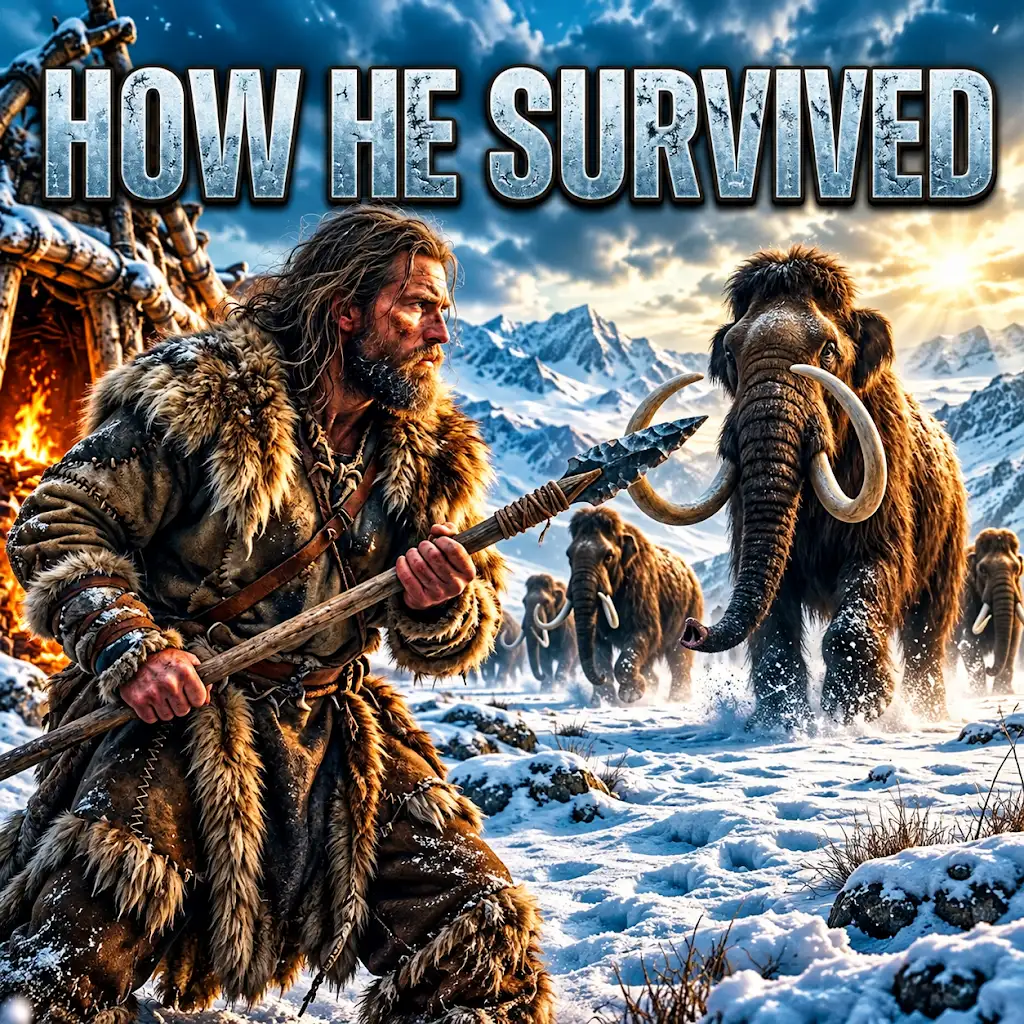
Life 20,000 Years Ago: How Humans Survived the Ice Age
FAQs
What is carrying capacity in the context of nomadic Paleolithic groups?
Carrying capacity refers to the maximum population size that a given environment can sustain over a long period of time without causing degradation of the ecosystem.
How did nomadic Paleolithic groups determine their carrying capacity?
Nomadic Paleolithic groups determined their carrying capacity by assessing the availability of resources such as food, water, shelter, and other necessities in their environment.
What factors influenced the carrying capacity of nomadic Paleolithic groups?
Factors that influenced the carrying capacity of nomadic Paleolithic groups include climate, geography, available resources, technology, social organization, and the presence of competing groups.
How did nomadic Paleolithic groups adapt to changes in carrying capacity?
Nomadic Paleolithic groups adapted to changes in carrying capacity by adjusting their migration patterns, resource utilization strategies, and social structures to ensure their survival in the changing environment.
Why is understanding the carrying capacity of nomadic Paleolithic groups important for archaeologists and anthropologists?
Understanding the carrying capacity of nomadic Paleolithic groups is important for archaeologists and anthropologists because it provides insights into how ancient societies interacted with their environment, managed resources, and adapted to changing conditions over time.