The silent language of stone, often overlooked in its commonplace existence, holds within its fractured surfaces a vibrant chronicle of humanity’s earliest ingenuity. For millennia, before the advent of metal and the refinement of agriculture, stone was the bedrock of survival, the very extension of human hands that allowed for hunting, shelter construction, and the processing of food. The deliberate breaking, shaping, and modification of stone tools left an indelible mark, not just on the artifacts themselves, but on the very geological fabric of their creation. Modern archaeological and scientific analysis, delving deep into the microscopic and macroscopic characteristics of these stone fractures, is now unlocking a rich tapestry of information concerning ancient tool use and the sophisticated techniques employed by our ancestors. These patterns, once dismissed as mere damage, are now recognized as crucial data points, offering insights into the cognitive abilities, social structures, and technological trajectories of early hominins.
Decoding the Shattered Evidence
The study of stone fracture patterns is a specialized field that bridges geology, archaeology, and materials science. It is an endeavor to understand the mechanics of breakage and how these mechanics are influenced by the intent and skill of the toolmaker. When a stone is struck, whether to detach a flake, sharpen an edge, or crush a bone, it experiences stress. The way this stress propagates through the material and the resulting fracture surfaces provide a unique signature, akin to a fingerprint, of the forces applied. These forces are not random; they are dictated by the intended function of the tool, the type of stone utilized, and the specific technique employed by the knapper. Examining these fractures allows researchers to move beyond simply identifying an artifact as a “tool” and instead understand how it was made, how it was used, and what that use entailed.
The Microscopic Trails of Force
At the microscopic level, the story of stone fracture becomes remarkably detailed. When a stone is subjected to impact, micro-fractures begin to form. These fractures propagate through the granular structure of the stone, often following the path of least resistance. The surface of a fracture created by a deliberate blow will exhibit distinct features compared to a naturally fractured surface. These include conchoidal fractures, characterized by their shell-like, curved surfaces, which are a hallmark of brittle materials like flint and obsidian when fractured under controlled force. Striations, small linear markings on the fracture surface, can reveal the direction and angle of the impact. Step fractures, where the fracture front momentarily pauses and restarts, indicate varying levels of force or changes in the applied pressure. Furthermore, the presence of micro-wear patterns, such as polish or microscopic pitting, on the very edges of these fractures can further elucidate the specific actions performed by the tool.
Macroscopic Signatures of Intent
While microscopic analysis offers unparalleled detail, macroscopic fracture patterns provide a broader understanding of the knapping process and tool use. The overall shape and size of flakes removed from a core, for instance, can reveal the knapper’s strategy. Large, broad flakes might indicate a desire for substantial cutting edges, while smaller, more controlled removals suggest precision work. The presence of hinge fractures, where the fracture terminates in a rounded, spoon-like depression, can point to errors in technique, such as insufficient force or an incorrect angle of impact. Conversely, the absence of such fractures and the consistent removal of predictable flake shapes indicate a high degree of skill and understanding of lithic mechanics. The careful retouching of an edge, a deliberate process of removing small flakes to refine or sharpen it, leaves behind a distinct series of overlapping micro-fractures, showcasing a conscious effort to improve the tool’s performance.
Recent studies have shown that stone fracture patterns can provide significant insights into ancient tool use, revealing the techniques and methods employed by early humans. This fascinating topic is further explored in the article “Unlocking the Antikythera Mechanism’s Ancient Functions,” which discusses how understanding the intricacies of ancient artifacts can illuminate the technological advancements of past civilizations. For more information on this subject, you can read the article here: Unlocking the Antikythera Mechanism’s Ancient Functions.
Understanding the Knapping Process
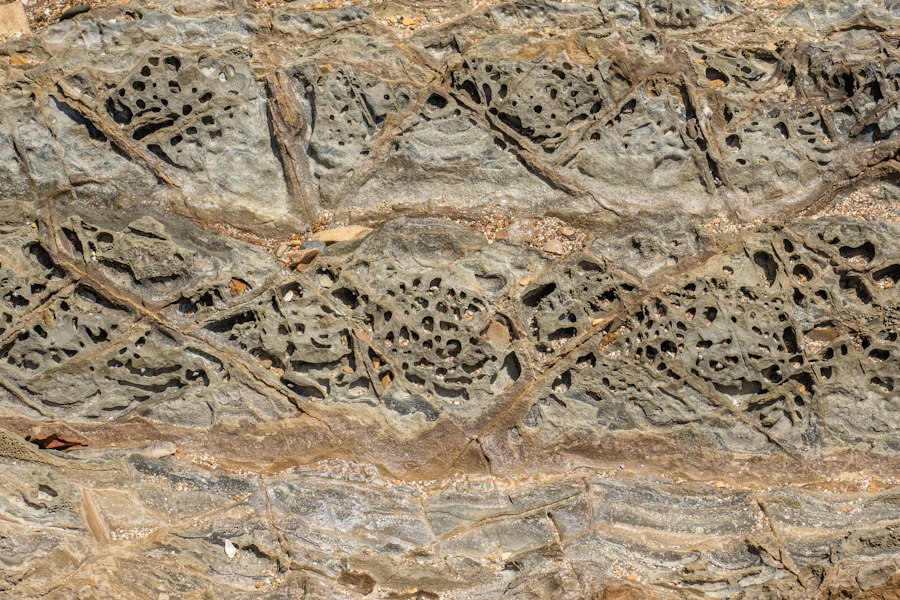
The creation of stone tools, a process known as lithic technology or knapping, is a complex art form that requires immense skill, knowledge, and practice. The fracture patterns on both the tools themselves and the resulting debitage (waste flakes) are direct reflections of the knapper’s understanding of the stone’s properties and the application of force. Different methods of striking the stone, such as direct percussion, indirect percussion, and pressure flaking, produce distinct fracture characteristics. Analyzing these characteristics allows archaeologists to reconstruct the sequence of actions taken by ancient toolmakers.
Direct Percussion: The Earliest Strikes
Direct percussion, the most basic form of stone tool manufacture, involves striking a core stone directly with a hammerstone. The force and angle of the strike are crucial. A hard hammerstone, such as quartzite or basalt, tends to produce broader, thicker flakes with more pronounced bulbs of percussion (the bulge on the flake surface near the point of impact). The fracture patterns from hard hammer percussion are often more irregular, reflecting the less controlled nature of the impact. Soft hammer percussion, using materials like antler or bone, allows for greater control and produces thinner, longer flakes with more pronounced ripples radiating from the point of impact. The examination of these ripples, or ventral surface features, can differentiate between hard and soft hammer techniques.
Indirect Percussion: Precision at a Distance
Indirect percussion involves using an intermediary tool, such as a punch made of bone or wood, to strike the core. This technique offers a significant increase in control and precision. The fracture patterns produced by indirect percussion are typically characterized by thinner, more regular flakes with less pronounced bulbs of percussion. The ripples on the flake surfaces are often more delicate and evenly spaced. This method allows for the removal of flakes from specific locations on the core, facilitating the creation of more refined tools with sharper, more controlled edges. The presence of multiple, closely spaced flake scars on a core, with consistent flake removal patterns, can strongly suggest the use of indirect percussion.
Pressure Flaking: The Art of Refinement
Pressure flaking represents the pinnacle of ancient stone tool craftsmanship. It involves applying direct pressure to the edge of a stone with a pointed tool, typically made of antler or bone, to detach small, delicate flakes. This technique is used for retouching edges, creating serrations, and shaping intricate designs. The fracture patterns from pressure flaking are characterized by very small, shallow flake scars that overlap each other. The fracture surfaces are often smooth and lack the pronounced bulbs of percussion seen in percussion methods. The presence of finely serrated edges or complex fluting patterns on an artifact are clear indicators of extensive pressure flaking.
Functional Interpretation Through Fracture Analysis
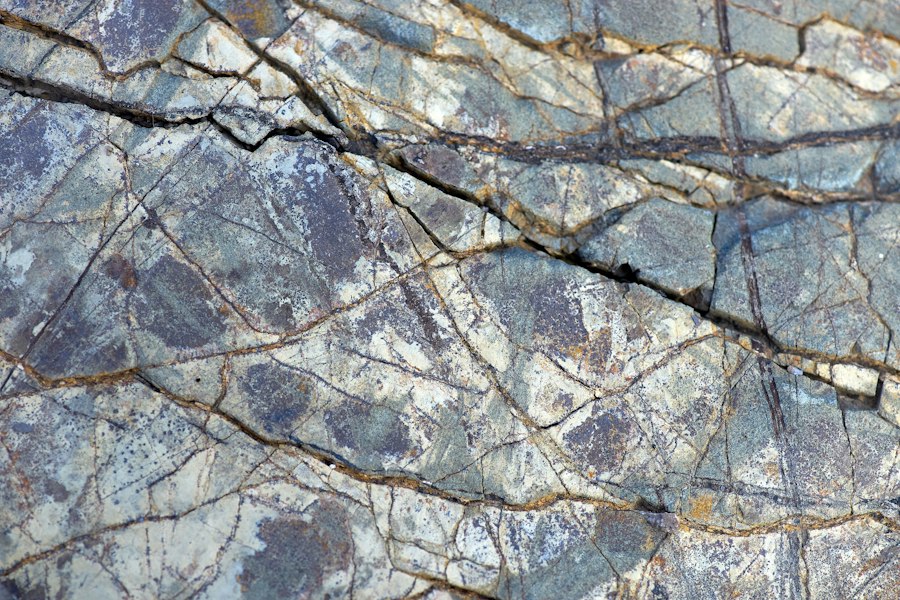
Beyond understanding how a tool was made, stone fracture patterns offer crucial insights into how it was used. The wear and modification of the working edge, the type of damage incurred during use, and the residues left behind all speak to the tool’s purpose. By meticulously examining these features, archaeologists can reconstruct the activities that ancient humans engaged in, from the butchery of large game to the preparation of plant materials.
Wear Patterns: The Scars of Labor
The working edge of a stone tool is subjected to friction, abrasion, and impact during use. These forces leave behind characteristic wear patterns. Polishing, for example, can indicate prolonged contact with softer materials like wood or hide. Micro-chipping along the edge, known as attrition, suggests contact with harder materials, such as bone or other stone. The angle and type of micro-chipping can further differentiate between scraping, cutting, or sawing actions. Wear patterns are often concentrated on specific areas of the tool, indicating its primary function. A heavily worn edge on one side of a bifacial tool, for instance, might suggest it was primarily used for scraping or planing.
Impact Damage and Residues: Echoes of Activity
The type of damage sustained by a tool during its use can also be informative. For example, significant crushing or fracturing at the point of impact on a hammerstone can indicate its use in pounding or hammering. The presence of organic residues trapped within the micro-fractures of an edge can provide direct evidence of what the tool was used to process. Microscopic analysis can identify traces of blood, muscle tissue, plant fibers, or starches, offering a tangible link to the ancient environment and subsistence strategies. These residues are invaluable for understanding the dietary habits and resource exploitation of ancient populations.
Technological Evolution and Cognitive Advancement
The study of stone fracture patterns is not merely about understanding individual tools; it provides a crucial lens through which to view the broader sweep of human technological evolution and cognitive development. The increasing complexity and sophistication of lithic technologies over time are directly reflected in the mastery of fracture mechanics. This mastery, in turn, signifies significant advancements in planning, foresight, and the ability to conceptualize abstract ideas.
The Rise of Complex Toolkits
Early hominin stone industries, such as the Oldowan, are characterized by simple, expedient tools like choppers and flakes. The fracture patterns here reflect basic percussion techniques aimed at producing sharp edges for cutting and scraping. As hominin species evolved, so too did their lithic technologies. The Acheulean industry, for instance, introduced the bifacial handaxe, a symmetrical tool requiring significantly more skill and planning to produce. The fracture patterns on Acheulean handaxes reveal deliberate shaping, controlled flake removal, and a clear understanding of symmetry and form. This marks a significant cognitive leap, demonstrating the ability to envision a final product and execute a series of complex steps to achieve it.
Cognitive Signatures in Fracture Geometry
The consistent production of specific flake types, the deliberate shaping of cores, and the creation of symmetrical tools all point to advanced cognitive abilities. The ability to plan and execute multi-stage manufacturing processes, to understand the principles of fracture mechanics without formal scientific knowledge, and to pass these skills down through generations speaks volumes about the social and cognitive sophistication of our ancestors. The study of fracture patterns, therefore, becomes a proxy for understanding the development of abstract thought, problem-solving skills, and the emergence of cultural transmission. The increasing predictability and standardization of lithic forms across different archaeological sites also suggests developing social networks and shared technological traditions.
Recent studies have shown that analyzing stone fracture patterns can provide valuable insights into early human tool use, revealing how our ancestors adapted to their environments. For instance, a related article discusses the demographic advantages that certain regions, like Mexico, have experienced, which can be linked to the development of specialized tools and skills. Understanding these connections can shed light on the evolution of human behavior and technology. To explore more about these demographic factors, you can read the article here.
A Window into Prehistoric Life
| Metric | Description | Relevance to Tool Use Determination | Example Data |
|---|---|---|---|
| Fracture Type | Classification of breakage patterns (conchoidal, step, hinge, etc.) | Indicates intentional flaking or natural breakage | Conchoidal fractures: 85% of analyzed tools |
| Flake Scar Patterns | Number and arrangement of flake removals on stone surface | Helps identify deliberate shaping and retouching | Average of 12 flake scars per tool |
| Edge Angle | Measurement of the angle formed at the tool’s cutting edge | Sharp edges ( | Mean edge angle: 45° ± 5° |
| Use-Wear Analysis | Microscopic examination of polish, striations, and edge rounding | Confirms specific tool functions like cutting, scraping, or drilling | Polish consistent with hide scraping on 70% of tools |
| Impact Fractures | Presence of step fractures or crushing at tool edges | Indicates use as a hammer or percussive tool | Impact fractures found on 30% of tools |
| Raw Material Type | Type of stone used (flint, chert, obsidian, quartzite) | Material properties affect fracture patterns and tool durability | Flint used in 60% of tools analyzed |
The analysis of stone fracture patterns is far more than an academic exercise; it is a vital tool for reconstructing the lives of prehistoric peoples. These seemingly inert fragments of rock offer a tangible connection to our ancient past, revealing the ingenuity, adaptability, and resilience of early humans. By meticulously examining the ways in which these stones were broken and shaped, we gain profound insights into their daily routines, their subsistence strategies, their social interactions, and their evolving cognitive landscapes.
Reconstructing Subsistence and Resource Use
The types of stone tools identified and the wear patterns observed on their fracture surfaces provide direct evidence of how ancient populations acquired and processed food. For example, the presence of sharp flake tools with blood residues indicates hunting and butchery activities. Tools with evidence of grinding or pounding might point to the processing of plant materials like seeds or tubers. The selection of specific types of stone also reveals information about resource availability and procurement strategies. If a particular type of chert is consistently found at a site, but not naturally occurring in the immediate vicinity, it suggests long-distance trade or organized expeditions to obtain this valuable material.
Social Dynamics and Knowledge Transfer
The standardization of tool forms and manufacturing techniques across different archaeological contexts can also shed light on social dynamics. The widespread adoption of a particular lithic technology, such as the Levallois technique which involves preparing a core in advance to produce predictable flake shapes, suggests efficient knowledge transfer and potentially broader social networks. The variations in skill observed between different artifacts, or even within the work of a single knapper, can offer glimpses into apprentice-master relationships and the ongoing process of skill acquisition and refinement. The very act of making tools was a cultural practice, imbued with social meaning and learned through observation and practice.
The Future of Lithic Fracture Analysis
The field of lithic fracture analysis continues to evolve with advancements in imaging technologies, such as scanning electron microscopy and micro-CT scanning, which allow for even more detailed examination of fracture surfaces. Furthermore, experimental archaeology, where modern knappers recreate ancient tools using traditional methods, plays a crucial role in understanding the mechanics of fracture and validating interpretive models. As our analytical capabilities grow and our understanding of lithic mechanics deepens, the silent language of stone will continue to speak volumes, revealing ever more intricate details about the human journey from our earliest ancestors to the complex societies of today. Each fractured stone is a testament to a moment in time, a deliberate act of creation that has echoed through millennia, waiting to be deciphered.

Life 20,000 Years Ago: How Humans Survived the Ice Age
FAQs
How are stone fracture patterns used to determine tool use?
Stone fracture patterns are analyzed by experts to identify specific characteristics that indicate the type of tool used, the force applied, and the angle of impact. By examining these patterns, researchers can infer the purpose for which the tool was used.
What are some common fracture patterns found on stone tools?
Common fracture patterns include conchoidal fractures, which are smooth, curved breaks that indicate the use of a sharp tool like obsidian. Hertzian cone fractures are also common and are caused by high-velocity impacts, often seen on tools like projectile points.
Can stone fracture patterns reveal information about the user’s technique?
Yes, stone fracture patterns can provide insights into the user’s technique by showing the direction and force of the blows applied to the tool. Patterns such as step fractures can indicate the sequence of strikes and the skill level of the user.
What role does experimental archaeology play in understanding stone fracture patterns?
Experimental archaeology involves recreating ancient tools and using them in various tasks to observe the resulting fracture patterns. This hands-on approach helps researchers better understand how different tools were used and how their fracture patterns were formed.
Are there limitations to using stone fracture patterns to determine tool use?
While stone fracture patterns can provide valuable information, there are limitations to this method. Factors like the type of stone, environmental conditions, and post-depositional damage can affect the preservation and interpretation of fracture patterns, making it challenging to draw definitive conclusions in some cases.