Embracing the Cold: The Art of Foraging Edible Roots in Frozen Landscapes
The biting wind and the stark, white expanse of a frozen environment might seem to offer little in the way of sustenance, particularly when it comes to the often-hidden treasures beneath the soil. Yet, for those with knowledge and preparation, the act of foraging edible roots in these seemingly barren landscapes is not only possible but can be a rewarding and vital practice. While the growing season is definitively over, the earth, even when locked in frost, still holds valuable resources. This pursuit demands a unique set of skills, a deep understanding of plant dormancy, and a keen eye for subtle signs that betray the presence of life beneath the frozen crust. It is a testament to nature’s resilience and the human capacity to adapt and thrive in challenging conditions.
In exploring the unique challenges of gathering edible roots in frozen environments, it is fascinating to consider how similar principles apply to resource extraction in extreme conditions, such as those found on the Moon. An insightful article on this topic can be found at Exploiting Lunar Resources: The Commercial Frontier, which discusses the innovative techniques and technologies being developed to harvest resources in harsh climates. This connection highlights the adaptability required for survival and sustenance in both terrestrial and extraterrestrial frozen landscapes.
Identifying the Winter Pantry: Recognizing Dormant Edibles
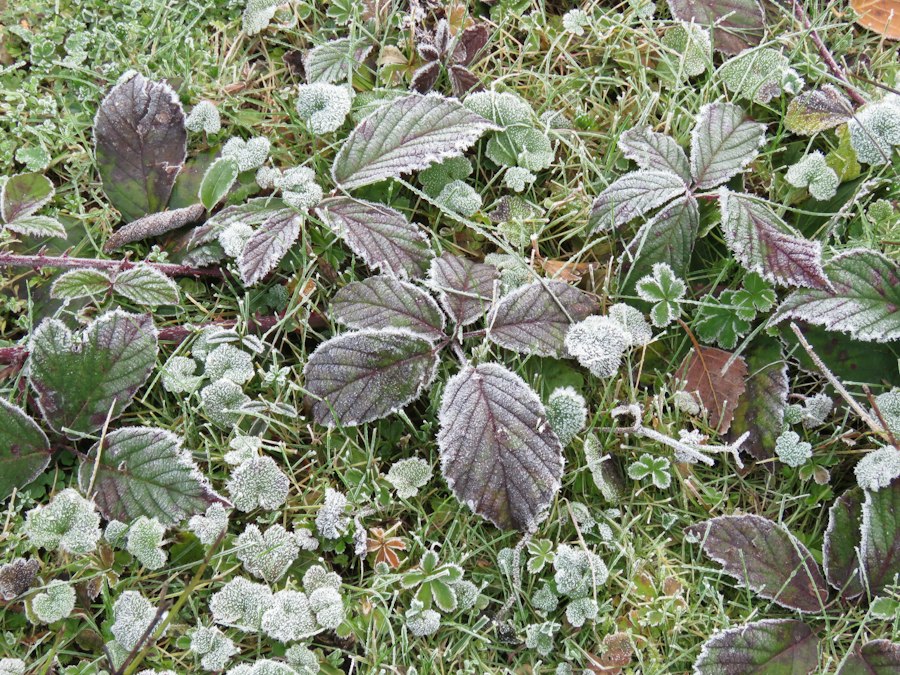
The first and most crucial step in successful winter root foraging is the ability to identify plants that will yield edible roots even after enduring frost and freezing temperatures. Many plants, particularly perennials, invest significant energy in their root systems to survive harsh winters, storing vital nutrients for the spring thaw. These stored reserves become accessible to the determined forager. The challenge lies in recognizing these plants in their dormant state, when above-ground signs are often scarce or significantly altered by the cold.
The Silent Sentinels: Recognizing Dormant Above-Ground Indicators
Even in winter, many plants leave subtle clues to their identity and the presence of their edible roots. Experienced foragers learn to read these “silent sentinels.” The desiccated remains of flowering stalks, seed heads, or even the characteristic shape of dried leaves can be invaluable identifiers. For example, the dried stalks of plants like chicory or dandelion, though withered, often retain their distinctive forms and can be located by their characteristic basal rosettes of leaves, even if these are frostbitten and brown. The key is to familiarize oneself with the appearance of these plants throughout the entire year, observing their life cycle from spring growth to summer bloom and finally to their dormant winter state.
Persistence of Foliage: Deciduous Clues
While most above-ground parts of plants will succumb to frost and snow, some species retain a portion of their foliage, albeit in a altered state. These persistent leaves, often leathery or dried, can serve as crucial markers. For instance, wintergreen plants (though not typically root-foraged for their roots alone) retain their leaves year-round, and their presence indicates the possibility of nearby related species with edible roots. Similarly, some evergreen ferns might still offer hints of their location. The texture, color, and remaining structure of this foliage are vital pieces of the identification puzzle.
The Ghost of Seasons Past: Seed Heads and Stalks
The remnants of a plant’s reproductive efforts – its seed heads and stalks – are often remarkably resilient to winter’s wrath. The dried, brittle stalks of many herbaceous perennials can stand long after their leaves have disintegrated. These can include the woody stalks of plants like burdock, whose formidable seed burrs can persist, or the sturdy stems of wildflowers that once held vibrant blooms. Recognizing the shape and size of these dried remnants, and knowing which plants they belong to, is a significant advantage. For example, the distinctive, bristly seed heads of burdock are a clear indicator of the presence of its substantial taproot.
Below the Snow Line: Understanding Dormancy and Root Structure
The true prize lies beneath the frozen surface. Understanding how plants store energy in their roots and how these roots respond to dormancy is fundamental to successful winter foraging.
Nutrient Storage and Resilience: The Root’s Winter Strategy
Perennial plants, in particular, have evolved sophisticated strategies to survive freezing temperatures. They cease active growth and divert their resources to their root systems, creating energy reserves that will fuel new growth in the spring. These stored carbohydrates and other nutrients make the roots not only viable but often sweeter and more palatable after a frost, as the freezing and thawing process can break down some of the plant’s complex sugars into simpler, more digestible forms. The depth and spread of these roots will vary significantly by species, influencing the foraging technique required.
The Frost Line Factor: Navigating the Frozen Soil
The depth to which the ground freezes is a critical consideration. In regions with deep freezes, the uppermost layer of soil can become impenetrable. Foragers must understand the typical frost line in their area and target plants whose edible roots lie within accessible depths. Some plants, like wild carrots (Daucus carota), have taproots that extend quite deeply, making them a challenge but not an impossibility in milder freezes or in areas with less dense soil. Conversely, shallow-rooted plants might be more accessible, though they may also be more susceptible to complete desiccation or damage from extreme cold.
Essential Tools and Techniques for Frozen Ground Foraging
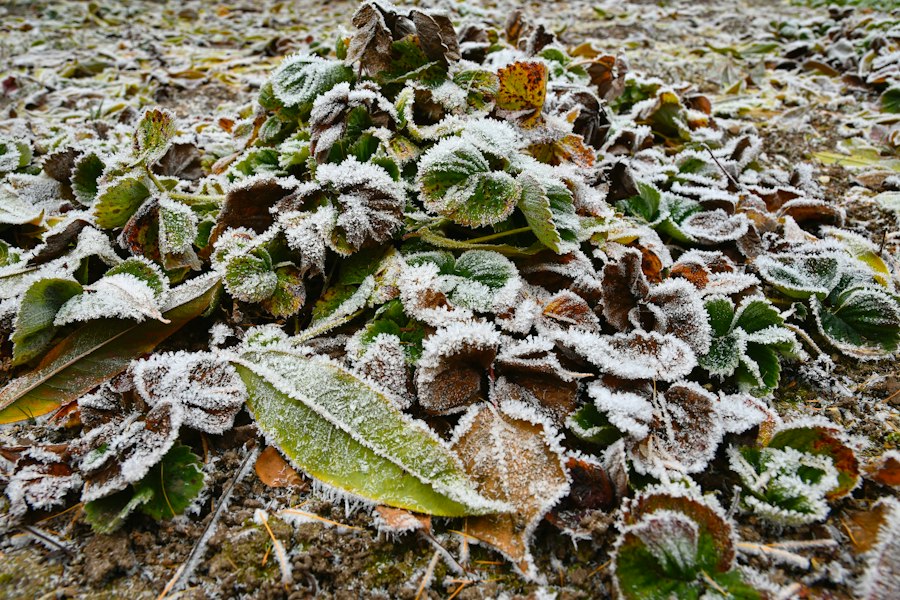
Successfully extracting edible roots from frozen ground requires more than just knowledge; it demands specific tools and adapted techniques. The frozen earth presents a formidable barrier that requires careful and methodical approaches.
The Forager’s Arsenal: Gear for the Cold
A well-equipped forager can navigate the challenges of frozen terrain with greater ease and efficiency. The tools employed are designed to break through ice and frost, protect the forager, and preserve the harvested bounty.
Digging Implements: Breaking Through the Frost
Standard trowels and shovels can struggle against frozen soil. Specialized tools are often necessary. A strong, pointed digging bar or a sturdy spade with a sharpened edge can be effective for breaking through the initial frost layer. For deeper or more compacted frozen ground, a sturdy hand axe or a mattock can be employed with caution to loosen the soil. It is crucial to remember that these tools are for breaking soil, not for hacking at roots, which can damage them. Environmental considerations also play a role; excessive force can cause unnecessary disturbance to the ground.
Protective Gear: Staying Warm and Safe
Foraging in sub-zero temperatures necessitates robust protective clothing. Insulated, waterproof boots are essential to keep feet warm and dry. Thick gloves, ideally waterproof and insulated, will protect hands from the cold and provide grip. Layers of warm clothing, including thermal underwear, fleece, and a windproof outer layer, are crucial for maintaining core body temperature. A warm hat and scarf or balaclava are vital for preventing heat loss from the head and face.
Extraction Strategies: Unearthing Winter’s Bounty
Once a potential root is located, the extraction process must be carefully considered to avoid damage to both the root and the surrounding environment.
Strategic Excavation: Gentle Persuasion
The key to successful root extraction from frozen ground is patience and a systematic approach. Instead of brute force, a strategy of gradual loosening and gentle persuasion is paramount. Begin by clearing any snow or ice from the immediate vicinity of the suspected root. Then, use the digging implement to carefully chip away at the frozen soil around the perimeter of the plant’s base. Work in layers, gradually deepening the excavation. If the soil is particularly resistant, consider using a tool like a sturdy stick or even warm water (if ethically and practically feasible) to slightly thaw a small area, making it easier to work.
Dealing with Ice and Thaw: Adapting to Conditions
Ice can form a significant barrier. If the soil is heavily encrusted with ice, it may be necessary to use a tool to break up larger ice chunks before attempting to dig. In some cases, the natural temperature fluctuations during the day might offer a brief window of opportunity as the sun warms the surface. However, relying on these brief thaws can be unpredictable. A more reliable method might involve bringing a thermos of warm water to gently pour over a small section of soil, loosening it enough for excavation. This should be done judiciously, as excessive water can refreeze and create a worse problem, and it can also impact the surrounding delicate ecosystem.
Preserving the Harvest: Post-Extraction Care
Once a root has been successfully extracted, it needs immediate attention. Brush off as much soil as possible, being careful not to damage the root’s delicate outer layers. If the root is particularly dirty, it can be gently rinsed with cold water. For longer-term storage or transport, wrap the roots in damp cloth or place them in a breathable bag to prevent them from drying out. If you are unable to process the roots immediately, consider storing them in a cool, dark place, perhaps buried in a cool cellar or packed in sand or sawdust.
Top Edible Roots for Winter Foraging: A Curated Selection
While many plants retreat into dormancy, a select few offer particularly rewarding edible roots for the winter forager. These species have developed robust root systems that store ample nutrients and remain viable even after facing the rigors of freezing temperatures.
The Hardy Survivors: Species to Seek Out
Focusing on well-known and reliably identifiable species will increase the success and safety of winter root foraging.
Burdock (Arctium lappa and Arctium minus): A Prized Taproot
Burdock is a classic winter forager’s target. Its large, fleshy taproot is nutritious and can be prepared in various ways. The plant is easily identifiable even in winter by its large, dried seed heads, often described as burrs, which cling tenaciously to clothing and fur. The initial leaves of burdock are large and basal, forming a rosette, but these will have withered by winter. The key is to locate the distinctive seed stalks that remain standing throughout the winter. The taproot can be quite deep, requiring significant effort to extract, but its sweet, earthy flavor makes the endeavor worthwhile. It is often compared to sunchokes or parsnips.
Dandelion (Taraxacum officinale): More Than Just a Weed
The common dandelion, often dismissed as a nuisance, offers a valuable edible root. While the leaves will be desiccated or frostbitten in winter, the persistent, slightly bitter taproot can still be dug. It is identifiable by the dried remnants of its flower stalks and the characteristic toothed leaf margins, even if only the dried bases are visible. Dandelion roots are often roasted and ground to make a coffee substitute, or they can be boiled and eaten, though they are quite bitter. They are best consumed in moderation.
Chicory (Cichorium intybus): A Bitter but Beneficial Root
Chicory, known for its striking blue flowers in summer, also yields an edible root that is particularly useful in winter. The dried stalks and seed heads are often persistent, providing a visual cue. The root is long and slender and can be prepared similarly to dandelion root, often roasted and used as a coffee substitute due to its inulin content. It possesses a strong, bitter flavor that can be appealing to some palates.
Cattail (Typha spp.): Subaquatic Sustenance
While often associated with wetlands, the rhizomes of cattails are an excellent source of carbohydrates and can be foraged in frozen environments where the water has partially frozen but the ground around the edges remains accessible. The long, horizontal rhizomes are starchy and can be roasted, boiled, or ground into flour. The above-ground green leaves will have died back, but the distinctive brown seed heads often persist, making identification possible even in the frozen landscape. Accessing these rhizomes can be challenging due to the waterlogged and frozen soil.
Gathering edible roots in frozen environments can be a challenging yet rewarding endeavor, especially for those looking to sustain themselves in harsh climates. For insights on how to preserve land and combat desertification, which can indirectly relate to understanding the resilience of various plant species, you might find this article helpful. It discusses various strategies that can be applied to different ecosystems, including the importance of maintaining biodiversity in challenging environments. You can read more about it in this article.
Safety and Ethical Considerations in Winter Foraging
| Metric | Value | Unit | Notes |
|---|---|---|---|
| Average Root Depth | 15 | cm | Depth at which edible roots are typically found beneath frozen soil |
| Soil Temperature Range | -5 to 0 | °C | Temperature range where roots remain edible and accessible |
| Root Moisture Content | 60-75 | % | Percentage of water content in roots harvested from frozen environments |
| Harvesting Time | 2-4 | hours/day | Optimal daily time spent gathering roots to avoid frostbite and exhaustion |
| Energy Yield | 350-450 | kcal per 100g | Caloric energy provided by edible roots gathered in frozen environments |
| Common Root Types | Wild Carrot, Burdock, Jerusalem Artichoke | N/A | Examples of edible roots found in cold, frozen soils |
| Tools Required | Digging Stick, Small Shovel | N/A | Essential tools for extracting roots from frozen ground |
| Risk Factors | Frostbite, Hypothermia, Misidentification | N/A | Potential hazards during root gathering in frozen environments |
Foraging in any environment carries inherent risks and responsibilities. These are amplified in the harsh conditions of winter. A commitment to safety and ethical practices is paramount to ensure a positive and sustainable experience.
Prioritizing Personal Safety: Navigating Winter’s Dangers
The cold itself is a significant hazard, and foraging in winter requires a proactive approach to safety.
Preventing Hypothermia and Frostbite: Dressing for the Elements
As previously mentioned, proper insulation and layering are non-negotiable. It is vital to monitor for signs of hypothermia (shivering, confusion, slurred speech) and frostbite (numbness, white or grayish skin). If any of these symptoms appear, immediate warmth and medical attention are required. It is always advisable to forage with a companion, especially in remote or challenging conditions.
Navigating Treacherous Terrain: Ice, Snow, and Open Water
Frozen landscapes can present hidden dangers. Thin ice on bodies of water, snow-covered crevasses, and slippery surfaces are all risks. Always test ice before walking on it, and be aware of your surroundings. Stick to known and safe paths whenever possible. Carrying a basic first-aid kit, a reliable navigation tool (map and compass or GPS), and a fully charged mobile phone is essential. Inform someone of your intended foraging location and expected return time.
Environmental Stewardship: Respecting the Ecosystem
Responsible foraging ensures that these natural resources will be available for future generations.
Sustainable Harvesting Practices: Taking Only What You Need
Never over-harvest any single plant. When digging roots, try to leave a significant portion of the root system intact to allow the plant to regenerate. For perennial plants, this is especially important. Learn to identify immature plants and avoid digging them. The goal is to take only what is needed and to ensure the long-term health of the plant population.
Minimizing Your Footprint: Leave No Trace
Beyond sustainable harvesting, it is crucial to minimize your overall impact on the environment. Avoid trampling delicate vegetation, and pack out everything you pack in, including any waste. Repair any soil disturbance caused by your foraging activities as much as possible. Consider the impact of your presence on local wildlife.
Preparing and Utilizing Winter Harvested Roots
The edible roots unearthed from frozen ground, while hardy, require proper preparation to unlock their full flavor and nutritional potential. The methods used can transform these resilient edibles into delicious and satisfying meals.
From Earth to Plate: Processing and Cooking Techniques
The character of winter roots often lends itself to specific culinary treatments.
Cleaning and Peeling: Removing the Winter’s Grime
Once harvested, the roots will likely be caked in frozen soil. The first step is thorough cleaning. A stiff brush is invaluable for removing dry dirt. For more stubborn soil, a gentle rinse with cold water may be necessary. Many winter roots have tough outer skins that benefit from peeling. This can be done with a sharp knife or a vegetable peeler. The goal is to remove the outer layer to reveal the more tender, edible interior.
Cooking Methods: Unlocking Flavor and Texture
Winter roots often require longer cooking times to break down their starches and develop their best flavor. Roasting is a particularly effective method, concentrating their natural sugars and creating a delightful sweetness and slightly caramelized exterior. Tossed with oil, salt, and herbs, roots like burdock and dandelion become savory delights. Boiling or steaming are also viable options, though they may not bring out the same depth of flavor as roasting. Some roots, like cattail rhizomes, can be quite starchy and can be ground into flour for baking.
Culinary Applications: Incorporating Roots into Your Diet
These foraged roots can be versatile additions to a winter diet.
Roasts and Stews: Hearty Winter Fare
The robust nature of winter roots makes them ideal for inclusion in hearty stews, casseroles, and roasted dishes. Their earthy flavors can complement a variety of meats and vegetables, adding depth and complexity. Imagine roasted burdock alongside a winter squash or dandelion roots simmered in a savory broth.
Coffee Substitutes and Flour: Beyond the Usual
As mentioned, roasted dandelion and chicory roots have long been used as a coffee substitute. Their slightly bitter, roasted flavor can be surprisingly satisfying. Furthermore, some starchy roots, like cattail rhizomes, can be dried and ground into a flour, offering a unique gluten-free option for baking. Experimentation is key to discovering the full culinary potential of these winter treasures.

Life 20,000 Years Ago: How Humans Survived the Ice Age
FAQs
What are some common edible roots that can be found in frozen environments?
Common edible roots that can be found in frozen environments include wild carrots, wild onions, cattails, and burdock roots.
How can I identify edible roots in frozen environments?
Edible roots can be identified by their distinct features such as color, shape, smell, and texture. It is important to research and learn about the specific characteristics of each type of root before foraging.
Are there any safety precautions to consider when gathering edible roots in frozen environments?
It is important to be cautious of potential hazards such as thin ice, slippery surfaces, and extreme cold temperatures when gathering edible roots in frozen environments. It is recommended to dress warmly, bring necessary supplies, and be aware of your surroundings at all times.
What tools are essential for gathering edible roots in frozen environments?
Essential tools for gathering edible roots in frozen environments include a sturdy shovel or digging tool, gloves for protection, a container for collecting the roots, and a field guide for plant identification.
Can I consume the edible roots raw or do they need to be cooked?
While some edible roots can be consumed raw, it is generally recommended to cook them to eliminate any potential bacteria or parasites. Cooking also helps to enhance the flavor and make the roots easier to digest.