The popular image of early humans, the Neanderthals and their Homo sapiens predecessors, often conjures a vision of powerful hunters, relentlessly pursuing mammoths and other megafauna across frozen landscapes. This “carnivore bias” in our perception of Paleolithic diets is understandable; the drama of the hunt, the symbolic importance of meat in many hunter-gatherer societies, and the sheer nutritional density of animal flesh make it a compelling centerpiece of our ancestral eating habits. However, a growing body of scientific evidence, painstakingly gathered through archaeological excavation, isotopic analysis, and paleoenvironmental reconstructions, paints a far more nuanced and complex picture. The “Ice Age diet” was not solely, or even predominantly, a meat-based affair for many populations. Instead, it was a diverse and adaptable culinary tapestry woven from a surprising array of plant foods, fungi, and other non-animal resources, depending heavily on the specific environment and the ingenuity of our ancient ancestors.
Unearthing the Plant-Based Evidence
The challenge in reconstructing the diet of ancient hominins lies in the perishable nature of plant matter. Unlike the robust bones of animals, which can persist for tens of thousands of years, the roots, tubers, leaves, seeds, and fruits that formed a significant portion of their sustenance often decay, leaving scant direct evidence. For a long time, this scarcity of botanical remains meant that the meat-centric view held sway. However, innovative scientific techniques have begun to unlock the secrets held within the earth, revealing the true breadth of the Ice Age larder.
Direct Evidence from the Archaeological Record
While direct preservation of plant foods from the Paleolithic is rare, it is not nonexistent. In exceptional circumstances, such as waterlogged sites or arid caves, fragments of edible plants have been discovered. For instance, charred seeds and nutshells found at various prehistoric sites provide tangible proof of their consumption. Similarly, fossilized pollen grains can offer clues about the types of plants that were available in a given region during a specific period, indirectly suggesting their potential dietary role. The discovery of grinding stones and pestles, often associated with processing grains or tubers, further supports the idea that plant materials were regularly prepared and consumed. These tools, dating back tens of thousands of years, predate the widespread adoption of agriculture by millennia, demonstrating an early mastery of plant processing techniques.
Indirect Clues from Tools and Artifacts
The design and context of stone tools themselves can provide compelling insights into dietary practices. While many tools are clearly designed for butchering and processing meat, others suggest a different purpose. Scrapers, for example, might have been used to prepare animal hides, but also to process plant materials like bark or reeds. The presence of finely crafted blades, too delicate for heavy-duty butchery, could have been employed for harvesting tender shoots or stripping edible leaves. Furthermore, the location of archaeological sites themselves can offer clues. Settlements found near abundant sources of wild grains, tubers, or edible fruits strongly suggest that these resources were exploited. The absence of large game hunting evidence in certain sites, coupled with the presence of plant processing tools, further strengthens the argument for a significant plant component in the diet.
Isotopic Signatures: The Chemical Fingerprints of Food
One of the most powerful tools in reconstructing ancient diets is stable isotope analysis. By examining the ratios of different isotopes (atoms of the same element with different numbers of neutrons) of carbon and nitrogen found in fossilized human teeth and bones, scientists can infer the relative proportions of plant and animal matter consumed. Carbon isotopes, particularly the ratio of carbon-13 to carbon-12 ($delta^{13}$C), can distinguish between plants that utilize different photosynthetic pathways (C3 and C4 plants). In many Ice Age environments, C3 plants (like most trees, shrubs, and temperate grasses) were dominant. Animal tissues reflect the isotopic signature of the plants they consume, and human tissues, in turn, reflect the isotopic signature of the animals and plants they eat. A higher $delta^{13}$C value in human remains often indicates a diet richer in animal protein. Nitrogen isotopes ($delta^{15}$N) provide information about the trophic level of an individual’s diet. A higher $delta^{15}$N value signifies a greater reliance on animal protein, as animals accumulate heavier nitrogen isotopes as they consume other organisms. By analyzing these isotopic signatures from numerous individuals across different time periods and geographical locations, researchers can build a detailed picture of dietary variations. For example, isotopic studies of Neanderthal remains have revealed a more diverse diet than previously assumed, with some populations showing evidence of significant plant consumption alongside meat. Similarly, early Homo sapiens in Europe have demonstrated a considerable reliance on plant resources, especially during interglacial periods when vegetation was more abundant.
While much of the focus on Ice Age humans revolves around their hunting practices and reliance on meat, it’s important to consider the diverse diet they may have had, which likely included a variety of plant-based foods. For a deeper understanding of how ancient diets were shaped by environmental challenges, you might find the article on the challenges of overland shipping between the U.S. and Mexico insightful. It explores how logistics and resource availability can impact food distribution, drawing parallels to how Ice Age humans adapted their diets based on their surroundings. You can read more about it here: The Challenges of U.S.-Mexico Overland Shipping.
The Diverse World of Paleolithic Plant Foods

The notion that Ice Age humans subsisted solely on meat overlooks the vast botanical diversity available to them and the sophisticated knowledge they possessed to identify and utilize it. From the frozen north to warmer climes, a remarkable array of edible plants provided essential nutrients, complementing or even substituting for animal protein.
Seeds, Grains, and the Dawn of Plant Processing
While the large-scale cultivation of grains is a hallmark of the Neolithic Revolution, wild grasses and cereals were abundant and highly nutritious during the Paleolithic. Ancient humans recognized the value of these seeds, collecting them and, crucially, developing methods to process them. Grinding stones, as mentioned earlier, were essential for breaking down the tough husks of wild grains, making them digestible. This process likely involved pounding or milling seeds into flours, which could then be baked into rudimentary breads or porridges. Archaeological evidence suggests that this plant processing was not a recent innovation but had roots stretching back tens of thousands of years. The discovery of large caches of wild seeds at some Paleolithic sites indicates organized collection and storage strategies, highlighting the importance of these resources in their subsistence.
Roots, Tubers, and Underground Wealth
The Earth’s bounty extends beneath the surface, and ancient humans were adept at unearthing nutritious roots and tubers. These starchy underground organs provided a valuable source of carbohydrates, essential for energy. Plants like wild yams, various species of wild carrots, and a host of other edible roots were likely important components of the Paleolithic diet, especially in regions where large game was scarce or unpredictable. Harvesting these resources often required specialized tools and knowledge to distinguish edible varieties from poisonous ones. The presence of digging sticks and other implements associated with excavating the earth at Paleolithic sites further supports the widespread use of root vegetables. These tubers could be eaten raw, but more commonly, they were likely roasted or boiled to improve digestibility and palatability, a process that would have also neutralized some naturally occurring toxins.
Fruits, Berries, and Seasonal Delicacies
The seasonal availability of fruits and berries offered a vital source of vitamins, minerals, and natural sugars. During warmer months, forests and open woodlands would have been rich with edible fruits, from wild apples and berries to various nuts. These would have provided a welcome supplement to the diet, adding sweetness and essential micronutrients. While fruits are perishable and leave little trace, their importance is inferred from the geographical distribution of edible fruiting plants and the presence of associated tools. The collection of nuts, in particular, was likely a significant activity, as they are calorie-dense and can be stored for extended periods.
Beyond Plants: Fungi, Insects, and Other Unsung Heroes
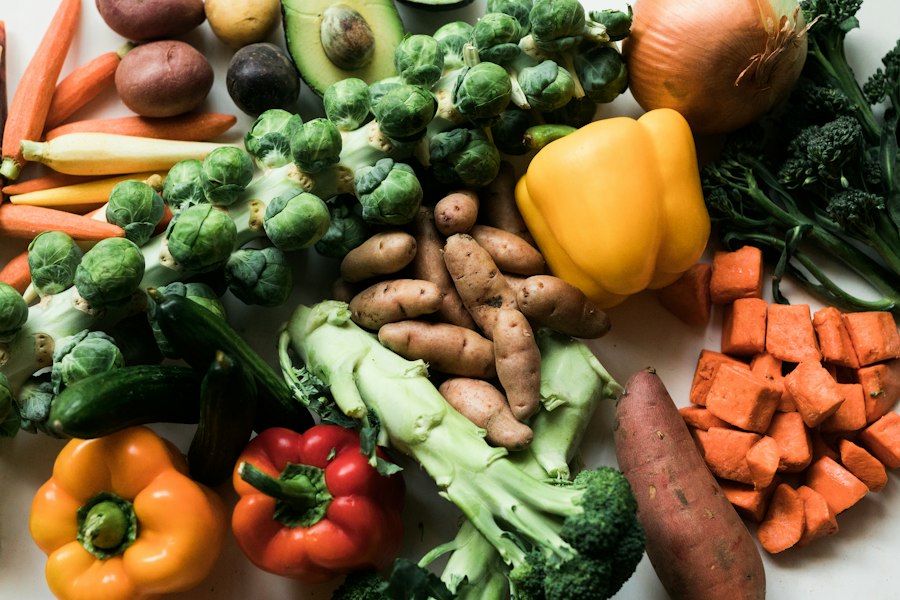
The dietary landscape of the Ice Age was not limited to plants and animals. Our ancestors were opportunistic foragers, likely exploiting a wider range of food sources than we often consider.
The Role of Fungi in the Paleolithic Diet
Mushrooms and other edible fungi, while often overlooked in discussions of ancient diets, were almost certainly a part of the Ice Age menu. Fungi are a rich source of protein, vitamins, and minerals, and their presence in diverse environments would have made them a readily available food source. While direct archaeological evidence for the consumption of fungi is exceedingly rare due to their perishable nature, their ecological ubiquity suggests their inclusion in the diet. Some researchers hypothesize that the knowledge of edible and medicinal fungi would have been a critical survival skill passed down through generations, with specific species identified and their properties understood.
Insect Consumption: A Protein Powerhouse
Insects represent a readily accessible and highly nutritious food source, rich in protein, fats, and essential minerals. Many modern hunter-gatherer societies incorporate insects into their diets, and it is highly probable that our Ice Age ancestors did the same. Grubs, ants, termites, and various other edible insects would have been relatively easy to collect, especially from decaying wood or ant nests. While direct evidence is scarce, the universal presence of insects across virtually all terrestrial environments makes their consumption by early humans a plausible and indeed likely dietary practice. The minimal energy expenditure required to gather them, coupled with their nutritional value, makes insects an ideal opportunistic food source.
Other Foraged Resources: Algae, Lichens, and More
Depending on the geographical location and available resources, early humans may have also consumed a variety of other food items. This could include edible algae from freshwater sources or coastal regions, as well as various lichens, which, while often unpalatable in their raw state, can be processed to become edible and provide sustenance during times of scarcity. The ability to adapt and utilize a wide range of food sources was a crucial factor in the survival and expansion of early human populations across diverse and often challenging environments. This flexibility in diet allowed them to thrive in areas where reliance on a narrow range of food sources would have been precarious.
Regional Variations and Adaptability: The Ice Age Diet Was Not Monolithic
It is crucial to understand that the “Ice Age diet” was not a singular, uniform entity. Instead, it was a highly variable and adaptable culinary strategy that differed significantly based on geographical location, climate, and the specific ecological niches occupied by different human populations.
Adapting to Glacial Extremes: North and Central Europe
In the harsh, glacial environments of Northern and Central Europe during the height of the Ice Age, large game animals like mammoths, woolly rhinoceros, and reindeer likely played a more prominent role in the diet of some populations. The sheer abundance of these animals and their high caloric and fat content would have been essential for survival in these cold climates. However, even in these regions, plant foods would have been utilized opportunistically when available, particularly during interglacial periods when vegetation was more widespread. Evidence from sites in these areas often focuses on hunting tools and animal remains, but a closer examination sometimes reveals processed plant materials or hearths where they might have been cooked. The isotopic analysis of human remains from these regions can also show fluctuations, indicating periods of greater reliance on plant matter when it was seasonally available.
Mediterranean and Southern Europe: A More Diverse Larder
In the more temperate and diverse environments of the Mediterranean basin and Southern Europe, the diet of Ice Age humans was likely more varied, with a greater emphasis on plant resources. These regions offered a richer array of edible plants, including a wider variety of fruits, nuts, seeds, and tubers. Coastal areas would have provided access to marine resources like shellfish and fish, further diversifying the diet. Archaeological sites in these areas often reveal a broader spectrum of tools, including those suited for plant processing and fishing, alongside evidence of hunting. Isotopic studies from these regions tend to show a more balanced diet between plant and animal protein compared to their northern counterparts. The presence of abundant wild cereals and legumes would have provided a substantial carbohydrate base, reducing the sole reliance on meat for energy.
Other Ice Age Landscapes: Africa, Asia, and Beyond
The dietary patterns of Ice Age hominins in Africa and Asia would have been equally diverse, shaped by their unique environments. In Africa, with its diverse habitats ranging from savannas to forests, a wide array of plant foods, including fruits, roots, and seeds, would have been available. Early humans in Asia would have adapted to a multitude of environments, from the frozen steppes of Siberia to the lush forests of Southeast Asia, each presenting its own unique set of dietary opportunities and challenges. The remarkable adaptability of early humans allowed them to exploit whatever resources were available, demonstrating an incredible capacity for innovation and resourcefulness in their pursuit of sustenance. This geographical variation underscores the fact that there was no single “Ice Age diet” but rather a mosaic of dietary strategies tailored to specific ecological circumstances.
While much of the focus on Ice Age humans revolves around their hunting practices and reliance on meat, recent studies have revealed that they also had a diverse diet that included various plants, nuts, and seeds. This broader understanding of their nutritional habits highlights the adaptability of early humans in different environments. For those interested in exploring how preparation and resource management can apply to modern challenges, you might find this article on economic strategies insightful. You can read more about it here.
Reimagining Our Ancestors: Implications for Modern Health and Cuisine
| Food Category | Examples | Notes |
|---|---|---|
| Plants | Roots, tubers, berries, nuts, seeds | Gathered seasonally; important source of vitamins and fiber |
| Fruits | Wild berries, fruits from shrubs and trees | Consumed when in season; provided sugars and nutrients |
| Vegetables | Leafy greens, edible shoots, wild herbs | Used for flavor and nutrition; often eaten raw or cooked |
| Insects and Larvae | Ants, termites, grubs | High in protein and fat; supplementary food source |
| Shellfish and Fish | Mollusks, crustaceans, freshwater and marine fish | Important in coastal and riverine communities |
| Eggs | Bird eggs | Seasonal source of protein and fat |
The growing understanding of the diverse and often plant-rich diets of our Ice Age ancestors has profound implications, not only for our scientific understanding of human evolution but also for contemporary discussions about nutrition, health, and even culinary inspiration.
The Paleolithic Diet: A Nuanced Perspective
The modern “Paleolithic diet” movement, which advocates for eating foods believed to resemble those available to early humans, often focuses on lean meats, fruits, and vegetables, while excluding processed foods, grains, and dairy. While this approach has gained popularity, the latest scientific findings suggest that the actual Paleolithic diet was far more complex and varied than often portrayed. The inclusion of a wider range of plant-based foods, fungi, and possibly insects, as well as the significant regional variations, offers a more nuanced perspective. This realization challenges simplistic interpretations and encourages a more holistic approach to understanding what constitutes a “natural” or “ancestral” diet. It suggests that our ancestral diets were not necessarily devoid of carbohydrates from grains or starches from tubers, but rather that these were consumed in their wild, unprocessed forms.
Lessons for Modern Nutrition and Health
The dietary adaptability of our Ice Age ancestors offers valuable lessons for modern nutrition. Their ability to thrive on a diverse range of natural foods, rather than a limited selection, highlights the importance of variety and nutrient density. The emphasis on whole, unprocessed foods, whether plant or animal, that characterized their diets, stands in stark contrast to the highly processed and often nutrient-poor foods that dominate many modern diets. Understanding the metabolic adaptations that arose from these ancient diets could also provide insights into contemporary health issues like obesity, diabetes, and cardiovascular disease. The potential benefits of incorporating a wider array of wild or traditionally grown plant foods into our diets, embracing seasonal eating, and reducing our reliance on ultra-processed foods are all areas where the study of ancient diets can offer guidance.
Culinary Inspiration from the Past
The rediscovery of the diverse Ice Age diet can also spark culinary innovation. By looking beyond the current mainstream food landscape, we can draw inspiration from the resourceful foraging strategies of our ancestors. This might involve exploring the culinary potential of wild edibles (with appropriate knowledge and caution), experimenting with ancient grains and legumes in their less processed forms, and appreciating the nutritional value of a wider spectrum of natural ingredients. The challenges and ingenuity of Ice Age cooks in preparing and preserving food also offer a glimpse into a more intimate and earth-connected approach to cuisine, reminding us of the deep history and cultural significance of what we eat. This historical perspective can encourage a greater appreciation for the origins of our food and the incredible journey it has taken to reach our plates.

Life 20,000 Years Ago: How Humans Survived the Ice Age
FAQs
1. What plant-based foods did ice age humans consume?
Ice age humans consumed a variety of plant-based foods such as fruits, nuts, seeds, roots, tubers, and leafy greens. They foraged for these foods in their environment to supplement their diet.
2. Did ice age humans eat grains or dairy products?
Grains and dairy products were not part of the diet of ice age humans as agriculture had not been developed yet. They relied on hunting and gathering for their food sources.
3. How did ice age humans obtain their plant-based foods?
Ice age humans obtained plant-based foods by foraging in their surroundings. They would gather fruits, nuts, seeds, roots, and other edible plants that were available in their environment.
4. Were ice age humans able to preserve or store food for later consumption?
Ice age humans did not have advanced methods of food preservation like we do today. They likely consumed food shortly after gathering or hunting it, as they did not have the means to store food for long periods of time.
5. Did ice age humans have a balanced diet despite the lack of modern food options?
Ice age humans had a balanced diet by consuming a variety of foods available in their environment. While meat was a significant part of their diet, they also supplemented it with plant-based foods to ensure they received a range of nutrients necessary for survival.