The Apprenticeship of the Ancients: How Prehistoric Children Absorbed Crucial Survival Knowledge
The image of prehistoric children often conjures visions of them trailing their parents, mimicking actions, and largely oblivious to the serious business of survival. However, this perception belies a far more intricate and effective system of knowledge transfer that was deeply embedded in the fabric of Paleolithic and Neolithic societies. For young hominids, learning was not an abstract pursuit confined to specialized institutions; it was a constant, immersive apprenticeship, woven into every aspect of daily life. From the earliest stages of infancy, children were observers, participants, and ultimately, inheritors of a vast repository of survival skills honed over millennia. This learning process was not a passive reception of information but an active engagement, driven by necessity, social structure, and the inherent curiosity of the developing mind.
The learning environment for prehistoric children was inherently experiential. There were no textbooks, no formal lectures, and certainly no graded assignments. Instead, the natural world, the community, and the practical demands of sustenance formed the ultimate classroom. The very survival of the group hinged on the successful transmission of skills related to food acquisition, shelter construction, tool manufacture, predator evasion, and social cooperation. Children, therefore, were not merely passive observers of these vital activities; they were integral to the process, gradually taking on responsibilities and internalizing the knowledge necessary to thrive in their often-harsh environments. This lifelong learning was not a burden but a fundamental aspect of their existence, shaping their development and ensuring the continuity of their culture.
In exploring how prehistoric children learned survival skills, it’s fascinating to consider the broader implications of skill acquisition in various contexts. An insightful article that delves into the economic impacts of skill development in modern times can be found at this link. While the article focuses on contemporary issues, it draws parallels to how essential skills have always been vital for survival, whether in prehistoric societies or today’s economy. Understanding these dynamics can provide a richer perspective on the importance of learning and adaptation across different eras.
The Immersive Kindergarten: Learning Through Play and Observation
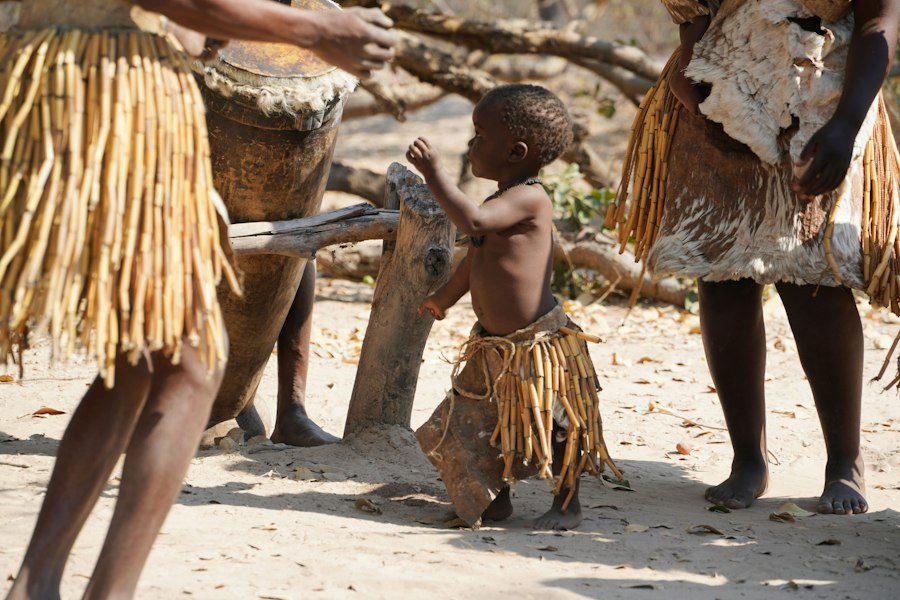
From the moment a prehistoric child could crawl, their world became a vast, living laboratory. The concept of “play” as distinct from “learning” likely held little meaning in these societies. Instead, the activities that we might label as play were often, in essence, early forms of skill acquisition and experimentation. Running, climbing, chasing small animals, manipulating stones and sticks – these seemingly simple actions were laying the groundwork for more complex behaviors and understandings. The natural world offered an endless array of stimuli, from the rustling leaves that might indicate prey or predator to the texture of different rocks that could be used for tools.
Mimicking the Masters: Early Stages of Skill Absorption
The primary mode of learning for very young children was imitation. They watched their elders with an intensity born of both curiosity and the innate drive to belong and contribute. A child might spend hours observing their mother knapping a flint tool, their father setting a snare, or their grandmother identifying edible plants. While their initial attempts would be crude and often unsuccessful, the sheer volume of observation and repeated exposure allowed them to gradually internalize the nuances of these processes. The gentle correction and guidance from elders, delivered through gestures, sounds, and patient repetition, were crucial in refining these nascent skills.
The sounds and smells of the encampment also played a significant role in learning. The crackle of fire, the scent of roasting meat, the calls of the hunt, the murmurs of the community – these sensory inputs were all part of a complex educational tapestry. Children learned to associate specific sounds with danger, food, or social interaction. The smell of a particular plant might signal its edibility, while the scent of a distant predator would trigger an instinctive alertness. This sensory immersion provided a foundational understanding of their environment that went far beyond mere visual observation.
Games with a Purpose: Play as Practice
The activities that might appear to be unstructured play were often, in fact, highly functional. A game of “tag” could be an early lesson in agility and evasion. Throwing stones at targets, whether inanimate objects or small, harmless creatures, was practice for the more serious act of hunting or defense. Building rudimentary shelters from branches and leaves, even if just for imaginary play, was an introduction to the principles of construction and shelter. These seemingly playful endeavors were the prehistoric child’s first forays into the practical applications of their physical and cognitive abilities, preparing them for the more demanding tasks ahead.
The social aspect of play was also paramount. Children learned to cooperate, to share, and to negotiate within their peer group. This early experience with social dynamics was vital for functioning within the larger community, where collaboration was essential for survival. They learned the unwritten rules of group behavior, the importance of taking turns, and the consequences of conflict. These seemingly informal interactions were, in fact, crucial for developing the social intelligence required to navigate complex human relationships.
The Apprenticeship Begins: Formalizing Essential Skills
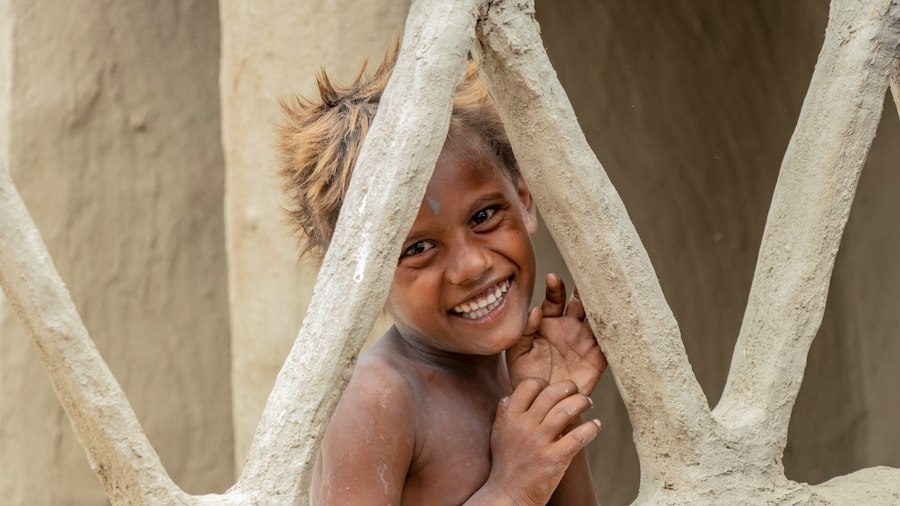
As children grew older, their learning transitioned from passive observation and imitation to more active participation and direct instruction. The informal “games” of early childhood gave way to more structured, albeit still hands-on, training in the essential skills that underpinned their community’s survival. This period marked the beginning of a more deliberate apprenticeship, where each child was being groomed for their eventual role within the society. The emphasis remained on practical application, with learning inextricably linked to doing.
The Hunt and Gatherer’s Curriculum: Mastering Food Acquisition
For many prehistoric societies, the ability to acquire food was the most critical skill. Children learned by accompanying their parents on foraging expeditions, starting with the simple identification of familiar and safe edible plants. They would be shown which berries were safe, which roots could be dug up, and which leaves were nutritious. This was not a theoretical lesson; it involved touching, smelling, and tasting under careful supervision. As their knowledge grew, they might be tasked with collecting specific items, gradually increasing their autonomy.
In hunting societies, the process was even more involved. Young boys would begin by observing hunts from a safe distance, learning about animal behavior, tracking, and the strategies employed by the adults. They might be given simple tasks like carrying water or tending the fire while the main hunting party was out. As they gained experience, they would be introduced to the use of basic tools, starting with throwing sticks and then progressing to spears and bows. The goal was not to send them into dangerous hunts immediately but to gradually build their confidence and competence through staged participation. Girls, while often not directly involved in the hunt for large game, would learn about processing meat, preserving food, and the wider knowledge of edible resources that complemented the hunter’s efforts.
Crafting the Tools of Survival: The Art of Toolmaking
The creation of tools was a fundamental aspect of prehistoric life, and children were integral to this process. From a young age, they would be exposed to the sights and sounds of flint knapping, bone carving, and woodworking. They would collect suitable stones, learn to identify different types of wood, and observe the techniques used to shape these materials. Their initial attempts at toolmaking would likely involve simple shaping of stones or the crafting of crude digging sticks.
As they progressed, they would be guided by experienced artisans, learning the subtle yet crucial techniques of striking, grinding, and hafting. The quality of a tool directly impacted its effectiveness and, therefore, the survival of the individual and the group. Children learned to appreciate the importance of precision, the properties of different materials, and the iterative process of refinement. The ability to craft effective tools was not just a technical skill; it was a form of embodied knowledge, passed down through generations of hands-on practice.
Navigating the World: Essential Knowledge for a Precarious Existence
Beyond the immediate necessities of food and tools, prehistoric children were immersed in a broader education that encompassed understanding their environment, respecting its dangers, and functioning effectively within their social unit. This encompassed a range of skills that ensured their safety and the cohesion of the group.
Reading the Signs: Environmental Awareness and Hazard Recognition
The natural world presented constant challenges, and children learned to be acutely aware of their surroundings. This included understanding weather patterns, recognizing the signs of changing seasons, and knowing how to find water sources. More importantly, they learned to identify potential dangers. This meant understanding the territorial behaviors of large predators, recognizing poisonous plants and insects, and being aware of treacherous terrain.
This knowledge was often conveyed through stories, cautionary tales, and direct instruction during excursions. A parent might point out animal tracks and explain what they signified, or warn against touching a particular plant due to its toxic properties. The constant reinforcement of these lessons, coupled with the observation of the consequences faced by those who were less aware, instilled a deep sense of environmental vigilance in young individuals.
The Social Compass: Community, Cooperation, and Conflict Resolution
Survival was not solely an individual endeavor; it was a communal one. Prehistoric children learned the importance of belonging to a group and contributing to its well-being. This involved understanding the social hierarchy, the roles and responsibilities of different members, and the benefits of cooperation. They learned to share resources, to work together on communal tasks, and to support one another in times of need.
Conflict resolution, while perhaps not as formalized as in modern societies, was a crucial aspect of social learning. Children learned to negotiate disputes, to de-escalate tensions, and to understand the importance of maintaining group harmony. Disagreements were likely resolved through a combination of adult intervention, peer mediation, and an understanding of the negative consequences of prolonged conflict for the entire group. The ability to function harmoniously within the community was as vital a survival skill as the ability to hunt or build a shelter.
In exploring how prehistoric children learned survival skills, it is fascinating to consider the ways in which knowledge was passed down through generations. These young learners often observed their elders, mimicking their actions in hunting, foraging, and crafting tools essential for survival. A related article discusses the intricacies of ancient cartography and its significance in understanding early human navigation, which indirectly highlights the importance of spatial awareness and environmental knowledge in survival training. For more insights on this topic, you can read about it in the article on ancient cartography.
Ritual and Tradition: Passing Down Cultural Heritage
| Learning Method | Description | Skills Acquired | Age Range | Effectiveness |
|---|---|---|---|---|
| Observation | Children watched adults and older children perform tasks | Tool use, hunting techniques, gathering plants | 3-10 years | High |
| Imitation | Children mimicked actions of adults and peers | Fire making, crafting, tracking animals | 4-12 years | High |
| Play | Engaging in play that simulated adult tasks | Problem solving, social cooperation, tool handling | 2-8 years | Moderate |
| Direct Teaching | Adults provided explicit instruction and correction | Complex hunting strategies, safety practices | 6-14 years | Moderate to High |
| Trial and Error | Children experimented with tools and techniques | Adaptation, innovation, survival tactics | 5-15 years | Moderate |
As children matured, their learning also encompassed the transmission of cultural heritage, beliefs, and rituals. These elements, while seemingly less directly related to immediate physical survival, were crucial for social cohesion, identity, and a sense of purpose. The passing down of traditions provided a framework for understanding the world, their place within it, and the values of their community.
The Stories of the Elders: Myth, History, and Moral Lessons
Oral tradition played a vital role in prehistoric societies. Elders would recount stories of their ancestors, of great hunts, of significant events, and of the origins of their people. These narratives were not just entertainment; they were a form of living history, conveying valuable lessons about past challenges, successful strategies, and the moral codes that governed their society. Through these stories, children learned about their cultural identity, their lineage, and their connection to the past.
These tales often served as cautionary narratives, illustrating the dangers of disobedience, selfishness, or disrespect for the natural world. They provided a framework for understanding the world through a spiritual or cosmological lens, explaining natural phenomena and reinforcing societal values. The act of listening to and internalizing these stories was a fundamental part of a child’s education, shaping their worldview and their understanding of right and wrong.
The Rhythms of Life: Ceremonies, Celebrations, and Social Bonds
Rituals and ceremonies were integral to the rhythm of prehistoric life. These events, whether marking seasonal changes, celebrating successful hunts, or commemorating important life stages, provided opportunities for communal bonding and the reinforcement of cultural values. Children participated in these rituals from a young age, learning the songs, dances, and symbolic actions that were part of their cultural heritage.
These ceremonies offered a sense of continuity and belonging, connecting individuals to their ancestors and to the larger community. They provided a shared experience that strengthened social bonds and fostered a sense of collective identity. The learning that occurred within these ritualistic contexts was deeply embedded in emotion and sensory experience, making it memorable and impactful.
The Legacy of Early Learning: Resilience and Adaptation
The educational system of prehistoric children, characterized by its immersive, experiential, and community-driven nature, was remarkably effective in producing individuals who were resilient, adaptable, and deeply attuned to their environments. The skills they acquired were not merely for immediate survival but laid the foundation for generations of human development and cultural evolution. The ability to learn, to adapt, and to pass on knowledge was, in itself, one of the most crucial survival skills that early humans possessed.
The children of the Stone Age, through their daily lives of observation, participation, and guided practice, absorbed a wealth of knowledge that was essential for their existence. This hands-on, integrated approach to learning ensured that each new generation was equipped with the skills and understanding necessary to navigate the challenges of their world, to thrive, and to perpetuate their way of life. The legacy of this early, unwritten curriculum is evident in the enduring success of the human species, a testament to the power of practical knowledge instilled from the earliest years of life.

Life 20,000 Years Ago: How Humans Survived the Ice Age
FAQs
1. How did prehistoric children learn survival skills?
Prehistoric children learned survival skills through observation, imitation, and hands-on experience. They would watch adults in their community perform tasks such as hunting, gathering, and making tools, and then try to replicate these actions themselves.
2. What role did play have in the learning process for prehistoric children?
Play was a crucial part of how prehistoric children learned survival skills. Through games and pretend scenarios, children could practice important skills such as hunting, foraging, and building shelters in a safe and engaging way.
3. Were prehistoric children involved in daily tasks and responsibilities from a young age?
Yes, prehistoric children were often involved in daily tasks and responsibilities from a young age. They would accompany adults on hunting trips, help gather food, and assist in making tools or clothing, gradually learning the necessary skills for survival.
4. How did prehistoric communities ensure that children learned essential survival skills?
Prehistoric communities used a combination of formal instruction, informal learning opportunities, and hands-on experience to ensure that children learned essential survival skills. Adults would provide guidance, encouragement, and correction as children practiced and honed their abilities.
5. Did prehistoric children receive specialized training for specific roles within the community?
Yes, prehistoric children often received specialized training for specific roles within the community. Depending on their aptitudes and interests, children might receive focused instruction in areas such as tool-making, plant identification, animal tracking, or other essential skills needed for survival.