The biting winds of the Pleistocene sculpted the unforgiving landscapes where early human tribes carved out their existence. Survival, in this era, was a constant negotiation with nature, a dance of adaptation and resilience. For the nomadic peoples of the Ice Age, this meant not only enduring the harsh climate and the ever-present threat of predators but also confronting the ubiquitous reality of injury. Unlike settled communities with fixed shelters and readily available resources, these mobile groups faced a unique set of challenges when it came to healing. Their lives were dictated by the ebb and flow of game herds and the search for fresh pastures, demanding constant movement across vast territories. This perpetual motion meant that injuries, whether sustained from hunting accidents, inter-tribal conflicts, or the sheer wear and tear of a physically demanding existence, had to be addressed on the go, with limited tools and a profound reliance on innate knowledge and community support. The very nature of their nomadic lifestyle shaped their approach to medicine, fostering a pragmatic, opportunistic, and deeply communal system of care.
The Footprint of Injury: Common Ailments in a Peripatetic Existence
The rigorous and often perilous lifestyle of Ice Age nomads inevitably led to a predictable range of injuries. Daily life involved strenuous activities such as hunting large game, often with rudimentary weapons that required close proximity and significant physical exertion. This proximity, while essential for a successful kill, carried inherent risks. Spears could slip, heavy carcasses could fall, and the raw power of mammoths, aurochs, and other megafauna presented a constant danger. Furthermore, the terrain itself was an adversary. Steep, icy slopes, treacherous river crossings, and dense, overgrown forests all contributed to falls and sprains. Even simple tasks like gathering firewood or traversing frozen plains could result in twisted ankles, broken limbs, or deep lacerations.
Falls and Fractures: The Unseen Hazards of the Landscape
Falls were an everyday occurrence, exacerbated by the often uneven and slippery terrain. A misstep on a slick rock face or a tumble down a snow-covered embankment could lead to severe fractures. The weight of accompanying furs and tools, while necessary for survival, could also increase the impact of a fall. The tibia and fibula, bones of the lower leg, were particularly vulnerable due to the repetitive stress of walking and running over long distances. Wrist and forearm fractures were also common, often sustained as individuals instinctively tried to break their fall. While direct evidence of fracture setting techniques from this period is scarce, the sheer survival of individuals with such injuries suggests a rudimentary understanding of stabilization.
Lacerations and Punctures: The Perils of the Hunt and Beyond
The primary source of sustenance for these tribes was hunting, a practice fraught with danger. The large, sharp tusks of mammoths, the powerful horns of aurochs, and the claws and teeth of predators could inflict deep and often ragged wounds. Even the act of butchering these animals, using sharpened stone tools, carried the risk of accidental cuts. These lacerations could become easily infected in the unhygienic conditions of mobile encampments, posing a significant threat to life. Puncture wounds, perhaps from a stray shard of bone or a splinter from a spear shaft, were also common and potentially more insidious due to their depth and difficulty in cleaning.
Sprains and Strains: The Cumulative Toll of Constant Movement
Beyond acute injuries, the constant physical demands of nomadic life led to chronic issues like sprains and strains. The repetitive motion of walking, carrying heavy loads, and performing labor-intensive tasks placed immense stress on joints and muscles. Ankles, knees, and shoulders, in particular, would have suffered from chronic pain and inflammation. While not immediately life-threatening, these conditions could severely impair an individual’s ability to contribute to the tribe’s survival, making healing and recovery a critical concern.
In exploring the challenges faced by nomadic groups during the Ice Age, it is fascinating to consider how they treated injuries with the limited resources available to them. An insightful article on the craftsmanship of ancient tools, such as those made from Damascus steel, can provide context for understanding the types of implements that might have been used for medical purposes in such communities. For more information on the art of crafting these essential tools, you can read the article here: The Art of Crafting Damascus Steel.
The Toolkit of Survival: Natural Remedies and Ingenuity

The healing practices of Ice Age nomadic tribes were deeply rooted in their environment. They possessed an intimate knowledge of the plants, minerals, and animal products available to them and understood their medicinal properties through generations of observation and trial-and-error. Their toolkit was not one of sterile instruments and synthesized pharmaceuticals, but a pragmatic compilation of natural resources, carefully employed to alleviate pain, prevent infection, and promote healing. This ingenuity was born out of necessity, as they could not rely on specialized healers or extensive medical supplies.
Herbal Wisdom: Nature’s Pharmacy on the Move
The natural world offered a diverse pharmacopeia. Tribes likely identified plants with analgesic, anti-inflammatory, antiseptic, and wound-healing properties. For instance, willow bark, known for its salicylic acid content, could have been used to reduce pain and fever. Certain roots and leaves might have been chewed or poulticed to draw out infection or soothe inflamed tissues. The identification and procurement of these plants would have been a crucial skill, integrated into their seasonal movements. They would have learned which plants grew in specific microclimates and at different times of the year, ensuring a continuous, albeit limited, supply of remedies.
Animal Byproducts: More Than Just Food
Beyond the flesh of the animals they hunted for food, Ice Age tribes utilized a range of animal byproducts for medicinal purposes. Animal fats and oils could have served as emollients, applied to wounds to keep them moist and pliable, aiding in the healing process and preventing scabbing. The marrow from bones, rich in nutrients, might have been consumed to bolster strength and aid recovery. Certain organs or tissues may have been believed to have restorative properties, though this is more speculative. Dried animal bladders could have been used as makeshift bandages, and sinew was undoubtedly employed for stitching wounds, albeit crudely.
Mineral and Earth Applications: Grounding the Healing Process
The earth itself provided resources for healing. Certain clays and muds might have been recognized for their absorbent properties, used to draw out pus from infected wounds. Some mineral deposits, perhaps rich in copper or zinc, might have been applied topically, leveraging their potential antimicrobial effects, although this would have been based on empirical observation rather than scientific understanding. The fine dust from certain rocks could have been used as an abrasive for cleaning wounds or as a drying agent.
The Community’s Embrace: Collective Care and Social Support

In the context of nomadic Ice Age tribes, healing was not solely an individual endeavor; it was a profoundly communal one. The survival of each member was intrinsically linked to the survival of the group. Therefore, when an individual was injured, the entire tribe rallied to provide support and care. This collective approach was vital for several reasons, particularly given their constant movement and the inherent vulnerabilities of those who were incapacitated.
Shared Responsibility: The Burden of the Injured
When an individual was injured, their ability to contribute to the tribe’s survival – hunting, gathering, tool-making, or defense – was severely compromised. This placed an additional burden on the remaining able-bodied members. However, it also fostered a strong sense of shared responsibility for the well-being of the injured. Children might have been tasked with fetching water or collecting specific herbs, while adults would have taken on extra hunting or defense duties. This division of labor ensured that essential tasks were still performed while the injured individual received the necessary care.
The Role of the Shaman or Healer: Spirit and Practicality
While specific roles are difficult to define with certainty, it is highly probable that certain individuals within the tribe possessed a greater understanding of healing practices. These individuals, often referred to as shamans or healers, would have held a dual role: tending to the physical wounds and addressing the spiritual or psychological aspects of illness and injury. Their knowledge would have encompassed not only the practical application of remedies but also rituals or chants believed to appease spirits or invoke healing energies. Their authority stemmed from their perceived connection to the spiritual world and their demonstrable success in treating ailments.
Emotional and Psychological Support: The Unseen Balm
Beyond the physical interventions, the emotional and psychological support provided by the tribe would have been invaluable. Injury and illness can be isolating and frightening experiences. For a nomadic person who depended entirely on their community, the fear of being left behind or becoming a burden would have been immense. The constant presence of loved ones, the reassurance of shared meals, and the collective effort to facilitate healing would have provided crucial emotional ballast, fostering a sense of hope and belonging that was essential for recovery. The physical closeness of the group, their shared living spaces, and their reliance on each other would have created an environment where psychological support was an inherent part of daily life.
Challenges of Mobility: Adapting Healing to a Wandering Life
The most defining characteristic of these Ice Age tribes was their nomadic existence, and this mobility presented significant challenges for healing. Unlike settled communities that could establish a fixed base for recuperation, these groups had to manage injuries while constantly on the move, often covering vast distances in search of resources. This necessitated a practical and adaptable approach to care, prioritizing techniques that were efficient and sustainable within their peripatetic lifestyle.
Maintaining Hygiene on the Move: A Constant Battle
Sanitation was a monumental challenge for mobile tribes. Their camps were often temporary, built from natural materials, and lacked any formal waste disposal systems. This created an environment where infection was a constant threat, particularly for open wounds. While they likely understood the importance of cleaning wounds, their methods would have been rudimentary. Boiling water, if available and feasible in a transient camp, would have been a significant advancement. More commonly, they would have relied on rinsing with clean water from the nearest source and the antiseptic properties of certain plants. Keeping bandages clean and dry would have been an ongoing struggle, as would preventing contamination from the dusty or muddy environments of their encampments.
Transporting the Injured: A Slowed Pace of Life
Individuals with severe injuries, such as broken limbs, would have been unable to travel independently. This would have necessitated carrying them, significantly slowing the tribe’s pace and potentially forcing them to alter their routes to find more accessible terrain. The construction of makeshift stretchers from branches and animal hides would have been essential. This task required considerable effort and ingenuity, further highlighting the communal effort involved in caring for the injured. The need to transport the infirm also meant that the tribe might have had to stay in one location for longer periods than usual, waiting for the injured to gain some mobility, which could strain their resource availability.
Resource Scarcity and Opportunistic Healing
The constant movement also meant that the availability of specific healing resources could fluctuate dramatically. A tribe might encounter a patch of a beneficial herb one season, only to find it absent the next, or in a different territory altogether. This demanded a high degree of adaptability and a willingness to experiment with alternative remedies. They would have learned to identify multiple plants with similar healing properties, or to substitute animal products when plant-based options were unavailable. Their healing practices were thus opportunistic, relying on what was readily at hand and proven effective through repeated experience.
In exploring the challenges faced by nomadic groups during the Ice Age, it is fascinating to consider how they managed injuries in such a harsh environment. A recent article discusses the resilience of small island developing states, highlighting the importance of community support and traditional healing practices in overcoming adversity. This concept can be paralleled with how nomadic tribes might have relied on their collective knowledge and resources to treat injuries sustained during hunting or travel. For more insights on resilience and community strategies, you can read the article here.
Legacies in Stone and Bone: Reconstructing Ice Age Medicine
| Injury Type | Common Causes | Treatment Methods | Materials Used | Recovery Time | Challenges |
|---|---|---|---|---|---|
| Frostbite | Exposure to extreme cold | Gradual warming, insulation with animal furs | Animal fat, furs, heated stones | Several days to weeks | Limited shelter, risk of tissue damage |
| Bone Fractures | Falls, hunting accidents | Immobilization with splints, herbal poultices | Wooden splints, sinew bindings, medicinal herbs | 4-8 weeks | Limited medical knowledge, risk of infection |
| Cuts and Lacerations | Sharp tools, animal attacks | Cleaning wounds, applying antiseptic herbs, bandaging | Herbs with antiseptic properties, animal hide bandages | 1-2 weeks | Infection risk, maintaining hygiene |
| Hypothermia | Prolonged cold exposure | Rewarming, shelter, warm fluids | Animal furs, heated stones, warm broths | Hours to days | Rapid deterioration, limited medical intervention |
| Animal Bites | Wild animal encounters | Wound cleaning, herbal antiseptics, immobilization | Herbal poultices, animal hide bandages | 1-3 weeks | Infection, rabies risk |
Direct evidence of medical practices from the Pleistocene is understandably scarce. Archaeology offers glimpses through the study of skeletal remains, the analysis of ancient toolkits, and the interpretation of rock art. However, by combining these fragmented clues with ethnographic parallels from more recent hunter-gatherer societies and an understanding of the biological realities of injury and healing, we can begin to reconstruct the sophisticated, albeit often unseen, medical world of Ice Age nomadic tribes.
Skeletal Evidence: Scars of Survival and Intervention
Analysis of ancient human skeletal remains provides some of the most compelling evidence for Ice Age healing. The presence of healed fractures, particularly those that show signs of alignment rather than being left to heal in a deformed state, suggests that some form of intervention occurred. Trepanation, the surgical perforation of the skull, has been found in skeletal remains from various prehistoric periods, including potentially the late Pleistocene. While the exact reasons for trepanation remain debated – theories include relieving intracranial pressure, treating epilepsy, or spiritual practices – its existence points to a level of surgical intervention and a willingness to perform complex procedures. The presence of healed cuts and abrasions also indicates that wounds were managed, though the techniques remain largely inferred.
Paleo-ethnobotanical Clues: Traces of Ancient Remedies
Paleo-ethnobotanical studies, which analyze preserved plant remains found at archaeological sites, can offer indirect evidence of medicinal plant use. While distinguishing between plants used for food and those for medicinal purposes can be challenging, the presence of specific plant species in burial contexts or associated with tool kits might hint at their significance. Furthermore, the study of coprolites (fossilized feces) can sometimes reveal the presence of medicinal plant compounds, indicating their consumption. The discovery of specialized stone tools, such as scrapers and grinders, could also suggest their use in preparing medicinal substances.
Ethnographic Parallels: Echoes of the Past in Present Traditions
By examining the healing practices of contemporary or historically documented nomadic hunter-gatherer societies, researchers can draw parallels to the likely methods employed by their Ice Age ancestors. These societies often possess a deep knowledge of local flora and fauna, utilizing plants and animal products for a wide range of ailments. Their healing practices are typically communal, integrated into daily life, and often involve a blend of practical treatments and ritualistic elements. While caution must be exercised in directly equating past and present practices, these ethnographic parallels provide valuable frameworks for understanding the potential complexities of Ice Age medicine, highlighting the importance of community, environmental knowledge, and pragmatic ingenuity in the face of injury and illness. The resilience of these ancient peoples in their pursuit of health and well-being, even amidst the profound challenges of their nomadic lives, serves as a testament to the enduring human capacity for adaptation and care.
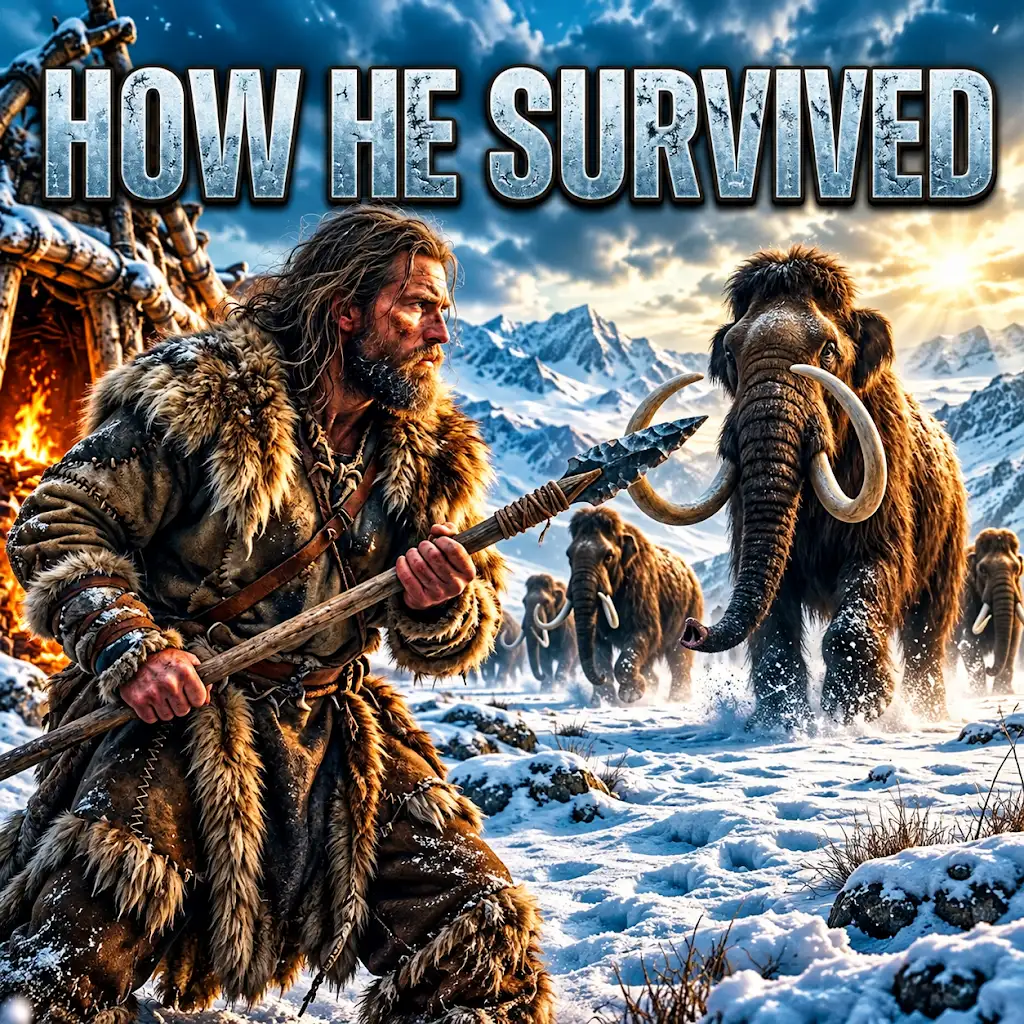
Life 20,000 Years Ago: How Humans Survived the Ice Age
FAQs
1. How did nomadic ice age groups treat injuries?
Nomadic ice age groups treated injuries using natural remedies such as herbs, animal bones, and hot stones. They also used techniques like massage, acupuncture, and bone setting.
2. What role did shamans play in treating injuries in nomadic ice age groups?
Shamans were important figures in nomadic ice age groups, as they were believed to have special healing powers. They would perform rituals, chants, and ceremonies to help heal injuries and illnesses.
3. Did nomadic ice age groups have any knowledge of basic first aid techniques?
Yes, nomadic ice age groups had basic first aid knowledge, such as how to clean and dress wounds, set broken bones, and create splints from natural materials like branches and animal hides.
4. How did nomadic ice age groups prevent infections in injuries?
Nomadic ice age groups prevented infections in injuries by using natural antiseptics like honey, tree sap, and certain herbs. They also practiced good hygiene by keeping wounds clean and covered.
5. Were there any specialized healers within nomadic ice age groups?
Yes, within nomadic ice age groups, there were healers who specialized in treating specific types of injuries or illnesses. These healers would often undergo extensive training and apprenticeships to learn their craft.