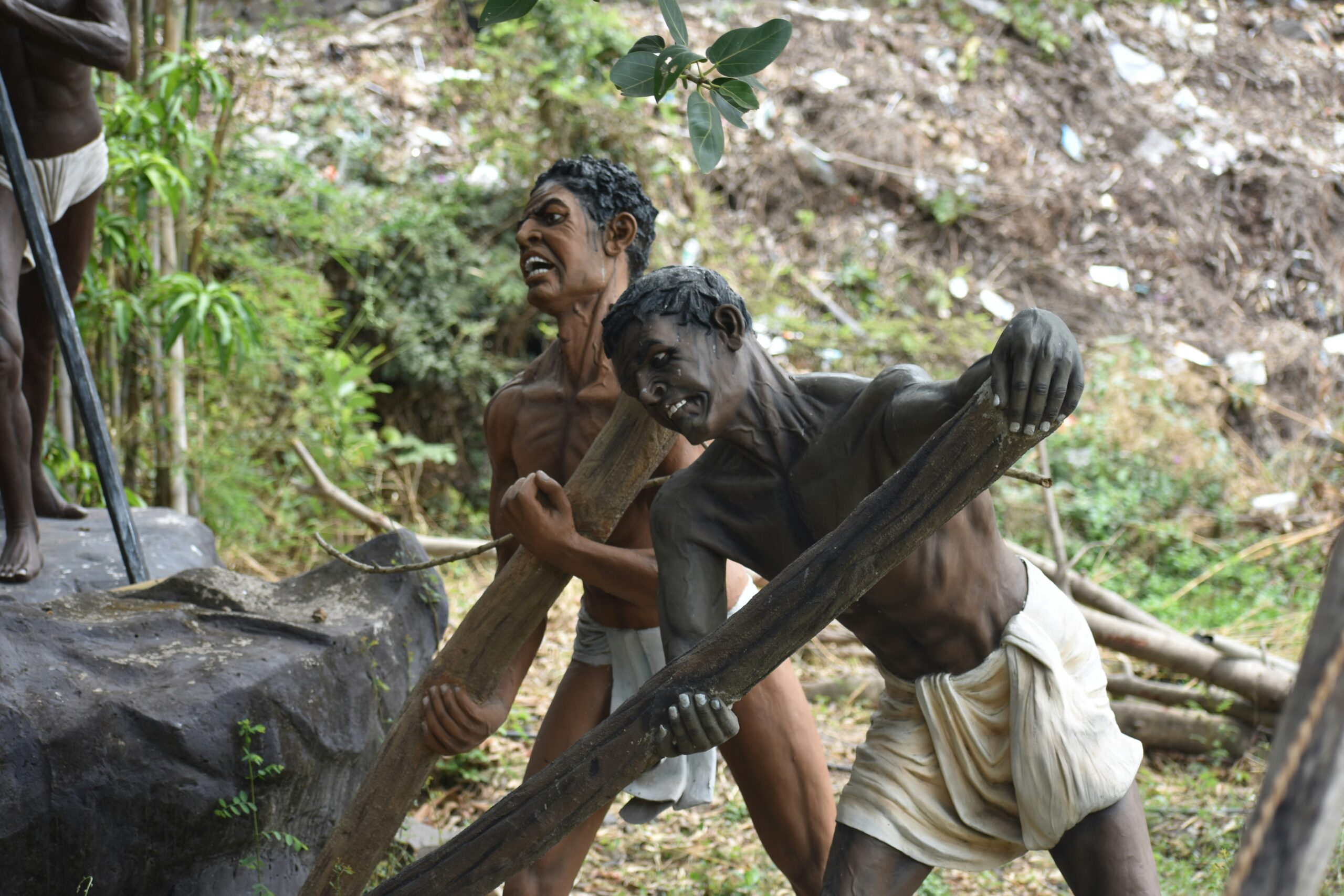
The intricate tapestry of prehistoric human existence was woven with threads of cooperation and specialization, the earliest forms of a division of labor. Long before the advent of agriculture or the establishment of sedentary communities, early humans, living in small, nomadic bands, likely began to discern and assign distinct roles based on a multitude of factors. While the archaeological record offers only glimpses into the daily lives of these ancient peoples, the study of contemporary hunter-gatherer societies and the analysis of skeletal remains provide compelling evidence for the existence of specialized tasks and responsibilities. These early divisions, though perhaps not as rigidly defined as those in later societies, were crucial for survival, resource acquisition, and the transmission of knowledge, laying the groundwork for the complex social structures that would evolve over millennia.
The Foundations of Early Specialization: Beyond Mere Survival
The very act of surviving in the challenging environments of prehistory demanded a coordinated effort. The fundamental needs for food, shelter, and protection necessitated a degree of organized activity that naturally lent itself to the distribution of labor. While the concept of “division of labor” might conjure images of modern factories and highly specialized professions, in prehistoric societies, it was a far more rudimentary yet equally vital phenomenon. It was not a conscious decision to maximize efficiency in the modern sense, but rather an emergent property of group living, driven by innate abilities, learned skills, and the exigencies of the natural world. The effectiveness of the group, and by extension, the survival of its individuals, depended on each member contributing their unique strengths to the collective endeavor.
Innate Capacities and Environmental Pressures
The initial impetus for any form of labor division likely stemmed from observable differences in physical capabilities and aptitudes among individuals within a group. While early humans were remarkably adaptable, certain physical attributes, such as brute strength or exceptional agility, might have predisposed individuals to particular tasks. For instance, the act of hunting large game, a perilous undertaking, would have naturally gravitated towards those individuals best equipped to handle such physically demanding and potentially dangerous activities. Similarly, the gathering of resources, while requiring endurance and knowledge of the environment, might have been more accessible to individuals with lighter builds or greater dexterity.
Beyond inherent physical traits, the specific environmental pressures faced by a group played a significant role in shaping their labor practices. A region rich in large game would foster a hunting-centric division of labor, with individuals specializing in tracking, stalking, and bringing down prey. Conversely, an environment abundant in edible plants and smaller creatures would likely see a greater emphasis on foraging and the development of skills related to identifying, collecting, and processing these resources. The need to adapt to the unique challenges and opportunities presented by their surroundings would have acted as a powerful selective pressure, encouraging the development and refinement of specific skill sets within the community.
The Role of Experience and Skill Acquisition
While innate capacities provided a foundation, the transmission of knowledge and the acquisition of specialized skills were paramount in solidifying any division of labor. These skills were not born but learned, passed down through generations via observation, imitation, and direct instruction. The elders of a group, possessing a wealth of accumulated experience, would have been invaluable repositories of such knowledge, guiding younger generations in the intricacies of tool-making, hunting techniques, or the identification of medicinal plants. This mentorship process ensured the continuity of essential practices and fostered a sense of shared responsibility for the well-being of the group.
The development of specialized tools also played a crucial role in enabling and reinforcing specific roles. The creation of a finely crafted spear point or a meticulously woven basket required specific knowledge and dexterity. Those individuals who demonstrated a particular aptitude for crafting such implements would have naturally gravitated towards this role, becoming the “experts” in tool production. This not only benefited the group by providing them with superior tools but also solidified the individual’s specialized contribution, further embedding the division of labor within the social fabric.
The division of labor in prehistoric societies played a crucial role in the development of early human communities, allowing for more efficient resource management and specialization of skills. For a deeper understanding of how such divisions emerged and their impact on social structures, you can explore the article on accidental discoveries in prehistoric contexts at Real Lore and Order. This resource provides insights into how unexpected findings have shaped our understanding of early human collaboration and task differentiation.
Hunter-Gatherer Dynamics: A Spectrum of Responsibilities
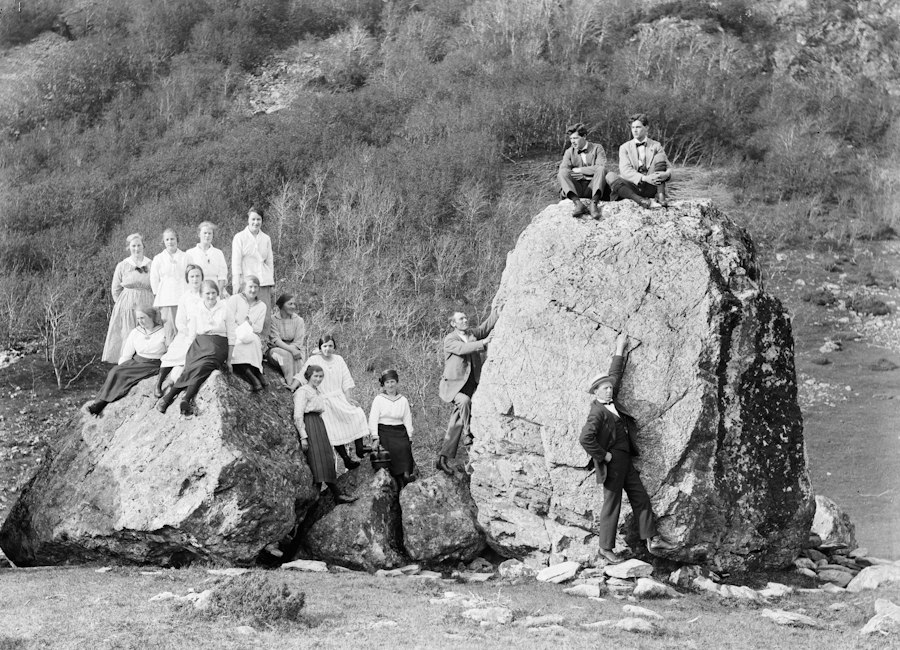
The lifestyle of hunter-gatherer societies, characterized by mobility and reliance on the natural environment, offers a rich context for understanding early divisions of labor. While the archaeological record is often sparse, by examining the ethnographic data from surviving hunter-gatherer groups and inferring from the physical evidence left behind, researchers have painted a nuanced picture of how tasks were allocated. It is crucial to recognize that this was not a rigid, inflexible system but rather a dynamic and often fluid arrangement, influenced by age, experience, and immediate needs.
The Art of the Hunt: Strength, Skill, and Strategy
Hunting, the acquisition of animal protein, was often a central and highly specialized activity in many prehistoric societies. The inherent dangers and physical demands of this pursuit meant that it was not a task undertaken lightly or by everyone. Evidence from skeletal remains, showing signs of robust physical development and injuries consistent with hunting activities, suggests that certain individuals were indeed primarily responsible for this demanding role. These hunters would have possessed a deep understanding of animal behavior, tracking, and the effective use of weaponry.
The Gatherer’s Bounty: Knowledge, Nurturing, and Resource Management
Complementing the efforts of hunters, gatherers played an equally vital role in ensuring the group’s sustenance and well-being. This was not simply a passive activity of picking berries; it involved extensive knowledge of the local flora, including the identification of edible plants, fruits, roots, and nuts, as well as their seasonal availability and medicinal properties. Women, often depicted in ethnographic studies as the primary gatherers, may have also been responsible for collecting smaller game, insects, and shellfish, thus diversifying the group’s food sources. This role likely fostered a deep connection with the natural world and a sophisticated understanding of ecological cycles.
The tasks associated with gathering often extended beyond mere collection. It involved the processing of gathered materials, such as grinding seeds, drying fruits, and preparing medicinal herbs. These activities required patience, dexterity, and a keen understanding of preservation techniques, ensuring that resources were available even during leaner times. The gatherer’s role was thus intrinsically linked to the long-term sustainability of the group, embodying a form of environmental stewardship.
Crafting the Tools of Survival: The Artisan’s Role
The development and maintenance of tools were fundamental to every aspect of prehistoric life, from hunting and gathering to shelter construction and food preparation. The creation of stone tools, for example, required a significant level of skill, precision, and an understanding of lithic technology. Certain individuals within a group may have specialized in this craft, becoming adept at knapping flint, shaping bone, and hafting points onto spears and arrows.
Nurturing the Next Generation: The Caregiver’s Contribution
The survival and continuity of any prehistoric group rested heavily on the successful rearing of its young. While the precise division of labor in childcare is difficult to ascertain definitively from the archaeological record, it is highly probable that women, due to their biological role in childbirth and lactation, bore the primary responsibility for nurturing infants and young children. This role would have encompassed not only feeding and protection but also the early stages of socialization and the transmission of fundamental knowledge and social norms. The extensive time spent caring for children would have limited their participation in more physically demanding activities, thus further contributing to a natural division of labor.
Emerging Complexities: Beyond the Immediate Hunter-Gatherer Model

As human societies began to evolve beyond the purely nomadic hunter-gatherer lifestyle, with the advent of early forms of agriculture and the establishment of more permanent settlements, the division of labor undoubtedly became more complex and differentiated. The accumulation of resources, the development of new technologies, and the formation of larger social units would have necessitated and facilitated a greater degree of specialization. While the archaeological evidence becomes more abundant for later periods, understanding these transitions requires careful inference and the application of models derived from earlier stages.
The Dawn of Agriculture and Sedentary Life
The transition to agriculture, a monumental shift in human history, fundamentally altered the relationship between humans and their environment, and consequently, the nature of work. As communities began to cultivate crops and domesticate animals, the demands of subsistence shifted. The labor involved in clearing land, planting seeds, tending crops, and harvesting became a significant undertaking, requiring dedicated effort and coordination. This sedentary lifestyle also allowed for the accumulation of surplus resources, which in turn could support individuals who were not directly involved in food production.
This shift towards settled life also fostered the development of more permanent structures and infrastructure. The construction of dwellings, storage facilities, and defensive structures would have required specialized skills in building and engineering. While the exact roles might not be clearly delineated in the archaeological record, it is plausible that certain individuals or groups within these early agricultural communities would have taken on these responsibilities, freeing others to focus on farming or other tasks.
Craft Specialization in Early Villages
With the stability and increased resource availability afforded by agriculture, specialized crafts began to emerge with greater prominence. Beyond the rudimentary toolmaking of earlier times, we see evidence of more refined pottery production, weaving, and the working of metals (in later prehistoric periods). The creation of decorated pottery, for instance, suggests an artistic sensibility and a dedication to a craft that went beyond mere utility. Similarly, the development of textiles implies a sophisticated understanding of weaving techniques and the processing of fibers.
These craftspeople, while still contributing to the overall well-being of the community, were not solely focused on subsistence. Their specialized skills allowed for the creation of goods that enhanced daily life, provided aesthetic value, and perhaps even served as forms of trade or exchange. This marked a significant step towards a more stratified division of labor, where individuals could dedicate their time and energy to honing particular skills, leading to greater efficiency and innovation within the community.
The Genesis of Leadership and Social Organization
The increasing complexity of prehistoric societies also brought about the need for more formalized social organization and leadership. As communities grew larger and resource management became more intricate, the need for individuals to coordinate activities, resolve disputes, and make collective decisions would have become apparent. While the concept of “chiefs” or formal rulers might be an anachronism for the earliest periods, the emergence of individuals who held significant influence or responsibility within a group is a logical progression.
These early leaders, whether recognized for their wisdom, bravery, or organizational skills, would have effectively occupied a specialized role within society. Their responsibilities might have included organizing hunting expeditions, managing communal resources, or mediating conflicts. This nascent form of leadership represents a further layer in the division of labor, where certain individuals were tasked with the oversight and governance of the group, a role that would continue to evolve and become more defined in subsequent historical periods.
The Transmission of Knowledge: Education and Apprenticeship
The perpetuation of specialized skills and the continuity of cultural practices in prehistoric societies depended heavily on effective mechanisms for knowledge transmission. Without formal schooling as we understand it today, learning was an immersive and often experiential process. The passing down of vital information, from the best hunting grounds to the most effective herbal remedies, was a cornerstone of group survival and social cohesion.
Informal Learning and Observation
The primary mode of education in prehistoric times was undoubtedly informal and based on close observation and direct participation. Children would have learned by watching their elders and other skilled individuals at work, gradually absorbing the nuances of various tasks. A young boy might follow his father or an experienced hunter, observing their movements, their techniques for tracking, and their methods of using tools. Similarly, a young girl would likely spend time with her mother or other female members of the group, learning about plant identification, food preparation, and childcare through repeated exposure and gentle correction.
This observational learning was not passive; it involved active engagement and a willingness to participate. As children grew, they would have been gradually allowed to take on more responsibility, starting with simpler tasks and progressing to more complex ones under the watchful eye of their mentors. This hands-on approach ensured that the knowledge gained was practical and directly applicable to the challenges of daily life.
Mentorship and Apprenticeship
While informal observation was widespread, certain highly specialized skills likely involved more formalized mentorship or apprenticeship. For tasks requiring exceptional dexterity, intricate knowledge, or a deep understanding of complex processes, a more dedicated form of instruction might have been employed. An individual with a talent for toolmaking, for instance, might take on a younger, aspiring apprentice, dedicating significant time to teaching them the art of knapping stone or shaping bone.
This mentorship was not merely about skill acquisition; it also involved the transmission of the cultural values and social norms associated with that particular role. The apprentice would not only learn how to perform a task but also understand its importance within the community and the responsibilities that came with it. This ensured that specialized knowledge was not only preserved but also integrated into the broader social fabric, maintaining a sense of shared purpose and collective identity.
The Role of Storytelling and Ritual
Beyond direct instruction, prehistoric societies likely employed storytelling and ritual as powerful tools for transmitting knowledge and reinforcing social structures. Myths, legends, and epic tales would have conveyed important lessons about the natural world, the behavior of animals, the history of the group, and the ethical principles that governed their interactions. These narratives, often performed during communal gatherings or rituals, served as a form of collective memory, ensuring that vital information was not lost to time.
Rituals, with their symbolic actions and repeated performances, would have further solidified the understanding of roles and responsibilities. Certain rituals might have been specifically designed to celebrate the skills of hunters or gatherers, reinforcing their importance and the value of their contributions to the group. These practices served as both educational tools and social bonding mechanisms, strengthening the collective identity and ensuring the smooth functioning of the community.
The division of labor in prehistoric societies played a crucial role in the development of early human communities, allowing for more efficient resource management and specialization of skills. This concept can be further explored in a related article that discusses the importance of communication and collaboration in various contexts, which can be found here: communication and collaboration. Understanding how these early divisions influenced social structures can provide valuable insights into the evolution of human interactions and societal organization.
The Enduring Legacy: Shaping Human Society
| Aspect | Description | Evidence | Implications |
|---|---|---|---|
| Gender Roles | Men primarily hunted large game; women gathered plants and small animals | Wear patterns on tools, skeletal remains, ethnographic analogy | Specialization increased efficiency and survival rates |
| Age-based Roles | Younger individuals assisted in gathering and tool-making; elders shared knowledge | Archaeological sites with varied tool types and sizes | Knowledge transmission and skill development |
| Tool Production | Specific individuals specialized in crafting stone tools and weapons | Concentration of lithic debris and workshops at sites | Improved tool quality and innovation |
| Food Processing | Division between hunters, gatherers, and processors (e.g., butchering, cooking) | Cut marks on bones, hearth remains | Enhanced food utilization and sharing |
| Social Organization | Emergence of roles such as shamans or leaders with specialized tasks | Burial goods, symbolic artifacts | Complex social structures and cultural development |
The division of labor in prehistoric societies, though seemingly rudimentary by modern standards, was a fundamental evolutionary step that profoundly shaped the trajectory of human development. The early patterns of specialization, driven by survival needs and fostered by cooperation, laid the groundwork for the increasingly complex social structures that would emerge over millennia. The principles of shared responsibility, the recognition of individual aptitudes, and the transmission of specialized knowledge established a blueprint for societal organization that continues to resonate today.
Fostering Innovation and Adaptation
The very existence of a division of labor, even in its most basic form, encouraged innovation and adaptation. As individuals focused on specific tasks, they developed a deeper understanding of their chosen domain, leading to improvements in tools, techniques, and strategies. A hunter who specialized in tracking a particular species would learn its habits more intimately than someone who hunted more sporadically, leading to more successful hunts. Similarly, a craftsperson who dedicated themselves to the production of tools would likely discover more efficient methods or develop superior designs. This specialization, therefore, acted as a catalyst for technological advancement and a more effective engagement with the environment.
The Emergence of Social Stratification and Hierarchy
While the earliest divisions of labor might have been relatively egalitarian, as societies grew more complex and resource accumulation became more significant, the potential for social stratification and hierarchy began to emerge. The roles that were deemed more essential, more difficult, or more prestigious could have gradually conferred greater status and influence upon the individuals who performed them. This is not to suggest a rigid caste system in prehistoric times, but rather the nascent beginnings of differential power and prestige based on one’s contribution to the collective. The accumulation of surplus resources, for example, could have allowed certain individuals to dedicate more time to leadership or ritualistic activities, further solidifying their position within the social hierarchy.
The Foundation for Future Civilizations
Ultimately, the division of labor that began in the earliest human societies was the bedrock upon which all subsequent human civilizations were built. The principles of specialization, cooperation, and the organized allocation of tasks are the very essence of complex societies. From the agricultural revolution to the industrial age and beyond, the ability of humans to divide and conquer, to assign roles and responsibilities, has been the driving force behind progress, innovation, and the creation of the intricate social and economic systems that define our modern world. The echoes of those early divisions, forged in the crucible of prehistoric survival, can still be heard in the complex interplay of roles and responsibilities that govern our lives today.
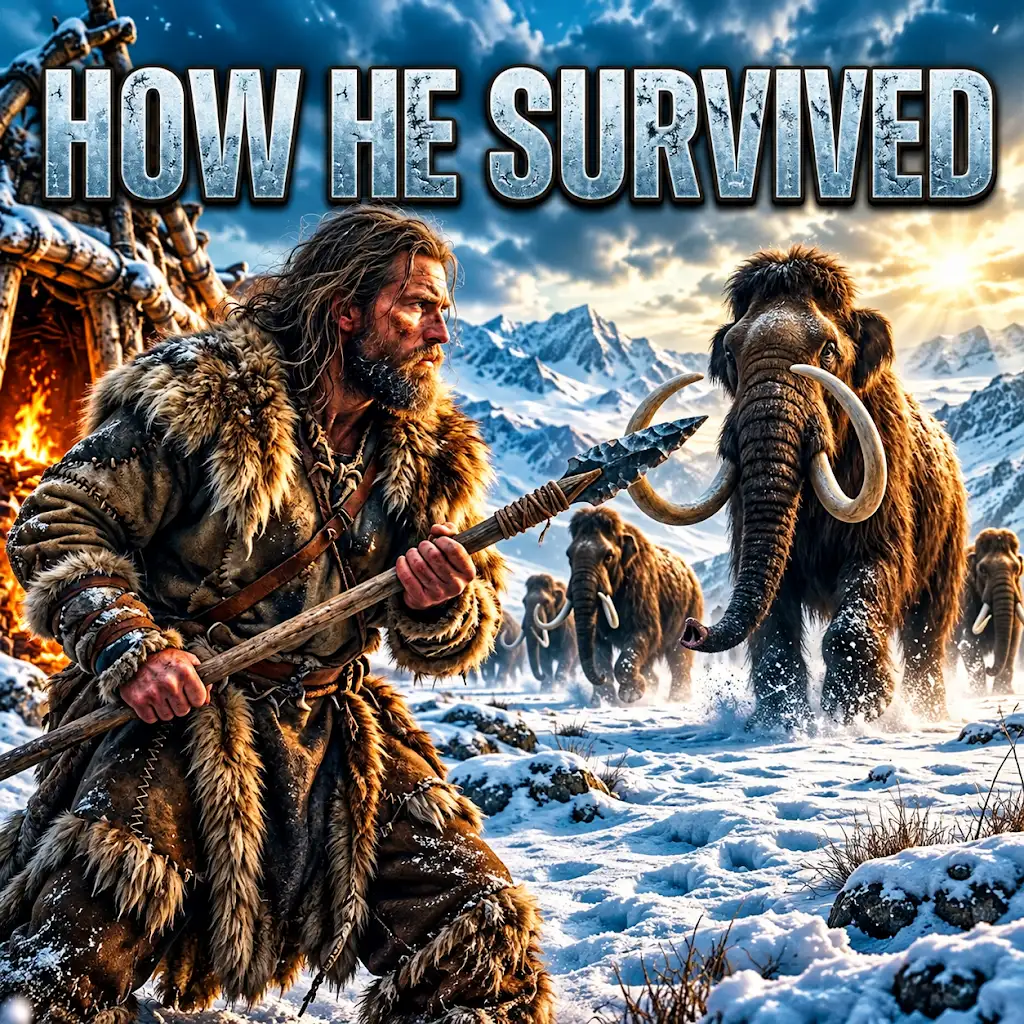
Life 20,000 Years Ago: How Humans Survived the Ice Age
FAQs
What is division of labor in prehistoric societies?
Division of labor in prehistoric societies refers to the way tasks and responsibilities were distributed among individuals based on their skills, abilities, and resources available within the community.
How did division of labor contribute to the survival of prehistoric societies?
Division of labor allowed prehistoric societies to efficiently allocate resources, increase productivity, and specialize in certain tasks, which ultimately improved their chances of survival and success.
What were some common examples of division of labor in prehistoric societies?
Common examples of division of labor in prehistoric societies include hunting, gathering, tool-making, shelter-building, childcare, and food preparation, with different individuals or groups specializing in these tasks based on their strengths and abilities.
Did division of labor in prehistoric societies lead to social hierarchies?
Division of labor in prehistoric societies could have led to the emergence of social hierarchies, as individuals who held specialized skills or controlled important resources may have gained more power and influence within the community.
How did the division of labor in prehistoric societies evolve over time?
The division of labor in prehistoric societies likely evolved over time as communities grew larger, technology advanced, and new challenges arose, leading to more complex systems of specialization and cooperation among individuals.