The chilling winds of antiquity were a constant adversary for early humans. Survival depended not only on the ability to find food and water but also on the cunning application of environmental resources to create shelter that offered refuge from the elements. While modern insulation relies on engineered foams and fiberglass, our ancient ancestors leveraged the bounty of nature, employing readily available organic materials to trap heat and maintain a habitable environment. Their ingenuity in understanding the thermal properties of these natural substances laid the groundwork for millennia of architectural innovation, a testament to human adaptability and resourcefulness.
The Crucial Role of Thermal Regulation in Prehistoric Dwellings
The imperative for effective shelter insulation in prehistoric times cannot be overstated. For early hominids, a dwelling was more than just a roof over their heads; it was a vital tool for survival. The ability to regulate internal temperature directly impacted their ability to endure harsh climates, whether the biting cold of glacial periods or the extreme heat of arid regions. Without proper insulation, exposure to the elements could lead to hypothermia, frostbite, heatstroke, and a significantly increased risk of succumbing to illness. The energy expenditure required to maintain core body temperature in an uninsulated dwelling would have been immense, leaving little reserve for other crucial activities like hunting, gathering, and child-rearing. Therefore, the selection and application of insulating materials were not merely aesthetic choices but fundamental elements of human ecological success.
The Energy Cost of Uninsulated Living
The human body is a remarkable thermoregulatory machine, but it has its limits. In cold environments, the body loses heat to its surroundings. The rate of heat loss is directly proportional to the temperature difference between the body and the environment, and inversely proportional to the thermal resistance of the surrounding materials. An uninsulated dwelling, with its thin walls and poorly sealed openings, offers very little thermal resistance. This means that a considerable amount of the body’s metabolic energy, which could otherwise be used for muscle activity, immune function, or brain activity, would be diverted to generating heat simply to stay alive. Imagine the constant shivering, the need for thick, inefficient hides, and the constant struggle against freezing. This relentless drain on energy would have made survival precarious, especially during lean seasons or periods of scarcity.
Protection Against Extremes: Heat and Cold
The challenge of insulation was not limited to frigid environments. In hot climates, shelters needed to mitigate the ingress of solar radiation and the ambient heat. Overheating, or hyperthermia, can be as deadly as hypothermia. Symptoms range from dehydration and heat exhaustion to life-threatening heatstroke. Effective insulation in hot regions would have involved materials that could reflect solar radiation, create air pockets for ventilation, and possess a high thermal mass to absorb heat during the day and release it slowly at night. This often meant utilizing materials that were light in color or incorporated reflective elements, while also considering their ability to allow for airflow. Thus, the principles of insulation were a universal need, adapted to the specific climatic challenges faced by different human populations across the globe.
Ancient human shelters have long fascinated researchers, particularly in terms of the materials used for insulation. Understanding how early humans adapted to their environments can provide insights into their survival strategies. For a deeper exploration of ancient practices and their connection to historical climates, you might find the article on glacial history particularly enlightening. It discusses how ancient maps, like the Piri Reis map, reveal significant information about past human habitation and the materials they may have used. You can read more about this intriguing topic in the article here: Uncovering Glacial History with the Piri Reis Map.
Earth and Stone: The Bedrock of Ancient Insulation
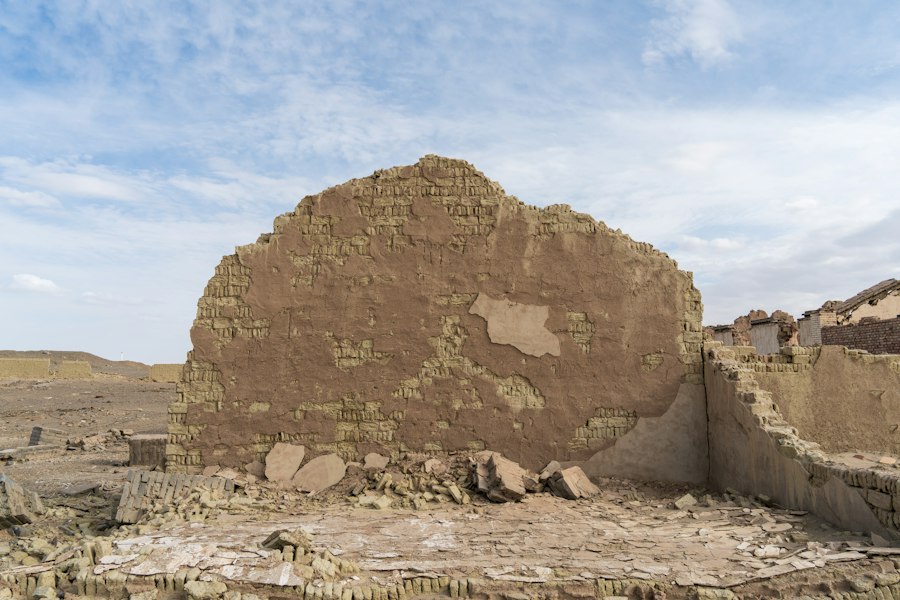
Perhaps the most ubiquitous and enduring insulating materials employed by ancient humans were derived directly from the earth: soil, clay, and stone. These readily available resources offered a combination of thermal mass and, when used in specific ways, significant insulating properties. The construction techniques developed around these materials demonstrate a profound understanding of their capabilities, leading to the creation of dwellings that were remarkably stable and capable of maintaining comfortable internal temperatures. From the earliest cave dwellings to more elaborate built structures, earth and stone formed the very foundation of prehistoric insulation.
Mud and Clay: Building with Thermal Mass
Mud, a mixture of soil and water, has been a cornerstone of human construction for millennia. When mixed with binders like straw or animal hair, it forms a versatile material known as adobe or cob. These materials possess significant thermal mass, meaning they can absorb and store a large amount of heat. During the day, especially in sunny climates, adobe walls absorb solar energy, moderating the temperature inside. As the ambient temperature drops in the evening, the stored heat is slowly released, keeping the interior warm. Furthermore, the density of mud and clay creates a barrier against air infiltration, reducing drafts and further enhancing insulation. The effectiveness of mud construction is evident in surviving structures across various cultures, from ancient Mesopotamian ziggurats to traditional North African kasbahs. The creation of these structures was labor-intensive, but the resulting thermal comfort and durability made it a worthwhile endeavor.
Packed Earth and Rammed Earth Techniques
Another significant application of earth as an insulating material involved packed or rammed earth. This technique, still practiced today, involves compressing layers of damp earth, often mixed with gravel or sand, within temporary forms. The resulting walls are exceptionally strong and dense, offering excellent thermal mass. Similar to adobe, rammed earth structures absorb heat during the day and release it gradually, providing a stable internal temperature. The density of rammed earth also creates a formidable barrier against wind and external temperature fluctuations. Evidence of rammed earth construction can be found in ancient fortifications and dwellings worldwide, indicating its long-standing effectiveness as a building material. The careful selection of soil types, with appropriate clay and aggregate content, was crucial for achieving optimal density and insulating properties.
The Insulating Power of Stone Construction
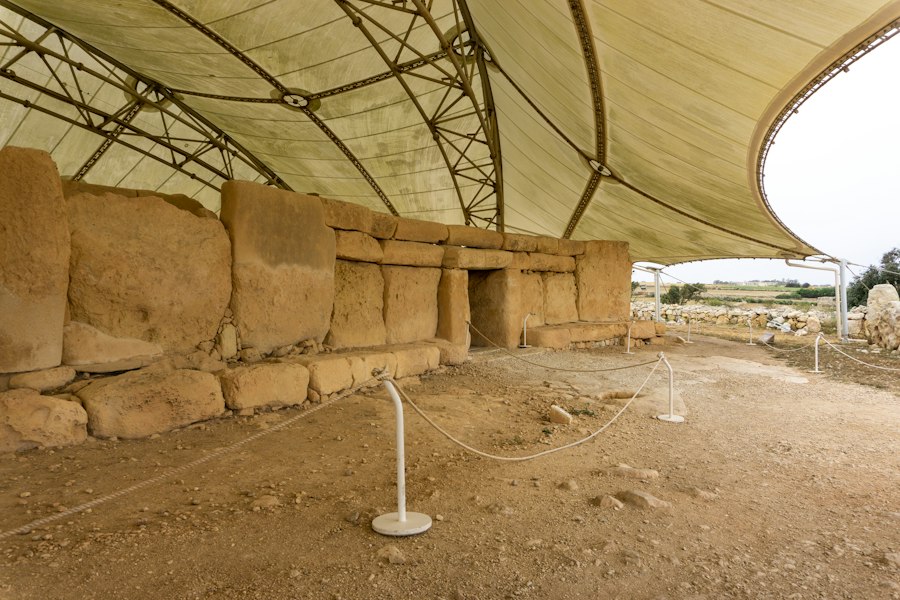
While often perceived as simply a structural element, stone construction also contributed to insulation, particularly through its thermal mass. Large, solid stone walls absorb and store heat, releasing it slowly. This effect is most pronounced in climates with significant diurnal temperature variations. For example, in mountainous regions or areas with hot days and cold nights, thick stone walls would help buffer these extremes. Furthermore, the gaps and cavities within some stone constructions, particularly in rubble masonry, could trap air, acting as a rudimentary form of insulation. The mortared joints between stones, while primarily for stability, also helped reduce air leakage. The choice of stone type could also influence its insulating properties, with some porous stones offering better thermal resistance than dense, non-porous ones.
Vegetation and Animal Products: Harnessing Organic Insulation
Beyond the mineral world, ancient humans ingeniously utilized a wide array of organic materials for insulation. The fibrous textures of plants and the insulating properties of animal byproducts provided readily available solutions for trapping heat and creating comfortable living spaces. These materials, often collected seasonally or as a byproduct of other activities, demonstrated a keen understanding of their thermal characteristics.
Thatch and Reeds: Natural Roofs and Walls
For many prehistoric communities, thatch was a primary roofing material, offering remarkable insulating properties. Bundles of dried grass, reeds, straw, or palm leaves were layered thickly, creating a highly effective barrier against both heat and cold. The numerous air pockets trapped within the dense thatch provided excellent insulation. Rainwater would run off the steep pitch of thatched roofs, and the material’s ability to absorb and release moisture also helped regulate humidity. Thatch was also used to construct walls, often interwoven with a framework of branches, providing a surprisingly warm and breathable living space. The continuous replenishment of thatch materials ensured a sustainable source of insulation for generations.
Animal Hides and Furs: The Warmth of the Wild
The hunting and processing of animals provided ancient humans with some of the most effective personal and structural insulation available. Animal hides and furs, particularly those of thick-furred mammals, were invaluable. When used to line shelters, draped over entrances, or incorporated into bedding, they created a significant barrier against heat loss. The dense fur traps air, which is a poor conductor of heat, effectively slowing down the rate at which body heat escapes. Moreover, the pliability of hides allowed them to be shaped and fitted to seal gaps and openings in dwellings. The preparation of these materials, including tanning and scraping, was a vital skill that enhanced their durability and insulating potential.
Plant Fibers and Mosses: Filling the Gaps
Various plant fibers, such as straw, hay, and dried grasses, were widely employed to fill gaps and crevices in shelters, further enhancing insulation. These materials, often readily available as agricultural byproducts or gathered from the wild, provided a fibrous matrix that trapped air. When stuffed into wall cavities or packed around openings, they significantly reduced drafts and heat loss. Mosses, with their absorbent and insulating qualities, were also utilized. Their ability to retain moisture and create a soft, yielding surface made them suitable for lining floors or walls, providing both comfort and a degree of thermal regulation. The collection and preparation of these plant materials were often seasonal tasks, ensuring a consistent supply for maintaining shelters.
Strategic Design and Material Placement: The Art of Ancient Insulation
The effectiveness of natural insulation was not solely dependent on the materials themselves but also on how they were applied and integrated into the design of the dwelling. Ancient humans developed sophisticated strategies for placing insulating materials to maximize their benefits and create environments conducive to survival and comfort. This involved understanding airflow, solar exposure, and the cumulative impact of different materials.
Creating Air Pockets and Cavities
A fundamental principle of modern insulation is the creation of trapped air pockets, which are poor conductors of heat. Ancient builders intuitively understood this concept. They would construct double-walled structures with a space between the layers, often filled with insulating materials like straw or dried leaves. This created a thermal buffer zone, significantly reducing heat transfer. Similarly, the layering of thatch on roofs and walls inherently created multiple air spaces. The careful placement of stones in some constructions, allowing for small gaps, also contributed to trapping air. The strategic design of ventilation systems, while primarily for air quality, also played a role in managing temperature by controlling airflow through insulating layers.
Sealing Entrances and Openings
A dwelling’s weakest points for heat loss are its entrances and any openings to the exterior. Ancient humans recognized the importance of sealing these areas. They would use heavy animal hides or woven mats to cover doorways, often layered for added insulation. Small openings were meticulously stuffed with insulating materials like moss, dried grass, or dung. The careful craftsmanship involved in creating these seals prevented drafts and minimized the escape of warm air, a critical factor in maintaining a stable internal temperature, especially during cold periods. The size and placement of windows, if present, were also considered, often being small and strategically positioned to minimize heat loss while allowing for some natural light.
Layering and Composites for Enhanced Performance
The most effective ancient insulation often resulted from the intelligent layering and combination of different materials. For instance, a mud-brick wall might be reinforced with straw for added strength and insulation. A thatched roof might be supported by a wooden frame packed with dried vegetation. Animal hides could be draped over woven mats to create more effective door coverings. This composite approach allowed builders to leverage the strengths of various natural resources, creating a synergistic effect that enhanced thermal performance beyond what any single material could achieve on its own. This understanding of material interaction highlights the sophisticated empirical knowledge possessed by ancient populations.
In exploring the ingenuity of ancient civilizations, one fascinating aspect is their use of natural materials for shelter insulation. These early humans ingeniously utilized resources like animal hides, straw, and mud to create comfortable living spaces that could withstand harsh climates. For a deeper understanding of how these ancient engineering marvels were constructed, you can read more in this insightful article on uncovering ancient engineering marvels. This exploration highlights not only the materials used but also the remarkable skills and knowledge possessed by our ancestors.
The Enduring Legacy of Ancient Insulation Techniques
| Material | Region | Insulation Properties | Typical Usage | Durability |
|---|---|---|---|---|
| Animal hides | Global (various ancient cultures) | High thermal insulation, windproof | Coverings for tents, walls, and roofs | Moderate; requires maintenance |
| Thatch (straw, reeds) | Europe, Asia, Africa | Good insulation, breathable | Roofing material for huts and houses | Moderate; replaced every few years |
| Clay and mud | Middle East, Africa, Americas | Moderate insulation, thermal mass effect | Walls and floors in adobe or cob structures | High when maintained |
| Wood and bark | North America, Europe, Asia | Moderate insulation, structural support | Walls, roofs, and framework | High with proper treatment |
| Snow and ice | Arctic regions | Excellent insulation due to trapped air | Igloo construction | Temporary; seasonal use |
| Grass and moss | Various, including Scandinavia and Siberia | Good insulation, moisture resistant | Roof covering and wall insulation | Moderate; requires periodic replacement |
The insulation methods employed by ancient humans, though rooted in simple natural materials, represent a profound understanding of thermodynamics and a testament to human ingenuity. Their practices not only ensured their survival but also laid the foundation for subsequent architectural developments. The principles of thermal mass, trapped air, and strategic material placement continue to inform modern building science, albeit with more advanced materials. Studying these ancient techniques offers valuable insights into sustainable building practices and the enduring relationship between humans and their environment.
A Foundation for Future Architecture
The success of ancient insulation techniques directly influenced the development of more permanent and sophisticated building methods. The understanding of how materials like earth and stone could regulate temperature was fundamental to the evolution of sedentary lifestyles and the construction of permanent settlements. The principles of creating thermal buffers and sealing structures against the elements became ingrained in architectural traditions across the globe. From the subterranean dwellings of early agriculturalists to the multi-story structures of ancient civilizations, the lessons learned from rudimentary shelters continued to shape the built environment.
Sustainable Practices Rooted in Nature
In an era increasingly concerned with environmental sustainability, the insulation methods of our ancestors offer a powerful reminder of the potential of natural, renewable resources. Their reliance on readily available materials like earth, vegetation, and animal products minimized their environmental impact. The long lifespan of many earth-based structures further underscores their sustainability. As we seek to reduce our carbon footprint in construction, revisiting these ancient practices, perhaps with modern adaptations, can provide innovative and eco-friendly solutions. The emphasis was on working with nature, not against it.
Continued Relevance in Modern Design
While modern insulation materials are often more efficient in terms of R-value per inch, the core principles of ancient insulation remain highly relevant. The concept of thermal mass, for instance, is increasingly being incorporated into green building design, particularly in passive solar heating and cooling strategies. Rammed earth and adobe construction are experiencing a resurgence as sustainable alternatives to conventional building methods. The lessons learned from our ancestors about the importance of natural ventilation, the careful sealing of structures, and the strategic use of layered materials continue to inspire architects and builders striving for more energy-efficient and environmentally responsible designs. The wisdom of the past offers a blueprint for a more sustainable future.

Life 20,000 Years Ago: How Humans Survived the Ice Age
FAQs
What materials did ancient humans use for insulation in their shelters?
Ancient humans used a variety of materials for insulation in their shelters, including straw, mud, animal skins, and even wool.
How did ancient humans insulate their shelters during cold weather?
Ancient humans would often use animal skins or fur to insulate their shelters during cold weather, providing a layer of warmth and protection from the elements.
Did ancient humans use plant-based materials for insulation in their shelters?
Yes, ancient humans frequently used plant-based materials such as straw, reeds, and grasses to insulate their shelters, providing a natural and effective form of insulation.
Were ancient humans able to repel moisture with their insulation materials?
Ancient humans often mixed their insulation materials with mud or clay to create a waterproof barrier, helping to repel moisture and keep their shelters dry and comfortable.
How did ancient humans improve the insulation of their shelters over time?
Ancient humans experimented with different materials and techniques to improve the insulation of their shelters, eventually developing more advanced methods such as using animal hides and creating thatched roofs for better insulation.