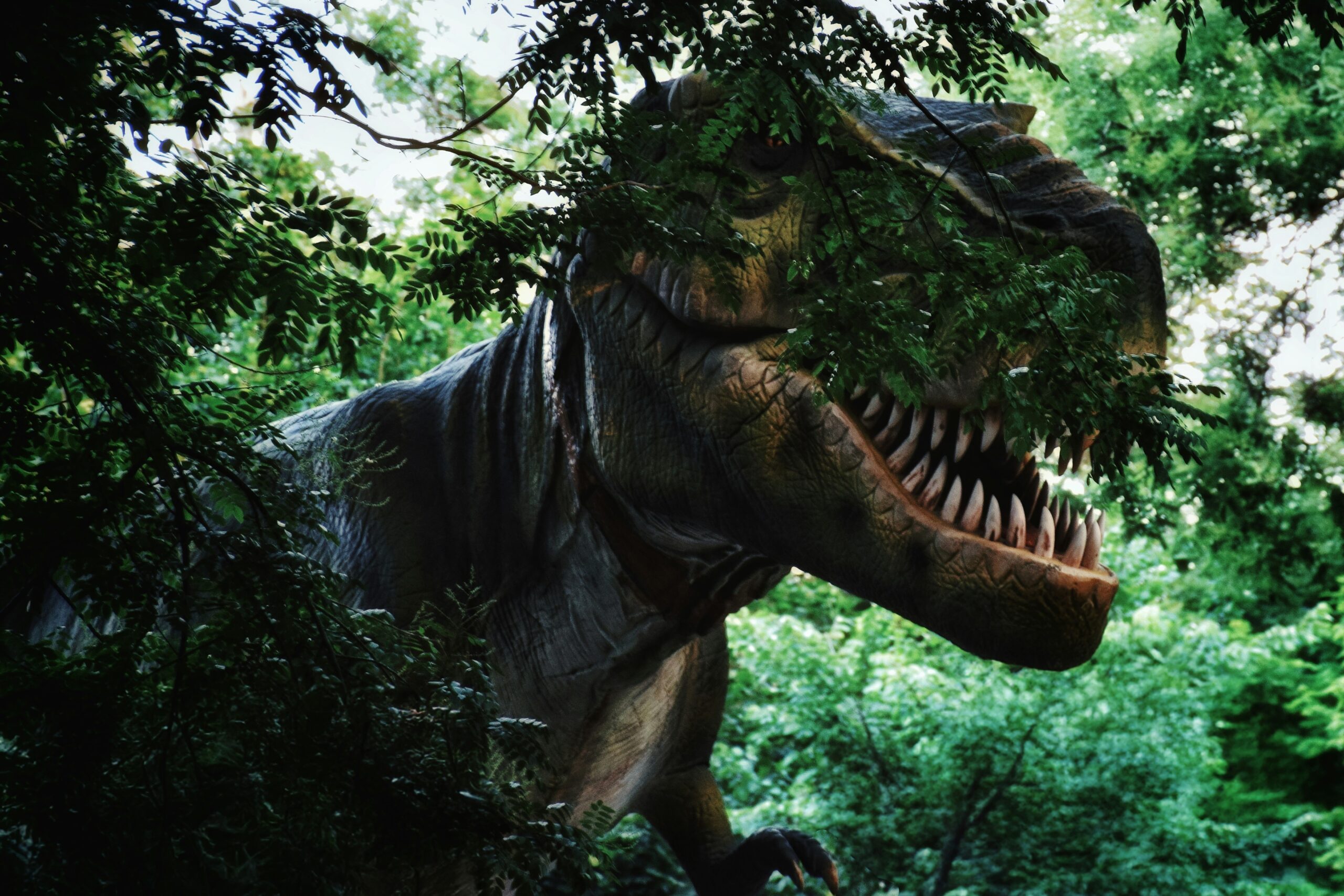
The Vigilant Gaze: Understanding the Prehistoric Human’s Sensory Arsenal
The survival of early humans was a constant dance with danger, a precarious existence where the shadow of a predator could mean the end of a lineage. Unlike the modern human, insulated by technology and societal structures, prehistoric hominins relied on a finely tuned suite of sensory adaptations and an acute understanding of their environment. Their awareness of potential threats was not a passive observation but an active, ingrained survival mechanism honed over millennia of evolutionary pressure. This constant state of alertness, coupled with a sophisticated cognitive capacity for pattern recognition and risk assessment, formed the bedrock of their ability to navigate a world teeming with formidable predators.
The sheer diversity and power of the fauna encountered by early humans cannot be overstated. Saber-toothed cats, giant hyenas, cave bears, and formidable canids were not abstract threats but immediate, tangible dangers that stalked their territories. These animals possessed physical attributes that dwarfed those of early humans: immense strength, razor-sharp claws and teeth, speed, and often, superior senses of smell and hearing. To survive, hominins had to develop strategies that compensated for their physical disadvantages. This was achieved through a multi-pronged approach, prioritizing observation, sound, and scent as the primary indicators of approaching peril.
Sharp Eyes and Keen Ears: The Sensory Advantage
The visual acuity of early humans, while perhaps not as pronounced as that of certain nocturnal predators, was undoubtedly a critical tool. Their forward-facing eyes, a hallmark of primate evolution, provided binocular vision, granting them excellent depth perception. This ability was crucial for judging distances, not only for hunting prey but also for assessing the threat posed by a distant rustle in the undergrowth or the glint of eyes in the dim light of dawn or dusk. Prehistoric humans likely possessed a wider field of vision than modern humans, allowing them to scan a broader panorama for any anomalies that might signal danger. The rapid processing of visual information, coupled with a heightened sensitivity to movement, allowed them to detect subtle shifts in their surroundings that might escape less attentive observers.
Furthermore, the auditory capabilities of early humans were paramount. Their ears, capable of detecting a wide range of frequencies, would have been constantly attuned to the subtle sounds of the environment. The snap of a twig, the low growl of a distant carnivore, the panicked flight of prey, or the unusual silence of a normally vocal forest – all these auditory cues served as vital alarm signals. The brain’s capacity to distinguish between benign natural sounds and those indicative of danger would have been highly developed. They could likely identify specific predator calls, differentiating the threat of a lion’s roar from the more localized danger of a wolf pack. This auditory vigilance extended to the ability to pinpoint the direction and approximate distance of a sound, allowing for a swift and informed decision to flee, hide, or confront.
The Subtle Whispers of Scent: Olfactory Detection
While visual and auditory cues were undoubtedly primary, the sense of smell played a significant, albeit often underestimated, role in prehistoric predator awareness. Though perhaps not as finely developed as in some canids, early humans would have possessed a functional olfactory system capable of detecting the distinct musk of predators, the scent of carrion that might attract scavengers, or the tell-tale odor of prey that had been recently disturbed or injured. The ability to detect these scents, especially when carried on the wind, provided an early warning system, alerting them to the presence of dangers that might be out of sight and sound.
The interpretation of scent would have been complex, involving not just the detection of a smell but also its contextualization. A faint scent of a large cat might indicate a territorial marker, while a stronger, fresher scent could signal an immediate presence. The direction from which a scent emanated would also be a critical piece of information, helping to guide evasive action. Over time, early humans would have learned to associate specific smells with specific threats, building a rich olfactory map of their environment that contributed significantly to their overall situational awareness. This sensory input, combined with visual and auditory data, created a holistic understanding of their surroundings, essential for survival.
In the study of prehistoric predator awareness and avoidance, researchers have uncovered fascinating insights into how early humans and their ancestors developed survival strategies in response to threats from large carnivores. A related article that delves into the complexities of human adaptation and environmental interaction can be found at Exploring Mexico’s Electronics Manufacturing Hubs, which, while focused on modern industry, offers parallels in understanding how humans navigate and adapt to their surroundings, whether in the past or present.
Environmental Literacy: Reading the Landscape for Signs of Danger
Beyond their innate sensory capabilities, early humans developed an profound environmental literacy, an intimate knowledge of their surroundings that allowed them to interpret subtle signs of danger. This was not merely about recognizing individual animals but understanding the complex ecological web within which they existed. Their survival depended on their ability to read the landscape as a living, breathing entity, where every ripple in the grass, every disturbed stone, and every unusual silence held potential meaning.
This deep connection to the natural world was forged through constant observation and repeated exposure. They learned the habits of their prey and, critically, the hunting patterns and territorial ranges of their predators. This knowledge allowed them to anticipate where dangers were most likely to be encountered and to avoid those areas during vulnerable periods. It was a learned wisdom, passed down through generations, that provided a critical layer of defensive strategy.
Tracks and Trails: The Story Written in the Earth
The footprints left behind by animals were a fundamental text for early humans, a visual narrative that revealed much about the creatures that had passed by. They could distinguish the tracks of herbivores from carnivores, identify the size and gait of an animal, and estimate how recently it had passed. A fresh set of large cat paw prints in a game trail would be a stark warning, prompting immediate caution and likely a change of course. The presence of scat, or droppings, provided further confirmation of nearby animals, their diet, and their general health, which could also be indicative of their predatory behavior.
The understanding of tracks extended to the subtle disturbances they caused. Broken twigs, bent grass, or displaced stones could all indicate the passage of a creature, even if the tracks themselves were obscured. Early humans were adept at noticing these seemingly minor details, piecing together a picture of the recent activity in an area. The absence of tracks where they would normally be expected could also be significant, perhaps indicating that a predator was moving stealthily or had recently passed through. This meticulous attention to detail in the terrestrial environment was a vital component of their proactive defense.
Behavioral Ecology: Understanding the Habits of Predators
A crucial aspect of prehistoric predator awareness was the deep understanding of animal behavior. Early humans were keen observers of the natural world, meticulously studying the routines, hunting strategies, and social dynamics of the animals around them. They knew, for instance, that lions often hunted at dawn and dusk, that hyenas were opportunistic scavengers, and that packs of wolves would employ coordinated tactics. This knowledge allowed them to predict when and where encounters were most likely to occur and to adjust their own movements accordingly.
This behavioral literacy extended to recognizing signs of predatory intent. The alert posture of prey animals, the sudden silence of birds, or the agitated behavior of smaller mammals could all signal the presence of a predator nearby. They understood the subtle cues that indicated an animal was on high alert, recognizing that this often meant a predator was in the vicinity. This understanding of the “language” of the wild, the unspoken signals that passed between species, provided an invaluable early warning system, allowing them to avoid situations where they might become the prey. They learned to associate specific environmental conditions with increased predatory activity, such as hunting in areas with cover during the day and seeking more open spaces at night, or vice versa, depending on the dominant predators of their region.
Group Dynamics and Collective Vigilance: The Power of the Herd

While individual awareness was essential, the survival of early humans was also profoundly shaped by their capacity for social cooperation and collective vigilance. The lone hominin was far more vulnerable than one in a group. The formation of bands and tribes provided not only a collective defense but also a mechanism for sharing information, distributing tasks, and pooling resources. This social cohesion was a powerful evolutionary advantage, transforming individual weaknesses into collective strengths.
The presence of multiple eyes, ears, and noses significantly increased the chances of detecting danger. A predator approaching a group would be spotted and alerted to far more quickly than a solitary individual. Furthermore, the very act of living in a group could deter some predators, particularly those that preferred to attack solitary or weakened prey. The social structure provided a framework for communication, allowing for the rapid dissemination of warnings and the coordinated execution of defensive strategies.
The Sentinels of the Tribe: Shared Observation Roles
Within early human groups, specialized roles likely emerged to maximize vigilance. While all members were expected to be aware of their surroundings, certain individuals may have taken on more active sentinel duties. These could have been individuals with particularly keen senses, those who were less occupied with immediate tasks like food gathering or childcare, or those who were strategically positioned to observe key approaches to the living area.
These sentinels would have been responsible for scanning the horizon, listening for unusual sounds, and watching for any signs of approaching danger. Their role was to provide an early warning, allowing the rest of the group to prepare. The effectiveness of this system relied on clear communication signals. These might have included specific vocalizations, gestures, or the use of smoke signals or fire to convey alarm across distances. The ability to quickly and effectively communicate a threat across the group was paramount to their collective survival.
The Deterrent Effect: Strength in Numbers
The mere presence of a group of early humans could act as a deterrent to many predators. While a saber-toothed cat might readily attack a lone hominin, it would likely be far more hesitant to confront a group armed with rudimentary weapons and unified in its defense. The psychological impact of facing a cohesive and potentially aggressive group would have been a significant factor in predator avoidance.
This deterrent effect was further amplified by the development of communal defense strategies. If a predator did approach, the group could coordinate its efforts. This might involve making loud noises to scare the animal away, forming a defensive circle, or using thrown projectiles. The collective strength and unified action of the group transformed a potentially fatal encounter into a manageable threat, highlighting the profound survival advantage conferred by social living and collective awareness.
Early Warning Systems: Developing Strategies for Evasion and Defense
The survival of early humans was not solely about sensing danger; it was also about developing effective strategies to evade and defend against it. This involved a combination of learned behaviors, the development of rudimentary tools, and the establishment of safe havens. These strategies were dynamic, constantly refined through experience and passed down through generations, forming a critical layer of defense against the ever-present threat of predation.
These strategies were not always reactive. Often, they involved a proactive approach to risk management, seeking to avoid encounters before they even occurred. This required foresight, planning, and an understanding of the potential consequences of their actions. The ability to think ahead and prepare for danger was a hallmark of hominin intelligence.
Strategic Retreat and Sanctuary: Choosing the Path of Safety
One of the most fundamental strategies for early humans was the ability to recognize when to retreat and where to seek safety. They would have learned to identify areas that offered natural protection, such as caves, dense thickets, or elevated vantage points. These locations served as temporary refuges where they could escape immediate threats.
The choice of where to establish their camps or settlements would have also been influenced by predator avoidance. Proximity to water sources and food was important, but so too was defensibility. Areas with natural barriers, such as cliffs or rivers, would have been preferred. The ability to quickly assess a situation and move to a safer location, or to prepare for a siege within a protected area, was a vital survival skill. This also extended to understanding the optimal times for travel, avoiding periods of peak predator activity or traveling in groups during the day when visibility was better.
The Dawn of Tools: Early Defensive Technologies
While not possessing advanced weaponry, early humans were innovative in their use of tools for defense. The development of sharpened sticks and crude stone tools, such as hand axes, would have provided a means to ward off smaller predators or to inflict damage if an attack was unavoidable. These tools, however rudimentary, represented a significant leap in their ability to interact with their environment and its dangers.
The strategic use of fire also played a crucial role in predator deterrence. Fire provided light and warmth, but its smoke and flames were highly effective at keeping large predators at bay. The knowledge of how to start and maintain fires, and to use them as a defensive perimeter, would have been a critical survival advantage, especially during the night. The establishment of communal fire pits in campsites likely served a dual purpose: for warmth and cooking, and as a protective barrier against nocturnal predators.
Research into prehistoric predator awareness and avoidance has revealed fascinating insights into how early humans and their ancestors navigated dangerous environments. A related article discusses the ancient wisdom that can inform modern survival strategies in the face of climate change. By understanding the behaviors and adaptations of our ancestors, we can learn valuable lessons about resilience and resourcefulness. For more on this topic, you can read the article on surviving climate change.
Cognitive Adaptation: The Role of Memory, Learning, and Abstract Thought
| Metric | Description | Estimated Value | Source/Method |
|---|---|---|---|
| Predator Detection Distance | Average distance at which prey species detected predators | 50-100 meters | Fossil trackway analysis and modern analog studies |
| Reaction Time to Predator Presence | Time taken by prey to initiate avoidance behavior after detecting predator | 0.5 – 2 seconds | Comparative ethology with extant species |
| Frequency of Avoidance Behavior | Percentage of encounters resulting in avoidance rather than confrontation | 85% | Trace fossil evidence and behavioral inference |
| Use of Camouflage | Proportion of prey species exhibiting camouflage adaptations | 60% | Fossil coloration patterns and morphology studies |
| Group Living as Avoidance Strategy | Percentage of prey species living in groups to reduce predation risk | 40% | Fossil site assemblages and bone bed analysis |
| Alarm Signaling | Evidence of communication signals to warn conspecifics of predators | Inferred in select species | Trace fossils and comparison with modern analogs |
Underpinning all these sensory, environmental, and behavioral strategies was the remarkable cognitive capacity of early humans. Their ability to learn from experience, to remember past encounters, and to engage in abstract thought allowed them to move beyond instinctual reactions and develop complex, adaptable survival mechanisms. This cognitive prowess was the engine that drove their predator awareness, enabling them to not just survive, but to thrive in a dangerous world.
The capacity for memory was crucial. They could recall the locations of dangerous territories, the times of year when certain predators were most active, and the specific behaviors of individual animals or species. This stored knowledge formed a mental map of their environment, allowing them to make informed decisions and avoid repeating past mistakes. Learning was an ongoing process, with each encounter, each observation, contributing to their growing understanding of the threats they faced.
Learning from Experience: The Transmission of Survival Knowledge
The transmission of knowledge from one generation to the next was perhaps the most powerful cognitive tool in the arsenal of early humans. Through observation, imitation, and direct instruction, younger generations learned the critical skills and knowledge necessary for survival from their elders. This included not just practical skills like tool-making or fire-starting, but also the intricate understanding of predator behavior, dangerous environments, and effective evasion tactics.
Stories and oral traditions, even in their earliest forms, likely played a role in this transmission. Through narratives, elders could recount tales of dangerous encounters, illustrating the consequences of carelessness and the effectiveness of certain strategies. This cultural transmission of survival knowledge ensured that the lessons learned by one generation were not lost, but rather built upon by the next, leading to an ever-increasing sophistication in predator awareness and avoidance.
Abstract Thought and Planning: Beyond Immediate Reactions
The ability for abstract thought allowed early humans to move beyond immediate, reactive responses to danger and to engage in planning and foresight. They could conceptualize potential future threats and develop strategies to mitigate them. This might involve planning hunting expeditions to avoid known predator territories, choosing specific routes that offered better visibility or escape options, or preparing defensive measures for their shelters well in advance of any perceived danger.
This capacity for abstract thought also facilitated the development of more complex social structures and communication systems, which in turn enhanced their collective predator awareness. They could share information about potential threats, discuss strategies, and coordinate their actions in a way that was impossible for less cognitively advanced species. This ability to think abstractly and plan for the future was a key factor in the long-term success and eventual dominance of early humans on the planet, demonstrating that survival was not just about physical prowess, but also about the power of the mind.

Life 20,000 Years Ago: How Humans Survived the Ice Age
FAQs
What were some common prehistoric predators?
Common prehistoric predators included dinosaurs such as Tyrannosaurus rex, Velociraptors, and Spinosaurus, as well as large mammals like Saber-toothed cats and Dire wolves.
How can one recognize signs of prehistoric predators in an area?
Signs of prehistoric predators in an area may include large footprints, scratch marks on trees or rocks, remains of prey animals, and territorial markings like scat or urine.
What are some strategies for avoiding prehistoric predators?
Strategies for avoiding prehistoric predators include traveling in groups, making noise to alert predators of your presence, avoiding areas with dense vegetation or limited visibility, and carrying defensive tools like spears or rocks.
How did prehistoric humans defend themselves against predators?
Prehistoric humans defended themselves against predators by building shelters in elevated areas, creating fire to scare off predators, using tools and weapons for hunting and protection, and developing a keen sense of awareness of their surroundings.
Are there any modern-day behaviors or techniques that can help prevent encounters with prehistoric predators?
Modern-day behaviors that can help prevent encounters with prehistoric predators include staying on designated trails while hiking, avoiding areas known to have high predator activity, carrying bear spray or other deterrents, and being aware of any recent predator sightings in the area.