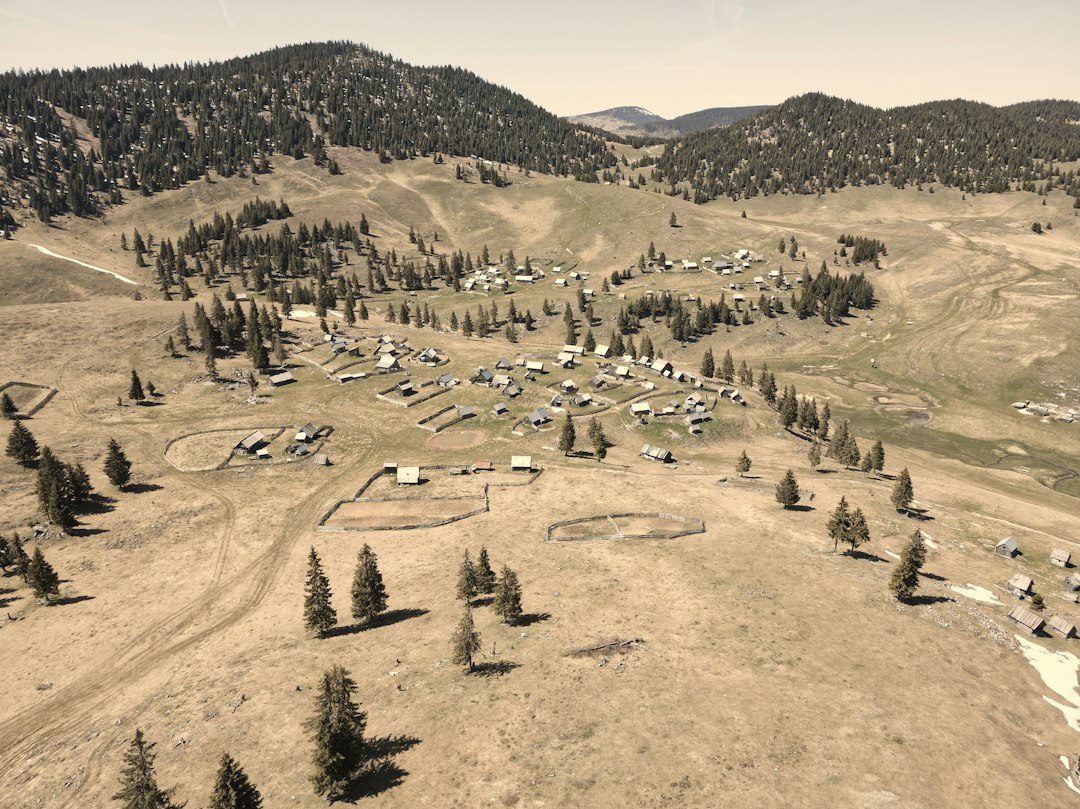
The scattered remnants of ancient fires, knapped stone tools, and the faint outlines of post holes whisper tales of our earliest ancestors, not as nomadic wanderers, but as strategists who established and maintained organized living spaces. Prehistoric base camps, the cradles of human community, offer a profound glimpse into the cognitive and social evolution of hominins. These were not haphazard gatherings but deliberately structured environments, reflecting an understanding of resource management, social dynamics, and even nascent forms of territoriality. Examining the organization and layout of these early settlements allows us to reconstruct not just where our ancestors lived, but how they lived, worked, and interacted with their world. The archaeological record, though often fragmented, reveals a remarkable degree of planning and purpose in the placement and arrangement of activities within these fundamental human habitations.
The Strategic Placement of Early Habitations
The decision of where to establish a base camp was a critical one, dictated by a complex interplay of environmental factors, resource availability, and strategic considerations. Early humans were acutely aware of their surroundings, and their settlement choices reflect a deep understanding of ecological niches and the potential they offered for survival and prosperity.
Proximity to Vital Resources
A fundamental determinant of base camp location was the proximity to essential resources. Water sources were paramount. Rivers, streams, lakes, and reliable springs provided not only drinking water but also attracted game animals, which in turn offered sustenance in the form of meat, fat, and hides. Sites near these aquatic arteries were consistently favored. Beyond water, access to food sources was crucial. This included areas rich in edible plants, such as berry bushes, tubers, and nuts, as well as territories where game animals were known to congregate or migrate.
Shelter and Defense
Natural features that offered protection from the elements and potential predators played a significant role. Caves and rock shelters provided immediate, low-effort shelter, offering protection from rain, wind, and the harsh sun, as well as a degree of security from large carnivores. In open-air sites, elevated positions on hillsides or bluffs offered advantages. These vantage points provided early warning of approaching dangers, whether human or animal, and afforded a commanding view of the surrounding landscape, facilitating hunting and resource monitoring. The presence of natural barriers, such as dense forests or rocky outcrops, could also enhance defensive capabilities, making it more difficult for threats to approach undetected.
Material Availability for Tools and Construction
The availability of raw materials for toolmaking and shelter construction was another crucial factor. Quarries of flint, chert, obsidian, or other suitable lithic materials were highly sought after, as they provided the essential resources for creating cutting tools, projectile points, and scrapers – the very instruments of survival. Similarly, access to wood for fuel, construction of dwellings, and the crafting of spears or other wooden implements was vital. The presence of clay deposits could also influence location, particularly for later prehistoric groups who developed pottery.
Environmental Considerations and Microclimates
Beyond the immediate vicinity, broader environmental considerations shaped settlement patterns. Early humans were adept at reading the landscape and understanding microclimates. Sheltered valleys might offer protection from prevailing winds and a more temperate environment. Areas with good drainage prevented waterlogging and the associated health risks. The overall suitability of the terrain for hunting, gathering, and raising young families was a constant calculus in the decision-making process.
The organization and layout of prehistoric base camps played a crucial role in the survival and daily activities of early human societies. Understanding how these ancient communities structured their living spaces can provide valuable insights into their social dynamics and resource management. For a deeper exploration of how ancient rituals and practices influenced survival strategies, you can read the article on ancient rituals for abundance at Surviving Famine: Ancient Rituals for Abundance.
The Internal Organization of Prehistoric Settlements

Once a suitable location was chosen, the organization and layout of the base camp itself became a reflection of the social structure, technological capabilities, and daily activities of its inhabitants. Evidence of distinct activity areas, patterned artifact distribution, and the arrangement of structures paints a picture of a functioning community.
Zones of Activity and Specialization
Archaeological excavations frequently reveal distinct zones within prehistoric base camps, indicating a degree of specialization in activities. Fire hearths, often clustered together, suggest areas for cooking, warmth, and social gathering. Evidence of stone tool production, such as concentrations of debitage (waste material from knapping), hammerstones, and unfinished tools, points to specific workshops. Areas with a higher density of faunal remains, particularly those with butchery marks, indicate where game was processed. Similarly, the discovery of grinding stones and evidence of plant processing suggests specialized areas for food preparation.
The Hearth as a Social and Functional Hub
The hearth was arguably the most important element in the internal organization of a prehistoric settlement. It was the focal point of daily life, providing warmth, light, and the means to cook food. Beyond its practical functions, the hearth was also a social nucleus. It was where stories were shared, skills were taught, and social bonds were reinforced. The arrangement of sleeping areas, food storage, and toolmaking often revolved around the hearth, underscoring its centrality to the community. The careful maintenance and repeated use of hearths over long periods indicate their profound significance.
Spatial Relationships and Social Dynamics
The spatial relationships between different features within a camp can offer insights into social dynamics. The clustering of hearths might indicate extended family units or cooperative social groups. The proximity of certain activity areas to residential spaces could reflect the involvement of all community members in tasks such as food preparation or tool maintenance. Conversely, the segregation of certain activities might suggest gendered divisions of labor or hierarchical structures, though such interpretations require careful consideration of the available evidence and are often debated among archaeologists. The evidence for communal structures or shared storage facilities would further illuminate the extent of social cooperation.
Evidence of Dwellings and Shelter Modifications
While evidence for permanent structures is often scarce in earlier periods, the presence of post holes, hearths within defined spaces, and concentrations of domestic debris can indicate the existence of dwellings. These could range from simple windbreaks and temporary shelters to more robust constructions designed for longer-term occupation. In cave sites, evidence of hearth placement, the partitioning of space with stone arrangements, and the deposition of waste materials all contribute to understanding the internal organization of these natural shelters. The modifications made to natural shelters, such as the construction of internal walls or the creation of platforms, demonstrate a proactive approach to creating comfortable and functional living spaces.
The Evolution of Settlement Complexity
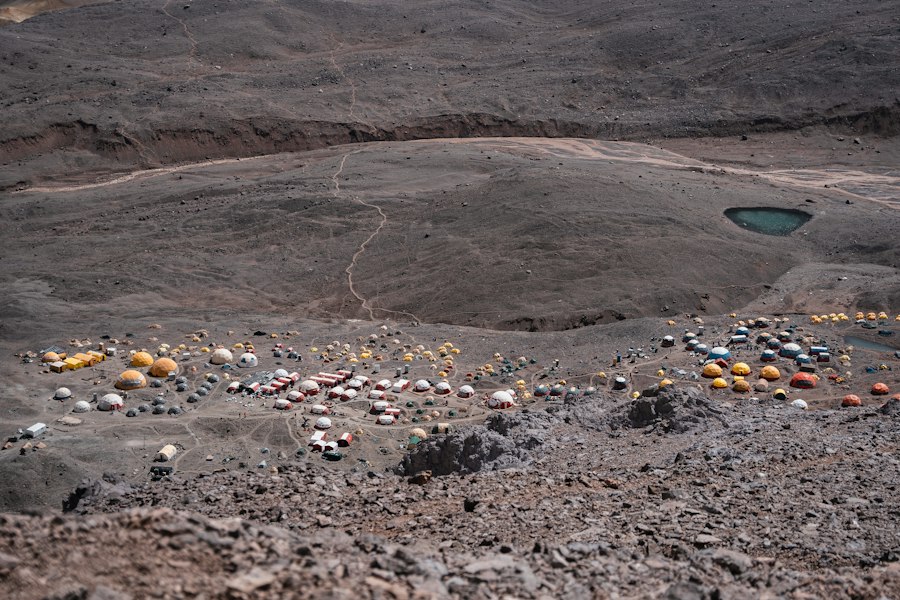
The organization and layout of prehistoric base camps were not static. Over millennia, as human cognitive abilities, social structures, and technological prowess advanced, so too did the complexity of their settlements. This evolution is marked by increasingly sophisticated planning, larger populations, and the emergence of more permanent structures.
Early Nomadic Camps: Simplicity and Flexibility
The earliest hominin base camps likely resembled ephemeral gatherings, characterized by simplicity and flexibility. These were often temporary sites, occupied for short durations before the group moved on in pursuit of resources. The organization would have been minimal, focused on immediate needs: a safe place to sleep, a fire for warmth and cooking, and areas for basic tool repair. The evidence from these early sites is often characterized by scattered lithic scatters and isolated hearths, offering limited clues about the precise layout or social organization. The emphasis was on adaptability and mobility.
Semi-Permanent Settlements: The Rise of Regularity
As populations grew and resource exploitation became more efficient, semi-permanent settlements began to emerge. These camps were occupied for longer periods, perhaps seasonally or for several years. This stability allowed for the development of more regular patterns of organization. Evidence of repeated hearth use, the establishment of more defined activity areas, and the construction of more substantial, albeit often perishable, shelters become more prevalent in the archaeological record. This period marks a shift towards a greater investment in place.
The Dawn of Villages: Permanent Habitations and Social Stratification
The transition to permanent villages represents a significant leap in settlement complexity. These sites were occupied year-round and often by larger, more established communities. The archaeological evidence from this period frequently includes the remains of more durable structures, such as houses built of wood, earth, or stone. The layout of these villages could be quite intricate, with evidence of planned streets, communal gathering spaces, and even defensive features like palisades or ditches. The increasing complexity of settlement organization at this stage often correlates with evidence of social stratification, specialized labor beyond subsistence, and the emergence of more complex social and political structures.
The Role of Environmental Stability and Resource Abundance
The evolution towards more complex settlements was intrinsically linked to environmental stability and the predictable abundance of resources. Areas with reliable and consistent access to food and water, coupled with a favorable climate, provided the necessary conditions for longer-term occupation and population growth. Conversely, regions with highly fluctuating environments or scarce resources would have likely continued to support more mobile and less complex settlement patterns.
Material Culture and Settlement Layout
The types of artifacts found within a prehistoric base camp, and their spatial distribution, are crucial for understanding its organization. The material culture provides tangible evidence of daily life, technological capabilities, and the activities that took place within the settlement.
Lithic Technology and Spatial Distribution
The distribution of lithic artifacts, from raw materials to finished tools and debitage, offers valuable insights into the organization of tool production. Concentrations of debitage indicate knapping stations, where stone was worked. The presence of hammerstones, anvils, and retouching tools further refines our understanding of these workshops. The spatial relationship between these knapping areas and residential zones can reveal whether toolmaking was a communal activity or the domain of specialized individuals.
Faunal and Floral Remains: Evidence of Subsistence and Processing
The analysis of animal bones and plant remains provides direct evidence of diet and subsistence strategies. The spatial distribution of these remains can indicate where animals were butchered, meat was processed, and plant foods were prepared. For instance, a dense concentration of bones with clear butchery marks would suggest a primary processing area. The presence of grinding stones or pestles and mortars in specific locations points to the processing of plant-based foods like grains or tubers.
Pottery and Other Domestic Artifacts
The emergence of pottery marks a significant shift in domestic technology and often provides clues about settlement permanence and social complexity. The types of pottery found, their distribution within a site, and evidence of breakage can indicate domestic activities, food storage practices, and even trade networks. Other domestic artifacts, such as bone needles, beads, or ornaments, can shed light on personal adornment, the development of craftsmanship, and the social lives of the inhabitants. Their placement within the settlement can also indicate living spaces and areas of personal activity.
Hearths and Cooking Technology
The artifacts associated with hearths are particularly informative. These can include charred food remains, cooking vessels (if pottery is present), and tools used for tending fires or preparing food. The size, shape, and construction of hearths, along with the associated artifacts, can reveal information about cooking methods, the duration of occupation, and the social significance of the hearth. The presence of multiple hearths within a site can suggest communal cooking or distinct household units.
Understanding the organization and layout of prehistoric base camps is crucial for archaeologists studying early human behavior and social structures. A fascinating article that delves into the complexities of human interactions, albeit in a different context, can be found at navigating border disputes. This piece highlights how spatial arrangements can influence relationships and conflicts, drawing a parallel to how ancient communities may have structured their living spaces to foster cooperation or manage resources effectively.
Challenges and Interpretations in Reconstructing Base Camps
| Aspect | Description | Typical Measurements / Data | Significance |
|---|---|---|---|
| Camp Size | Area occupied by the base camp | 100 – 500 square meters | Indicates group size and activity scope |
| Hearth Placement | Location of fire pits within the camp | Centralized or multiple hearths spaced 2-5 meters apart | Used for cooking, warmth, and social gathering |
| Tool Production Zones | Areas designated for knapping and tool making | Clusters of lithic debris spanning 1-3 meters | Reflects specialized activity areas within camp |
| Sleeping Areas | Spaces used for resting and sleeping | Often located on periphery, 2-4 meters from hearths | Indicates spatial organization and social structure |
| Waste Disposal | Zones for discard of food remains and debris | Separate from living areas, often downhill or downwind | Maintains hygiene and reduces pest attraction |
| Defensive Features | Natural or constructed barriers around camp | Use of rocks, ditches, or elevated terrain | Protection from predators and rival groups |
| Water Source Proximity | Distance from camp to nearest water source | Typically within 100 meters | Essential for drinking, cooking, and cleaning |
While the archaeological evidence offers a fascinating window into prehistoric base camps, it is essential to acknowledge the inherent challenges and the need for careful interpretation. The passage of time, geological processes, and the nature of archaeological preservation all contribute to the fragmented and often ambiguous nature of the evidence.
Preservation Bias and Site Disturbance
One of the most significant challenges is preservation bias. Organic materials, such as wood, textiles, and even bone, decay over time, leaving behind only the most durable evidence, primarily stone tools and hearth features. Furthermore, natural processes like erosion, sedimentation, and animal activity can disturb the original depositional contexts of artifacts, making it difficult to reconstruct precise spatial relationships. Later human activities, such as agriculture or construction, can also obliterate or significantly alter prehistoric settlement sites.
The Ambiguity of Artifact Interpretation
Interpreting the function of artifacts and their spatial distribution requires a nuanced approach. A concentration of stone tools might indicate a workshop, but it could also be the result of a single individual dropping their tools. A hearth could be a domestic cooking fire, but it could also have served ritualistic or communal purposes. Archaeologists must rely on comparative analysis, experimental archaeology, and a deep understanding of prehistoric behavior to move beyond simple descriptions to more robust interpretations of social organization and activity.
Distinguishing Base Camps from Other Site Types
It is crucial to differentiate true base camps, which represent sustained periods of occupation and a range of domestic activities, from other types of prehistoric sites, such as temporary hunting blinds, resource extraction sites, or kill sites. The presence of multiple activity areas, evidence of long-term occupation, and a diverse range of domestic artifacts are key indicators of a base camp. The absence of these features might point to a more specialized or transient site.
The Evolving Nature of Archaeological Research
Our understanding of prehistoric base camps is constantly evolving with new discoveries and advancements in archaeological methodologies. Improved excavation techniques, sophisticated dating methods, and new analytical tools, such as geospatial analysis and microscopic residue analysis, continue to refine our interpretations and challenge existing models. Therefore, any reconstruction of prehistoric settlement organization should be viewed as a working hypothesis, subject to revision as new evidence emerges. The ongoing nature of research ensures that our understanding of these ancient living spaces becomes increasingly detailed and accurate.

Life 20,000 Years Ago: How Humans Survived the Ice Age
FAQs
What is a prehistoric base camp?
A prehistoric base camp is a temporary settlement used by early human societies for activities such as hunting, gathering, tool making, and social interactions.
How were prehistoric base camps organized?
Prehistoric base camps were typically organized around a central area where communal activities took place, surrounded by individual or family living spaces. The layout often reflected the social structure and daily activities of the group.
What evidence is used to study the organization and layout of prehistoric base camps?
Archaeologists study a variety of evidence to understand the organization and layout of prehistoric base camps, including the distribution of artifacts, features such as hearths or storage pits, and the arrangement of living structures.
Were prehistoric base camps strategically located?
Yes, prehistoric base camps were often strategically located near important resources such as water sources, food supplies, and raw materials for tool making. The location of a base camp could impact the group’s access to essential resources.
How did the organization and layout of prehistoric base camps contribute to group cohesion?
The organization and layout of prehistoric base camps likely played a role in fostering social interactions, cooperation, and division of labor within the group. By creating designated spaces for different activities, base camps may have helped strengthen group cohesion and communication.