The Dawn of Ingenuity: Early Humans and the Quest for Stone
The relentless march of hominin evolution is a testament to adaptability and innovation. Among the most critical leaps in this journey was the development of stone tools, a foundational technology that reshaped the relationship between early humans and their environment. This article delves into the fascinating world of Ice Age communities and their sophisticated methods for gathering and processing stones to craft essential implements. Far from being a haphazard activity, the acquisition of suitable lithic materials was a complex undertaking, demanding knowledge, skill, and strategic foresight. These early toolmakers, often referred to as hominins, were not merely passive collectors but active prospectors, discerning the properties of different rocks and understanding their potential for transformation into instruments that would aid in survival, from butchering game to preparing hides and shaping wood. The very act of gathering stones was a precursor to the intellectual and manual dexterity that defined our ancestors.
Ice Age communities exhibited remarkable ingenuity in their resource gathering, particularly in the collection of stones for tools and construction. Recent studies have shed light on the methods these early humans employed to select and transport stones from various locations, demonstrating their understanding of geology and landscape. For a deeper exploration of these ancient practices and other archaeological discoveries, you can read the article “Unraveling Ancient Mysteries: New Discoveries Shed Light” at this link.
The Stone Whisperers: Identifying Prime Lithic Resources

Before any tool could be fashioned, the raw material had to be located. Ice Age communities, spread across diverse landscapes, developed an intimate understanding of their local geology. They were acutely aware of which stone types held the most promise for toolmaking and where these prized materials could be found. This knowledge was not innate but learned and passed down through generations, a vital component of cultural transmission. The primary criterion for a suitable stone was its ability to fracture predictably and produce sharp, durable edges.
The Quest for Flint and Chert: The Cornerstones of Early Toolkits
Among the most highly sought-after materials were flint and chert. These fine-grained sedimentary rocks, often found in chalk or limestone deposits, possess a conchoidal fracture pattern. This means that when struck, they break in a characteristic curved, shell-like manner, producing remarkably sharp and controlled flakes. The ability to predict this fracture allowed early humans to systematically detach precisely shaped pieces that could be further refined into tools. Finding deposits of high-quality flint and chert was a significant undertaking. These resources were not uniformly distributed, and their extraction often required considerable effort. Coastal areas, exposed sedimentary rock formations, and riverbeds where erosion had concentrated suitable nodules were prime locations.
Beyond Flint: Obsidian, Quartzite, and Basalt in the Lithic Palette
While flint and chert dominated many early toolkits, hominins also recognized the value of other stone types. Obsidian, a volcanic glass, offered an exceptionally sharp edge, capable of cutting through biological tissue with remarkable ease. Its glassy fracture, however, made it more brittle than flint, limiting its use for heavier-duty tools. Nevertheless, obsidian was highly prized for delicate tasks and was often traded over long distances, indicating its scarcity and desirability. Quartzite, a metamorphic rock, offered superior hardness and durability, making it suitable for more robust tools like choppers and handaxes. However, its granular structure could lead to less predictable flaking compared to flint. Basalt, an extrusive igneous rock, was another important material, particularly in volcanic regions. Its fine-grained texture and relative hardness made it useful for a range of tools, from cutting edges to pounding implements. The selection of a particular stone was often dictated by the intended function of the tool and the available resources within a community’s territory.
The Importance of Texture and Homogeneity: A Knapper’s Intuition
Early humans developed a nuanced understanding of a stone’s internal structure. They could often discern the quality of a piece by its texture, weight, and even the sound it made when tapped. A homogeneous stone, free from internal cracks or inclusions, was preferred because it would fracture more predictably and reliably. Foreign inclusions or variations in grain size could lead to premature breakage or uneven edges, rendering a tool ineffective or even dangerous to the user. This intuitive knowledge, honed over countless hours of experimentation and observation, was crucial for selecting the best raw material for a specific task.
The Art of the Hunt: Locating Stone Deposits
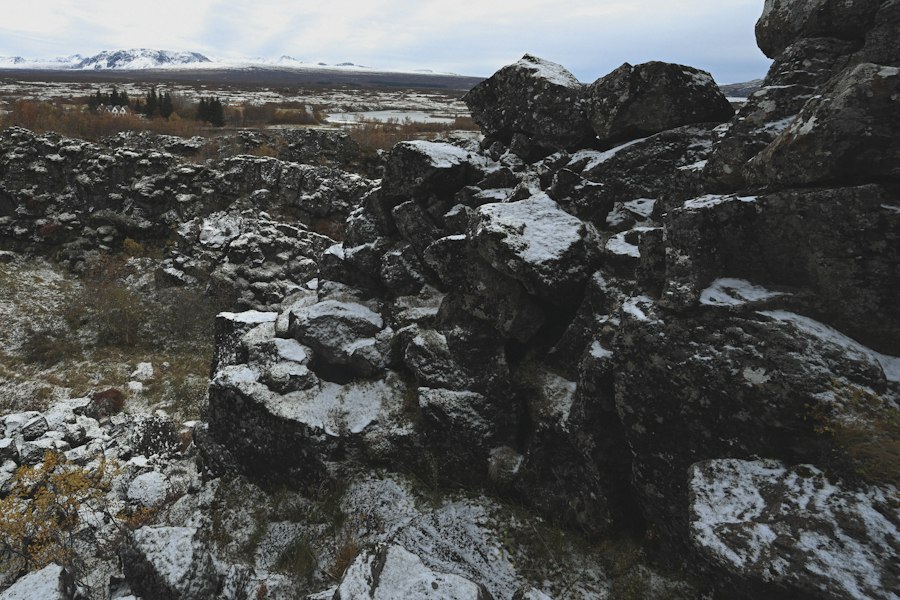
The search for suitable stones was not a passive endeavor; it involved active exploration and a keen understanding of the landscape. Ice Age communities were intimately familiar with their surroundings, recognizing geological clues that indicated the presence of valuable lithic resources. This knowledge was passed down through generations, forming a vital part of their cultural heritage and survival strategy.
Following the Waterways: Rivers as Natural Stone Dispensers
Rivers played a crucial role in the distribution of stone resources. Erosion constantly reshaped the landscape, and fast-flowing rivers acted as natural transport systems, carrying nodules and cobbles from upstream bedrock sources. Consequently, riverbeds and their associated alluvial plains became prime hunting grounds for stone. Hominins would meticulously search these areas, sifting through the gravel and sand for promising pieces. The smooth, water-worn surfaces of river cobbles were often a giveaway, and their size and shape could also provide clues about their potential for toolmaking. The presence of specific types of stones in a riverbed could also indicate the geological composition of the upstream catchment area, guiding further exploration.
Exposed Bedrock and Ancient Quarries: Unearthing Hidden Treasures
In areas with exposed bedrock, particularly in regions with chalk, limestone, or volcanic activity, hominins would directly prospect for raw materials. They would examine cliff faces, eroded slopes, and cave entrances for signs of flint seams, chert layers, or volcanic flows. These locations often represented primary sources, where the stone was found in situ. The identification of these “quarries,” whether natural outcrops or areas where stone had been extracted through rudimentary mining techniques, was a significant discovery. These sites could provide a consistent and abundant supply of high-quality material, forming the economic and technological heart of a community. Evidence of deliberate quarrying, such as pits or carefully extracted blocks, suggests a sophisticated understanding of resource management.
The Role of Tectonic Activity and Glacial Action: Nature’s Stone Sorters
Geological processes, particularly tectonic activity and glaciation, also played a significant role in making stone accessible. Earthquakes and volcanic eruptions could expose new bedrock and fracture existing formations, revealing previously inaccessible deposits. Glaciers, powerful agents of erosion and transportation, would scour the landscape, breaking up bedrock and carrying vast quantities of rock fragments for hundreds or even thousands of miles. As glaciers retreated, they left behind moraines and outwash plains, rich with a diverse assortment of stones. Ice Age communities living in glaciated regions became adept at identifying and utilizing the materials deposited by these immense natural forces, often finding a ready supply of various rock types suitable for different toolmaking needs.
The Art of Acquisition: Gathering and Transporting Stone
Once promising stone deposits were identified, the next challenge was to acquire and transport the raw material back to the living site. This process varied depending on the type of stone, its location, and the available resources of the community. The logistical challenges of moving heavy stones over often rugged terrain were considerable, requiring a degree of planning and communal effort.
Hand-Carrying and Simple Containers: The Immediate Approach
For smaller nodules and cobbles, the most straightforward method of acquisition was simply by hand. Individuals would collect suitable pieces while foraging or traveling and carry them back to their camp or settlement. When larger quantities or heavier pieces were needed, they might use rudimentary containers fashioned from animal hides or plant materials, though the evidence for such early containers is often scarce. The size and weight of the stones were a limiting factor in this direct carrying method, influencing the size and type of tools that could be produced at a given location.
Utilizing Natural Features: Leveraging the Landscape for Transport
Early humans were ingenious in their use of the natural environment to facilitate the transport of stone. They might have rolled larger rocks down slopes or used them to lever smaller stones from difficult-to-reach positions. In areas with abundant water, they could have potentially used rafts or simple log constructions to move heavier materials along rivers, a method that would have been far more efficient than overland transport. The effectiveness of these techniques would have depended on the specific terrain and the availability of natural resources, demonstrating a flexible and adaptive approach to resource management.
The Emergence of Specialized Gathering Expeditions: Long-Distance Procurement
For exceptionally valuable or rare materials, such as high-quality obsidian, communities might have organized specialized gathering expeditions. These would have been longer, more arduous journeys, undertaken by individuals or groups with the specific purpose of obtaining these prized resources. Such expeditions suggest a more complex economic system, potentially involving trade or exchange networks. The ability to travel significant distances to acquire specific types of stone highlights the immense value placed on these materials and the importance of toolmaking for survival and advancement. Evidence of exotic stone types in archaeological sites far from their geological source strongly supports the existence of these long-distance procurement strategies.
In examining how Ice Age communities gathered stones for tool-making and construction, it’s fascinating to consider the broader implications of resource management in ancient societies. These early humans demonstrated remarkable ingenuity in sourcing materials from their environment, which is a topic explored in depth in a related article. For those interested in understanding the evolution of human resourcefulness, you can read more about it in this insightful piece on the decline of literacy after the Dark Ages and its factors and consequences. The article highlights how knowledge transfer and resource utilization have shaped civilizations over time, much like the stone-gathering practices of our ancestors. You can find the article here: decline of literacy after the Dark Ages.
The Genesis of Tools: Shaping Stone for Purpose
| Metric | Description | Estimated Value | Source/Method |
|---|---|---|---|
| Stone Types Used | Common types of stones gathered for tools and construction | Flint, Quartzite, Chert, Obsidian | Archaeological site analysis |
| Distance Traveled to Gather Stones | Average distance Ice Age communities traveled to collect stones | 5-20 kilometers | GIS mapping of quarry sites and settlements |
| Tool Production Rate | Number of stone tools produced per week per community | 10-30 tools | Experimental archaeology and ethnographic analogy |
| Stone Quarry Locations | Number of known quarry sites used by Ice Age communities | 50+ across Europe and Asia | Archaeological surveys |
| Preferred Stone Size | Typical size of stones selected for tool making | 5-15 cm in diameter | Artifact measurement |
| Seasonality of Gathering | Time of year when stone gathering was most frequent | Spring and Summer | Environmental and site usage studies |
The most transformative stage in the journey of a stone was its transformation into a functional tool. This process, known as lithic reduction or knapping, was a highly skilled craft that involved systematically striking a core stone with a hammerstone to detach sharp flakes. These flakes, or the core itself, were then further shaped to create a variety of implements.
Percussion Flaking: The Foundation of Stone Tool Technology
The most ancient and fundamental method of stone tool manufacture was percussion flaking. This involved striking a core stone (the parent piece) with another stone, the hammerstone, to remove smaller pieces called flakes. The angle and force of the strike, the type of hammerstone used (hard hammerstones like quartzite or softer hammerstones like antler or bone), and the preparation of the core all influenced the shape and size of the detached flakes. Early hominins developed a remarkable degree of control over this process, allowing them to produce flakes with sharp edges that could be used directly or further modified. The sound and feel of the impact provided crucial feedback, guiding the knapper’s hand and refining their technique.
Different Hammerstones for Different Tasks: Hard vs. Soft Percussion
The choice of hammerstone was critical to the knapping process. Hard hammerstones, typically made of dense, fine-grained rock like quartzite, were used for the initial stages of shaping and for detaching larger, thicker flakes. They could withstand the forceful impacts required to break down a raw stone nodule. Softer hammerstones, made from materials like antler, bone, or even wood, were employed for more delicate work. They produced more controlled flaking and were essential for refining edges and creating finer points or serrations. The ability to select and utilize different hammerstones demonstrates a sophisticated understanding of the physics involved in stone fracture and tool manufacture.
Pressure Flaking: Achieving Finer Edges and Precision
Once a basic tool form was achieved through percussion, a more refined technique known as pressure flaking was often employed. This involved using a pointed implement, such as an antler tine or a bone awl, to push against the edge of the stone. By applying localized pressure, tiny flakes could be removed, creating a very sharp, precise, and often serrated edge. This technique was crucial for producing highly specialized tools like projectile points, scrapers, and knives, where sharpness and accuracy were paramount. Pressure flaking required a high degree of dexterity and control, marking a significant advancement in the sophistication of toolmaking.
The Social Fabric of Stone: Community and Knowledge Transmission
The process of gathering and shaping stones was not solely an individual endeavor; it was deeply embedded within the social fabric of Ice Age communities. The knowledge and skills required for effective toolmaking were learned, practiced, and passed down through generations, fostering a shared cultural heritage. The distribution and use of stone tools also played a vital role in social interactions, cooperation, and the development of more complex societies.
Apprenticeship and Observation: Learning the Knapper’s Craft
The art of lithic reduction was a craft learned through observation and hands-on apprenticeship. Young hominins would have watched experienced toolmakers, observing their techniques, the selection of raw materials, and the subtle nuances of the knapping process. Gradually, they would begin to practice themselves, starting with simpler tasks under the guidance of elders. This intergenerational transmission of knowledge was essential for ensuring the continuity of essential technologies and preserving valuable skills. It fostered a sense of continuity and tradition within the community.
The Role of Toolmakers: Specialists and Social Status
In larger or more settled communities, it is likely that some individuals specialized in toolmaking. These skilled knappers would have held a respected position within their society, their expertise contributing directly to the well-being and survival of the group. Their ability to produce high-quality tools would have been crucial for hunting, processing food, and crafting other essential items. The production of superior tools could have also conferred social status, as individuals possessing such skills might have been able to trade their products for other desirable goods or services.
Stone as a Medium of Exchange and Connection: Trade and Social Networks
The scarcity of certain types of high-quality stone, particularly obsidian, led to the development of trade networks. Communities that possessed rich deposits of desirable lithic materials would exchange them with neighboring groups for other resources, such as food, hides, or other tools. This exchange of stone, traveling over long distances, played a significant role in connecting different communities, fostering social ties, and facilitating the spread of ideas and technologies. The presence of exotic stones in archaeological sites is a powerful testament to these ancient trade routes and the interconnectedness of Ice Age peoples. The act of gathering and shaping stone, therefore, was not just about survival; it was a fundamental aspect of social organization, cultural transmission, and the development of complex human societies.

Life 20,000 Years Ago: How Humans Survived the Ice Age
FAQs
1. How did ice age communities use stones?
Ice age communities used stones for various purposes such as tools, weapons, and building materials. Stones were essential for their survival and daily activities.
2. Where did ice age communities gather stones?
Ice age communities gathered stones from nearby riverbeds, quarries, and other natural sources. They selected stones based on their size, shape, and durability for specific tasks.
3. What tools did ice age communities use to gather stones?
Ice age communities used simple tools such as wooden sticks, antlers, and bones to gather stones. These tools were used to break, shape, and transport stones to their settlements.
4. Why were stones important for ice age communities?
Stones were important for ice age communities because they provided essential resources for survival. Stones were used for hunting, food preparation, shelter construction, and various other activities.
5. How did ice age communities transport stones to their settlements?
Ice age communities transported stones to their settlements by using sledges, wooden carts, and manpower. They developed innovative techniques to move heavy stones over long distances for their needs.