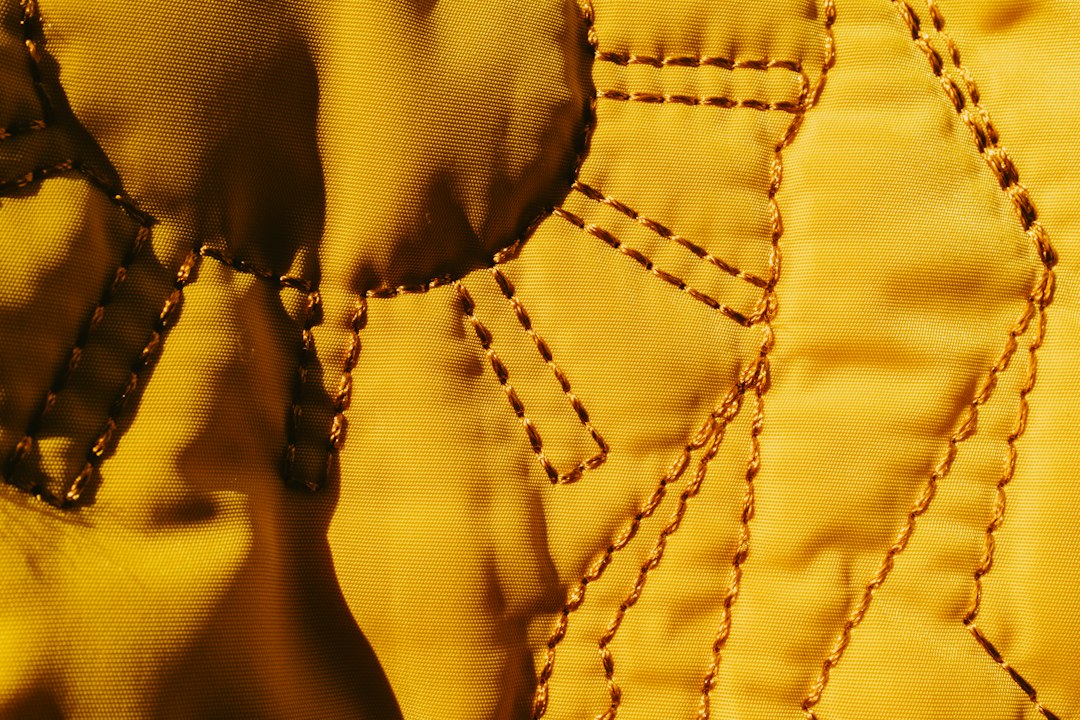
The whisper of ancient winds, a constant companion to our early ancestors, demanded ingenuity born of necessity. Long before the advent of synthetic fibers and mass production, humanity faced the elements with resourcefulness, crafting garments that offered not just warmth but also a crucial defense against biting gusts and chilling drafts. The story of prehistoric clothing is, in many ways, the story of sophisticated, albeit rudimentary, stitching techniques, honed over millennia to create windproof barriers from the natural materials available. These ancient seamstresses and tailors, working with bone needles and sinew thread, developed an understanding of fiber behavior and construction that still resonates with modern textile science. Exploring these early methods offers a profound glimpse into the practical brilliance of our forebears and the fundamental principles of weather-resistant apparel that remain relevant today.
The Raw Materials of Resilience
Before delving into the stitches themselves, understanding the materials that formed the foundation of prehistoric garments is paramount. The very choice of animal hides, furs, and plant fibers dictated the potential for windproofing and the techniques employed. These were not simply raw materials; they were chosen with an intuitive, empirical understanding of their inherent properties and how they could be manipulated to serve a specific purpose. The thickness, density, and natural oils within these materials played a significant role in their ability to resist wind penetration.
Animal Hides and Their Protective Qualities
The most readily available and arguably the most effective material for windproof garments in prehistoric times was animal hide. From the thick, oily skins of large game like mammoths, aurochs, and bison, to the more pliable hides of deer and smaller mammals, these offered a dense, relatively impermeable barrier. The natural oils and fats present in these hides, often retained through rudimentary tanning processes or simply by drying and scraping, acted as a natural waterproofing agent, further enhancing their wind resistance. The fur, when left attached, provided an additional layer of insulation and an even greater defense against wind, trapping air and creating a microclimate against the body. The toughness of these hides also meant they could withstand considerable wear and tear, making them ideal for the rigors of prehistoric life.
The Role of Animal Fur in Insulation
Animal fur was an indispensable component of prehistoric windproof clothing. Whether attached to hides or used as separate panels, the hollow structure of many animal hairs traps air efficiently. This trapped air acts as a superb insulator, slowing down heat transfer away from the body. Beyond simple insulation, the dense packing of fur fibers creates a physical barrier that wind struggles to penetrate. The longer, coarser guard hairs deflect direct wind, while the shorter, softer underfur traps a layer of still air close to the skin. The natural oils found in fur also contribute to its water-repellency, preventing the fibers from clumping together and losing their insulating capacity in damp conditions. The choice of animal, therefore, directly influenced the quality of the windproof garment, with animals adapted to cold climates, such as woolly rhinoceros and arctic foxes, yielding the most effective furs.
Plant Fibers: Less Common but Still Significant
While animal products dominated the creation of truly windproof garments, plant fibers also played a role, particularly in regions or for specific garment types. Fibers from grasses, reeds, bark, and certain bast plants could be processed and woven or felted. However, woven plant fibers, especially those from simpler weaves, are inherently more permeable to wind than dense hides or thick furs. To achieve any degree of wind resistance, plant fibers often needed to be densely packed, perhaps through felting processes, or coated with natural resins or fats. Bark cloth, for instance, could be surprisingly resilient and offered a wind-resistant surface, especially when processed to create a dense, almost leathery texture. The effectiveness of plant-based windproofing was often dependent on the specific plant and the elaborate processing required.
In exploring the fascinating world of prehistoric garments, one intriguing aspect is the windproof stitching methods employed by early humans to enhance their clothing’s functionality. These techniques not only provided protection against the elements but also showcased the ingenuity of our ancestors in utilizing available materials. For a deeper understanding of how ancient practices can inform modern craftsmanship, you might find this article on labor value content in trade agreements insightful: Understanding the USMCA Labor Value Content.
The Art of the Seam: Ancient Stitching for Windproof Garments
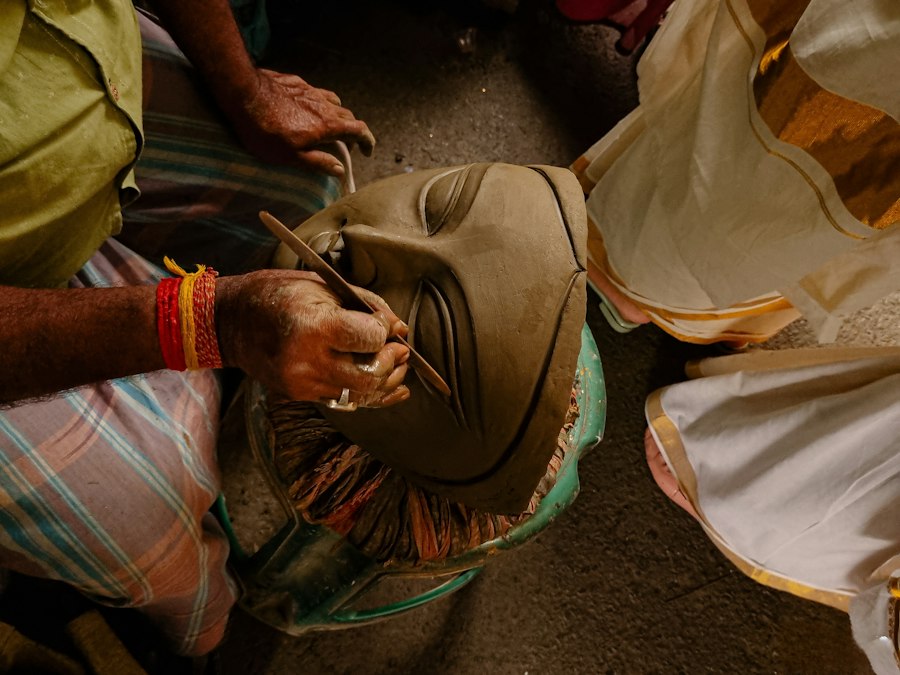
The true genius of prehistoric windproof clothing lay in the meticulous construction of its seams. These were not merely decorative elements but functional interfaces designed to minimize gaps and prevent the ingress of cold air. The selection of thread, the type of stitch, and the overall construction of the garment were all geared towards creating a continuous, unbroken barrier. The development of these techniques was a slow, iterative process, passed down through generations, with each success and failure contributing to a growing body of textile knowledge.
Needle and Thread: The Essential Tools
The creation of any stitched garment, windproof or otherwise, hinges on the availability of effective needles and thread. Prehistoric needles were typically fashioned from bone, antler, or ivory, sharpened to a fine point and with an eye carefully bored through the thicker end. These tools, while humble, were remarkably durable and capable of piercing tough hides. The thread itself was most commonly derived from animal sinew, either from the tendons of large animals or from the gut lining. Sinew, when prepared correctly (dried, split into fine strands, and sometimes twisted), provided a strong, durable thread that was resistant to breaking. It also possessed a degree of natural elasticity and could swell slightly when wet, helping to seal small holes. Occasionally, processed animal hair or even tough plant fibers might have been used as thread, depending on availability and the specific application.
The Saddle Stitch: A Seam for Strength and Seal
One of the most fundamental and effective stitches for creating windproof seams was a variation of what modern textile experts might recognize as a saddle stitch or a buttonhole stitch. In this technique, the needle would pass through the material from one side, then loop back through the same hole or an adjacent one before passing through the material on the other side. The thread would then be drawn taut, creating a very tight, interlocking stitch that pulled the edges of the material firmly together. This method, when executed with care, minimized the gap between the two pieces of material. The slight overlap inherent in this type of seam construction also provided an extra barrier. Some variations might have involved double stitching, creating an even more robust and wind-resistant join.
The Whipstitch and its Variations: Bridging and Securing
The whipstitch, a simple yet effective stitch where the thread encircles the edges of two pieces of material, was also a crucial technique. In a windproof context, the whipstitch would be employed with very close spacing between stitches, ensuring minimal air permeability. The thread would often be drawn very tightly, pulling the material edges together. Variations of the whipstitch might have involved passing the needle through the material itself at very close intervals before looping around the edge, effectively creating a reinforced seam. This approach was particularly useful for joining thinner materials or for reinforcing edges that were subject to stress. The key to its windproof efficacy lay in the density of the stitches and the tension applied.
Beyond Simple Seams: Overlapping and Gussets for Superior Defense
Prehistoric seamstresses understood that simply joining edges was not always sufficient for optimal windproofing. Therefore, sophisticated techniques involving overlapping materials and the strategic use of gussets were developed. Garment pieces were often cut with significant overlap, meaning one piece lay on top of another for a considerable width, and then stitched through both layers. This effectively created a layered barrier where wind had to penetrate two, or even three, thicknesses of material. Gussets, diamond-shaped or triangular pieces of material inserted into corners or underarm areas, were not just for ease of movement but also for creating smooth, continuous surfaces that reduced the number of potential wind entry points. These expertly placed inserts ensured that there were no sharp angles or large gaps where the wind could easily infiltrate the garment’s interior.
Construction Principles: Building a Windproof Shell
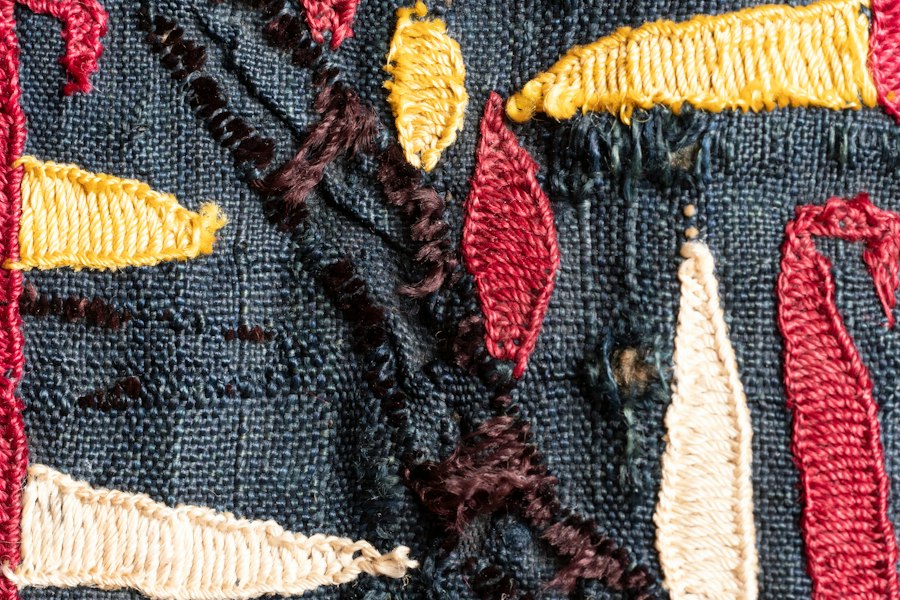
The overarching design philosophy behind prehistoric windproof garments was to create a continuous shell that minimized exposed edges and potential points of entry for the wind. This involved careful consideration of garment shape, the direction of seams, and the integration of closures that did not compromise the windproof integrity. These were not haphazard constructions but deliberate assemblies, reflecting a deep understanding of how air flows and how to disrupt it.
The Importance of Minimal Gaps and Full Coverage
The fundamental principle of windproofing, even in prehistoric times, was the elimination of gaps. Garments were designed to be as close-fitting as possible without restricting movement, minimizing the surface area where air could circulate between the clothing and the body. Seams were placed strategically, often running along natural body lines or in areas less exposed to direct wind. The use of fur-lined hoods, mittens that covered the entire hand and wrist, and leggings that extended from the foot to the waist all contributed to a comprehensive, wind-resistant ensemble. The goal was to create an unbroken barrier, preventing convective heat loss and the chilling sensation of drafts.
Seam Placement and Orientation
The orientation of seams played a crucial role in windproofing. Seams running perpendicular to the prevailing wind direction were generally avoided. Instead, seams were often aligned with the direction of airflow, allowing the wind to flow more smoothly over the garment rather than catching on abrupt transitions. For instance, in a tunic, shoulder seams might be placed to follow the natural curve of the shoulder, and side seams might run vertically. When joining larger panels, such as for a hide tunic, the overlap was often stitched in a way that the uppermost layer protected the seam below it, creating a natural shingling effect that further resisted wind penetration.
Closures: Toggles, Laces, and Beyond
Fastenings on prehistoric garments needed to be both secure and windproof. Metal zippers were millennia away, so ingenuity was required. Toggle closures, made from bone, wood, or antler, were common. These would pass through a loop of sinew or hide, cinching the material together tightly. Lacing systems, using strips of hide or sinew threaded through carefully punched holes, allowed for adjustable tightness and a secure seal. In some instances, leather flaps or extra panels were incorporated over openings, such as where a cloak might be fastened, to provide an additional layer of protection against wind. Even the way a garment was tied or fastened around the neck or waist was considered to minimize any potential for drafts.
Evolution and Adaptation: Regional and Temporal Variations
The techniques and materials used in prehistoric windproof garments were not static. They evolved over time and varied significantly based on geographic location, available resources, and the specific environmental pressures faced by different communities. What was effective in a frigid Arctic environment would be different from what was needed in a windswept steppe or a damp, coastal region. This adaptation speaks to the dynamism of prehistoric innovation.
Arctic and Sub-Arctic Adaptations: Layers and Insulation Mastery
In the harsh, perpetually cold environments of the Arctic and sub-Arctic, windproofing was not merely desirable; it was a matter of survival. Prehistoric peoples in these regions excelled at layering garments. They would often wear multiple layers of animal hides and furs, with the innermost layer being soft and insulating, and the outermost layer being thick, oily, and highly wind-resistant. The development of specialized techniques for preparing and sewing the thick hides of seals and polar bears was crucial. Reversible garments, with fur on the inside for warmth and on the outside for wind resistance, were also common. The construction of intricately sealed hoods and mittens, often attached to the garment, provided unparalleled protection against the relentless winds.
Temperate Zone Innovations: Balancing Protection and Mobility
In temperate zones, the challenges of windproofing were often balanced with the need for greater mobility and protection from less extreme, but still significant, wind and rain. Hide garments were common, but perhaps not as heavily insulated as those found in the far north. The use of tightly woven wool or plant fiber textiles, often treated with natural waterproofing agents like beeswax or animal fats, became more prevalent. The development of cloaks and capes, designed to be thrown over other garments for added protection, was a key adaptation. These could be easily removed or adjusted as conditions changed, offering a flexible approach to wind management.
The Impact of Technological Advancements
As stone tool technology advanced, so too did the ability to process materials. The development of more refined bone needles allowed for finer, more precise stitching, leading to tighter seams and improved wind resistance. Similarly, advancements in scraping and tanning techniques for hides resulted in more pliable and durable materials that could be more effectively worked into windproof garments. The discovery and utilization of new fiber sources, or more efficient methods for processing existing ones, also contributed to the ongoing evolution of prehistoric textile arts and their capacity to combat the wind.
In exploring the fascinating world of prehistoric garments, one intriguing aspect is the windproof stitching methods that early humans developed to protect themselves from harsh weather conditions. These techniques not only showcase their ingenuity but also highlight the importance of functionality in ancient clothing. For a deeper understanding of how materials and craftsmanship have evolved over time, you might find it interesting to read about the luxurious items owned by the wealthy in modern society, as discussed in this article on elite assets. You can check it out here: elite assets.
Enduring Principles: Lessons from Ancient Stitching
| Garment Type | Material Used | Stitching Method | Windproof Effectiveness | Durability | Region Found | Estimated Age |
|---|---|---|---|---|---|---|
| Animal Hide Cloak | Deer Skin | Whip Stitch | Moderate | High | Europe | 12,000 BCE |
| Fur Tunic | Bear Fur | Running Stitch | High | Medium | North America | 8,000 BCE |
| Reed Mat Wrap | Reeds and Grasses | Overcast Stitch | Low | Low | Africa | 10,000 BCE |
| Bird Feather Cape | Feathers and Sinew | Back Stitch | Moderate | Medium | South America | 9,500 BCE |
| Seal Skin Parka | Seal Skin | Double Running Stitch | Very High | High | Arctic Regions | 7,000 BCE |
The study of prehistoric windproof stitching techniques offers more than just an academic curiosity; it provides enduring lessons that resonate with modern textile design and engineering. The fundamental principles of creating a barrier against airflow, the importance of material properties, and the craft of meticulous construction remain relevant. These ancient methods, born from a deep connection with the natural world and a relentless drive for survival, offer a valuable perspective on how to design durable, functional, and weather-resistant clothing.
The Importance of Material Science, Ancient Edition
The prehistoric approach to windproofing was a form of early material science. Our ancestors understood, through trial and error, which animal skins were most impermeable, which furs offered the best insulation against drafts, and how to prepare them to retain these qualities. They recognized the inherent wind-resistant properties of dense fibers and oily surfaces. This empirical knowledge forms the bedrock of modern material science, reminding us that understanding the fundamental characteristics of our chosen materials is the first step in creating effective solutions.
The Power of Intention in Construction
The painstaking detail evident in prehistoric stitching highlights the power of intentional construction. Every stitch, every seam, was placed with a clear purpose: to prevent wind from entering. This meticulous approach contrasts with the often mass-produced and less thoughtfully constructed garments of today. It serves as a reminder that thoughtful design and careful execution can lead to superior performance, even with the simplest of materials. The focus on minimizing gaps and creating a cohesive shell is a principle that still guides the design of high-performance outdoor wear.
A Legacy of Ingenuity for Modern Outdoor Gear
The legacy of prehistoric windproof stitching lives on in the principles that underpin modern outdoor apparel. The layered systems, the use of tightly woven and treated fabrics, and the emphasis on sealed seams in high-quality jackets and trousers all owe a debt to the early innovators who first wrestled with the challenges of wind resistance. By studying these ancient techniques, we gain a deeper appreciation for the ingenuity and resourcefulness of our ancestors and can draw inspiration for creating even more effective and sustainable solutions for facing the elements in the future. The humble bone needle and sinew thread, in the hands of our ancient forebears, were the ancestors of the high-tech fabrics and advanced construction methods we rely on today.

Life 20,000 Years Ago: How Humans Survived the Ice Age
FAQs
What is windproof stitching in prehistoric garments?
Windproof stitching in prehistoric garments refers to sewing techniques used by ancient civilizations to create clothing that could protect against wind and cold weather. These methods involved intricate stitching patterns and the use of specific materials to block out wind.
What materials were commonly used for windproof stitching in prehistoric garments?
Ancient civilizations often used natural materials such as animal hides, fur, and plant fibers like wool and linen for windproof stitching in prehistoric garments. These materials were known for their insulating properties and ability to block out wind.
How did prehistoric people develop windproof stitching techniques?
Prehistoric people developed windproof stitching techniques through trial and error, experimenting with different stitching patterns and materials to create garments that could withstand harsh weather conditions. Over time, they refined these techniques based on their effectiveness.
Were there regional variations in windproof stitching methods for prehistoric garments?
Yes, there were regional variations in windproof stitching methods for prehistoric garments, as different cultures developed unique techniques based on the materials available to them and the climate of their region. For example, Inuit cultures in the Arctic region used seal and caribou hides for windproof stitching.
How have windproof stitching methods in prehistoric garments influenced modern clothing design?
Windproof stitching methods in prehistoric garments have influenced modern clothing design by inspiring the development of advanced stitching techniques and materials that provide superior windproofing capabilities. Today, outdoor clothing brands often incorporate elements of these ancient techniques in their designs for increased protection against the elements.