The Stone Age, a vast epoch spanning millennia, was not a static period. It was a time of profound environmental dynamism, where landscapes underwent dramatic transformations driven by climatic shifts, geological processes, and the burgeoning influence of early hominins. These changes, often slow and incremental on a human timescale but significant over generations, fundamentally shaped the migratory paths and settlement patterns of our Stone Age ancestors. Understanding these landscape shifts is crucial to unraveling the intricate story of human dispersal across the globe.
The Tectonic Canvas and its Early Sculpting
The Earth’s crust, a restless entity throughout geological history, provided the fundamental canvas upon which Stone Age landscapes were painted. While the major continents had largely settled into their present-day positions by the early part of this era, ongoing tectonic activity continued to influence topography, creating varied terrains that either facilitated or hindered movement. Volcanic eruptions, while localized, could dramatically alter local environments, creating fertile ash plains or rendering areas uninhabitable, forcing populations to seek new territories. The slow uplift and erosion of mountain ranges, a process spanning epochs, gradually shaped drainage systems and created barriers or corridors for migration.
Shaping the Surface: The Role of Erosion and Sedimentation
Erosion, driven by wind and water, played a continuous role in shaping the Stone Age landscape. Rivers, in particular, were powerful sculptors. They carved out valleys, deposited sediment to form floodplains, and created deltas, all of which offered distinct ecological niches. Early humans likely followed river valleys, utilizing them as sources of water, food (fish, waterfowl, and edible plants growing along their banks), and as natural pathways. Sedimentation, the deposition of eroded material, could also bury existing landscapes, creating new opportunities for life. Alluvial plains, formed by centuries of sediment deposition, were often exceptionally fertile, attracting both megafauna and the humans who hunted them. The formation of sand dunes by wind action could create arid barriers but also provide opportunities for specialized flora and fauna adapted to these environments.
Mountains as Barriers and Refugia
Mountain ranges presented significant challenges for Stone Age migrants. Their rugged terrain, steep slopes, and harsh climatic conditions often acted as formidable barriers, confining populations to lower elevations. However, mountains were not insurmountable. Certain routes, such as high mountain passes, could be traversed during favorable climatic periods, allowing for the passage of groups or the exchange of resources. Furthermore, mountain environments could also serve as refugia. During periods of widespread environmental stress, such as glacial advances that made lowland areas inhospitable, higher elevations might retain more habitable pockets, supporting pockets of human populations and unique flora and fauna. The altitudinal zonation of vegetation in mountainous regions also offered a diverse range of resources that could be exploited seasonally.
Recent studies on Stone Age landscape changes and human movement have shed light on how early humans adapted to their environments. These findings suggest that fluctuations in climate and vegetation significantly influenced migration patterns and settlement strategies. For a deeper understanding of how these ancient dynamics relate to modern economic trends, you can explore the article on hot assets to sell now, which discusses the importance of adapting to changing landscapes in today’s market. Check it out here: 8 Hot Assets to Sell Now.
The Dynamic Dance of Climate: Ice Ages and Interglacials
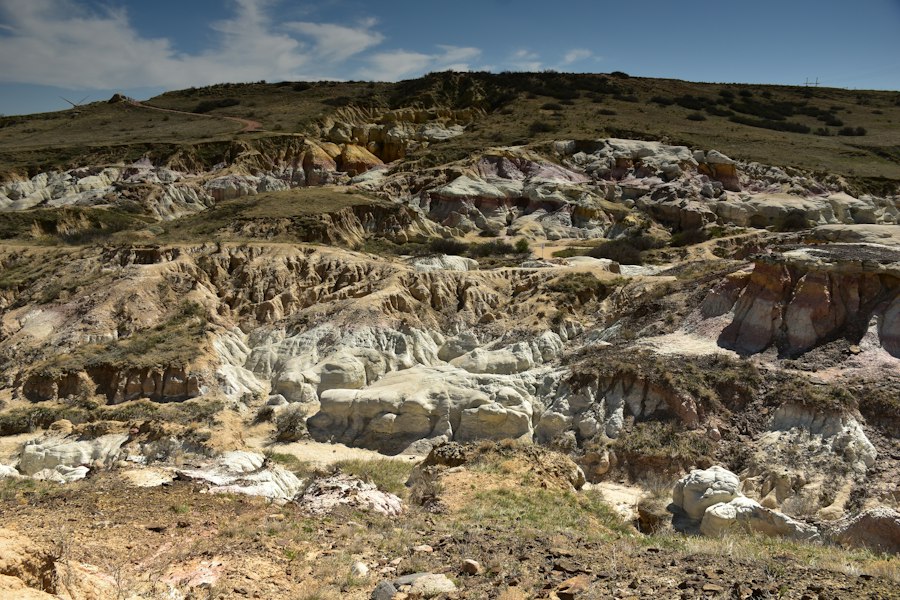
The most significant and far-reaching landscape transformations of the Stone Age were driven by dramatic climatic fluctuations, most notably the glacial-interglacial cycles of the Pleistocene epoch. These cycles, characterized by periods of intense cold and glaciation (glacial periods) interspersed with warmer, more temperate intervals (interglacial periods), fundamentally reshaped coastlines, river systems, and the distribution of plant and animal life.
Glacial Advances and Retreats: Reshaping Continents
During glacial periods, vast ice sheets expanded from the poles, covering significant portions of the Northern Hemisphere. This immense accumulation of ice had profound consequences. Sea levels dropped dramatically as water was locked up in glaciers, exposing continental shelves and creating land bridges that facilitated human migration between landmasses. The Bering Land Bridge, connecting Asia and North America, is a prime example, allowing for the peopling of the Americas. Conversely, during interglacial periods, ice sheets retreated, sea levels rose, and formerly exposed land bridges were submerged, isolating populations. The melting of glaciers also resulted in massive meltwater floods, carving out new river valleys and shaping the topography of formerly glaciated regions.
Shifting Biomes: The Movement of Flora and Fauna
The alternating periods of cold and warmth triggered widespread shifts in biomes. During glacial periods, cold-adapted environments, such as steppes, tundra, and boreal forests, expanded southward, pushing temperate forests and other biomes towards the equator. This altered the availability of food resources for early humans, influencing their hunting strategies and the types of animals they pursued. Large herbivores, such as mammoths and woolly rhinoceroses, were characteristic of glacial environments and were a crucial food source for many Stone Age hunter-gatherer groups. As the climate warmed during interglacial periods, temperate forests, grasslands, and other biomes expanded, leading to the decline of cold-adapted species and the rise of new faunal and floral assemblages. These shifts necessitated adaptation and often drove migratory movements as humans followed their prey or sought out new, more favorable habitats.
The Impact on Water Availability and River Systems
Climate change directly impacted water availability. Glacial periods were often characterized by aridity in lower latitudes as moisture was trapped in the ice sheets. This led to the expansion of deserts and the desiccation of many freshwater sources, forcing humans and animals to concentrate around the few remaining reliable water bodies. Conversely, interglacial periods, with increased precipitation and glacial melt, led to the expansion of rivers, lakes, and wetlands, creating more hospitable environments and facilitating movement. The course of rivers could also change dramatically due to glacial scouring and meltwater deposition, creating new routes or blocking old ones.
Coastal Dynamics and the Expansion into New Realms
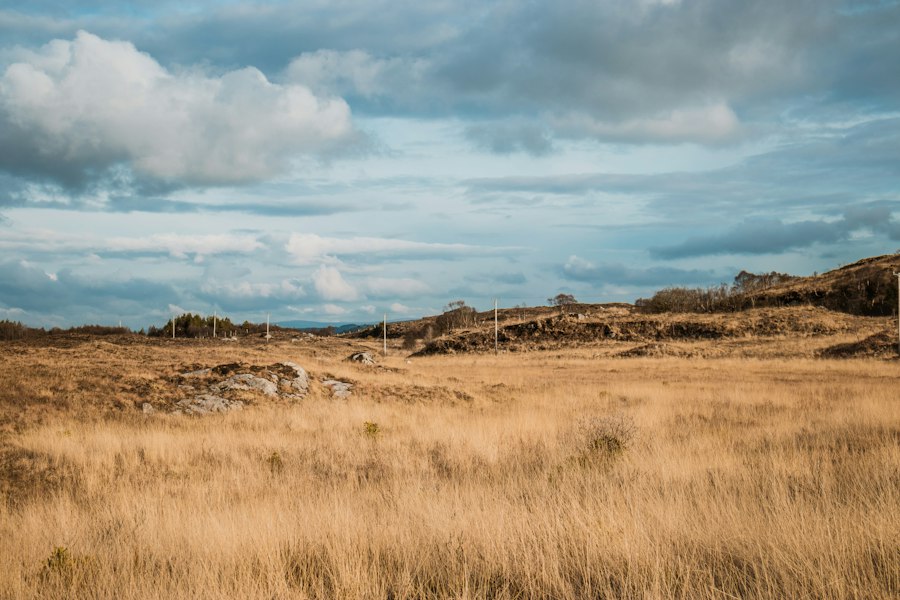
The dynamic nature of coastlines during the Stone Age played a pivotal role in human dispersal, particularly with the fluctuating sea levels associated with glacial cycles. The exposure and inundation of coastal plains offered both opportunities for settlement and pathways for expansion.
Land Bridges and Marine Transgressions
As mentioned previously, lowered sea levels during glacial periods exposed vast areas of continental shelf, creating land bridges that were crucial for intercontinental migration. The Bering Land Bridge enabled the movement of humans into the Americas, and similar connections likely existed in other parts of the world, facilitating the colonization of islands and archipelagos. Conversely, the rise of sea levels during interglacial periods led to marine transgressions, submerging these land bridges and potentially isolating populations on newly formed islands. This cyclical process of connection and isolation had a profound impact on the genetic and cultural development of human populations.
Exploiting the Coastal Bounty
Coastal environments offered a rich and diverse array of resources that were particularly attractive to Stone Age populations. The intertidal zones, with their abundant shellfish, seaweed, and marine mammals, provided a reliable food source. Coastal waters were also home to various fish species. The predictable availability of these marine resources may have encouraged more sedentary lifestyles in some coastal areas, allowing for population growth and the development of more complex social structures. The development of early maritime technologies, such as dugout canoes, would have further enhanced the ability of humans to exploit these coastal resources and travel along coastlines.
The “Out of Africa” Scenario and Coastal Routes
The prevailing scientific consensus suggests that modern humans originated in Africa and subsequently migrated out of the continent to populate the rest of the world. Evidence indicates that one of the primary routes for this dispersal may have involved following coastal areas. As humans moved out of Africa, they could have exploited the rich marine resources of the Red Sea and the Arabian Peninsula, gradually moving eastward along the coastlines of Asia and eventually reaching Southeast Asia and Australia. This “coastal migration hypothesis” posits that the abundance of food resources along the coast, coupled with relatively easier travel compared to inland terrains, made this an attractive and viable strategy for early human expansion.
Inland Transformations: Rivers, Forests, and the Savanna’s Reach
Beyond the dramatic coastal and glacial shifts, numerous inland landscape changes profoundly influenced Stone Age human migration patterns. The waxing and waning of forests, the expansion and contraction of grasslands, and the shifting courses of major rivers all created dynamic environments that humans had to navigate.
The Shifting Boundaries of Forest and Savanna
The balance between forests and savannas was in constant flux, dictated by climate and rainfall patterns. During wetter interglacial periods, forests tended to expand, while drier glacial periods often saw the encroachment of savannas and grasslands. These shifts had direct implications for human subsistence. Forest-dwelling hominins might have relied on arboreal resources and woodland game, while savanna dwellers focused on large grazing herbivores. The expansion of savannas, in particular, may have been a significant factor in the dispersal of early humans, as it provided open landscapes with abundant prey animals that were more easily hunted by groups with developing projectile technologies.
The Lifeblood of Movement: Rivers and Drainage Basins
Rivers were more than just sources of water; they were natural highways. Human populations often followed river valleys, using them to travel vast distances and access new territories. The fertility of floodplains also made them attractive for settlement, supporting larger populations and contributing to the development of more complex social organization. The interconnectedness of river systems meant that movement along one river could lead to access to an entirely different drainage basin, facilitating broad-scale dispersal. Conversely, the drying up of rivers or the creation of impassable waterfalls could act as significant barriers to migration.
The Influence of Volcanic Activity on Local Landscapes
While less widespread than climatic shifts, localized volcanic activity could create dramatic and sudden landscape changes. Eruptions could bury entire regions under ash, creating fertile but initially sterile plains. These ash deposits could, over time, become incredibly productive agricultural land or support unique plant and animal communities. Alternatively, lava flows could render areas uninhabitable for extended periods, forcing immediate displacement. The discovery of Stone Age sites in proximity to ancient volcanic regions suggests that early humans were capable of adapting to these dynamic environments, either by avoiding active areas or by exploiting the unique resources that emerged in their aftermath.
Recent studies have highlighted the significant impact of landscape changes during the Stone Age on human movement and settlement patterns. As glaciers receded and new ecosystems emerged, early humans adapted their migration routes and lifestyles to exploit these shifting environments. For a deeper understanding of how ancient societies navigated their challenges, you can explore this insightful article on historical perspectives on debt and social structures, which sheds light on the complexities of human interactions in response to environmental changes.
Adapting to the Unfolding World: Human Ingenuity and Migration
| Time Period | Landscape Change | Human Movement | Key Regions | Impact on Human Societies |
|---|---|---|---|---|
| Early Stone Age (2.5 million – 300,000 years ago) | Formation of savannas and grasslands due to climate cooling | Initial migration out of Africa into Eurasia | Africa, Middle East, Eurasia | Development of basic stone tools; adaptation to diverse environments |
| Middle Stone Age (300,000 – 50,000 years ago) | Fluctuating climates with glacial and interglacial periods | Expansion into new territories including Europe and Asia | Africa, Europe, Asia | Emergence of Homo sapiens; improved hunting and gathering techniques |
| Late Stone Age (50,000 – 10,000 years ago) | End of last Ice Age; rising sea levels and forest expansion | Migration to Australia, Americas, and remote islands | Global (Australia, Americas, Pacific Islands) | Development of complex tools, art, and early social structures |
| Transition to Neolithic (10,000 – 6,000 years ago) | Stabilization of climate; development of fertile river valleys | Settlement in fertile areas; beginning of agriculture | Fertile Crescent, Nile Valley, Indus Valley, Yellow River | Shift from nomadic to sedentary lifestyles; rise of farming communities |
The Stone Age was not simply a story of environmental determinism; it was also a testament to human adaptability and ingenuity. As landscapes shifted, so too did the strategies and technologies of early humans, enabling them to exploit new resources and navigate challenging terrains.
Technological Innovations as Migration Facilitators
Technological advancements played a crucial role in enabling human migration and adaptation. The development of more sophisticated stone tools, such as finely crafted handaxes and projectile points, allowed for more efficient hunting of a wider range of prey. The invention of hafting, the process of attaching a stone tool to a handle, significantly increased the effectiveness of weapons and tools. Later innovations, such as the creation of clothing from animal hides and the control of fire, allowed humans to survive in colder climates and expand their range into previously inhospitable regions. The development of watercraft, even simple rafts or dugout canoes, opened up possibilities for riverine and coastal travel.
Following the Food Web: Tracking Prey and Resources
Human migration was intrinsically linked to the availability of food resources. Hunter-gatherer societies were nomadic or semi-nomadic, following the seasonal movements of game animals and the cycles of plant fruiting and harvesting. As landscapes changed, so too did the distribution of these resources. For example, the retreat of glaciers would have brought new vegetation zones and the animals that depended on them into formerly glaciated areas, drawing human populations along with them. Conversely, periods of drought could lead to the collapse of plant and animal populations, forcing migrations to find more abundant areas. The ability to adapt subsistence strategies to changing environmental conditions was paramount for survival and dispersal.
Social and Cultural Adaptations to New Environments
Beyond technological and subsistence adaptations, Stone Age peoples also developed crucial social and cultural strategies to cope with changing landscapes. The formation of larger social groups may have been advantageous for hunting large game or defending territory. The development of sophisticated communication systems, including language, facilitated the sharing of knowledge about resources, dangers, and safe migratory routes. The accumulation of cultural knowledge, passed down through generations, enabled groups to remember and adapt to environmental cycles and to effectively navigate unfamiliar territories. Ritualistic practices and belief systems may also have played a role in fostering social cohesion and providing a framework for understanding and interacting with the natural world. Ultimately, the story of Stone Age landscape shifts and human migration is a powerful narrative of resilience, innovation, and the enduring drive of humanity to explore and inhabit the Earth.

20,000 Years Ago | The Coldest Journey in Human History
FAQs
What were some key landscape changes during the Stone Age?
During the Stone Age, key landscape changes included the retreat of glaciers, the formation of rivers and lakes, the growth of forests, and the emergence of grasslands.
How did these landscape changes impact human movement?
The landscape changes during the Stone Age influenced human movement by creating new habitats for early humans to explore, hunt, and settle in. For example, the growth of forests provided shelter and resources, while the formation of rivers and lakes offered water sources and opportunities for fishing.
Did Stone Age humans adapt to different types of landscapes?
Yes, Stone Age humans adapted to different types of landscapes by developing tools and techniques suited to their environments. For instance, early humans living in forested areas may have used wood for shelter and hunting, while those in grasslands may have relied more on open hunting strategies.
How did changing landscapes affect the migration patterns of early humans?
Changing landscapes influenced the migration patterns of early humans by creating push and pull factors. For example, as glaciers retreated and forests expanded, some groups may have been pushed to move to new areas in search of resources, while others may have been pulled towards more favorable environments.
What role did climate change play in Stone Age landscape changes and human movement?
Climate change played a significant role in Stone Age landscape changes and human movement. Fluctuations in temperature and precipitation levels impacted the distribution of plants and animals, which in turn influenced the movements and adaptations of early human populations.