The Mammoth’s Shadow: Ancient Pursuits
The colossal shadow of the woolly mammoth, a creature of immense power and vital sustenance, stretched across the Pleistocene landscape, a stark testament to its dominance. For early humans, these magnificent beasts were not merely passive prey; they were a force of nature, a migratory marvel whose movements dictated the rhythm of life. Tracking these giants was not an act of casual happenstance, but a sophisticated, knowledge-driven enterprise, honed over millennia of observation and adaptation. Understanding how these ancient peoples followed the mammoth migration paths reveals a profound connection to the natural world, a testament to human ingenuity and the deep, reciprocal relationship between hunter and hunted.
The lives of Paleolithic peoples were inextricably linked to the ebb and flow of mammoth herds. These megafauna, with their immense caloric yield and valuable resources – meat for sustenance, hides for shelter and clothing, bones for tools and art – were central to survival. Their seasonal migrations, driven by the need for fresh grazing grounds and calving sites, presented both challenges and opportunities. For the hunter-gatherer bands, the ability to predict, locate, and intercept these vast moving populations was a matter of life and death. It was a skill that required an intimate understanding of the environment, the behavior of the mammoths themselves, and the subtle clues etched into the landscape.
Early humans exhibited remarkable ingenuity in tracking mammoth migration corridors, utilizing their understanding of animal behavior and environmental cues to follow these majestic creatures across vast landscapes. This fascinating aspect of prehistoric life sheds light on the survival strategies of our ancestors and their deep connection to the natural world. For a broader perspective on how ancient practices can inform modern challenges, you might find the article on geopolitical crises insightful, as it explores how historical patterns can help us navigate current global tensions. You can read more about it here: Unraveling Geopolitical Crisis: Navigating Global Tensions.
Echoes in the Ice Age Terrain
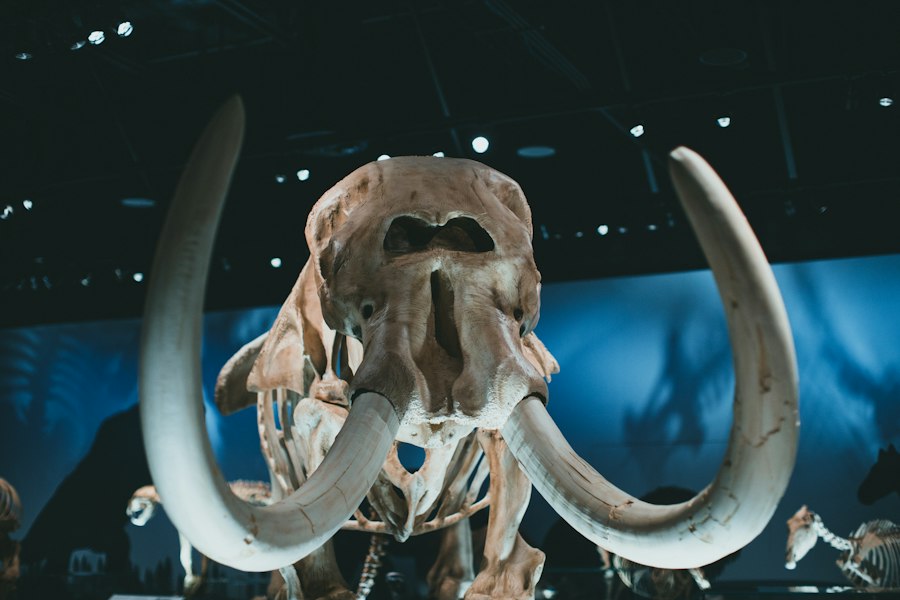
The ability of early humans to track mammoth migrations was not a singular skill but a complex tapestry woven from diverse strands of knowledge and observation. It encompassed an acute awareness of the environment, an understanding of animal behavior, and the development of rudimentary but effective methods for interpreting the landscape. These early trackers were, in essence, environmental detectives, reading the subtle signs that mammoths left behind.
Reading the Ancient Landscape
The Pleistocene world was a different place, often characterized by vast, open grasslands, tundra, and scattered woodlands. Mammoth migration routes were not arbitrary wanderings; they followed established patterns dictated by the availability of food, water, and suitable breeding grounds. Early humans, through generations of experience, learned to recognize these patterns. They understood that mammoths would gravitate towards specific types of vegetation, such as the nutrient-rich grasses of steppe environments, or the willow and birch found in river valleys. They also knew that water sources, whether rivers, lakes, or even snowmelt areas, would be crucial waypoints.
The landscape itself served as a roadmap. Certain geological features, like prominent rock formations or distinctive river confluences, would have acted as landmarks, guiding both mammoths and their pursuers. Valleys and passes, often carved by ancient glaciers or rivers, would have funneled herds, making them predictable targets. Early humans learned to identify these natural corridors, recognizing that they represented choke points where interception was more likely. This geographical knowledge was not static; it was passed down through oral traditions and direct teaching, becoming an ingrained part of their cultural heritage.
Signs on the Ground: Mammoth Signage
The most direct evidence of a mammoth’s passage was, of course, the physical evidence left behind. Mammoth tracks, or pugmarks, were the most obvious indicators. These immense impressions in the soil, often as large as dinner plates, were not only proof of presence but also provided information about the age and sex of the animal, and the direction of travel. A single track might be difficult to interpret, but a series of tracks, forming a clear trail, offered a much more definitive clue. Experienced trackers could discern the difference between a solitary bull and a herd, and estimate how recently the animals had passed.
Beyond tracks, other subtle signs were crucial. The presence of freshly stripped bark from trees, indicative of mammoths feeding or rubbing against them, pointed to their recent activity. Droppings, though less precise than tracks, could confirm the presence of a herd and offer clues about their diet, which in turn informed the type of environment they were traversing. The disturbance of vegetation, the snapping of branches, or the displacement of rocks – all these minor alterations to the landscape were meticulously observed and interpreted.
The Mammoth’s Calendar: Behavioral Clues
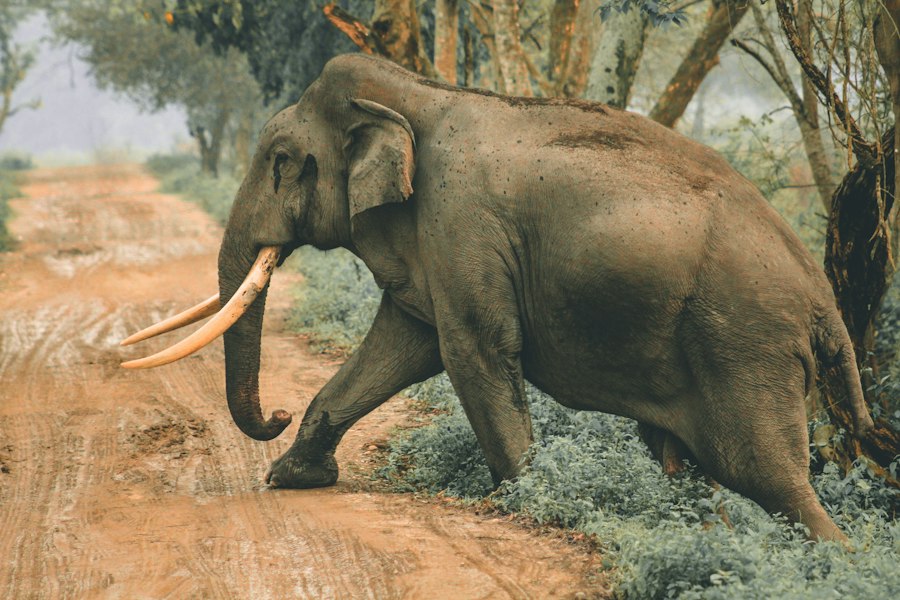
Mammoth migration was not a random event but a complex, cyclical process governed by the seasons and the animals’ biological imperatives. Early humans, through patient observation, learned to decipher this “mammoth calendar,” anticipating their movements long before the herds appeared on the horizon. This predictive power was paramount for successful hunting.
Seasonal Rhythms and Resource Needs
The annual cycle of mammoth migration was primarily driven by the need for sustenance and reproduction. During the warmer months, herds would move to higher latitudes or altitudes to access lush summer pastures, which were rich in nutrients and offered respite from insects. As winter approached, they would descend to lower elevations or move south to find food and escape the harshest snows. Calving grounds were often established in sheltered valleys or areas with abundant water, offering safety for the vulnerable young.
Early humans understood these seasonal shifts. They knew, for instance, that mammoths would be more concentrated in certain areas during the rutting season, or that they would be drawn to specific water sources during dry spells. This knowledge allowed them to position themselves strategically, anticipating where the herds would be at different times of the year. It was a sophisticated understanding of ecological interdependence, where the needs of the mammoth directly informed the survival strategies of the human groups.
Social Dynamics and Herd Behavior
Mammoths were social animals, living in herds that varied in size and composition. These herds had their own dynamics, with dominant bulls, protective cows, and playful young. Experienced trackers could read these social cues. The presence of calves indicated a specific time of year and a potential vulnerability. The behavior of the bulls – their territorial displays or their movements during the rut – could signal shifts in herd direction or increase the likelihood of encountering larger, more challenging prey.
Early humans would also have observed how mammoths reacted to their environment. Signs of alarm, such as a herd suddenly changing direction or becoming agitated, could be triggered by predators – including humans – or by environmental changes like approaching storms. Learning to distinguish between these signals and understanding the overall mood of the herd was crucial for both safety and hunting success. A panicked herd was more dangerous, but also potentially more predictable in its flight path.
Strategies of the Hunter: Interception and Advantage
Successfully tracking mammoth migration paths was only the first step. The true art lay in the ability to intercept these colossal creatures, to turn their predictable movements into an opportunity for sustenance, while minimizing the inherent dangers. This required a combination of strategic planning, group coordination, and an understanding of the terrain that could be leveraged for advantage.
Utilizing the Landscape for Ambush
The natural features of the Pleistocene environment provided invaluable tools for hunters. Valleys, ravines, and steep slopes could be used to channel herds into confined areas, where they were easier to target. Cliffs or deep water crossings could be exploited to disorient or incapacitate mammoths. For instance, a well-placed ambush at the edge of a river might allow hunters to force a herd into the water, where their movements would be hampered, making them more vulnerable to spears and other projectiles.
The concept of the “drive hunt” was likely a cornerstone of this strategy. By using coordinated movements, noise, and perhaps even controlled fires, groups of hunters could direct herds towards pre-selected kill sites. These sites might be natural traps, like narrow canyons, or areas where the terrain offered a tactical advantage, such as a place where the mammoths would be forced to move slowly or hesitantly. The success of such an operation relied on meticulous planning and the seamless cooperation of numerous individuals.
The Role of Group Dynamics and Technology
Mammoth hunting was rarely a solitary endeavor. The sheer size and power of these animals demanded cooperative efforts. Groups of hunters would likely have worked together, with some acting as drivers to guide the herd, while others positioned themselves for the attack. The division of labor was crucial, with individuals specializing in different roles, from the trackers who located the herds to the spear-throwers who delivered the killing blows.
The technology available, though seemingly rudimentary by modern standards, was highly effective in the hands of experienced hunters. Spears tipped with sharpened stone points, likely hafted onto wooden shafts, were the primary weapons. The development of spear-throwers, or atlatls, significantly increased the range and force of these projectiles, allowing hunters to engage mammoths from a safer distance. The careful selection and crafting of these tools, and the mastery of their use, were essential components of their hunting prowess. Even bone and antler were fashioned into tools, from scrapers for processing hides to awls for sewing.
Early humans demonstrated remarkable ingenuity in tracking mammoth migration corridors, utilizing their understanding of the landscape and animal behavior to ensure successful hunts. This fascinating aspect of prehistoric life highlights the intricate relationship between humans and their environment. For those interested in exploring how ancient peoples adapted to changing climates and landscapes, a related article discusses the insights gained from ice cores in Greenland, revealing how these shifts influenced early human activities. You can read more about it in this article.
The Legacy of the Hunt: Enduring Knowledge and Cultural Impact
| Metric | Description | Estimated Value | Source/Method |
|---|---|---|---|
| Time Period | Era when early humans tracked mammoth migration | Approx. 40,000 – 10,000 years ago | Archaeological evidence, Carbon dating |
| Migration Corridor Length | Distance covered by mammoth herds during seasonal migration | Up to 500 km | Fossil trackways, geological surveys |
| Tracking Techniques | Methods used by humans to follow mammoth movements | Footprint analysis, landscape observation, seasonal patterns | Ethnographic analogy, archaeological site distribution |
| Frequency of Migration | How often mammoths migrated annually | Seasonal (biannual) | Paleontological studies, climate data |
| Human Hunting Sites | Number of known sites along migration corridors | Over 50 documented sites | Excavations, artifact analysis |
| Distance Humans Traveled to Track | Range early humans moved to follow mammoth herds | Up to 100 km | Settlement patterns, tool distribution |
The profound connection between early humans and the woolly mammoth left an indelible mark on their societies, shaping their cultures, their spiritual beliefs, and their very identities. The knowledge gained from tracking and hunting these giants was not merely utilitarian; it was woven into the fabric of their existence.
Oral Traditions and the Transmission of Knowledge
The complex skills required for mammoth tracking and hunting were not innate. They were learned, honed, and passed down through generations. Oral traditions played a vital role in this transmission. Stories, myths, and epic tales likely recounted the exploits of legendary hunters, detailing successful hunts, illustrating the dangers, and imparting practical wisdom. These narratives served as both entertainment and education, embedding essential knowledge within the cultural consciousness. The collective memory of the group held the accumulated wisdom of countless hunts, ensuring that future generations could benefit from past experiences.
The ability to interpret weather patterns, understand animal behavior, and navigate vast distances was not codified in written texts, but in the shared understanding and memory of the community. Specific landmarks, known good hunting grounds, and the timing of seasonal migrations were all part of this shared mental map.
Art, Ritual, and the Mammoth’s Spirit
The importance of the mammoth extended beyond its role as a food source. These magnificent creatures frequently appear in the art of the Upper Paleolithic, from the breathtaking cave paintings of Lascaux and Chauvet to the intricate carvings on bone and ivory. These depictions are not simply realistic portrayals; they often carry symbolic weight, suggesting a deep spiritual connection.
The presence of mammoths in hunting scenes, often depicted with great vitality and sometimes even in stages of being hunted, indicates their central role in the human imagination. The act of hunting itself was likely imbued with ritualistic significance, a way of acknowledging the power of the animal, seeking its favor, and ensuring the continued bounty of the earth. The reverence for the mammoth was likely a complex interplay of awe, respect, and a profound understanding of their role in the ecosystem and in the sustenance of human life. Their disappearance from the landscape, whether through climate change, human impact, or a combination of factors, undoubtedly represented a significant cultural and ecological shift for the societies that depended upon them.

20,000 Years Ago | The Coldest Journey in Human History
FAQs
How did early humans track mammoth migration corridors?
Early humans likely tracked mammoth migration corridors by observing the movements of the herds, following their footprints, and recognizing patterns in their behavior.
Why was tracking mammoth migration corridors important for early humans?
Tracking mammoth migration corridors was important for early humans as it allowed them to predict the movements of the herds, ensuring a stable food supply and enabling successful hunting.
What evidence suggests that early humans tracked mammoth migration corridors?
Evidence such as ancient cave paintings depicting mammoths, tools used for hunting mammoths found along migration routes, and the distribution of mammoth remains along specific corridors suggest that early humans tracked mammoth migrations.
How did early humans benefit from tracking mammoth migration corridors?
By tracking mammoth migration corridors, early humans were able to plan their hunting strategies, conserve energy by following the herds, and establish settlements along the migration routes for easier access to food sources.
Were there any challenges early humans faced in tracking mammoth migration corridors?
Early humans likely faced challenges such as harsh weather conditions, competition with other predators, and the need to adapt to the changing landscape as mammoth herds moved across different territories.