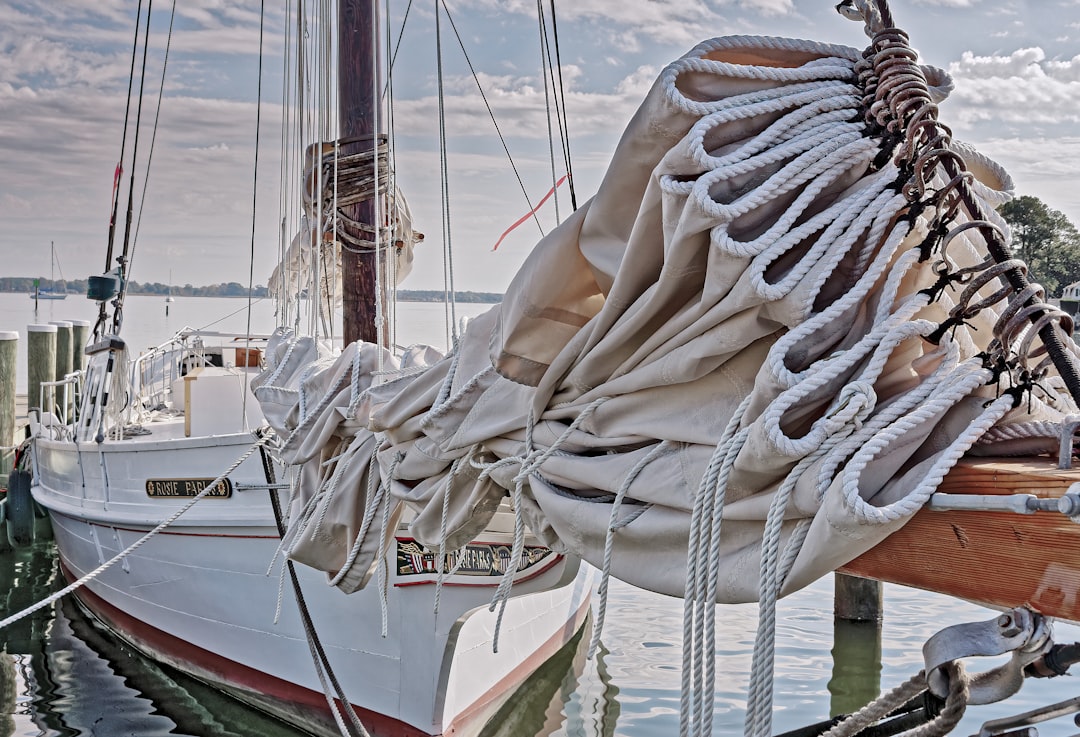
Cape latitude anchors are critical navigational tools that serve as reference points for mariners traversing the vast oceans. These anchors are not physical objects but rather specific latitudinal coordinates that indicate the location of a cape or a prominent geographical feature along a coastline. Understanding these anchors is essential for safe and efficient navigation, as they provide vital information about the surrounding waters, including currents, depths, and potential hazards.
The concept of cape latitude anchors is rooted in the principles of celestial navigation and cartography. By understanding the latitude of a cape, sailors can use it as a fixed point to determine their position relative to other landmarks or navigational aids.
This knowledge is particularly important in regions where traditional navigational aids may be sparse or unreliable. As such, mastering the use of cape latitude anchors is a fundamental skill for any navigator, whether they are sailing in familiar waters or exploring uncharted territories.
Key Takeaways
- Cape Latitude Anchors are key reference points used in maritime navigation to determine position and course.
- They can be identified on nautical charts by specific symbols and coordinates, aiding precise navigation.
- Using these anchors helps sailors navigate safely around hazardous areas and maintain accurate routes.
- Understanding their advantages and limitations is crucial for effective use, especially in challenging weather or sea conditions.
- Maintaining accurate data and considering safety measures ensures reliable navigation and supports future technological advancements.
Identifying Cape Latitude Anchors on a Nautical Chart
Identifying cape latitude anchors on a nautical chart requires a keen eye and an understanding of chart symbols and conventions. Nautical charts are meticulously designed to convey a wealth of information, including depths, hazards, and navigational aids. Cape latitude anchors are typically marked by their respective latitudinal coordinates, which are often accompanied by the name of the cape or geographical feature.
Mariners must familiarize themselves with these markings to effectively utilize them during their voyages. In addition to recognizing the coordinates, it is crucial for navigators to understand the context in which these anchors exist. For instance, a cape may be situated near shallow waters or strong currents, which can significantly impact navigation.
By studying the surrounding features on the chart, such as nearby islands, reefs, or shipping lanes, mariners can gain a comprehensive understanding of the area and make informed decisions about their routes. This holistic approach to chart reading enhances safety and efficiency while navigating around cape latitude anchors.
Using Cape Latitude Anchors for Navigation

Using cape latitude anchors for navigation involves integrating these reference points into a broader navigational strategy. Mariners often employ a combination of techniques, including dead reckoning and celestial navigation, to determine their position relative to these anchors. By plotting their course based on the latitude of a cape, sailors can maintain a steady heading and adjust their route as necessary to account for changing conditions.
Moreover, the use of modern technology has revolutionized how mariners utilize cape latitude anchors. GPS systems and electronic charting software allow for real-time tracking and positioning, making it easier for sailors to navigate with precision. However, even with advanced technology at their disposal, it remains essential for navigators to understand the underlying principles of using cape latitude anchors.
This knowledge ensures that they can effectively interpret data and make sound decisions in situations where technology may fail or provide inaccurate information.
Navigating Around Cape Latitude Anchors
Navigating around cape latitude anchors requires careful planning and consideration of various factors that can influence a vessel’s course. The waters surrounding a cape can be unpredictable, with changing tides, currents, and weather conditions posing challenges to even the most experienced mariners. Therefore, it is crucial for sailors to conduct thorough pre-voyage planning that includes an assessment of these factors.
In addition to environmental considerations, mariners must also be aware of potential traffic in the vicinity of cape latitude anchors. Busy shipping lanes may intersect with routes near prominent capes, necessitating vigilance and adherence to maritime regulations. By understanding the dynamics of both natural and human factors at play, sailors can navigate around cape latitude anchors more safely and efficiently.
Tips for Using Cape Latitude Anchors in Challenging Conditions
| Anchor Type | Latitude Range | Typical Use | Holding Capacity (tons) | Material |
|---|---|---|---|---|
| Stockless Anchor | 30°N – 60°N | General purpose for large vessels | 50 – 200 | Steel |
| Fluke Anchor | 0° – 45°N | Lightweight vessels, sandy bottoms | 5 – 50 | Galvanized Steel |
| Claw Anchor | 20°S – 40°S | Versatile, good for rocky and muddy seabeds | 10 – 100 | Steel Alloy |
| Plow Anchor | 10°N – 50°N | Strong holding in various seabeds | 15 – 150 | High Tensile Steel |
| Mushroom Anchor | All Latitudes | Permanent moorings, soft seabeds | 1 – 20 | Cast Iron |
When faced with challenging conditions such as fog, storms, or strong currents, mariners must adapt their approach to using cape latitude anchors effectively. One key tip is to maintain a constant awareness of the vessel’s position relative to the anchor point. This can be achieved through regular checks of navigational instruments and frequent updates to the vessel’s course based on real-time data.
Additionally, mariners should consider employing multiple methods of navigation when conditions become difficult. For instance, combining visual cues from the environment with electronic navigation tools can provide a more comprehensive understanding of the vessel’s surroundings. In low visibility situations, relying solely on electronic systems may not be sufficient; thus, having backup methods in place is essential for ensuring safety while navigating around cape latitude anchors.
Advantages and Limitations of Cape Latitude Anchors
Cape latitude anchors offer several advantages that enhance maritime navigation. One significant benefit is their role as reliable reference points that help mariners maintain their bearings in open waters. By using these anchors as fixed locations on their charts, sailors can plot courses with greater accuracy and confidence.
Furthermore, cape latitude anchors often correspond with notable geographical features that can aid in visual navigation during clear weather. However, there are limitations associated with relying solely on cape latitude anchors for navigation. One major drawback is that these reference points may not always provide comprehensive information about the surrounding waters.
For example, while a cape may indicate a general area of interest, it does not account for underwater hazards or shifting currents that could pose risks to navigation. Therefore, mariners must supplement their use of cape latitude anchors with additional navigational tools and techniques to ensure safe passage.
Historical Significance of Cape Latitude Anchors
The historical significance of cape latitude anchors cannot be overstated. These navigational markers have played a crucial role in maritime exploration and trade throughout history. Early explorers relied heavily on geographic features such as capes to chart their courses across uncharted waters.
The ability to identify and utilize these reference points was instrumental in expanding knowledge of the world’s oceans and coastlines. Moreover, the development of nautical charts that included cape latitude anchors marked a significant advancement in maritime navigation. As cartographers began to document these features more accurately, sailors gained access to valuable information that improved their ability to navigate safely.
The legacy of these early navigational practices continues to influence modern maritime operations today.
Navigating with Cape Latitude Anchors in Different Regions
Navigating with cape latitude anchors varies significantly across different regions due to unique geographical features and environmental conditions. In coastal areas with numerous capes and islands, mariners may find themselves relying heavily on these reference points for safe passage through complex waterways. Conversely, in open ocean environments where capes are sparse, sailors may need to employ alternative navigational strategies that do not depend as heavily on these anchors.
Additionally, regional variations in weather patterns can impact how mariners utilize cape latitude anchors. For instance, areas prone to frequent storms or fog may require sailors to adjust their approach when navigating around capes. Understanding these regional differences is essential for effective navigation and ensures that mariners can adapt their strategies accordingly.
Importance of Maintaining Accurate Cape Latitude Anchor Data
Maintaining accurate data regarding cape latitude anchors is vital for safe navigation at sea. As environmental conditions change over time due to erosion or shifting landforms, the coordinates associated with these anchors may also shift. Therefore, it is essential for maritime authorities and organizations to regularly update nautical charts and databases to reflect any changes accurately.
Furthermore, accurate data regarding cape latitude anchors enhances situational awareness for mariners navigating through unfamiliar waters. By having access to up-to-date information about these reference points, sailors can make informed decisions about their routes and avoid potential hazards that may arise from outdated or incorrect data.
Safety Considerations when Navigating with Cape Latitude Anchors
Safety considerations are paramount when navigating with cape latitude anchors. Mariners must remain vigilant about potential hazards associated with these reference points, including shallow waters, rocky outcrops, or strong currents that may not be immediately apparent on a chart. Conducting thorough pre-voyage assessments and maintaining situational awareness throughout the journey are essential practices for ensuring safety.
Additionally, mariners should be prepared for emergencies that may arise while navigating near cape latitude anchors. This includes having contingency plans in place for adverse weather conditions or equipment failures that could impact navigation. By prioritizing safety and preparedness, sailors can navigate confidently around these critical reference points.
Future Developments in Navigating with Cape Latitude Anchors
As technology continues to advance, future developments in navigating with cape latitude anchors are likely to enhance maritime safety and efficiency further. Innovations such as improved satellite positioning systems and advanced electronic charting software will enable mariners to navigate with even greater precision than before. These advancements will facilitate real-time updates regarding environmental conditions and potential hazards near cape latitude anchors.
As our understanding of marine environments evolves, so too will the tools available for navigating these critical reference points effectively. The future promises exciting possibilities for enhancing maritime navigation through continued innovation and collaboration within the maritime community.
Cape latitude anchors are essential tools for ensuring stability and security in various marine applications. For a deeper understanding of their functionality and importance, you can explore a related article on the topic at Real Lore and Order. This resource provides valuable insights into the design and usage of different anchoring systems, including those used in challenging maritime environments.
WATCH THIS! 🗺️ The Map That Proves Humans Explored Earth 5,000 Years Too Early
FAQs
What is a Cape Latitude anchor?
A Cape Latitude anchor is a type of marine anchor designed for reliable holding power in various seabed conditions. It is known for its strong holding capabilities and ease of setting and retrieval.
What materials are Cape Latitude anchors made from?
Cape Latitude anchors are typically made from high-quality galvanized steel or stainless steel, providing durability and resistance to corrosion in marine environments.
How does a Cape Latitude anchor work?
The Cape Latitude anchor works by digging into the seabed when tension is applied to the anchor line. Its design allows it to set quickly and hold firmly in different types of seabeds, including sand, mud, and gravel.
What are the advantages of using a Cape Latitude anchor?
Advantages include excellent holding power, ease of setting and retrieval, versatility in various seabed types, and a compact design that is easy to store on board.
Is the Cape Latitude anchor suitable for all boat sizes?
Cape Latitude anchors come in various sizes to accommodate different boat sizes, from small recreational boats to larger vessels. It is important to select the appropriate size based on the boat’s weight and intended use.
How do you maintain a Cape Latitude anchor?
Maintenance involves rinsing the anchor with fresh water after use to remove salt and debris, inspecting for any damage or corrosion, and storing it in a dry place when not in use.
Where can I purchase a Cape Latitude anchor?
Cape Latitude anchors are available through marine supply stores, boating retailers, and online marketplaces specializing in boating equipment.
Can a Cape Latitude anchor be used in rocky seabeds?
While the Cape Latitude anchor performs well in sand, mud, and gravel, it may be less effective in very rocky or coral seabeds where it cannot dig in properly.
How does the Cape Latitude anchor compare to other anchor types?
Compared to traditional anchors like the Danforth or plow anchors, the Cape Latitude offers a balance of holding power and ease of use, often setting faster and holding better in mixed seabed conditions.
Is the Cape Latitude anchor compliant with maritime safety standards?
Yes, reputable Cape Latitude anchors meet international maritime safety standards and certifications, ensuring reliable performance and safety for boaters.