The frigid winds howl, a relentless symphony of ice and snow that has gripped the planet for millennia. Humanity, a fragile species, has always been at the mercy of these unforgiving environments. Yet, against all odds, our ancestors not only survived but thrived in the brutal embrace of the Ice Age. The documentary “Ice Age Survival Story: Triumph in a Frozen World” embarks on an epic journey to uncover the ingenuity, resilience, and sheer determination that allowed our forebears to conquer this frozen frontier. This compelling film delves into the harsh realities of life during glacial periods, exploring the ingenious adaptations and remarkable strategies that ensured the continuation of the human story amidst a landscape sculpted by ice.
The Dawn of a Frozen Era
The documentary opens by setting the stage for humanity’s enduring struggle against the formidable power of ice. It paints a vivid picture of the Earth’s dramatic climatic shifts, focusing on the Pleistocene epoch, a period characterized by vast ice sheets that advanced and retreated, profoundly shaping the planet’s geography and its inhabitants. Viewers are transported back hundreds of thousands of years, to a world drastically different from our own. The sheer scale of the glaciers, colossal rivers of ice, is emphasized through stunning CGI reconstructions and expert commentary. These ice masses, some kilometers thick, not only dictated the landscape but also fundamentally altered atmospheric conditions, leading to lower sea levels and exposing land bridges that facilitated human migration. The film meticulously details the challenges posed by this environment: sub-zero temperatures, scarce food resources, and the constant threat of predation by now-extinct megafauna. It underscores that survival was not a given; it was a daily battle fought with wit and resourcefulness.
The Shifting Tectonics of Climate
“Triumph in a Frozen World” doesn’t shy away from the scientific underpinnings of the Ice Age. It explains, in accessible terms, the complex interplay of factors that trigger and sustain glacial periods. Milankovitch cycles, the subtle variations in Earth’s orbit and axial tilt, are presented as the primary drivers of long-term climate change. The documentary illustrates how these astronomical shifts influence the amount of solar radiation reaching different parts of the globe, creating the conditions for ice sheets to form and expand. Beyond orbital mechanics, the film also touches upon the role of atmospheric composition, particularly the concentration of greenhouse gases, and volcanic activity in modulating these cycles. The narrative effectively conveys that the Ice Age was not a static event but a dynamic process, with periods of intense cold interspersed with warmer interglacial periods, each presenting its own set of challenges and opportunities for early humans.
Life on the Edge of the Glacier
The documentary dedicates significant attention to the daily existence of Ice Age humans. Through meticulous archaeological evidence and expert reconstructions, viewers witness the primal struggle for survival. The film emphasizes the intimate connection early humans had with their environment, a relationship born out of necessity. They were hunters and gatherers, their lives dictated by the seasonal availability of food and the migratory patterns of animals. The documentary showcases the incredible knowledge they possessed about the natural world – identifying edible plants, understanding animal behavior, and predicting weather patterns. This intimate understanding, honed over generations, was a crucial survival tool, allowing them to exploit the limited resources of their frozen domain. The film’s visual storytelling brings to life the arduous journeys undertaken to find sustenance, the constant vigilance required to avoid predators, and the deep sense of community that was essential for collective survival.
In exploring the fascinating theme of survival during the Ice Age, one cannot overlook the intriguing advancements of ancient civilizations that may have contributed to their endurance. A related article that delves into this topic is titled “Unbelievable Ancient Advanced Technology,” which discusses the remarkable innovations and tools that early humans developed to adapt to their harsh environments. For more insights on this subject, you can read the article here: Unbelievable Ancient Advanced Technology.
Mastering the Elements: Innovation and Adaptation
The true heart of “Ice Age Survival Story” lies in its exploration of human ingenuity and adaptation. Faced with an environment that would crush lesser species, our ancestors developed a remarkable suite of tools, techniques, and social structures that allowed them to not only endure but to flourish. The film highlights how necessity truly became the mother of invention, spurring innovations that laid the groundwork for future human progress. The mastery of fire, the development of sophisticated hunting strategies, and the creation of protective shelters are presented not just as technological advancements but as existential imperatives.
The Gift of Fire
The controlled use of fire is unequivocally presented as a pivotal turning point in human history, especially during the Ice Age. The documentary meticulously details the profound impact fire had on survival. It provided warmth against the biting cold, acting as a vital shield against hypothermia. It offered protection from predators, its flickering flames a deterrent to dangerous beasts. Crucially, fire enabled the cooking of food, making it more digestible and unlocking essential nutrients, which in turn fueled brain development and physical stamina. The film uses animated sequences and expert demonstrations to show how early humans likely learned to harness and maintain fire, perhaps through observation of natural fires and subsequent careful tending. The ability to create and control fire was a monumental leap, transforming human dwellings from simple caves into more comfortable and secure hearths.
The Hunter’s Arsenal
Hunting was the cornerstone of survival for Ice Age humans, and the documentary showcases the incredible sophistication of their hunting strategies and weaponry. Viewers are introduced to a diverse range of tools crafted from stone, bone, and wood. Spear throwers, also known as atlatls, are presented as revolutionary advancements, allowing hunters to hurl projectiles with greater force and accuracy, enabling them to take down larger and more dangerous prey from a safer distance. The film also explores the cooperative nature of hunting, emphasizing the importance of teamwork and communication in bringing down formidable animals like mammoths and woolly rhinoceroses. Through detailed CGI reconstructions and reenactments, audiences witness the thrilling, and often perilous, chases and the calculated strategies employed to outmaneuver and subdue these giants of the Ice Age. This wasn’t just brute force; it was a testament to planning, understanding animal behavior, and utilizing specialized tools.
In exploring the fascinating dynamics of survival during the Ice Age, one can draw intriguing parallels to modern challenges faced by humanity, particularly in the realm of infrastructure and resource management. A related article discusses the significant role of private companies in shaping military space infrastructure, highlighting how innovative solutions are essential for overcoming obstacles in extreme environments. For more insights on this topic, you can read the article here. Understanding these connections can provide a deeper appreciation for the resilience and adaptability required both in ancient times and today.
Shelter from the Storm
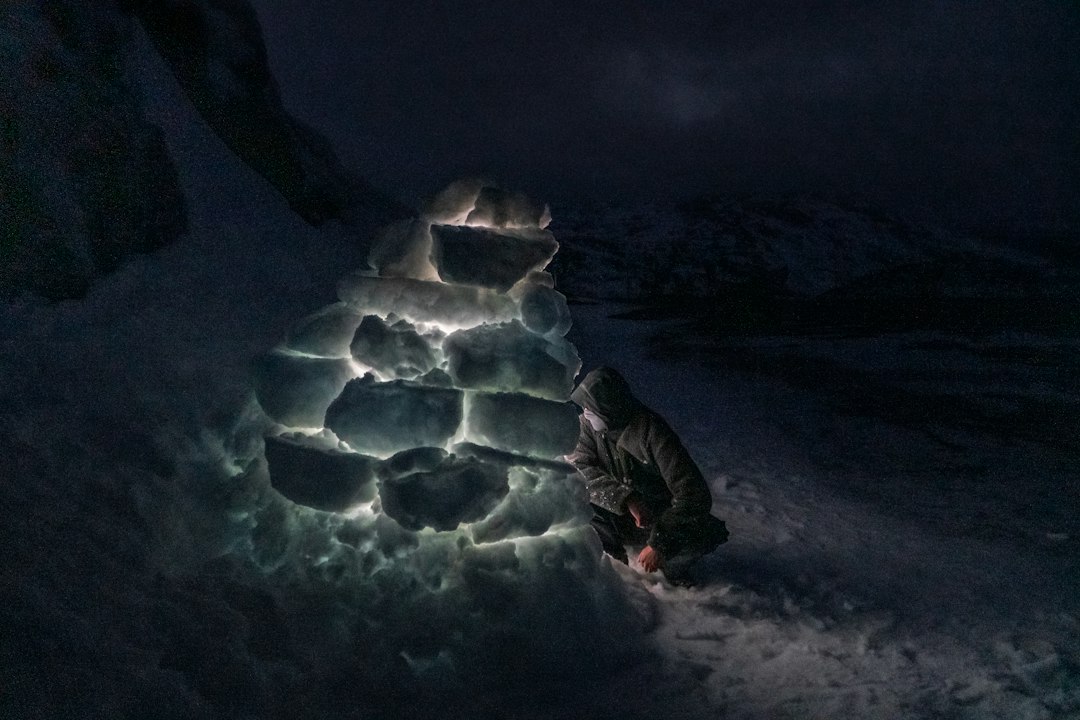
Protection from the elements was paramount, and the documentary explores the diverse and ingenious methods early humans employed to create shelters. From naturally occurring caves and rock overhangs to more elaborate, purpose-built structures, these dwellings were crucial for survival. The film highlights the use of animal hides and bones as building materials, showcasing how entire mammoth skeletons could be incorporated into the framework of robust, dome-shaped huts. Archaeological evidence of these structures, like the famous mammoth-bone huts found in Eastern Europe, is presented with expert analysis, revealing the advanced architectural understanding of these ancient peoples. The documentary emphasizes that these shelters weren’t just rudimentary constructions; they were carefully designed to maximize warmth, minimize drafts, and provide a safe haven from the harsh Ice Age climate.
The Social Fabric of Survival

“Triumph in a Frozen World” emphasizes that survival was not an individual endeavor. The documentary compellingly argues that the strength of human social bonds and the development of complex social structures were as crucial to their success as any tool or technique. The shared experience of hardship forged deep connections, fostering cooperation, knowledge transfer, and mutual support, all of which were essential for overcoming the challenges of a brutal environment.
The Power of Community
The film underscores the fundamental importance of community in Ice Age survival. It illustrates how small bands of hunter-gatherers relied on each other for protection, food sharing, and the raising of young. The documentary explores the concept of reciprocal altruism, where individuals contributed to the group’s well-being, knowing that they, in turn, would be supported. The knowledge and skills of elders were invaluable, passed down through generations, ensuring the continuation of vital hunting techniques, tool-making traditions, and understanding of the environment. The shared meals around the hearth, the communal protection of the vulnerable, and the collective efforts in hunting and shelter construction all painted a picture of a society deeply intertwined by necessity and affection.
The Transmission of Knowledge
“Triumph in a Frozen World” highlights the crucial role of knowledge transmission in ensuring the long-term survival of Ice Age populations. The documentary explains how crucial information was passed down from one generation to the next, not through written texts, but through oral traditions, apprenticeships, and direct observation. Skills such as flintknapping, animal tracking, identifying medicinal plants, and navigating the treacherous landscape were meticulously taught and learned. The film suggests that this process of cultural inheritance was vital for maintaining a constant level of expertise within groups, allowing them to adapt to changing environmental conditions and to innovate upon existing technologies. The documentary emphasizes that this continuous flow of knowledge was the bedrock upon which their resilience was built.
Ritual and Belief Systems
Beyond the practicalities of survival, the documentary also delves into the spiritual and symbolic dimensions of Ice Age life. It explores how early humans developed rituals and belief systems that helped them cope with the uncertainties and dangers of their world. Evidence from cave paintings, burial sites, and carved artifacts suggests a rich inner life, a desire to understand the world beyond the immediate, and a need for meaning in the face of immense hardship. The film proposes that these early forms of spirituality provided a sense of order, comfort, and collective identity, fostering hope and a shared purpose that was instrumental in maintaining morale and social cohesion during times of extreme adversity.
The Legacy of the Ice Age Survivors
The documentary concludes by reflecting on the enduring legacy of Ice Age survivors. It demonstrates that their struggles and triumphs were not merely ancient history but laid the very foundations for human civilization as we know it. The innovations, the resilience, and the social structures forged in the crucible of the Ice Age were the seeds from which our modern world has grown. “Triumph in a Frozen World” leaves viewers with a profound appreciation for the strength and adaptability of the human spirit.
The Genesis of Civilization
“Triumph in a Frozen World” argues that the challenges and innovations of the Ice Age were crucial in shaping the trajectory of human development. The documentary connects the dots between the hunter-gatherer societies of the Pleistocene and the emergence of more complex, settled civilizations. The development of sophisticated toolkits, the understanding of resource management, and the establishment of strong social bonds all contributed to a capacity for organized living that would later pave the way for agriculture, settled communities, and the eventual rise of cities. The documentary posits that the Ice Age wasn’t a period of mere survival, but a crucial evolutionary stage that equipped humanity with the fundamental skills and social frameworks necessary for future advancement.
Echoes in the Modern World
The film draws compelling parallels between the struggles of Ice Age humans and the challenges faced by humanity today. While the specific threats may differ – climate change, resource scarcity, and global pandemics replacing mammoths and blizzards – the core human qualities required to overcome them remain the same: ingenuity, resilience, cooperation, and a deep respect for the natural world. The documentary serves as a powerful reminder that humanity’s capacity for adaptation and innovation is a deep-seated trait, honed over millennia of battling the elements. It inspires viewers to consider how the lessons learned from our Ice Age ancestors can inform our approach to the complex challenges of the 21st century.
A Testament to the Human Spirit
Ultimately, “Ice Age Survival Story: Triumph in a Frozen World” is a profound testament to the indomitable spirit of humankind. It is a narrative of struggle, innovation, and ultimately, survival against overwhelming odds. The documentary leaves an indelible impression, fostering a sense of awe and respect for our ancient forebears who, armed with little more than their intellect and their collective strength, navigated and conquered one of the most formidable environments Earth has ever known. It is a story that resonates across the ages, reminding us of our deep roots and our enduring capacity to thrive, no matter how frozen the world may seem.
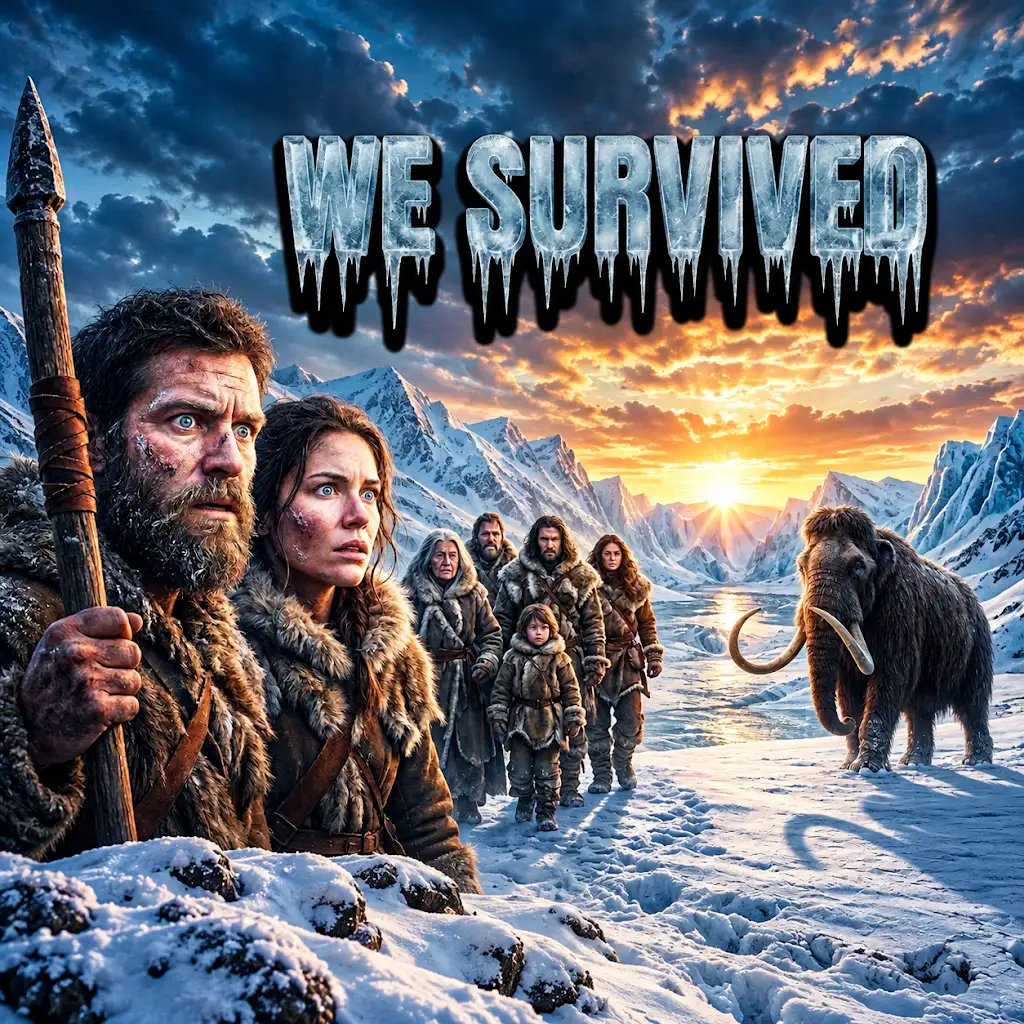
20,000 Years Ago | The Coldest Journey in Human History
FAQs
What is the ice age survival story documentary about?
The ice age survival story documentary follows the journey of a group of prehistoric animals as they navigate through the challenges of the ice age, showcasing their struggle for survival in a harsh environment.
How was the documentary filmed?
The documentary was filmed using a combination of CGI animation and live-action footage to bring the prehistoric world to life, providing viewers with a realistic and immersive experience.
Who are the main characters in the ice age survival story documentary?
The main characters in the documentary include a woolly mammoth, a saber-toothed tiger, a giant sloth, and other prehistoric creatures, each with their own unique story of survival and adaptation.
What lessons can viewers learn from the ice age survival story documentary?
Viewers can learn about the challenges faced by prehistoric animals during the ice age, the importance of adaptation and resilience in the face of adversity, and the interconnectedness of all living beings in a changing environment.
Is the ice age survival story documentary suitable for all ages?
While the documentary is generally suitable for all ages, some scenes of predator-prey interactions and natural disasters may be intense for younger viewers. Parental guidance is recommended for children under a certain age.