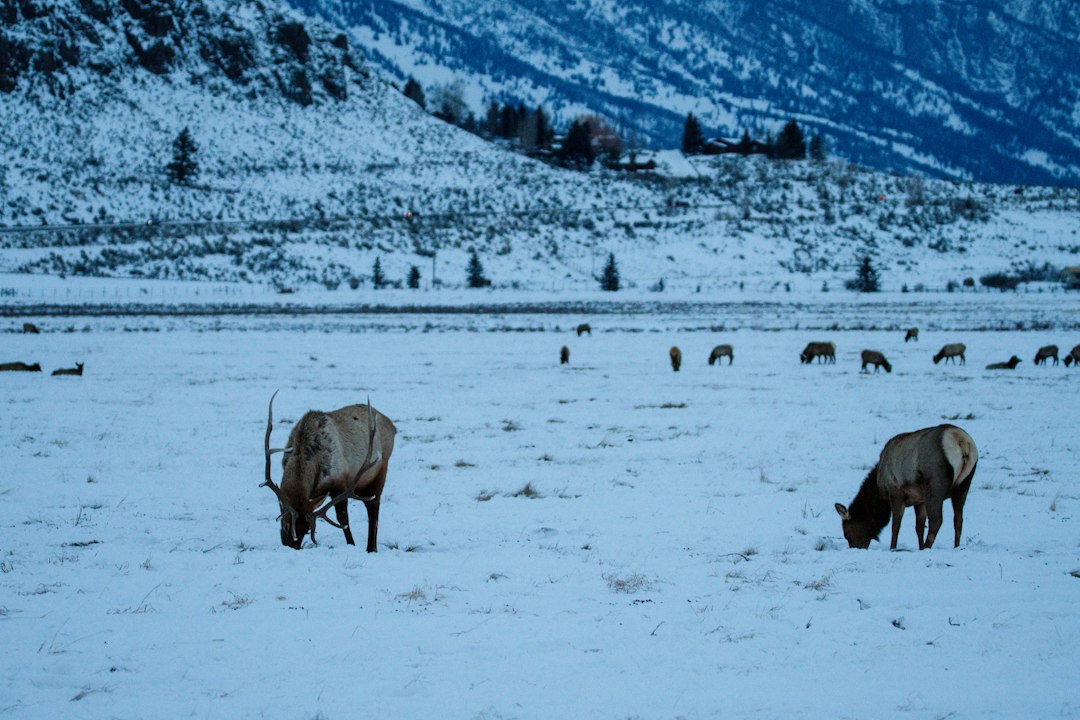
The biting wind and dwindling daylight signaled the impending arrival of winter for early humans. Survival hinged not only on their ability to hunt and gather during the warmer months but, crucially, on their ingenuity in preserving the bounty for times of scarcity. Faced with the inherent perishability of meat, our ancestors developed a suite of sophisticated techniques that allowed them to store vital protein and fat reserves, ensuring the continued sustenance of their communities through the leanest periods. These ancient methods, born out of necessity and honed over millennia, represent some of the earliest examples of food science and demonstrate a profound understanding of natural processes.
The Perils of Perishability and Early Solutions
The immediate challenge for early human hunters was the swift decomposition of freshly killed animals. Bacteria, omnipresent in the environment, begin their work almost instantly, breaking down tissues and rendering meat unsafe for consumption. The rapid nature of this decay meant that any surplus meat had to be dealt with quickly, lest it become a source of illness or be entirely lost. The earliest attempts at preservation likely involved simple, albeit limited, strategies. Proximity to cold environments, such as caves or areas with natural ice formations, would have provided a temporary reprieve from spoilage. However, these solutions were geographically dependent and unreliable, offering little in the way of long-term storage. The real breakthrough came with the realization that altering the environment of the meat itself, or removing the elements that facilitate bacterial growth, could significantly extend its shelf life. This understanding laid the foundation for the more complex and enduring preservation techniques that would define early human survival.
The Immediate Aftermath: Utilizing Fresh Kill
Following a successful hunt, the immediate priority was to consume or process as much of the kill as possible. Large game provided a significant surplus, and while immediate consumption was paramount, the sheer volume often necessitated further action. This period was characterized by communal feasting and sharing, ensuring that the protein was utilized before spoilage set in. The bones, marrow, and organs were also valued for their nutritional content and were often processed or consumed alongside the muscle meat. This initial phase, while not strictly preservation, was the critical first step in maximizing the utility of a kill and setting the stage for longer-term storage strategies. It was a period of intense activity, where the community rallied to benefit from the hunter’s success.
The Role of Temperature in Early Preservation
The most intuitive and accessible method of slowing down spoilage is to reduce temperature. Early humans, particularly those inhabiting colder climates, would have instinctively recognized the preservative qualities of cold. This could range from natural refrigeration in ice caves or snow drifts to the simple act of placing meat in shaded, cooler areas away from direct sunlight. While not a method for long-term storage in warmer seasons, it would have been crucial for extending the usability of meat for days or even weeks, especially during winter months. The understanding of how cold inhibited bacterial growth, even if not scientifically articulated, was an essential element of their survival toolkit.
Early humans developed various methods to preserve meat during the winter months, ensuring they had enough food to survive the harsh conditions. Techniques such as drying, smoking, and salting were commonly used to extend the shelf life of meat, allowing early societies to thrive even in the coldest seasons. For a deeper understanding of survival strategies in challenging times, you might find the article on financial tips during uncertain times insightful. You can read it here: Surviving a Dollar Crash: Financial Tips for Uncertain Times.
Drying: The Sun and Wind as Allies
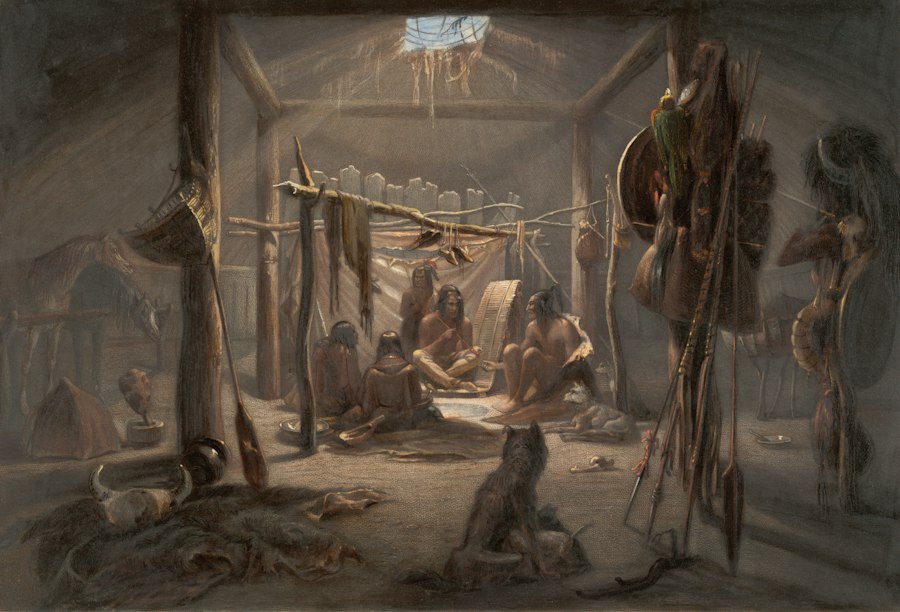
One of the most universally applicable and enduring methods of meat preservation employed by early humans was drying. This technique, which relies on removing moisture, creates an environment inhospitable to the bacteria and fungi responsible for spoilage. The process is straightforward in principle: expose the meat to conditions that encourage rapid dehydration. Early humans, observing natural processes like meat left out in the sun and wind, understood how to replicate and enhance these effects. The success of drying depended on a combination of environmental factors – heat, low humidity, and air circulation – and the skillful preparation of the meat itself. This method allowed for the storage of significant quantities of meat, making it a cornerstone of winter provisions for many cultures.
Preparing the Meat for Dehydration
Before the meat could be exposed to the elements, it needed to be prepared to maximize surface area and facilitate efficient drying. This typically involved butchering the animal into smaller, thinner pieces. Large muscles would be separated from the bone, and then cut into strips or slices. The thickness of these pieces was crucial; too thick and the interior might remain moist, leading to spoilage, while excessively thin pieces could become brittle and difficult to handle or store. In some cases, the meat was also pounded or flattened to further increase its surface area, accelerating the drying process. Removing excess fat was also often a part of the preparation, as fat can go rancid and negatively impact the flavor and longevity of dried meat.
Harnessing Solar and Aeolian Power
The primary agents for drying meat were the sun and wind. In warmer, arid regions, direct sunlight provided the necessary heat. Meat strips were often laid out on flat rocks, raised platforms, or hung from branches, allowing for maximum exposure to both solar radiation and air currents. In less arid environments, or during periods of high humidity, the wind played an even more critical role. A constant breeze would carry away the moisture evaporating from the meat’s surface, preventing the formation of a humid microclimate that could encourage bacterial growth. Early humans likely developed specific locations that offered optimal conditions, such as open plains with consistent breezes or elevated areas that received ample sun. The placement of drying racks or the arrangement of meat was carefully considered to ensure even exposure and efficient dehydration.
The Result: Pemmican and Jerky’s Ancestors
The outcome of successful drying was a shelf-stable product that could be stored for extended periods. This preserved meat, often referred to as jerky or its ancestral form, formed the basis of many portable and calorie-dense food sources. For nomadic groups, dried meat was an invaluable resource, providing essential nutrition on long journeys. When combined with rendered fat (a source of energy and further preservation properties) and sometimes ground berries or other ingredients, it could be formed into a highly concentrated foodstuff known as pemmican. This nutrient-rich, long-lasting staple was capable of sustaining travelers for weeks or months, showcasing the profound impact of drying techniques on human mobility and endurance.
Salting: A Chemical Barrier Against Decay
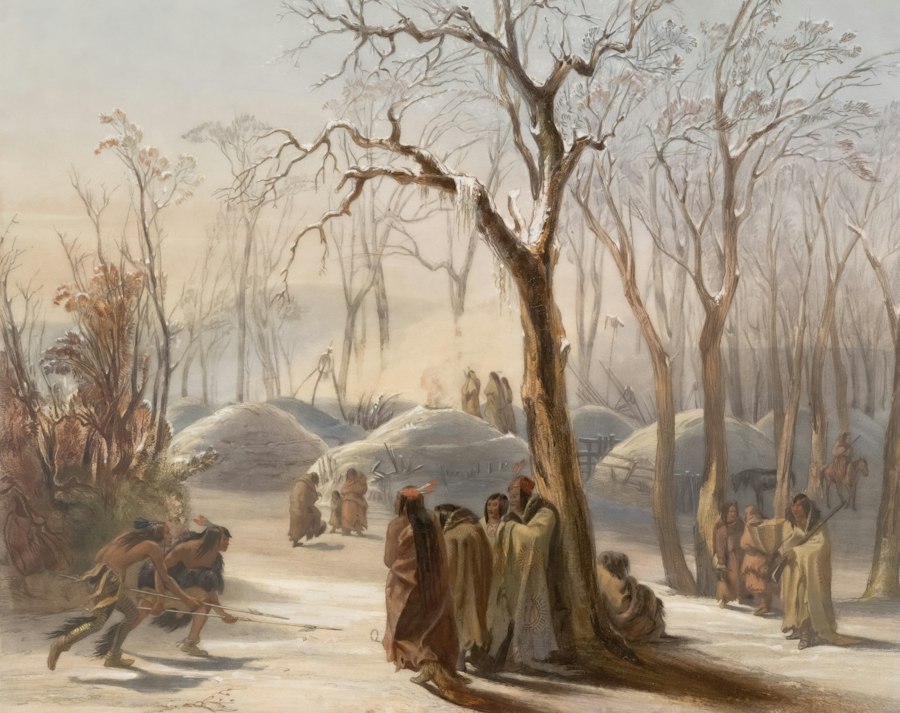
Another transformative technique in early meat preservation was the use of salt. Salt, a naturally occurring mineral essential for life, possesses potent antimicrobial properties. By drawing water out of meat through osmosis, salt dehydrates the cells of spoilage-causing bacteria, effectively killing them or rendering them dormant. This method provided a more reliable and often faster means of preservation, especially in humid or less sunny conditions where drying might be less effective. The discovery and application of salt in food preservation marked a significant advancement, allowing for the storage of larger quantities of meat and providing greater security against hunger.
Sourcing and Processing Salt
The effectiveness of salting was intrinsically linked to the availability and purity of salt. Early humans would have sourced salt from natural salt licks, coastal salt pans where seawater evaporated, or by processing mineral deposits. The method of processing could involve crushing raw salt crystals or, in some instances, evaporating brine. The purity of the salt was also important; impurities could affect its preservative qualities or introduce undesirable flavors. Understanding which types of salt were most effective and how to acquire them in sufficient quantities would have been a vital piece of knowledge passed down through generations.
The Art of Brining and Dry Salting
Two primary methods of salting were employed. Dry salting involved directly rubbing salt into the meat. The meat would be thoroughly coated with salt, ensuring that every surface, including any crevices, was exposed. The salt would then begin to draw out moisture, creating a brine. This brine would often be drained off, and the meat might be re-salted and left to cure. Alternatively, brining involved immersing the meat in a concentrated salt solution (brine). This method ensured even penetration of salt throughout the meat. The concentration of the brine and the duration of immersion were critical factors, requiring careful observation and experimentation. The meat would then be removed from the brine and often hung to dry further.
The Impact of Salt on Meat Quality
While salting was highly effective for preservation, it also undeniably altered the texture and flavor of the meat. The process would toughen the muscle fibers and impart a distinct salty taste. However, for early humans, these changes were a small price to pay for the security of a preserved food source. The intensified flavors could even be desirable, and the toughness was often mitigated by subsequent cooking methods. The ability to salt meat meant that even in less than ideal drying conditions, a reliable method for long-term storage was available, providing a crucial buffer against famine.
Smoking: A Dual-Purpose Preservation Technique
Smoking meat offered a dual benefit: it preserved the meat while also imparting a unique flavor and aroma that was highly valued. This technique involved exposing meat to smoke generated from smoldering wood. The smoke contained various compounds, including phenols and creosote, which have antimicrobial and antioxidant properties. In addition, the drying effect of the heat and the indirect exposure to sunlight associated with smoking further contributed to its preservation capabilities. Smoking was particularly effective in humid climates where sun-drying might be less reliable, and it offered a distinct advantage in terms of flavor enhancement.
The Mechanics of Smoke and Heat
The process of smoking typically involved creating a fire in a confined space and then placing the meat in a position where it would be exposed to the resulting smoke. This could be achieved by hanging meat over a smoldering fire pit, using rudimentary smokehouses constructed from wood and animal hides, or even placing meat in covered pits where wood could smolder. The type of wood used was important, as different woods produce different compounds in their smoke, influencing both the preservation effectiveness and the flavor profile. Softwoods like pine or cedar were often avoided due to their strong, resinous flavors, with hardwoods like oak, hickory, or fruitwoods being preferred.
Hot Smoking Versus Cold Smoking
Early humans likely employed variations of smoking, broadly categorized as hot smoking and cold smoking. Hot smoking involved exposing the meat to smoke at higher temperatures. This process both cooked and preserved the meat, resulting in a more tender product but with a shorter shelf life compared to cold smoking. Cold smoking, on the other hand, involved exposing the meat to smoke at much lower temperatures, often below 30 degrees Celsius. This method primarily focused on preservation and flavor infusion without significantly cooking the meat. Cold-smoked meats required longer smoking periods and were often more effectively preserved for extended durations. The specific temperatures and durations were learned through generations of practice and observation.
The Flavorful Fortification of Smoked Meats
The characteristic smoky flavor was a significant draw of this preservation method. It provided a welcome variation from the taste of raw or dried meats, and the compounds within the smoke acted as both preservatives and antioxidants, preventing the meat from going rancid. Smoked meats were highly prized for their rich aroma and complex taste. This technique allowed early communities to not only store meat but also to create a more palatable and enjoyable preserved food, adding a culinary dimension to their survival strategies. The versatility of smoking allowed it to be integrated with other preservation methods, further enhancing its effectiveness.
Early humans developed various methods to preserve meat during winter months, ensuring they had enough food to sustain themselves through harsh conditions. Techniques such as drying, smoking, and salting were commonly employed to extend the shelf life of their meat supplies. For a deeper understanding of how ancient practices influence modern food preservation, you can explore a related article that discusses the evolution of food storage techniques in different cultures. This article highlights the importance of these methods in shaping dietary habits and survival strategies throughout history. To read more about this fascinating topic, visit this link.
Fermentation: Harnessing Beneficial Microbes
| Method | Description | Effectiveness | Duration of Preservation | Region/Climate |
|---|---|---|---|---|
| Cold Storage (Freezing) | Using natural cold temperatures to freeze meat outdoors or in caves. | High in cold climates | Weeks to months | Cold regions, winter seasons |
| Drying (Air/Sun Drying) | Removing moisture from meat by hanging it in the sun or air. | Moderate | Months | Dry, arid climates |
| Smoking | Exposing meat to smoke from fires to dry and add antimicrobial properties. | High | Months | Various regions |
| Salting | Rubbing or packing meat with salt to draw out moisture and inhibit bacteria. | High | Weeks to months | Regions with access to salt |
| Fat Rendering (Pemmican) | Mixing dried meat with rendered fat to create a long-lasting, nutrient-dense food. | Very High | Months to years | Various, especially cold climates |
While often associated with modern food production, fermentation, the process where microorganisms break down substances into other compounds, was also likely understood and utilized by early humans for meat preservation. This technique involves allowing certain bacteria to proliferate under controlled conditions, which in turn inhibits the growth of spoilage-causing pathogens. The process often involves salt to control the microbial population and create an environment conducive to the desired fermenting bacteria. While perhaps less common or widespread than drying or salting, fermentation offered a unique way to preserve meat, often transforming its texture and flavor in novel ways.
The Controlled Culture of Microbes
The key to successful fermentation lies in creating the right conditions for specific beneficial microorganisms to thrive while suppressing harmful ones. For meat, this often began with a salting process, which acted as an initial barrier against undesirable bacteria. The meat was then stored in an environment where the naturally occurring lactic acid bacteria, or those introduced through a starter culture, could ferment the meat’s proteins and sugars. This process produced lactic acid, which lowered the pH of the meat, making it more acidic and thus inhibiting the growth of spoilage organisms. The temperature and humidity of the storage environment were critical factors in controlling the fermentation process.
Transformations in Texture and Taste
Fermentation significantly altered the meat’s characteristics. The process could break down tough muscle fibers, resulting in a more tender and palatable product. The flavor profile was also dramatically changed, often developing a characteristic tangy or sour taste due to the production of organic acids. This transformation was not always universally desired, but for those who understood and appreciated it, fermented meats offered a distinct and appealing dietary option. The altered texture and flavor also meant that fermented meats could sometimes be consumed with less cooking than other preserved forms, adding another layer of convenience.
Historical Evidence and Examples
While direct archaeological evidence for early meat fermentation can be challenging to find, anthropological studies of traditional societies and the analysis of preserved food remnants provide clues. The development of cured sausages, for example, which often rely on a combination of salting, drying, and fermentation, can be traced back to ancient practices. Certain types of preserved fish, particularly those cured in brine and allowed to ferment, also suggest a long history of this preservation method. These practices, passed down through oral tradition and refined over time, demonstrate an intuitive understanding of microbial activity and its role in food preservation, even without a formal scientific understanding.

20,000 Years Ago | The Coldest Journey in Human History
FAQs
1. How did early humans preserve meat during winter?
Early humans preserved meat during winter by drying, smoking, or freezing it. Drying involved removing moisture from the meat by hanging it in the sun or near a fire. Smoking involved exposing the meat to smoke, which acted as a preservative. Freezing meat in cold climates was also a common method of preservation.
2. Did early humans use salt to preserve meat during winter?
Yes, early humans used salt to preserve meat during winter. Salt was a valuable commodity that helped draw out moisture from the meat, inhibiting the growth of bacteria and extending its shelf life. Salting meat was a common practice among early humans to ensure a stable food supply during the winter months.
3. What role did caves play in preserving meat for early humans during winter?
Caves provided a natural refrigeration system for early humans to preserve meat during winter. The cool, dark environment of caves helped keep meat at a low temperature, slowing down the growth of bacteria and preventing spoilage. Early humans would store meat in caves to take advantage of this natural preservation method.
4. Were there any other methods early humans used to preserve meat during winter?
Early humans also preserved meat during winter by fermenting it. Fermentation involved allowing beneficial bacteria to break down sugars in the meat, creating an acidic environment that inhibited the growth of harmful bacteria. This method not only preserved the meat but also added flavor and nutritional value.
5. How did early humans ensure a steady supply of preserved meat for winter months?
Early humans practiced hunting and gathering techniques to ensure a steady supply of meat for preservation during winter months. They would hunt animals in the warmer months, preserve the meat using various methods, and store it in safe locations such as caves or underground pits. This strategic approach helped early humans survive the harsh winter conditions by having a stable source of food available.