The Earth’s Fury and Humanity’s Resilience: Prehistoric Cataclysms and Early Survival
The Earth has always been a dynamic and often violent place. Long before the advent of written records, our prehistoric ancestors navigated a world shaped by powerful natural forces. Volcanic eruptions, colossal earthquakes, devastating floods, and extreme climate shifts were not rare occurrences but integral parts of their environment, dictating the rhythms of life and death. These prehistoric natural disasters, while terrifying in their scale and impact, also served as a crucible, forging the resilience and ingenuity of early human societies. Examining these ancient cataclysms and the adaptive strategies that emerged offers a profound understanding of human perseverance and our deep, often instinctual, connection to the planet’s unpredictable nature.
The geological timescale is punctuated by dramatic events that reshaped landscapes and challenged early human existence. These events were not mere inconveniences; they were existential threats that could obliterate settlements, disrupt food chains, and force populations to migrate or perish. Understanding these past disasters, even without direct fossilized accounts of human reactions, allows us to piece together a narrative of survival, highlighting the remarkable capacity of our ancestors to adapt, innovate, and ultimately thrive in the face of overwhelming adversity. This exploration delves into the types of disasters faced, the immediate and long-term impacts, and the ingenious adaptations that allowed early humanity to not only endure but to lay the foundations for future civilizations.
Prehistoric natural disasters have significantly influenced the development and adaptation of tribal societies, shaping their cultural practices and survival strategies. For an insightful exploration of how environmental challenges have historically impacted human societies, you can refer to a related article that discusses economic implications in contemporary contexts, which can be found at this link. Understanding these dynamics can provide valuable lessons on resilience and adaptation in the face of adversity.
Forging Societies in the Crucible of Cataclysm: Evidence and Implications
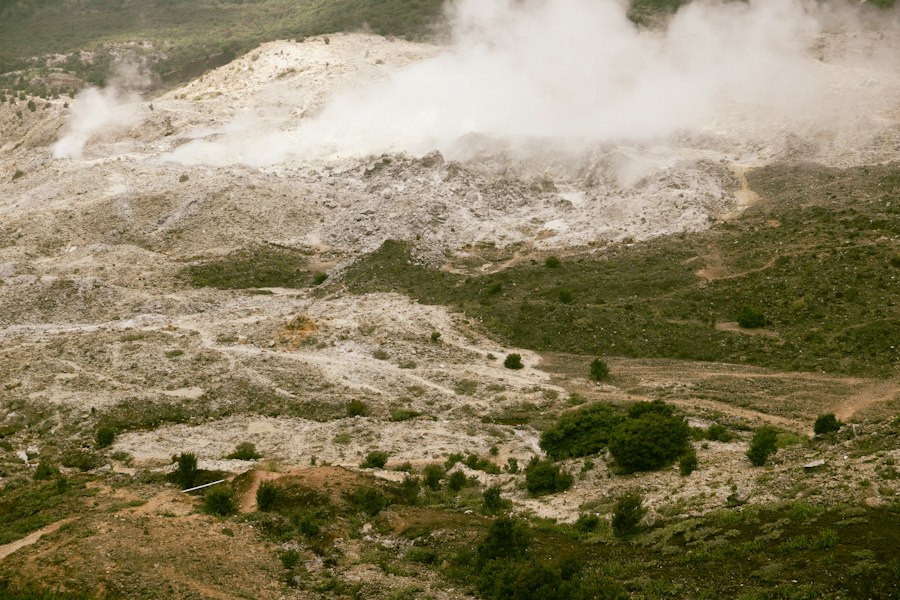
The archaeological record, though fragmented, provides compelling evidence of the profound impact of natural disasters on prehistoric human populations. While direct eyewitness accounts are impossible, the geological strata and the distribution of archaeological sites offer tantalizing clues. Researchers can identify layers of volcanic ash that buried ancient settlements, evidence of seismic activity that altered river courses, or sediment deposits that speak of catastrophic flooding. The placement of early human shelters, the types of tools discovered, and the patterns of migration all hint at responses to environmental challenges.
The Geological Canvas: Tracing Earth’s Violent Past
The Earth’s crust is a constantly shifting entity, and its unrest has manifested in ways that would have been terrifyingly apparent to early humans. Plate tectonics, the slow but inexorable movement of vast lithospheric plates, are the root cause of many of these dramatic events. Understanding the geological history of specific regions where early humans settled allows researchers to infer the types of natural hazards they likely encountered. For instance, early hominin populations in the East African Rift Valley would have been acutely aware of volcanic activity and seismic shifts, given the region’s ongoing tectonic rifting. Similarly, coastal dwellers would have faced the constant threat of tsunamis, even if the precise mechanisms were unknown to them.
Interpreting the Archaeological Footprints: Signs of Disaster and Recovery
Archaeologists uncover sites that bear the scars of these events. Buried villages under layers of volcanic ash, like those found in Pompeii and Herculaneum, though more recent, offer a conceptual parallel. Prehistoric examples might include settlements abruptly abandoned, with evidence of sudden destruction or inundation. The presence of tool caches or hearths found in unusual geological contexts can suggest hurried evacuations or attempts to re-establish life after a disruptive event. The study of pollen and sediment cores provides insights into abrupt climate changes, such as rapid cooling or drying periods, that would have significantly impacted vegetation and animal populations, forcing human groups to adapt their foraging and hunting strategies. The very survival and dispersal of early human species across different continents can be seen, in part, as a testament to their ability to overcome significant environmental challenges, including periods of extreme climatic instability.
The Ripple Effect: Societal Transformations Driven by Disaster
Natural disasters were not just physical events; they were powerful catalysts for social change. A catastrophic event could decimate a community, leading to a loss of knowledge, skills, and social cohesion. However, it could also foster new forms of cooperation and resource sharing. Communities that successfully navigated these challenges might have developed stronger social bonds, more effective leadership structures, and a deeper understanding of their environment. The need to relocate after a disaster could also lead to encounters with other groups, fostering cultural exchange and the spread of new technologies or survival techniques. The memory of such events, passed down through oral traditions, would have shaped worldviews and influenced decision-making for generations.
Architects of Survival: Prehistoric Adaptations to Environmental Extremes
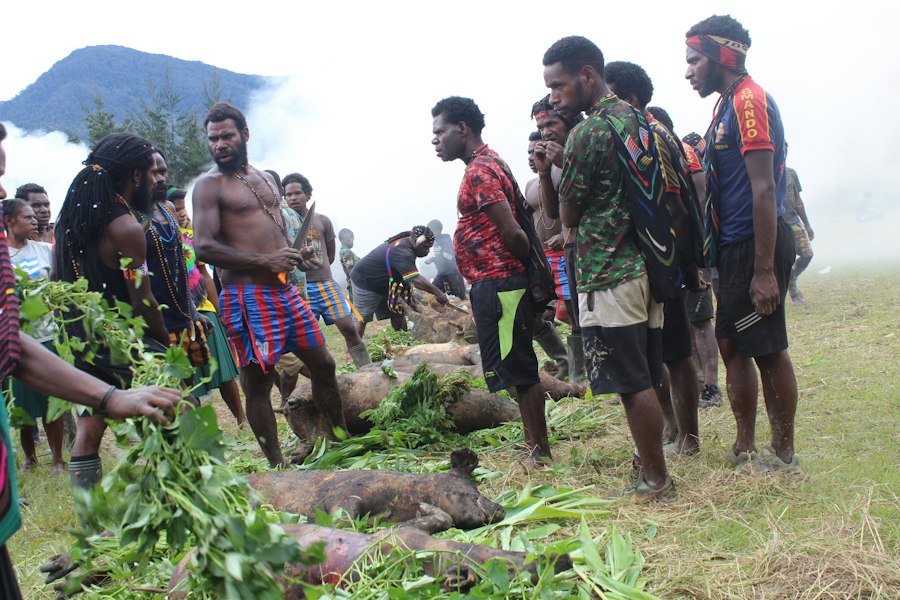
Faced with cataclysmic events, prehistoric humans demonstrated an extraordinary capacity for adaptation. These were not passive victims of fate but active agents who developed a suite of strategies to mitigate risks, recover from losses, and ensure the survival of their groups. These adaptations ranged from immediate, instinctive responses to long-term, learned behaviors that were honed over millennia. The development of sophisticated toolmaking, the mastery of fire, and the evolution of complex social structures were all, in part, responses to the need to contend with a volatile environment.
The Genesis of Innovation: Tools and Technology as Shields
The development of stone tools was a pivotal moment in human evolution, providing the means to process food, defend against predators, and construct shelter. In the face of natural disasters, these tools became even more critical. A sharpened stone could be used to build a quick shelter from debris, to dig for water after a drought, or to process scavenged food when hunting grounds were destroyed. The mastery of fire offered warmth, protection from predators, and the ability to cook food, making a wider range of resources available. In a changing climate, the ability to control fire could be essential for survival, providing a source of light and heat in cold periods and a means to clear land for more predictable food sources. Later innovations, such as the development of more efficient hunting tools like spears and eventually projectile weapons, allowed groups to exploit changing prey distributions or to defend their territories more effectively in a disrupted ecosystem.
Shelter and Settlement: Building Against the Elements
The choice of settlement location and the construction of dwellings were profoundly influenced by the perceived threats of the natural environment. Early humans likely sought out sheltered locations, such as caves or rock overhangs, that offered protection from harsh weather and geological instability. As societies developed, they learned to read the landscape, avoiding areas prone to flooding, landslides, or volcanic activity. The construction of more robust shelters, using readily available materials like branches, mud, and animal hides, would have been crucial for weathering storms and extreme temperatures. In areas prone to seismic activity, settlements might have been built with flexible materials or in locations that minimized the impact of ground tremors. The nomadic lifestyles of some prehistoric groups can also be interpreted as an adaptive strategy, allowing them to move away from areas experiencing prolonged environmental stress or to follow migrating food sources disrupted by natural events.
Social Networks and Knowledge Transfer: Strength in Numbers
The social dimension of adaptation cannot be overstated. In the face of disaster, communities that could cooperate and share resources were more likely to survive. The development of complex social structures, including kinship ties and alliances, provided a safety net. Sharing food, knowledge of safe areas, and skills for rebuilding were essential for collective survival. Oral traditions played a vital role in transmitting knowledge about past disasters, including where to find safe havens, how to identify edible plants that could withstand drought, or which routes to avoid during monsoon seasons. This intergenerational transfer of knowledge was a powerful tool for resilience, ensuring that future generations could learn from the experiences of their ancestors.
The Great Reshaping: Climatic Shifts and Migratory Responses
Climate change, both gradual and abrupt, has been a constant feature of Earth’s history and a significant driver of prehistoric human adaptation and migration. Periods of glaciation, warming trends, and shifts in precipitation patterns forced early humans to be incredibly flexible in their lifestyles and geographical distribution. The ability to adapt to these broad-scale environmental transformations often involved long-distance movements and the development of new subsistence strategies.
The Dance of Ice and Fire: Glacial and Interglacial Cycles
The Pleistocene epoch was characterized by dramatic swings between glacial and interglacial periods. During glacial periods, vast ice sheets covered large swathes of the planet, lowering sea levels and creating new land bridges, while also making many regions inhospitable. Early humans living in these times would have had to adapt to colder climates, potentially developing new forms of clothing and shelter, and relying on hunting cold-adapted megafauna. The subsequent warming of interglacial periods would have led to the retreat of glaciers, rising sea levels, and the expansion of forests and grasslands. These changes would have opened up new territories for settlement and altered the availability of resources, potentially driving migrations into previously inaccessible areas. The timing and scale of these climatic shifts likely played a significant role in the dispersal of Homo sapiens out of Africa and across the globe.
Thirst and Plenty: Droughts, Floods, and Shifting Resources
Beyond the major glacial cycles, prehistoric populations also contended with more localized but equally impactful climatic events such as prolonged droughts and devastating floods. Droughts would have severely impacted the availability of water and vegetation, forcing groups to migrate in search of more hospitable conditions or to develop sophisticated water-gathering and storage techniques. Conversely, periods of intense rainfall and flooding could devastate settlements, destroy food stores, and alter landscapes. The ability to predict and respond to these hydrological extremes would have been crucial. The nomadic lifestyles of many hunter-gatherer groups can be seen as an adaptation to the unpredictable nature of rainfall and the migratory patterns of prey animals that followed these shifts in vegetation. The development of early forms of agriculture, when it eventually emerged, would have further amplified the need for understanding and managing water resources.
Following the Food: Migration as a Primary Strategy
Migration was, and remains, a fundamental human adaptive strategy. When faced with environmental devastation caused by natural disasters, or the slow but inexorable pressure of climatic change, the most effective response was often to move. Prehistoric humans likely followed animal herds, seeking out areas where food was more abundant. They also moved to escape unfavorable conditions and to find new territories with resources that could support their populations. The archaeological evidence of early human migration routes, from Africa across Eurasia and eventually to the Americas and Australia, is a testament to this inherent drive to explore and adapt. These migrations were not random wanderings but often informed movements guided by generations of accumulated environmental knowledge, passed down through social networks.
In exploring the resilience of ancient societies, a fascinating article discusses how prehistoric natural disasters shaped tribal adaptation strategies. These communities often had to innovate in response to environmental challenges, leading to the development of unique architectural techniques and social structures. For a deeper understanding of how ancient civilizations responded to their surroundings, you can read more in this insightful piece about ancient cities and their foundations at Unearthing Ancient Cities: The Pneumatic Foundations.
Lessons from the Past: Enduring Principles of Prehistoric Resilience
| Natural Disaster | Estimated Time Period | Region | Impact on Tribes | Adaptation Strategies |
|---|---|---|---|---|
| Volcanic Eruption (Toba Supereruption) | ~74,000 years ago | Sumatra, Indonesia | Severe climate cooling, population bottleneck | Migratory shifts, development of diverse food sources |
| Massive Flooding (Post-Ice Age Melt) | ~12,000 years ago | Global (various regions) | Displacement of tribes, loss of coastal settlements | Relocation to higher ground, development of water management techniques |
| Earthquake | Various prehistoric periods | Regions along tectonic boundaries | Destruction of shelters, loss of life | Construction of flexible shelters, settlement relocation |
| Wildfires | Prehistoric times | Forested regions worldwide | Habitat alteration, food source changes | Use of fire for land management, seasonal migration |
| Drought | Various prehistoric periods | Arid and semi-arid regions | Water scarcity, crop failure | Development of water storage, nomadic lifestyle |
The study of prehistoric natural disasters and the adaptive strategies of early humans offers profound and enduring lessons for our own time. The remarkable resilience of our ancestors in the face of overwhelming environmental challenges highlights fundamental principles of human survival and societal development that remain relevant today. Understanding their struggles and their triumphs provides not only historical perspective but also valuable insights into how we might better navigate the environmental uncertainties of our own era.
The Unpredictability of Nature: A Constant Companion
One of the most striking takeaways from studying prehistoric times is the pervasive and unpredictable nature of the environment. While our modern world often seeks to control and predict, the reality for our ancestors was a constant negotiation with forces beyond their immediate control. Earthquakes, volcanic eruptions, extreme weather events, and climatic shifts were not anomalies but integral parts of their existence. This understanding fosters a sense of humility and respect for the natural world, reminding us that even with advanced technology, we remain vulnerable to the planet’s powerful forces. The resilience of prehistoric peoples was not about eliminating risk, but about learning to live with and respond effectively to it.
Ingenuity Born of Necessity: Innovation as a Driving Force
The necessity of survival in a challenging environment was a potent engine for innovation. From the simplest stone tools to the complex social structures that facilitated cooperation, prehistoric humans constantly developed new ways to meet their needs. This suggests that challenges, while difficult, can also spur creativity and ingenuity. The lessons learned about resourcefulness, problem-solving, and the development of practical technologies in response to environmental pressures remain a powerful model for tackling contemporary issues. The adaptability and inventiveness of our ancestors serve as an inspiration, demonstrating that even in the face of seemingly insurmountable obstacles, human ingenuity can find a way forward.
The Enduring Power of Community and Knowledge
Perhaps the most crucial lesson is the vital importance of community and the intergenerational transfer of knowledge. No single individual could survive the scale of prehistoric natural disasters alone. It was through cooperation, shared resources, and the accumulated wisdom of their ancestors that these early human groups persisted. The strength of social bonds, the ability to communicate and collaborate, and the transmission of practical knowledge from one generation to the next are fundamental pillars of human resilience. In an increasingly interconnected but sometimes fragmented world, these lessons about the power of collective action and the invaluable legacy of accumulated wisdom are more important than ever. The echoes of their survival strategies resonate through the millennia, reminding us of our shared heritage as a species forged in the crucible of Earth’s dynamic past.

20,000 Years Ago | The Coldest Journey in Human History
FAQs
What were some common prehistoric natural disasters that tribes had to adapt to?
Common prehistoric natural disasters that tribes had to adapt to included earthquakes, volcanic eruptions, tsunamis, floods, droughts, and severe storms.
How did tribes adapt to prehistoric natural disasters?
Tribes adapted to prehistoric natural disasters by developing survival skills, creating shelters in safe locations, storing food and water supplies, and passing down knowledge through oral traditions.
Did prehistoric tribes have warning systems for natural disasters?
While prehistoric tribes did not have advanced technology for predicting natural disasters, they relied on observations of nature, animal behavior, and changes in the environment to anticipate potential threats.
What role did spiritual beliefs play in tribal adaptation to natural disasters?
Spiritual beliefs played a significant role in tribal adaptation to natural disasters, as tribes often viewed these events as acts of gods or spirits, leading them to develop rituals and practices to seek protection and guidance.
How did prehistoric tribes pass down knowledge of natural disaster adaptation to future generations?
Prehistoric tribes passed down knowledge of natural disaster adaptation to future generations through oral traditions, storytelling, and practical training from elders to younger members of the tribe.