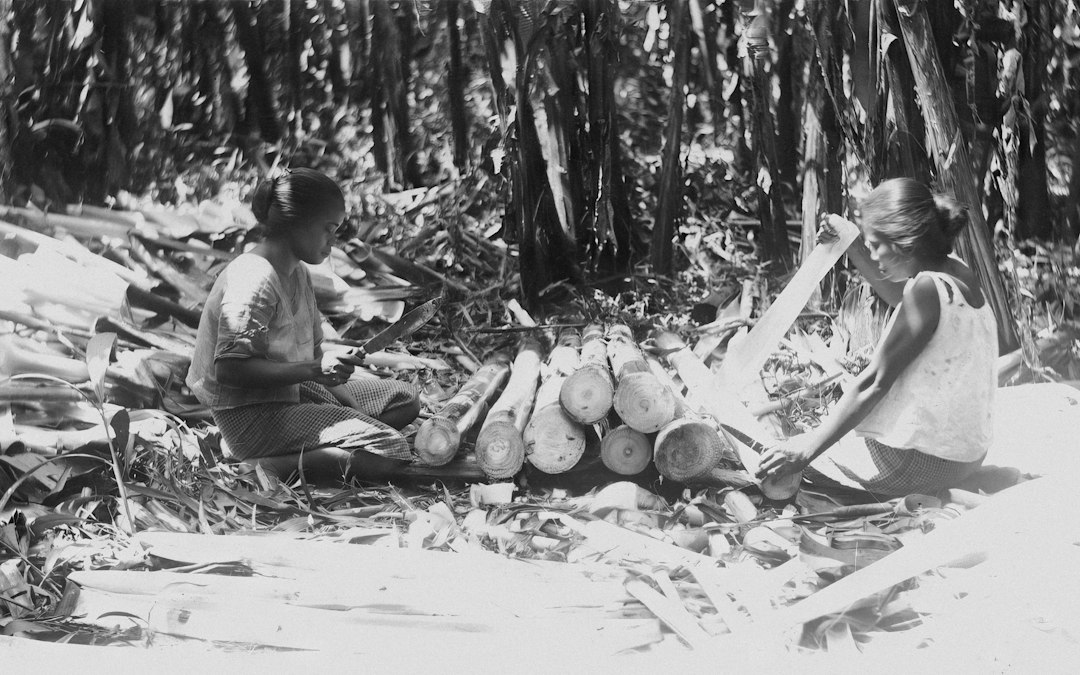
The biting wind whipped across the vast, untamed landscape, carrying with it the scent of damp earth and distant pine. In this primordial world, life was a constant negotiation with the elements, a delicate dance between hunger and survival. Yet, amidst the harsh realities of the prehistoric era, a powerful force held sway, a thread woven through the fabric of existence: the unwavering strength of family bonds. These ancient tales, etched not in stone but in the very essence of humanity’s beginnings, speak of a world where the collective, not the individual, was the key to enduring the relentless challenges of survival.
The Cradle of Kin: The Primacy of the Early Family Unit
In the dawn of human history, the concept of the nuclear family as understood today was likely a distant echo. Instead, the foundational unit of society was a broader, more encompassing kinship group, often extending beyond immediate blood relations. This extended family, or clan, served as a vital support system, a shared resource pool, and a collective defense against the myriad threats that stalked the land. Survival was not a solo endeavor; it was a collaborative enterprise, built on trust, mutual aid, and the profound understanding that each member played a crucial role in the group’s continued existence.
Instinct and Interdependence: The Roots of Cooperation
The biological imperative to protect one’s offspring was undoubtedly a potent driving force behind the formation of early family units. However, human evolution introduced a complexity that transcended mere biological drives. The development of advanced cognitive abilities, including complex communication and problem-solving, fostered a profound sense of interdependence. Sharing food, providing shelter, and raising the young were not acts of charity but essential strategies for species propagation. Children, born vulnerable and dependent, required prolonged care and protection, making the collective effort of the family unit indispensable. This inherent need for cooperation, ingrained through generations of natural selection, laid the groundwork for the intricate social structures that would define human civilization.
The Burden and the Blessing: Shared Responsibilities
Within these early family units, responsibilities were often divided based on age, gender, and physical capability, though these divisions were likely more fluid and less rigidly defined than in later societies. While men might have been primarily responsible for hunting larger game, requiring strength and bravery, women would have focused on gathering edible plants, preparing food, and tending to the young and infirm. This division of labor, while seemingly traditional, was a practical necessity for maximizing the group’s efficiency. The elderly, too, held a significant place, their accumulated knowledge of medicinal plants, weather patterns, and survival techniques being invaluable resources. Their experience, passed down through oral tradition, was a living library, crucial for navigating the unpredictable rhythms of nature. The young, while needing protection, were also being educated, learning the skills necessary to contribute to the family’s survival and eventually to lead their own generations.
Prehistoric stories often highlight themes of family bonding and survival, showcasing how early humans relied on one another for protection and sustenance in a harsh environment. These narratives resonate with the exploration of ancient civilizations and their struggles, much like the intriguing theories presented in the article about the lost continent of Antarctica. For a deeper understanding of how such ancient tales might connect to our understanding of human resilience and community, you can read more in this article: The Lost Continent of Antarctica: Theory.
Forging Bonds Through Fire and Fury: The Role of Shared Experience
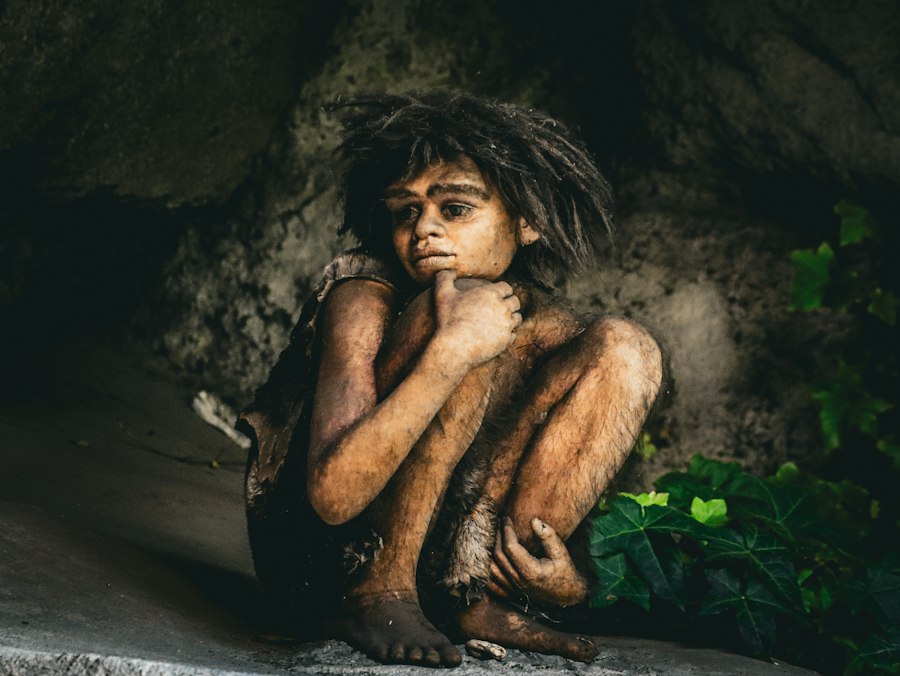
The crucible of prehistoric life forged unbreakable bonds between family members. It was in the shared triumphs and devastating losses that their connection deepened, transforming instinctual ties into profound emotional and social attachments. The very act of facing adversity together, whether it was a ferocious predator or a brutal winter, served to solidify their unity.
The Hearthstone of Community: The Significance of the Communal Fire
The discovery and mastery of fire marked a pivotal moment in human history, and its impact on family dynamics was profound. The flickering flames became the heart of the prehistoric dwelling, a focal point for communal gathering and a symbol of shared existence. Around the fire, stories were exchanged, skills were taught, and anxieties were soothed. It was a place of warmth, both physical and emotional, where individuals found solace and reassurance in the presence of their kin. The preparation and consumption of meals together further strengthened these bonds, transforming sustenance into a shared ritual. The act of providing for and feeding the family was not just about filling stomachs; it was an act of love, a testament to the group’s commitment to one another.
Navigating the Perils: Collective Defense and Mutual Protection
The prehistoric world was a dangerous place, teeming with predators that saw early humans as potential prey. The family unit, acting as a cohesive group, provided a vital defense mechanism. A lone individual would have been an easy target, but a united front, armed with rudimentary tools and coordinated strategies, could deter even the most formidable threats. Stories passed down through generations undoubtedly recounted tales of daring rescues, where family members risked their own lives to protect others. These acts of bravery, etched into the collective memory, reinforced the deep-seated understanding that the safety of the individual was intrinsically linked to the safety of the group. This mutual protection extended beyond immediate physical threats; it also encompassed the provision of care for the sick and injured, ensuring that no one was left to face their vulnerability alone.
Passing the Torch: Intergenerational Knowledge and Skill Transfer
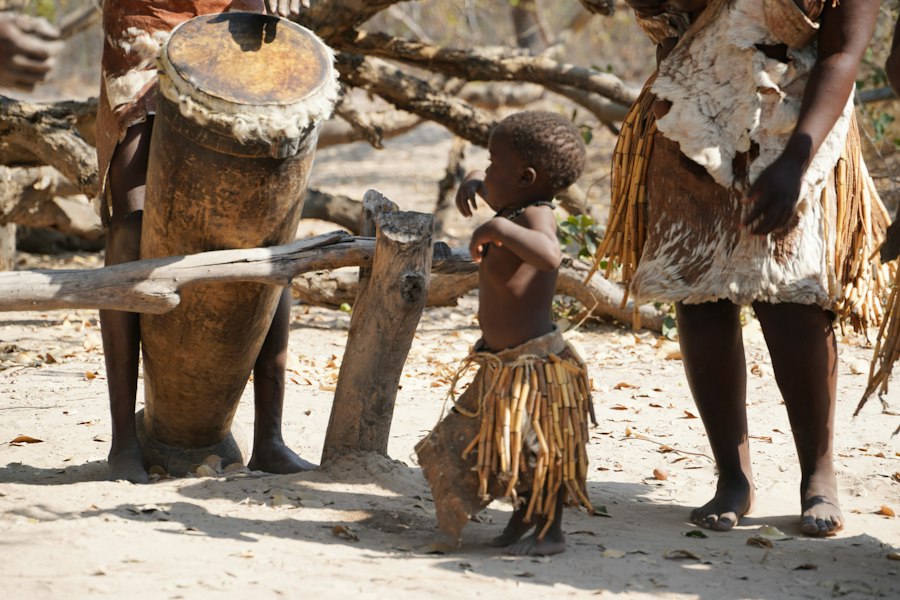
The survival of any prehistoric group was heavily reliant on the transmission of knowledge and skills from one generation to the next. This intergenerational transfer was not a formal educational process but an organic, immersive experience, deeply embedded within the fabric of family life. The older generations served as living libraries, their wisdom and expertise passed down through observation, imitation, and direct instruction.
The Whispers of Wisdom: Oral Traditions and Learned Behaviors
Before the advent of written language, oral traditions were the primary means of preserving and disseminating vital information. Elders, through stories, songs, and proverbs, would recount the history of their people, the wisdom gained from past experiences, and the practical knowledge necessary for survival. These narratives were not mere entertainment; they were mnemonic devices, embedding crucial lessons about edible and poisonous plants, the behavior of animals, the changing seasons, and the dangers to be avoided. Children learned by watching their parents and elders, mimicking their actions, and gradually internalizing the complex skills required for hunting, gathering, tool-making, and shelter construction. The family unit was the first and most influential school, where learning was an integral part of daily life, shaped by the immediate needs of survival.
The Art of the Hunt and the Craft of Survival: Apprenticeships of the Wild
The acquisition of essential survival skills, such as hunting and tool-making, was often an informal apprenticeship within the family. Young boys would accompany their fathers and uncles on hunting expeditions, observing their techniques, learning to track game, and understanding the nuances of animal behavior. They would learn to fashion spears, bows, and arrows, honing their craftsmanship through trial and error, guided by the experienced hands of their elders. Similarly, young girls would learn from their mothers and grandmothers the intricate arts of gathering, preparing food, making clothing from animal hides, and understanding the medicinal properties of plants. This continuous cycle of learning and teaching ensured that the knowledge and skills necessary for survival were not lost, but rather perpetuated and refined with each passing generation, a testament to the enduring power of familial instruction.
Love in the Time of Fangs and Frost: Emotional Bonds and Social Cohesion
While survival was the ultimate imperative, the existence of deep emotional bonds within prehistoric families cannot be overlooked. The shared experiences, mutual reliance, and prolonged periods of interdependence fostered a profound sense of love, loyalty, and belonging. These emotional connections were not a luxury but a critical component of social cohesion, providing the psychological resilience needed to endure the hardships of their world.
The Nurturing Embrace: Affection and Attachment in Early Childhood
The prolonged period of childhood dependency in humans meant that early familial interactions were crucial for the development of secure attachments. The comfort of a parent’s embrace, the reassurance of their presence, and the consistent provision of care would have fostered a sense of safety and security in young children. This early emotional foundation would have shaped their capacity for trust, empathy, and social interaction, laying the groundwork for their future relationships within the family and the wider community. The subtle expressions of affection – a gentle touch, a soothing word, a shared smile – would have been powerful affirmations of belonging, reinforcing the individual’s place within the protective circle of the family.
Grief and Resilience: Coping with Loss as a Collective
The harsh realities of prehistoric life meant that loss was an inevitable part of existence. Disease, accidents, and violent encounters would have resulted in the deaths of family members, both young and old. In such times of profound grief, the family unit would have provided a crucial source of comfort and support. Mourning rituals, though perhaps simple and instinctual, would have served to acknowledge the loss and to collectively process the pain. The shared experience of grief could have paradoxically strengthened the remaining bonds, fostering a deeper appreciation for life and for the connections that remained. The resilience of the human spirit, so evident in our prehistoric ancestors, was undoubtedly nurtured within the supportive embrace of their families, enabling them to continue their struggle for survival even in the face of devastating loss.
In exploring the rich tapestry of prehistoric stories, one can uncover fascinating narratives of family bonding and survival that shaped early human societies. These tales often highlight the resilience and cooperation necessary for overcoming the challenges of their environment. For a deeper understanding of how ancient civilizations navigated their social structures and relationships, you might find the article on ancient palace ruins particularly enlightening. It delves into the intricate dynamics of community life and the bonds that were essential for survival. To read more about this intriguing subject, visit this article.
Echoes in the Genes: The Enduring Legacy of Ancient Family Ties
| Story/Artifact | Region | Estimated Age | Family Bonding Element | Survival Strategy | Significance |
|---|---|---|---|---|---|
| La Chapelle-aux-Saints Neanderthal Burial | France | ~60,000 years ago | Care for the elderly and deceased | Social cohesion through ritual | Evidence of empathy and family care |
| Blombos Cave Engravings | South Africa | ~75,000 years ago | Shared symbolic communication | Cooperative hunting and gathering | Early evidence of cultural bonding |
| Çatalhöyük Wall Paintings | Turkey | ~9,000 years ago | Depictions of family groups and animals | Domestication and agriculture | Transition to settled family life |
| Ice Age Cave Art (Lascaux) | France | ~17,000 years ago | Group storytelling and teaching | Hunting strategies and rituals | Preservation of survival knowledge |
| Neolithic Burial Sites (Jericho) | Palestine | ~9,000 years ago | Family tombs and ancestor veneration | Community cooperation in farming | Strengthening family and social bonds |
The fundamental importance of family bonds in prehistoric times has left an indelible mark on human nature, a legacy that continues to resonate in our societies today. While the challenges of survival have evolved, the deep-seated need for connection, belonging, and mutual support remains a cornerstone of the human experience.
The Blueprint of Belonging: Innate Social Tendencies
The evolutionary pressures of the prehistoric era shaped our innate social tendencies, prioritizing cooperation and group cohesion. Our capacity for empathy, our desire for social connection, and our inclination to form strong familial attachments can be traced back to the survival advantages they conferred on our ancestors. The very architecture of the human brain has been influenced by the need to navigate complex social relationships, to understand the emotions of others, and to foster a sense of shared identity. These deeply ingrained tendencies continue to drive our behavior, influencing our choices and shaping our social structures.
The Modern Family: A Continuation of Ancient Wisdom
Though the forms and functions of families have transformed over millennia, the underlying principles of love, support, and shared responsibility remain remarkably consistent. In a world that can often feel isolating and overwhelming, the strength of familial ties continues to offer a vital anchor. Whether it is the nuclear family, extended kin networks, or chosen families, the human need for connection and belonging persists. The ancient tales of prehistoric survival, while set in a vastly different landscape, offer a timeless reminder of the power of these bonds. They speak of a fundamental truth: that humanity, in its deepest essence, is a social creature, and that our greatest strength lies not in individual prowess, but in the enduring power of kinship and the unwavering support of those we call family. The whispers of those ancient families, forged in the fires of survival, continue to echo in our genes and in our hearts, a testament to their enduring wisdom and the profound importance of the bonds they so fiercely protected.
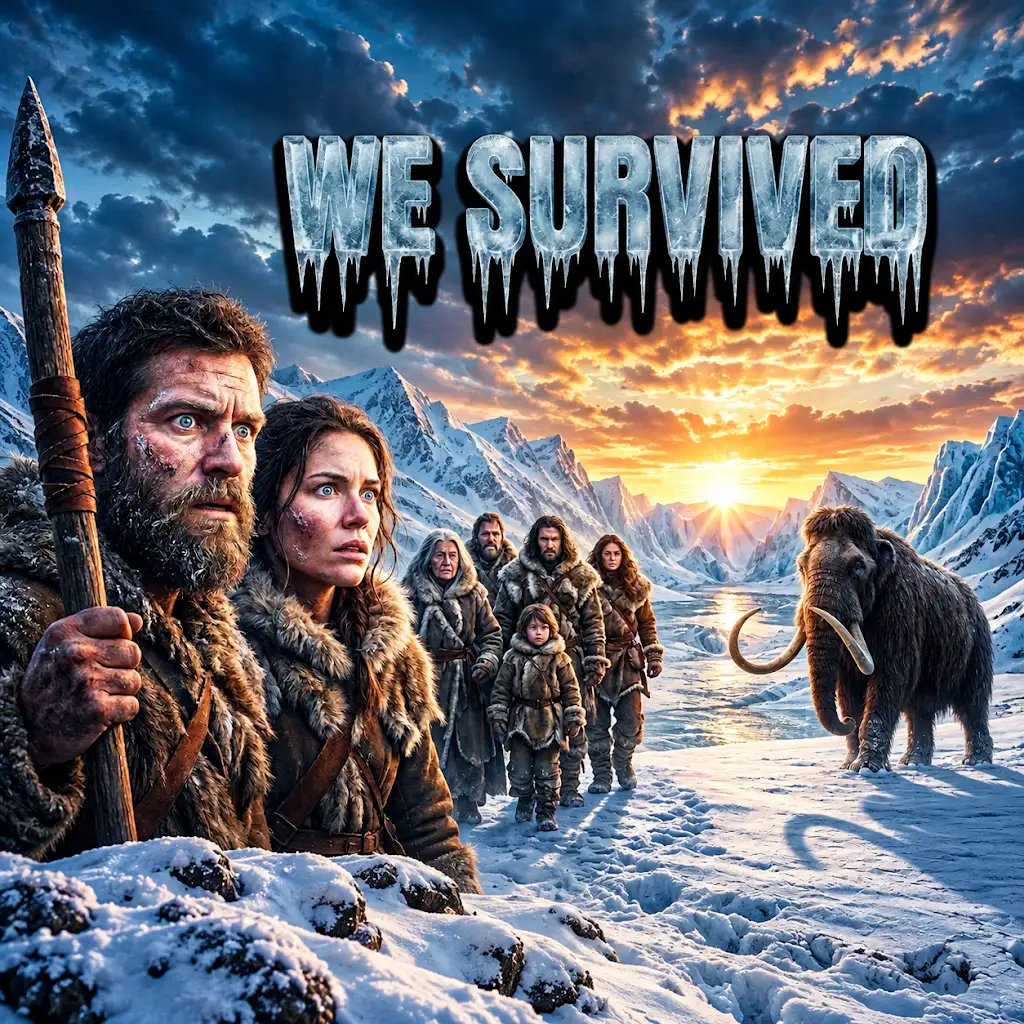
20,000 Years Ago | The Coldest Journey in Human History
FAQs
What evidence suggests that prehistoric families bonded and survived together?
Archaeological findings such as shared burial sites, tools, and food sources indicate that prehistoric families lived and worked together, supporting each other in survival.
How did prehistoric families communicate and express emotions?
Prehistoric families likely communicated through gestures, facial expressions, and vocalizations. They may have used body language and touch to express emotions such as love, fear, and sadness.
What role did children play in prehistoric family units?
Children in prehistoric families likely helped with tasks such as gathering food, caring for younger siblings, and learning essential survival skills from their parents and older family members.
Were prehistoric families nomadic or did they settle in one location?
Prehistoric families were often nomadic, following food sources and seasonal changes. However, some evidence suggests that certain groups may have settled in specific locations for longer periods of time.
How did prehistoric families deal with challenges such as natural disasters and predators?
Prehistoric families likely relied on their collective knowledge and skills to protect themselves from natural disasters and predators. They may have developed strategies for shelter, defense, and escape to ensure their survival as a family unit.