
The world 20,000 years ago was a realm of stark beauty and formidable challenges. This was the heart of the Last Glacial Maximum, a period when colossal ice sheets, kilometers thick, sprawled across vast swathes of the Northern Hemisphere, fundamentally reshaping the planet’s geography and climate. For early humans, survival was a daily, intricate dance with an unforgiving environment, a testament to their ingenuity, resilience, and profound connection to the natural world. They were not passive observers but active participants, carving out existence in a landscape sculpted by ice and fire, a world that demanded constant adaptation and intimate knowledge of its rhythms.
The Frozen Frontier: The Ice Age Environment
Twenty thousand years ago, the Earth’s climate was dramatically different from the one modern humans experience. The dominant feature of this era was the presence of massive continental ice sheets, extending from the Arctic southwards across North America, Europe, and Asia. These frozen titans exerted an immense influence on global temperatures, sea levels, and weather patterns. The sheer volume of water locked up in ice caused global sea levels to drop by as much as 120 meters, exposing land bridges that facilitated human migration and drastically altering coastlines.
Global Climate and Geographic Impact
The presence of such extensive glaciation meant that much of the planet was significantly colder than it is today. Average global temperatures were likely several degrees Celsius lower, with polar and mid-latitude regions experiencing much more extreme cold. This frigid climate had a profound impact on vegetation zones. Forests in many areas were pushed southwards, replaced by vast expanses of tundra and steppe. These open landscapes, though seemingly barren, supported a rich diversity of cold-adapted flora and fauna, forming the ecological foundation for human survival. The wind-swept plains, often referred to as the Mammoth Steppe, were characterized by grasses, sedges, and dwarf shrubs, able to withstand the harsh conditions. While some regions were blanketed in ice, others, particularly in the more southerly latitudes and protected valleys, still supported forests and woodlands, offering refuge and resources. The creation of these distinct ecological zones meant that human groups had to navigate a mosaic of environments, each with its own unique set of challenges and opportunities. The vastness of the ice sheets also influenced atmospheric circulation, leading to drier conditions in many continental interiors and more pronounced monsoonal systems in other regions. Understanding these complex climatic shifts is crucial to comprehending the adaptive strategies employed by early human populations.
Megafauna: The Giants of the Pleistocene
The Pleistocene epoch, often called the “Ice Age,” is synonymous with the reign of megafauna – enormous animals that roamed the Earth. These creatures were not merely impressive in size; they were integral to the ecosystem and the survival strategies of early humans. The Mammoth Steppe, for instance, was the domain of the woolly mammoth, a shaggy herbivore that stood as tall as a modern elephant. These animals were a vital source of food, clothing, shelter, and tools for prehistoric peoples. Their thick hides provided protection from the cold, their bones and tusks were fashioned into tools, weapons, and even building materials, and their meat offered sustenance. Alongside mammoths, other iconic megafauna included the woolly rhinoceros, with its distinctive double horns, and the giant deer, Megaloceros, boasting antlers that could span several meters. In North America, the plains were home to the American mastodon, the sabre-toothed cat Smilodon, and the short-faced bear Arctodus simus. These formidable predators, while posing a threat, also presented opportunities for skilled hunters. The existence of such a diverse array of large animals was a direct consequence of the abundant vegetation supported by the steppe environment and the relatively stable, albeit cold, climatic conditions. The interactions between early humans and these giants were complex, involving a blend of awe, fear, and calculated risk. Evidence from kill sites, tool marks on bones, and cave art suggests that humans were adept at hunting these creatures, often employing cooperative strategies and specialized tools. The decline of many of these megafauna species towards the end of the Pleistocene, a process known as the Quaternary extinction event, would have had profound implications for the surviving human populations, forcing further adaptations and shifts in their subsistence strategies.
Life twenty thousand years ago was marked by the challenges of survival in a world dominated by ice ages and shifting climates. Early humans relied on hunting and gathering, developing tools and social structures to adapt to their environment. For a deeper understanding of the innovations and technologies that emerged during ancient times, you can explore the article titled “Uncovering Ancient Tech: Lost Civilizations & Innovations” at this link: Uncovering Ancient Tech: Lost Civilizations & Innovations. This article delves into the advancements made by early societies and how they laid the groundwork for future civilizations.
The Human Vanguard: Early Hominin Survival
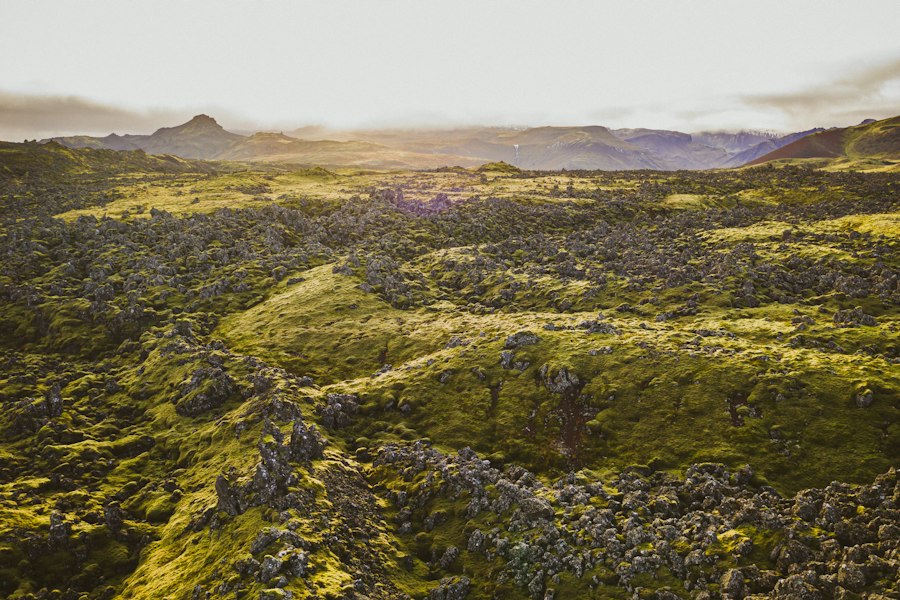
Twenty thousand years ago, Homo sapiens were the sole surviving hominin species, having outcompeted or outlasted other human lineages like Neanderthals and Denisovans. These early modern humans were characterized by their remarkable adaptability, cognitive abilities, and complex social structures, which allowed them to thrive in a world that would have been inhospitable to less resourceful species. Their survival was a testament to a suite of finely tuned behaviors and innovations.
Ingenuity and Toolmaking Innovations
The survival of early humans was inextricably linked to their remarkable ability to innovate and create sophisticated tools. These tools were not just simple implements; they were extensions of the human body and mind, allowing them to manipulate their environment and exploit resources more effectively. The development of the “blades and burins” technique, characterized by the production of long, thin stone flakes (blades) and specialized chisel-like tools (burins), marked a significant advancement. Blades could be hafted onto spears for hunting or used as knives for processing hides and meat. Burins were crucial for engraving bone, ivory, and antler, leading to the creation of more complex tools, such as needles, awls, and harpoons, as well as the earliest forms of symbolic art. The creation of composite tools, where different materials were combined, further enhanced their functionality. For example, stone points were attached to wooden shafts to create spears, and bone needles allowed for the sewing of more tailored and warm clothing from animal hides. The mastery of fire was another fundamental technological achievement. Fire provided warmth, allowing humans to inhabit colder regions and survive longer nights; it enabled them to cook food, making it more digestible and unlocking more nutrients; and it served as a vital tool for protection against predators and for shaping tools and weapons. Evidence of hearths and controlled burning sites scattered across their territories attests to their proficiency in managing this crucial resource. Furthermore, the development of shelters, often utilizing natural features like caves and rock overhangs, or constructing temporary structures from animal hides, bones, and wood, provided essential protection from the elements.
Diet and Subsistence Strategies
The diet of early humans was diverse and opportunistic, reflecting the available resources in their specific environments. While the dominant image is of hunters of megafauna, their subsistence was more nuanced and often involved a combination of hunting, fishing, and gathering. In regions where large game was plentiful, such as the Mammoth Steppe, hunting formed a significant part of their diet. This involved skilled tracking, coordinated group efforts, and the use of projectile weapons like spears and atlatls (spear-throwers) to bring down large animals. The processing of these kills was thorough, with virtually every part of the animal utilized – meat for sustenance, fat for fuel and nutrition, bones and hides for tools and clothing, and sinews for cordage. However, relying solely on large game was precarious, and human groups practiced a flexible foraging strategy. When large game was scarce or unavailable, they would turn to smaller animals – birds, rabbits, rodents – and fish. Evidence of fish traps, nets, and bone gorges suggests sophisticated fishing techniques were employed, particularly in coastal and riverine areas. Gathering played an equally vital role, providing essential vitamins, minerals, and carbohydrates. This included a wide array of edible plants, roots, berries, nuts, and seeds. The knowledge of which plants were edible, medicinal, or poisonous was accumulated over generations and passed down through oral traditions, a critical component of their survival. This broad-spectrum approach to resource acquisition allowed early humans to adapt to a variety of ecological niches and overcome periods of scarcity. The seasonality of resources also dictated their movements, with groups likely following animal migrations or moving to areas where particular plants were in season.
The Nomadic Life: Human Migration and Settlement Patterns
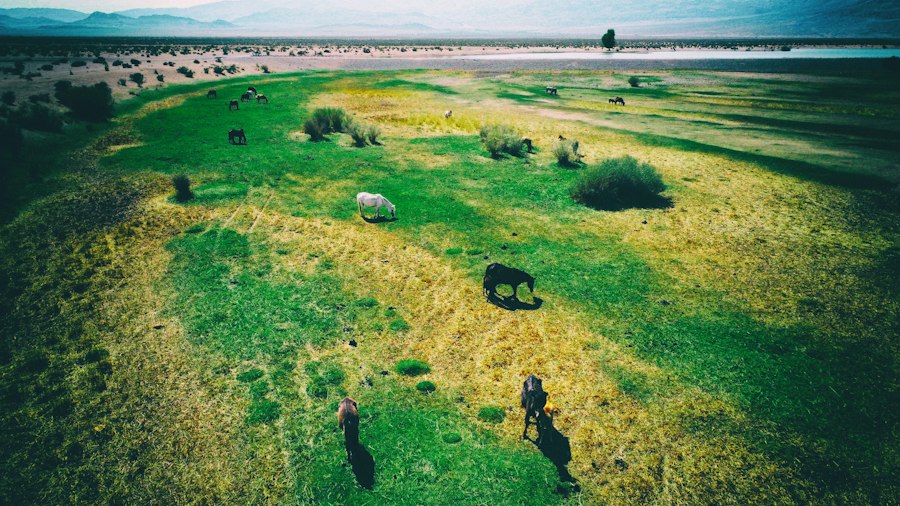
Twenty thousand years ago, human populations were largely nomadic or semi-nomadic, following resource availability across vast territories. Their settlement patterns were dictated by the seasonal movements of game, the availability of water, and the presence of natural shelters. These patterns reflect a deep understanding of their environment and a sophisticated ability to adapt to changing conditions.
Following the Herds: Mobility and Resource Tracking
The nomadic lifestyle of early humans was fundamentally driven by the need to follow food sources. The great herds of migrating herbivores, such as mammoths, reindeer, and bison, were the lynchpins of their subsistence. Understanding the migratory routes and seasonal movements of these animals was a skill honed over millennia. This knowledge allowed human groups to anticipate where food would be available and to position themselves to exploit these opportunities. Their mobility was not haphazard; it was strategic. They likely moved in cycles, returning to favored hunting grounds or rich gathering areas at specific times of the year. This movement was facilitated by their ability to carry their essential belongings and to construct temporary shelters. The development of portable shelters, such as tents made from animal hides stretched over frames of wood or bone, allowed them to establish temporary camps in strategically advantageous locations. These camps might be situated near water sources, along migration routes, or in areas with abundant plant resources. The tracking of game also involved an intimate knowledge of animal behavior, the landscape, and even the weather. A sudden shift in wind direction, the subtle disturbance of vegetation, or the presence of specific animal tracks would all be interpreted by experienced hunters and trackers. This constant movement and tracking meant that human populations were widely dispersed, with distinct groups occupying different territories. However, this dispersal did not necessarily imply isolation. Evidence suggests that intergroup interactions, including trade and social exchanges, did occur, facilitated by their mobility.
Seasonal Camps and Durable Shelters
While nomadic, early humans did not live in constant flux. Their movements were often structured around seasonal cycles, leading to the establishment of seasonal camps. These camps, while temporary, were not rudimentary. They often reflected a degree of planning and adaptation to the specific environment and the duration of their stay. In areas with abundant resources and favorable natural shelter, such as caves or rock overhangs, these seasonal camps could be occupied for extended periods, sometimes for generations. In such locations, evidence of repeated occupation, such as hearths, discarded tools, and midden piles (accumulations of waste), can be found. For example, cave sites across Europe and Asia have revealed the rich archaeological records of Upper Paleolithic peoples who utilized these natural shelters as base camps. These were not just places to sleep; they were centers of activity, where food was processed, tools were made and repaired, and social life unfolded. In more open areas, when caves were not available, early humans constructed more elaborate temporary shelters. These could include structures made from mammoth bones, large pieces of animal hide, and branches, forming dome-like or semi-subterranean dwellings. The construction of these shelters required significant labor and cooperation, indicating a well-developed social organization. The choice of location for these seasonal camps was paramount. Proximity to water was essential, as was access to hunting grounds and gathering areas. Defense against predators and harsh weather was also a consideration. The presence of durable elements within these camps, such as stone hearths or post holes, provides archaeologists with invaluable insights into the lives of these ancient peoples. The careful selection and utilization of these sites demonstrate a deep understanding of the landscape and a pragmatic approach to survival.
The Dawn of Culture: Art, Beliefs, and Social Structures
Beyond the pragmatic necessities of survival, 20,000 years ago, early humans were developing complex cultural expressions, demonstrating a capacity for abstract thought, symbolic representation, and a rich inner life. This period witnessed the flourishing of early art, the emergence of complex belief systems, and the development of sophisticated social structures.
The Language of Caves: Paleolithic Art
The caves of Europe, such as Lascaux in France and Altamira in Spain, offer a breathtaking window into the artistic prowess of Upper Paleolithic humans. These stunning depictions of animals – horses, bison, deer, and mammoths – are not mere decorative murals; they are considered to be among the earliest forms of human art, dating back tens of thousands of years. The skill with which these animals are rendered, capturing their movement, form, and even their spirit, is remarkable. The pigments used, derived from ochre, charcoal, and other natural minerals, have retained their vibrancy for millennia. The placement of these artworks, often deep within caves, inaccessible and in total darkness, suggests a ritualistic or spiritual significance. Theories abound regarding the purpose of this art. Some scholars propose it served as hunting magic, intended to ensure successful hunts. Others suggest it was a form of storytelling, a way to record ancestral knowledge or transmit myths. Still others believe it was a manifestation of shamanistic practices, where the caves served as sacred spaces for spiritual journeys and communication with the spirit world. Beyond cave paintings, early humans also created portable art. This includes intricately carved figurines, such as the famous Venus figurines, which are often interpreted as symbols of fertility. Bone and ivory objects were also engraved with geometric patterns and animal depictions, demonstrating a developed aesthetic sense and a desire to imbue their tools and personal belongings with meaning. This artistic explosion signifies a leap in cognitive abilities, indicating that early humans possessed the capacity for symbolic thought, imagination, and a desire to communicate and express themselves beyond the immediate needs of survival.
Mysteries of the Spirit: Early Belief Systems
The spiritual lives of early humans remain largely enigmatic, pieced together through interpretations of their material culture and burial practices. However, the evidence points towards the existence of complex belief systems and a nascent understanding of the world beyond the tangible. Burial rituals, for instance, offer profound insights. The deliberate interment of the dead, often with grave goods such as tools, ornaments, and even animal remains, suggests a belief in an afterlife or a spiritual realm. The presence of ochre in burials, a substance often associated with blood and life, further supports this idea. Some burials are adorned with beads or shells, indicating a concern for the deceased’s appearance in the next world. The practice of placing individuals in specific positions, such as the flexed or fetal position, may symbolize a return to the womb or a cyclical understanding of life and death. The artistic expressions themselves, as mentioned earlier, likely held deep spiritual or ritualistic meaning. The awe-inspiring depictions of animals in caves could have been part of ceremonies aimed at appeasing animal spirits, ensuring their cooperation in hunts, or facilitating communication with totemic ancestors. The development of rudimentary forms of ritualistic behavior, evidenced by fire pits and arranged stones, also hints at a desire to connect with supernatural forces. While we cannot definitively reconstruct their myths or cosmologies, it is clear that early humans were not simply concerned with the material world. They grappled with fundamental questions of existence, mortality, and their place within the cosmos, laying the groundwork for the diverse spiritual traditions that would evolve over millennia.
The Fabric of Society: Kinship and Cooperation
Survival in the harsh Ice Age environment necessitated strong social bonds and cooperative endeavors. Early human societies were likely structured around kinship groups – families and extended clans. These groups provided essential mutual support, sharing resources, defending against threats, and raising the next generation. The cooperative nature of hunting large game, as previously discussed, is a prime example of this social cohesion. Such hunts required coordinated action, communication, and trust among individuals. Child-rearing was a collective responsibility, with elders and other members of the group playing a role in educating the young about survival skills, knowledge of the environment, and social norms. The transmission of knowledge, from toolmaking techniques to the identification of edible plants and the understanding of animal behavior, was primarily oral. This reliance on oral tradition underscores the importance of social interaction and shared experience in the perpetuation of their culture. Evidence of long-distance trade networks, indicated by the presence of exotic materials like shells or specific types of stone far from their original source, suggests that intergroup interactions extended beyond immediate kin. These exchanges could have facilitated the spread of new technologies, ideas, and even the formation of alliances. While evidence for formal leadership structures is scarce, it is probable that individuals with exceptional skills, such as master hunters, skilled toolmakers, or wise elders, held positions of influence within their communities. The social fabric of these early human societies was woven from threads of kinship, cooperation, and the shared inheritance of knowledge and traditions, enabling them to navigate the challenges of their world.
Life twenty thousand years ago was vastly different from today, characterized by a nomadic lifestyle where early humans relied on hunting and gathering for survival. During this time, significant advancements in tool-making and social organization began to emerge, laying the groundwork for future civilizations. For those interested in how ancient cultures interacted with their environment, a fascinating read is available in this article about the Nabta Playa stone circle, an ancient astronomical marvel that showcases the ingenuity of early societies. You can explore it further by visiting this link.
Resilience in the Face of Change: Adaptation and the Future
| Aspect | Description | Estimated Data / Metrics |
|---|---|---|
| Time Period | Approximate era twenty thousand years ago | ~18,000 BCE (Late Upper Paleolithic) |
| Climate | Global climate conditions | Last Glacial Maximum (cold, dry, ice sheets covering large parts of North America and Europe) |
| Human Population | Estimated global human population | ~1 to 10 million people |
| Human Lifestyle | Primary subsistence and social organization | Hunter-gatherers, small nomadic groups, use of stone tools |
| Technology | Tools and innovations | Advanced stone tools, bone and antler implements, early art (cave paintings) |
| Fauna | Animals commonly found and hunted | Mammoths, woolly rhinoceroses, reindeer, bison, horses |
| Flora | Vegetation types | Tundra, steppe grasses, sparse forests in some regions |
| Geography | Land features and sea levels | Lower sea levels by ~120 meters, land bridges such as Beringia connecting Asia and North America |
| Cultural Evidence | Artifacts and symbolic behavior | Cave paintings (e.g., Lascaux), personal ornaments, burial sites |
Twenty thousand years ago, the world was in a constant state of flux. The retreating and advancing ice, shifting coastlines, and evolving ecosystems demanded an extraordinary level of resilience and adaptability from early humans. Their ability to not only survive but to thrive in such dynamic conditions laid the foundation for the future of humanity.
Responding to Environmental Shifts
The Last Glacial Maximum was not a static period. While the ice sheets were dominant, there were fluctuations in climate, with warmer interstadial periods interspersed with colder stadials. These shifts had a direct impact on the availability of resources and the geographical distribution of both human populations and their prey. Early humans demonstrated remarkable flexibility in their responses to these environmental changes. When glaciers retreated, opening up new territories, they were able to expand their range. Conversely, during periods of intense cold and ice expansion, they would retreat to more favorable refugia or adapt their subsistence strategies to exploit the resources available in colder, more arid environments. The understanding of these cycles and the ability to adjust their movements and resource acquisition accordingly were critical to their long-term survival. For example, as glaciers advanced, forcing the southward migration of forests, human groups would have had to adapt their hunting practices, shifting from forest-dwelling animals to those of the steppe and tundra. The discovery of new food sources, perhaps previously unexploited smaller game or different plant species, would have been essential. This constant process of observation, learning, and adaptation allowed them to maintain their presence on the landscape despite profound environmental transformations. The development of more efficient hunting technologies, such as the atlatl, which increased projectile range and accuracy, would have been advantageous in a changing landscape. Likewise, improvements in shelter construction and clothing provided better protection against fluctuating temperatures.
The Legacy of Ice Age Innovations
The challenges of the Ice Age fostered innovations that had a profound and lasting impact on the trajectory of human evolution and civilization. The technologies developed for survival – sophisticated stone tools, bone needles for sewing warm clothing, the mastery of fire, and the construction of shelters – were the bedrock upon which future advancements would be built. The cognitive abilities that enabled the creation of complex art and symbolic representation laid the groundwork for the development of language, abstract thought, and cultural traditions that define humanity. Their deep understanding of the natural world, honed through millennia of observation and interaction, provided the foundation for future scientific inquiry and ecological knowledge. The nomadic lifestyle, while seemingly precarious, fostered resilience, resourcefulness, and a profound connection to the land. This period also saw the dispersal of Homo sapiens across vast continents, a testament to their migratory capabilities and their ability to adapt to incredibly diverse environments. The genetic diversity that emerged from these Ice Age migrations continues to shape human populations today. In essence, the Ice Age was not merely a period of hardship but a crucial crucible in which the defining characteristics of modern humanity were forged. The resilience, ingenuity, and cultural richness that emerged from this frozen world are a testament to the enduring spirit of human adaptation and innovation, a legacy that continues to inform our understanding of who we are and where we came from. The world 20,000 years ago, though vastly different from our own, was the cradle of much that we consider quintessentially human.

20,000 Years Ago | The Coldest Journey in Human History
FAQs
1. What was the climate like 20,000 years ago?
Twenty thousand years ago, the Earth was in the midst of the last glacial period, also known as the Ice Age. This period was characterized by much colder temperatures, extensive ice sheets covering large parts of the planet, and lower sea levels.
2. What kind of animals lived during this time?
During this time, large mammals such as woolly mammoths, saber-toothed cats, giant ground sloths, and woolly rhinoceroses roamed the Earth. Many of these animals were well adapted to the cold climate of the Ice Age.
3. How did early humans survive 20,000 years ago?
Early humans living 20,000 years ago were hunter-gatherers who relied on hunting animals such as mammoths, bison, and deer, as well as gathering plants for food. They also used tools made from stone, bone, and wood to help them survive in their environment.
4. What was the social structure like for early humans 20,000 years ago?
Early humans living 20,000 years ago likely lived in small, nomadic groups of hunter-gatherers. These groups would have had social structures based on kinship ties, with individuals working together to hunt, gather, and survive in their challenging environment.
5. How did early humans communicate and express themselves 20,000 years ago?
Early humans living 20,000 years ago would have communicated through spoken language, gestures, and possibly early forms of art such as cave paintings. These forms of communication would have been essential for sharing knowledge, coordinating hunts, and expressing cultural beliefs and practices.