The windswept peaks and shadowed valleys of Earth’s mountain ranges have long served as formidable barriers, yet they also hold an extraordinary secret: they are silent chronicles of humanity’s earliest journeys. Tracing prehistoric human migration across these rugged terrains presents a unique and complex puzzle for archaeologists, paleoanthropologists, and geneticists. These lofty landscapes, characterized by extreme altitudes, challenging weather, and limited resources, would have demanded remarkable adaptability, ingenuity, and resilience from our ancestors. Understanding how early hominins navigated these formidable environments offers profound insights into the cognitive and technological advancements that enabled our species to colonize vast swathes of the planet. The very features that make mountainous regions daunting – their inaccessibility, their often-preserved geological and fossil records, and their ability to isolate populations – also make them crucial for piecing together the intricate tapestry of human dispersal.
Peaks as Pathways and Barriers
The very nature of mountainous terrains dictates their dual role in human migration. On one hand, they represent formidable obstacles, requiring specialized knowledge and strategies to traverse. Steep gradients, treacherous cliffs, unpredictable weather patterns, and a scarcity of arable land and readily available food sources would have significantly slowed or even halted the movement of early human groups. Yet, paradoxically, these same features could also funnel migration routes, creating natural corridors or pathways. Rivers, carved by millennia of glacial melt and rainfall, often carve paths through mountain ranges, providing not only potential travel routes but also sources of water and sustenance. The lower valleys and foothills, while still challenging, offered more hospitable conditions than the highest altitudes, acting as stepping stones for gradual ascent and descent. The geological history of mountain formation also plays a critical role. Uplift, erosion, and glaciation have shaped the landscape over millions of years, creating a dynamic environment that influenced both the availability of resources and the ease of movement.
The Altitudinal Divide
The impact of altitude on early human physiology and behavior cannot be overstated. Hominins originating from lower elevations would have faced significant physiological challenges upon entering high-altitude environments. Reduced oxygen levels, extreme temperature fluctuations, and the need to adapt to different flora and fauna would have necessitated rapid acclimatization or genetic adaptation over generations. Evidence suggests that early humans likely followed lower-altitude valleys and passes, gradually ascending as they became more accustomed to the conditions or as technological advancements, such as improved shelter and clothing, allowed for greater resilience. The presence of archaeological sites at varying altitudes can provide clues about the altitudinal limits of human habitation and movement during different prehistoric periods. For instance, the discovery of tool assemblages in higher mountain valleys, even if sparser than those found at lower elevations, indicates a capacity for sustained presence and exploitation of these resources.
Riverine Arteries and Glacial Highways
Waterways, particularly major river systems that originate in mountainous regions, often serve as natural highways for both animal and human migration. These rivers provided consistent water sources, facilitated hunting by attracting game, and offered relatively predictable travel routes, especially in their upper reaches where they often follow gentler gradients before plunging into gorges. The exploration of river valleys within mountain ranges can reveal a concentration of prehistoric settlements and artifact scatters, suggesting their importance as migration corridors. Similarly, during periods of glacial expansion, ice sheets and glaciers would have dramatically altered the landscape, potentially creating temporary land bridges or impassable frozen barriers. The retreat of these glaciers, however, could have exposed new routes and resources, influencing subsequent migration patterns. Understanding glacial cycles and their impact on landscape accessibility is therefore crucial for reconstructing migration routes in formerly glaciated mountain regions.
The study of prehistoric human migration across mountains has long fascinated researchers, as it sheds light on the adaptive strategies of early humans in challenging environments. A related article that delves into the complexities of ancient navigation and mapping is available at this link: Debunking the Piri Reis Map: A Scientific Rebuttal. This article explores the historical context of ancient maps and their implications for understanding how early humans may have traversed difficult terrains, including mountains, during their migrations.
Evidence in Stone and Bone
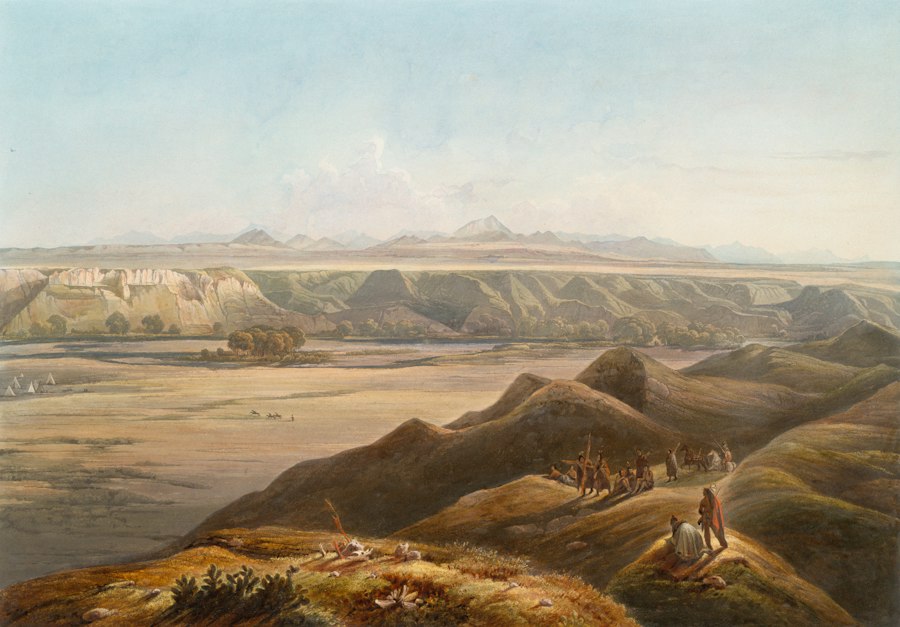
The tangible remnants of prehistoric human activity found within mountainous terrains are the bedrock of our understanding of their movements. Stone tools, hearths, skeletal remains, and rock art offer direct evidence of presence, activities, and even genetic relationships. The distribution and types of artifacts can reveal patterns of resource utilization, settlement choices, and the technological capabilities of migrating groups. The scarcity of organic materials in many mountainous environments means that stone tools often become the primary indicators of past human presence, requiring careful analysis of their material sourcing, manufacturing techniques, and stylistic variations to trace their origins and movements.
Lithic Signposts of Movement
The study of lithic artifacts – stone tools – is fundamental to understanding prehistoric migration. The raw materials used to manufacture these tools, such as chert, obsidian, and various types of quartz, often originate from specific geological formations. By analyzing the chemical and physical properties of these materials and comparing them to known geological sources, researchers can determine the distances that tools or their raw materials were transported. This “provenance studies” can reveal long-distance trade networks or direct migration routes where communities carried their tools with them. The presence of specific tool types, such as projectile points or scrapers, can also indicate particular subsistence strategies or cultural affiliations, helping to link dispersed archaeological sites. For example, the discovery of a particular type of biface in a mountain valley hundreds of kilometers from its known source would strongly suggest a migratory pathway.
Skeletal Clues and Genetic Threads
Human skeletal remains, while less frequently preserved in mountainous environments due to challenging conditions, offer invaluable insights. The analysis of skeletal morphology can provide information about age, sex, diet, and even signs of stress or disease, all of which can inform our understanding of the challenges faced by migrating populations. More recently, ancient DNA (aDNA) analysis has revolutionized the study of human migration. By extracting DNA from fossilized bones and teeth, scientists can reconstruct the genetic lineages of ancient populations. This genetic data can reveal connections between geographically distant groups, identify ancestral populations, and even pinpoint specific migration events. Comparing aDNA from individuals found in different mountain ranges can illustrate whether these movements were part of a broader dispersal or isolated ventures. Furthermore, understanding genetic adaptations to high-altitude living can provide clues about the timing and extent of human presence in these environments.
Technological Adaptations for Upland Living

Surviving and thriving in mountainous terrains required significant technological innovation and adaptation. The harsh conditions necessitated the development of specialized tools, sophisticated shelter construction techniques, and effective strategies for food acquisition and preservation. The ability to overcome the challenges posed by extreme temperatures, limited visibility, and difficult terrain directly influenced the success and direction of prehistoric migrations. The very presence of human groups in higher altitudes is a testament to their ingenuity and their capacity to develop solutions for survival in seemingly inhospitable environments.
Hearth and Shelter: Fortifying Against the Elements
The construction of robust shelters and the mastery of fire were paramount for survival in mountainous regions. Archaeological evidence of hearths, including charcoal deposits and fire-cracked stones, indicates the presence of human groups and provides insights into their heating and cooking practices. The location of these hearths, whether in caves, rock shelters, or constructed dwellings, can reveal preferred settlement strategies and the degree of environmental exploitation. Evidence of more complex shelter construction, such as the building of stone walls or the use of natural features for insulation, demonstrates a sophisticated understanding of the local environment and the development of techniques to mitigate the effects of cold and wind. The presence of these features at higher altitudes suggests that early humans were not merely passing through but establishing more sustained presences.
Tools for a Rugged Existence
The toolkit of prehistoric mountaineers would have been tailored to the demands of their environment. While general-purpose tools like scrapers and awls would still be essential, specialized implements for hunting mountain game, processing tough plant materials, and navigating treacherous terrain would have been crucial. The development of hafting techniques to create composite tools, such as spear throwers or axes, would have increased efficiency and power. The use of bone, antler, and wood in toolmaking, in addition to stone, would have expanded the range of available materials and functionalities. Furthermore, evidence of specialized projectile points adapted for hunting agile mountain animals, or tools designed for working with hides and furs to create warmer clothing, would signify a clear adaptation to upland living and the exploitation of its unique resources.
Navigating the Vertical Landscape
The actual paths taken by prehistoric peoples across mountain ranges were not random wanderings but strategic movements guided by a deep understanding of the landscape. Factors such as water availability, seasonal resource abundance, and the presence of natural corridors played a significant role in shaping migration routes. The ability to read the terrain, predict weather patterns, and identify safe passage would have been critical skills for successful traversal. The study of paleoclimates and paleogeography is essential for reconstructing these routes, as it helps to understand the environmental conditions that early humans would have encountered.
Following Water and Game
Water sources, whether rivers, streams, or mountain springs, would have been a primary draw for both humans and the animals they hunted. Migration routes often followed these aquatic arteries, providing a continuous supply of water and attracting game. Seasonal availability of water would have dictated movement patterns, with groups likely following the receding snowmelt in spring and seeking out reliable sources during drier periods. Similarly, the migration patterns of large herbivores, such as ibex, wild sheep, or deer, would have influenced human movements. Prehistoric hunters would have likely followed these herds, especially during their seasonal movements through mountain passes and valleys. The discovery of animal bones in association with human artifacts at higher elevations can confirm these hunting strategies and the routes employed.
Passes, Valleys, and Ridgelines
The physical topography of mountain ranges offers natural pathways that would have been exploited by migrating hominins. Mountain passes, often the lowest points between peaks, would have served as critical crossing points, allowing for easier transit between adjacent valleys. The exploration of these passes often reveals concentrations of archaeological evidence, indicating their importance as migration corridors. Similarly, the extensive network of valleys within mountain ranges would have provided relatively sheltered areas for settlement and movement, connecting higher elevations with lower-lying regions. In some instances, ridgelines might have been used for travel, offering vantage points for observation and potentially less obstructed passage than dense forest valleys, though these routes would have been more exposed to the elements. The careful reconstruction of potential routes, considering factors like gradient, visibility, and proximity to resources, is a key aspect of tracing prehistoric mountain migration.
Recent studies have shed light on the fascinating patterns of prehistoric human migration across mountains, revealing how early humans adapted to challenging terrains in search of resources and new habitats. This research not only enhances our understanding of human resilience but also connects to broader themes of survival and adaptation in history. For those interested in exploring the implications of historical decisions on human behavior, a related article discusses the impact of Executive Order 6102 on American society, which can be found here.
The Lingering Echoes of Ancient Journeys
| Metric | Description | Estimated Value | Significance |
|---|---|---|---|
| Time Period | Approximate era of migration across mountain ranges | 50,000 – 10,000 years ago | Marks the Late Pleistocene to early Holocene migrations |
| Mountain Range | Major mountain ranges crossed by prehistoric humans | Himalayas, Andes, Alps, Caucasus | Key natural barriers influencing migration routes |
| Altitude Range | Typical elevation range humans crossed during migration | 1,500 – 4,500 meters above sea level | Indicates adaptation to hypoxic conditions |
| Migration Speed | Estimated average rate of movement across mountainous terrain | 5 – 15 km/year | Reflects challenges of terrain and climate |
| Genetic Markers | Key genetic evidence supporting mountain migration | EPAS1 gene variant, mtDNA haplogroups M and N | Shows adaptation to high altitude and migration patterns |
| Tool Technology | Stone tool types associated with mountain migration | Levallois technique, blade tools | Indicates cognitive and cultural adaptation |
| Climate Conditions | Environmental conditions during migration periods | Glacial and interglacial cycles, cold and arid | Influenced migration timing and routes |
The study of prehistoric human migration across mountainous terrains continues to evolve, with new discoveries and technological advancements constantly refining our understanding. The challenges are immense, from the inherent difficulties of excavating in remote and rugged locations to the complexities of interpreting sparse and fragmented evidence. However, the insights gained are invaluable, offering a glimpse into the remarkable resilience, adaptability, and exploratory spirit of our ancestors. As we delve deeper into the geological and archaeological records of these lofty landscapes, we uncover not just the paths they took, but also the fundamental drivers of human dispersal and the enduring legacy of their ancient journeys that continue to shape our present. The mountains, once seen as insurmountable barriers, are now increasingly understood as crucibles of human innovation and expansion, silent witnesses to the indomitable urge to explore and to survive against all odds.
Ongoing Research and Future Frontiers
The field of prehistoric mountain migration is dynamic, with ongoing research in various regions globally, from the Himalayas and the Andes to the Alps and the Tian Shan. Advances in remote sensing technologies, such as lidar, are allowing researchers to map previously inaccessible terrain and identify potential archaeological sites from afar. The application of isotopic analysis, examining elements like strontium and oxygen in skeletal remains and artifacts, can provide further clues about the origins and movements of individuals and materials. Future research will likely focus on integrating these diverse data streams – archaeological, genetic, geological, and climatological – to create more comprehensive models of prehistoric migration. Furthermore, the exploration of understudied mountain ranges and the application of novel analytical techniques will undoubtedly uncover new evidence and challenge existing hypotheses, pushing the boundaries of our knowledge about humanity’s earliest explorations of the vertical world. The story of human migration is far from complete, and the mountains hold many more secrets waiting to be revealed.

20,000 Years Ago | The Coldest Journey in Human History
FAQs
1. How did prehistoric humans navigate across mountains during migration?
Prehistoric humans likely used a combination of natural landmarks, such as rivers and mountain peaks, as well as celestial navigation by observing the sun, moon, and stars to guide their way across mountains.
2. What challenges did prehistoric humans face when crossing mountains?
Some challenges prehistoric humans faced when crossing mountains included harsh weather conditions, steep terrain, lack of food and water sources, and potential encounters with dangerous animals.
3. Did prehistoric humans develop specific tools or techniques to aid in mountain migration?
Prehistoric humans likely developed tools such as ropes, walking sticks, and makeshift shelters to assist in mountain migration. They may have also used fire to keep warm and scare off predators.
4. How did mountain migration impact prehistoric human populations?
Mountain migration allowed prehistoric humans to access new resources, expand their territories, and interact with different groups of people. It also led to the exchange of ideas, technologies, and genetic diversity among populations.
5. What evidence supports the theory of prehistoric human migration across mountains?
Archaeological findings, such as ancient tools and artifacts discovered in mountainous regions, as well as genetic studies tracing human migration patterns, provide evidence supporting the theory of prehistoric human migration across mountains.