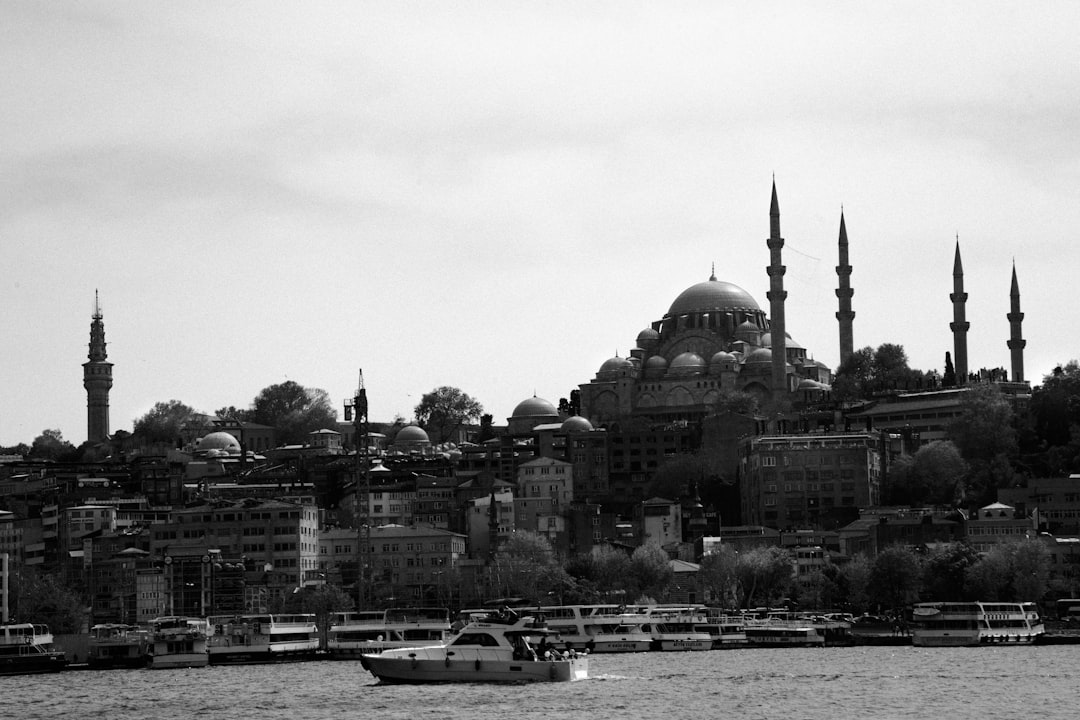
The Ottoman Empire, a formidable power that spanned over six centuries, emerged in the late 13th century and continued to influence vast regions until its dissolution in the early 20th century. Founded by Osman I in 1299, the empire began as a small principality in northwestern Anatolia and gradually expanded to encompass parts of Europe, Asia, and Africa. At its zenith in the 16th and 17th centuries, the empire was a melting pot of cultures, languages, and religions, showcasing a unique blend of Eastern and Western influences.
The Ottomans were not only known for their military prowess but also for their sophisticated administrative systems and rich cultural contributions. The empire’s strategic location at the crossroads of Europe and Asia facilitated trade and cultural exchange, making it a significant player in global affairs. The capital city of Istanbul, formerly known as Constantinople, became a vibrant hub of commerce and culture.
The Ottoman Empire’s legacy is complex, marked by both achievements and challenges, and its historical significance continues to be a subject of study and fascination for historians and scholars alike. Understanding the empire’s multifaceted nature requires delving into various aspects of its society, governance, military, economy, and culture.
Key Takeaways
- The Ottoman Empire was a vast and influential state with complex governance and rich cultural achievements.
- Compilation sources provide valuable insights into various aspects of Ottoman society, including military, economy, and religion.
- Ottoman military strategies and trade practices played key roles in the empire’s expansion and economic strength.
- Social structures, gender roles, and family dynamics reveal the intricate fabric of Ottoman daily life.
- The empire’s decline and legacy continue to impact modern societies, highlighting the importance of historical compilations for understanding its history.
Compilation Sources: What Are They?
Compilation sources refer to collections of historical documents, texts, and artifacts that provide insights into past societies and events. In the context of the Ottoman Empire, these sources are invaluable for reconstructing the empire’s history and understanding its complexities. They encompass a wide range of materials, including official records, personal letters, travel accounts, legal documents, and literary works.
These sources serve as windows into the lives of individuals and communities within the empire, offering perspectives that might otherwise be lost to time. The significance of compilation sources lies in their ability to present a multifaceted view of history. They allow historians to piece together narratives from different angles, revealing the interplay between various social, political, and economic factors.
For instance, legal documents can shed light on the administration of justice within the empire, while personal letters may provide insights into daily life and interpersonal relationships. By analyzing these diverse materials, scholars can construct a more nuanced understanding of the Ottoman Empire’s evolution over the centuries.
Insights into Ottoman Society
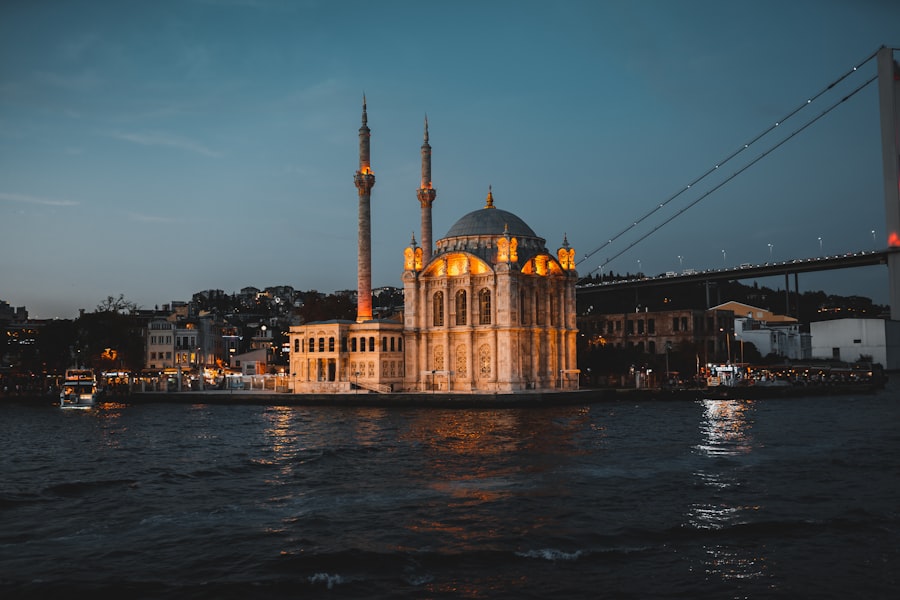
Ottoman society was characterized by its diversity and complexity. The empire was home to numerous ethnic groups, including Turks, Arabs, Greeks, Armenians, Jews, and many others. This multicultural tapestry contributed to a rich social fabric where different traditions and customs coexisted.
The millet system, which allowed various religious communities to govern themselves under their own laws while remaining loyal to the sultan, exemplified the empire’s approach to managing diversity.
Social stratification played a significant role in Ottoman society.
The elite class comprised the ruling family, high-ranking officials, military leaders, and wealthy merchants. In contrast, peasants and laborers formed the lower strata of society. Despite these divisions, there were opportunities for social mobility through education and military service.
The empire’s emphasis on meritocracy allowed individuals from humble backgrounds to rise through the ranks based on their abilities. This dynamic contributed to a vibrant society where talent could be recognized regardless of one’s origins.
Military and Warfare in the Ottoman Empire
The military was a cornerstone of the Ottoman Empire’s power and expansion. The Janissaries, an elite infantry corps composed primarily of Christian boys taken from their families through the devshirme system, played a crucial role in the empire’s military successes. Trained from a young age in both combat skills and loyalty to the sultan, these soldiers became instrumental in numerous conquests across Europe and Asia.
The Ottomans employed advanced military tactics and technologies, including gunpowder weaponry, which gave them a significant advantage over their adversaries. Warfare was not merely a means of territorial expansion; it also served as a tool for consolidating power within the empire. Successful military campaigns often led to increased prestige for the sultan and his administration.
However, as the empire expanded, it faced challenges in maintaining control over its vast territories. The logistics of governing diverse populations across such a wide expanse required innovative strategies and adaptations in military organization. The balance between offensive campaigns and defensive strategies became crucial as external threats emerged from rival powers.
Economic and Trade Practices
| Source Name | Type | Period Covered | Language | Notable Content | Location of Manuscripts |
|---|---|---|---|---|---|
| Tevârîh-i Âl-i Osman | Chronicle | 14th – 16th Century | Ottoman Turkish | Early Ottoman history and sultans | Topkapı Palace Museum Library |
| Şehname-i Selim Han | Epic Poem | 16th Century | Ottoman Turkish | Reign of Sultan Selim I | Süleymaniye Library, Istanbul |
| İbn Kemal’s Tarih-i Osmanî | Historical Compilation | 15th – 16th Century | Ottoman Turkish | Comprehensive Ottoman history | Various Ottoman archives |
| Evliya Çelebi’s Seyahatname | Travelogue | 17th Century | Ottoman Turkish | Descriptions of Ottoman lands and peoples | Multiple libraries including Süleymaniye |
| Râşid Efendi’s Tarih-i Râşid | Chronicle | 18th Century | Ottoman Turkish | Events of the 18th century Ottoman Empire | Ottoman Archives, Istanbul |
The economic foundation of the Ottoman Empire was built on agriculture, trade, and craftsmanship. The fertile lands of Anatolia and the Balkans produced a variety of crops that sustained both local populations and urban centers. The empire’s strategic location along key trade routes facilitated commerce between Europe and Asia.
Major cities like Istanbul became bustling marketplaces where goods from different regions converged. The Ottomans established trade agreements with various nations, enhancing their economic influence on a global scale. Craftsmanship also flourished within the empire.
Artisans produced exquisite textiles, ceramics, metalwork, and other goods that were highly sought after both domestically and internationally. The guild system played a vital role in regulating trade practices and ensuring quality standards among craftsmen. Additionally, the state imposed taxes on trade activities, which contributed to the empire’s revenue while also supporting public infrastructure projects such as roads and bridges that facilitated commerce.
Cultural and Artistic Achievements
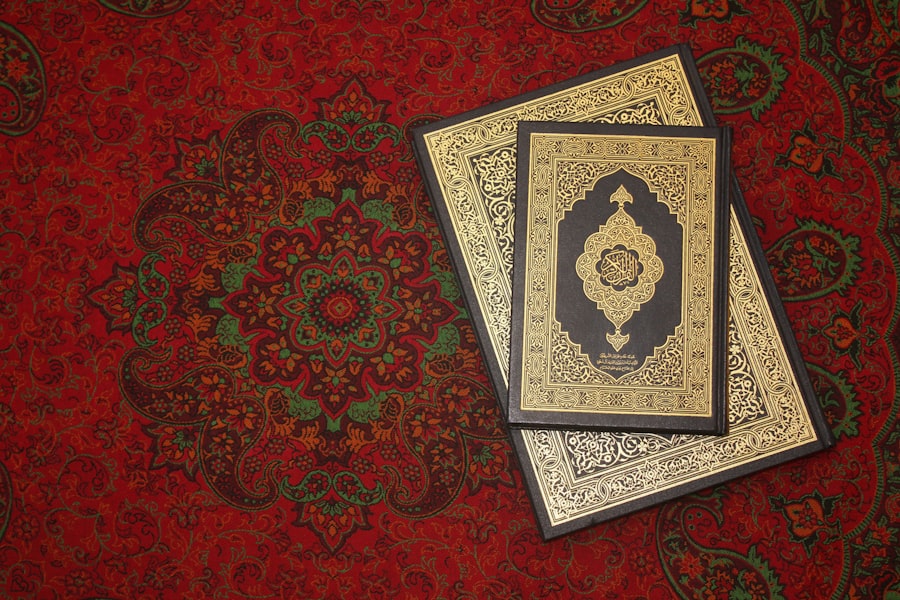
The cultural achievements of the Ottoman Empire are among its most enduring legacies. The empire was a patron of arts and architecture, leading to remarkable developments in various fields. Ottoman architecture is perhaps best exemplified by grand mosques such as the Hagia Sophia (converted into a mosque after the conquest of Constantinople) and the Blue Mosque in Istanbul.
These structures showcased intricate designs, stunning tile work, and innovative engineering techniques that left an indelible mark on architectural history. Literature also thrived during the Ottoman period. Poets like Baki and Nef’i contributed to a rich literary tradition that blended Persian influences with Turkish vernacular.
The empire’s embrace of diverse cultural expressions fostered an environment where literature flourished alongside music and visual arts. Calligraphy became an esteemed art form as well; skilled calligraphers created beautiful manuscripts that adorned religious texts and secular works alike. This cultural renaissance reflected not only the empire’s wealth but also its commitment to preserving and promoting artistic endeavors.
Governance and Administration
The governance structure of the Ottoman Empire was characterized by a centralized authority under the sultan while allowing for local autonomy through provincial governors known as beylerbeys or pashas. This dual system enabled effective administration across vast territories while accommodating local customs and practices. The legal framework was based on Islamic law (Sharia) supplemented by customary laws (kanun), creating a comprehensive legal system that addressed various aspects of life within the empire.
The devshirme system not only supplied soldiers but also provided talented individuals for administrative positions. These officials were often educated in state-run schools known as Enderun, where they received training in governance, military strategy, and diplomacy.
This meritocratic approach ensured that capable individuals were placed in positions of power regardless of their origins.
Religion and Religious Practices
Religion was central to life in the Ottoman Empire, shaping social norms and influencing governance. Islam served as both a unifying force among Muslims within the empire and a framework for legal systems governing daily life. The sultan held the title of caliph, positioning him as both a political leader and a spiritual authority over Muslims.
However, the empire was notable for its relative tolerance towards other religious communities; Christians and Jews were granted protection under Islamic law as “People of the Book.” Religious practices varied widely across different communities within the empire. Mosques served not only as places of worship but also as centers for education and social gatherings. Festivals marked significant religious occasions, fostering community bonds among diverse populations.
Sufi orders flourished during this period as well; their mystical practices attracted followers from various backgrounds seeking spiritual fulfillment beyond traditional religious observance.
Gender and Family Dynamics
Gender roles within Ottoman society were shaped by cultural norms influenced by Islamic teachings as well as local customs. Women occupied distinct roles within family structures; they were primarily responsible for managing households while men typically engaged in public life outside the home. However, women enjoyed certain rights under Islamic law regarding inheritance and property ownership that provided them with some degree of agency.
The harem system is often romanticized but reflects complex dynamics regarding gender relations within elite households. While it served as a space for women associated with powerful men—such as sultans or high-ranking officials—it also functioned as an institution where women could wield influence behind closed doors. Some women rose to prominence through political maneuvering or by acting as advisors to their male relatives; figures like Hürrem Sultan exemplify how women could navigate power structures within this patriarchal society.
Decline and Legacy of the Ottoman Empire
The decline of the Ottoman Empire began in earnest during the late 17th century due to various internal challenges such as administrative corruption, economic difficulties stemming from competition with European powers, and military defeats against rising nations like Russia and Austria-Hungary. The empire struggled to adapt to modernity while facing nationalist movements among its diverse populations seeking independence or autonomy. Despite its eventual dissolution after World War I in 1922—leading to the establishment of modern Turkey—the legacy of the Ottoman Empire endures today through cultural influences across multiple regions it once governed.
Architectural marvels remain prominent landmarks; culinary traditions continue to shape cuisines throughout Eastern Europe and the Middle East; linguistic contributions have left lasting imprints on languages spoken today.
Understanding the Ottoman Empire through Compilation Sources
In conclusion, understanding the Ottoman Empire requires an exploration of its multifaceted nature through compilation sources that illuminate various aspects of its history—from governance structures to cultural achievements. These sources provide invaluable insights into how diverse communities coexisted under imperial rule while navigating challenges posed by warfare or economic shifts over centuries. By examining these compilation sources critically—analyzing legal documents alongside literary works—scholars can construct nuanced narratives that reflect both triumphs and tribulations experienced by individuals living within this vast empire throughout its storied existence.
Ultimately, engaging with these materials fosters deeper appreciation for an era marked by complexity—a testament not only to human resilience but also creativity across cultures intertwined within one remarkable historical tapestry: The Ottoman Empire.
For those interested in exploring the rich history of Ottoman compilation sources, a related article can be found on the Real Lore and Order website. This article delves into the various texts and documents that have shaped our understanding of the Ottoman Empire. You can read more about it by visiting this link: Real Lore and Order.
WATCH THIS! 🗺️ The Map That Proves Humans Explored Earth 5,000 Years Too Early
FAQs
What are Ottoman compilation sources?
Ottoman compilation sources refer to collections of historical, legal, literary, or administrative texts compiled during the Ottoman Empire. These sources often include chronicles, official records, legal codes, and anthologies that provide valuable insights into the empire’s governance, culture, and society.
Why are Ottoman compilation sources important for historical research?
These sources are crucial because they offer primary information about the political, social, and economic aspects of the Ottoman Empire. They help historians understand the empire’s administration, legal system, cultural practices, and interactions with other regions.
In what languages are Ottoman compilation sources typically written?
Most Ottoman compilation sources are written in Ottoman Turkish, which uses a variant of the Arabic script. Some texts may also include Arabic and Persian, as these languages were commonly used in scholarly and official contexts within the empire.
Where can one find Ottoman compilation sources today?
Ottoman compilation sources are preserved in various archives, libraries, and museums around the world, including the Ottoman Archives in Istanbul, the Süleymaniye Library, and other national and university libraries. Many have been digitized and are accessible online through academic databases.
What types of documents are included in Ottoman compilation sources?
These compilations may include chronicles, imperial decrees (firmans), legal codes (kanunnames), tax registers (tahrir defterleri), court records (sicils), poetry anthologies, and religious texts, among others.
How do scholars approach the study of Ottoman compilation sources?
Scholars typically analyze these sources by translating and interpreting the texts, cross-referencing them with other historical documents, and placing them within the broader context of Ottoman and world history. Understanding the language, script, and historical background is essential for accurate analysis.
Are there challenges in using Ottoman compilation sources?
Yes, challenges include the complexity of the Ottoman Turkish language and script, the need for specialized paleographic skills, potential biases in the sources, and the fragmentary or deteriorated condition of some manuscripts.
Can Ottoman compilation sources provide information about everyday life in the empire?
Yes, many compilation sources, such as court records and tax registers, offer detailed information about the daily lives, social structures, economic activities, and local customs of people living in the Ottoman Empire.