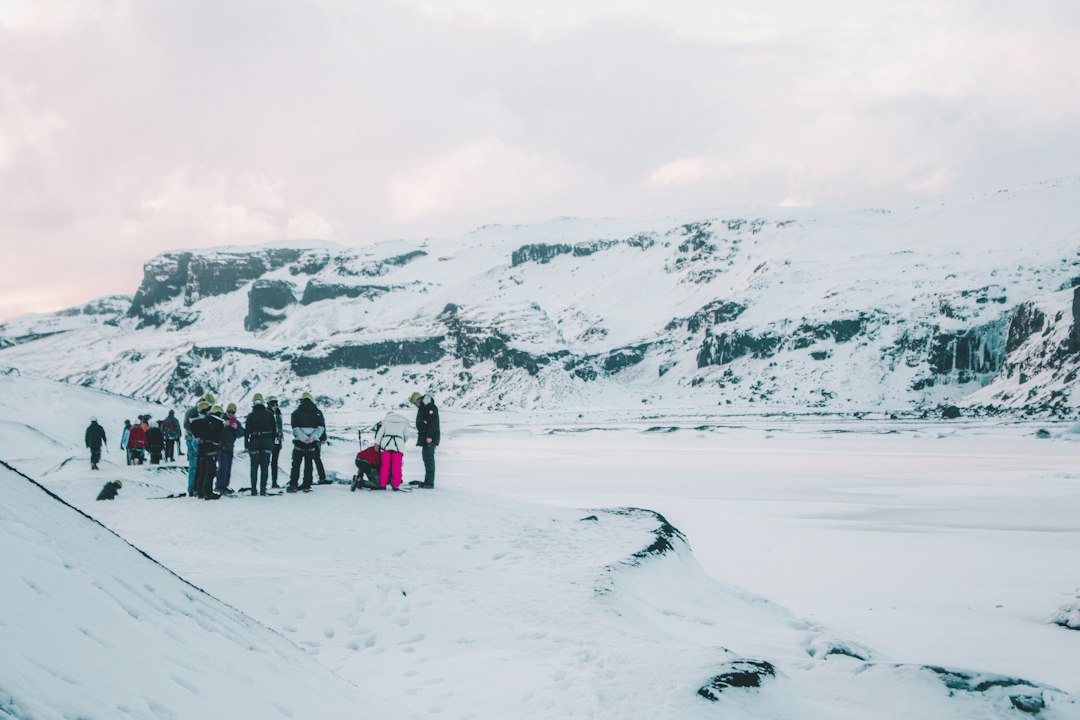
The stark beauty of a snow-laden landscape, while captivating to the modern observer, represented a formidable, often life-threatening, challenge to ancient families. Traversing vast expanses blanketed in deep snow was not a leisurely pursuit; it was a testament to human resilience, ingenuity, and a profound understanding of the natural world. For those who lived in regions perpetually touched by winter’s harsh embrace, survival depended on mastering a suite of specialized techniques that allowed them to move, hunt, and maintain their way of life despite the overwhelming obstacles presented by deep snow. These weren’t merely methods of transportation; they were intricate systems designed to conserve energy, navigate treacherous terrain, and secure essential resources. The stories of these ancient travelers are etched into the very fabric of cultures that thrived in frigid climes, offering invaluable insights into the adaptive brilliance of our ancestors.
Mastering the Snowscape: Essential Gear and Footwear
The ability to move efficiently through deep snow was paramount for survival, and ancient peoples developed highly effective solutions for their feet. This was not a matter of simply walking; it was about distributing weight and preventing submersion, a constant battle against the sinking trap of soft snow. The development of specialized footwear and portable aids was a direct response to this pressing need, transforming an impassable landscape into a navigable territory. The innovations born from necessity showcase an intimate understanding of physics and biomechanics, applied with remarkable skill.
The Ingenuity of Snowshoes
The most iconic, and arguably most critical, piece of equipment for traversing deep snow was the snowshoe. Far from being a single monolithic design, snowshoes varied significantly in shape, size, and construction, adapted to the specific snow conditions and the terrain of different regions. The fundamental principle remained consistent: to increase the surface area of the wearer’s foot, thus distributing their weight over a larger area and preventing them from sinking deeply into the snow.
The construction of these early snowshoes was a testament to resourcefulness. Frame materials were typically made from resilient wood, such as ash, hickory, or birch, which could withstand the stresses of movement and temperature fluctuations. These wooden frames were then laced with a network of strong, flexible materials. Animal sinew, rawhide, and even gut were common choices, chosen for their durability and ability to remain pliable in cold temperatures. The weaving of these lacing materials was a skilled art, creating a tight yet somewhat flexible surface that provided both support and a degree of shock absorption.
The shape of snowshoes also played a crucial role. For deep, soft powder, wider and longer snowshoes were preferred to provide maximum flotation. In more compacted or crusty snow, or when navigating uneven terrain, narrower and more maneuverable designs might be employed. Some cultures even developed specialized snowshoes for specific tasks, such as hunting larger game where a more robust and stable platform was required. The ability to adapt the design to the prevailing conditions highlights a sophisticated understanding of their environment.
Beyond Snowshoes: Other Footwear Adaptations
While snowshoes were the primary tool for extensive travel, other forms of specialized footwear were also crucial for survival in snowy environments. Boots, often crafted from animal hides, were essential for warmth and protection. The choice of hide and construction method was critical. Thick, fur-lined boots, typically made from the hides of animals like moose, caribou, or elk, provided excellent insulation. The fur was often worn facing inward, trapping body heat and creating a warm microclimate for the feet.
The waterproofing and durability of these boots were also important considerations. Tanning methods varied, but the goal was to create a supple yet water-resistant material. Some cultures would further treat their boots with animal fats or oils to enhance their water-repellency, preventing the leather from becoming waterlogged and subsequently freezing, which would be disastrous.
For extreme cold and prolonged exposure, the concept of the “moccasin” was adapted. Often made from very soft, flexible leather, these could be packed with insulating materials like dried grass, moss, or animal fur. The lack of a rigid sole allowed for greater flexibility and comfort, and the entire boot could be dried and re-insulated as needed. Some northern cultures also developed a layered approach, wearing thin inner socks made of wool or fur, followed by thicker outer boots. This layering allowed for customization of warmth and facilitated drying by separating the inner and outer layers.
In exploring the resilience and ingenuity of ancient families as they navigated through deep snow, one can draw parallels to the broader historical context of survival strategies employed by various cultures. A fascinating article that delves into the intricacies of historical survival techniques is available at Cracking the Hidden Rulebook of History. This piece examines how different societies adapted to their environments, including the methods they used to traverse challenging terrains like snow-covered landscapes, highlighting the resourcefulness that has defined human history.
Navigating the White Wilderness: Movement and Navigation Techniques

Moving through a featureless, snow-covered landscape presented significant navigational challenges. Without the familiar landmarks and pathways of summer, ancient peoples relied on a combination of keen observation, environmental cues, and innate directional sense to find their way. This was not about following a map, but about reading the subtle language of the snow and the surrounding environment.
Reading the Terrain and the Sky
The ability to read the landscape was fundamental. Experienced travelers could discern subtle variations in snow depth and consistency that indicated underlying terrain features – ridges, valleys, or even hidden bodies of water. Changes in snowdrift patterns often revealed the direction of prevailing winds, which in turn could offer clues to general direction. The presence of specific flora, even when partially obscured by snow, could also serve as landmarks. Certain hardy trees or shrubs might grow in predictable locations, providing anchor points for navigation.
Celestial bodies were also vital navigational tools. The sun, even when low on the horizon, provided a clear indicator of east and west. On clear nights, the stars offered a constant reference. While specific star charts as we know them might not have existed, the recognition of prominent constellations and their movements across the sky provided a reliable means of orientation. Knowledge of the seasonal rise and fall of celestial bodies was also crucial, allowing for more accurate long-term navigation.
The Art of Tracking and Trail Breaking
In environments where hunting was essential, tracking prey through the snow was a highly developed skill. The ability to identify animal tracks, interpret their age, and discern the direction and speed of the animal was a matter of survival. This involved understanding how different animals moved through snow, how their weight affected the substrate, and how wind and snowfall could alter the appearance of tracks.
Trail breaking, the act of forging a path through virgin snow, was a demanding task. This was often done by the strongest individuals or by taking turns to conserve energy. The goal was to create a passable track that others could follow, making subsequent travel easier. The width and depth of the trail were determined by the needs of the group, whether it was for walking, carrying loads, or even transporting sledges. The social dynamic of trail breaking often involved a shared understanding of effort and mutual reliance.
The Role of Sound and Scent
Subtle environmental cues could also play a role in navigation. The sound of flowing water, even when frozen over, could indicate the presence of rivers or streams, often important travel corridors. The direction of the wind, felt on the face, was a constant and reliable directional indicator. In some instances, even scent could provide clues, though this was more likely to be relevant in locating prey or specific plant resources rather than general navigation.
Sustaining Life: Food Acquisition and Preservation in Winter
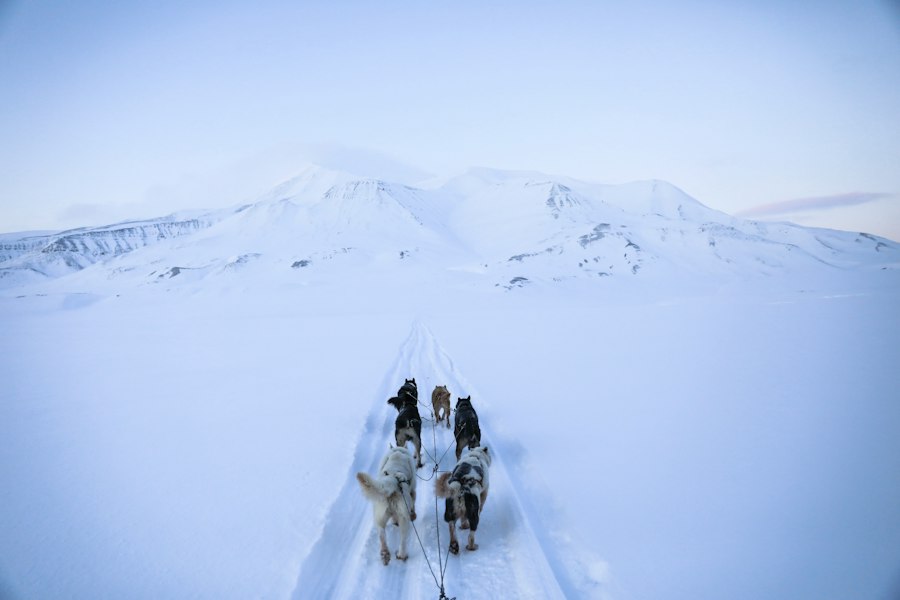
The winter months presented a severe challenge to food security. Traditional foraging and farming often became impossible, forcing ancient peoples to rely on hunting, fishing, and the careful management of stored provisions. The strategies developed were as much about maximizing opportunities as they were about rigorous preservation.
Winter Hunting Strategies
Hunting in deep snow required specialized techniques and adaptations for both the hunter and the quarry. Large game, such as deer, elk, or caribou, were often targeted. These animals, while slower in deep snow, could still cover vast distances. Hunters would often use snowshoes to gain an advantage in speed and maneuverability. Ambush hunting, where hunters positioned themselves along known game trails or near feeding grounds, was a common tactic.
Another crucial strategy was the use of traps and snares. These could be set along game trails or at water sources, designed to capture smaller game like rabbits, foxes, or birds. The success of these traps depended on their camouflage, scent masking, and strategic placement. Knowledge of animal behavior, particularly their winter routines and preferred routes, was essential for effective trapping.
Ice Fishing: A Winter Lifeline
For communities living near lakes and rivers, ice fishing was a vital source of sustenance. Ancient peoples developed sophisticated methods for accessing fish beneath the frozen surface. This often involved creating fishing holes by chipping away at the ice with tools made from bone, stone, or metal. Various types of fishing lines, often made from sinew or plant fibers, were used, with hooks crafted from bone, shell, or sharpened wood.
Different fishing techniques were employed depending on the species of fish and the depth of the water. Some might use baited lines lowered directly into the water, while others might employ techniques that involved spearing fish that were attracted to the fishing hole. The knowledge of fish migration patterns beneath the ice and their preferred habitats was crucial for success.
The Art of Food Preservation
Preservation was as critical as acquisition. Without refrigeration, ancient peoples developed ingenious methods to prevent spoilage. Drying was a common technique. Meat, fish, and even certain berries and roots were dried in the sun or over a low heat source until all moisture was removed, rendering them shelf-stable. Smoking was another effective method, imparting flavor while also preserving the food.
Salting was also utilized where salt was available, drawing out moisture and inhibiting bacterial growth. Fermentation was another important preservation technique, particularly for plant-based foods. This process not only preserved the food but also increased its nutritional value and digestibility. Carefully managed storage in cool, dry locations, often underground caches or specially constructed storage pits, helped maintain the quality of preserved foods throughout the long winter months.
Shelter and Warmth: Building for the Cold
Surviving the extreme cold necessitated not only mobility but also the creation of protective shelters that could effectively shield inhabitants from the elements and maintain a livable internal temperature. These structures were not mere rudimentary huts; they were carefully engineered environments designed to harness and conserve heat.
The Efficiency of Snow Dwellings
In regions with consistent and deep snowfall, structures made from snow itself became a viable and surprisingly effective form of shelter. The most famous example is the igloo, an Inuit innovation. The construction of an igloo involved cutting blocks of compacted snow, which had insulating properties, and carefully stacking them in a spiraling fashion to create a dome. The spherical shape was crucial for structural integrity and for efficiently reflecting and retaining heat.
The interior of an igloo could be surprisingly warm, often heated by a small oil lamp fueled by animal fat. The occupants’ body heat, combined with the insulating properties of the snow walls, created a microclimate that was significantly warmer than the outside temperature. Ventilation was also a critical consideration, with carefully placed openings to prevent suffocation from carbon dioxide buildup and to allow smoke from the lamp to escape.
Other snow-based shelters, such as snow caves dug into drifts or wind-packed snow, also provided vital protection. These offered immediate shelter from blizzards and harsh winds. The understanding of snow’s insulating properties was key to their effectiveness.
Durable Structures for Harsh Climates
Beyond snow dwellings, ancient peoples in colder regions also constructed more permanent structures designed for longevity and resilience. In areas where timber was available, sturdy log cabins were common. These were built with thick logs, often chinked with moss or mud to seal gaps and prevent drafts. The construction of a well-built log home could provide excellent insulation and protection from wind and snow.
For communities in treeless regions or those with specific architectural traditions, stone structures were also utilized. These could range from semi-subterranean dwellings dug into the earth and covered with sod or stone, to more elaborate above-ground buildings. The thermal mass of stone could help regulate interior temperatures, absorbing heat during the day and releasing it slowly at night.
Regardless of the primary building material, the design of these shelters often incorporated specific features to combat the cold. Low entrances, often with a windbreak or vestibule, helped minimize heat loss. Small windows, made from translucent animal membranes or later glass, were strategically placed to allow light while minimizing heat escape. The orientation of buildings was also important, often facing away from prevailing winds or towards the sun for passive solar heating.
Harnessing Fire for Survival
Fire was an indispensable element in ancient winter survival, serving not only for warmth but also for cooking, light, and protection. The ability to reliably start and maintain a fire in cold, damp conditions was a critical skill. Various methods were employed, from friction-based fire-starting techniques using a bow drill or hand drill to the use of natural tinder materials that could ignite easily.
The careful management of fuel was also essential. Wood was often gathered and seasoned during warmer months, and strategies were developed to ensure a consistent supply of dry fuel throughout the winter. The placement of hearths and fire pits within shelters was designed to maximize heat distribution and minimize the risk of fire spread. In communal shelters, large central fires could provide warmth for entire groups, fostering social cohesion during the long, dark months.
In exploring the resilience of ancient families as they navigated through deep snow, one can gain insights into their survival strategies and community dynamics. These families often relied on innovative techniques and tools to traverse harsh winter landscapes, which were crucial for their sustenance and mobility. For a deeper understanding of how such challenges shaped their societies, you might find it interesting to read a related article that discusses the geopolitical analysis of ancient empires. This article sheds light on the broader context in which these families operated and adapted to their environments. You can find it here: geopolitical analysis of ancient empires.
Community and Adaptability: Social Dynamics and Cultural Transmission
| Metric | Description | Estimated Value | Notes |
|---|---|---|---|
| Average Travel Speed | Speed at which families moved through deep snow | 1-2 km/h | Varied based on snow depth and terrain |
| Snow Depth Navigated | Typical depth of snow during travel | 30-60 cm | Deeper snow required specialized techniques |
| Use of Snowshoes | Whether snowshoes were used to distribute weight | Common | Helped prevent sinking into snow |
| Group Size | Number of family members traveling together | 4-8 individuals | Smaller groups easier to manage in snow |
| Daily Distance Covered | Distance traveled per day through snow | 5-10 km | Dependent on weather and snow conditions |
| Rest Frequency | Number of breaks taken during travel | Every 1-2 hours | To prevent exhaustion and hypothermia |
| Clothing Insulation | Type of clothing used for warmth | Animal furs and layered garments | Essential for protection against cold |
Survival in the challenging winter landscape was not solely an individual endeavor; it was deeply intertwined with the strength and cooperation of the community. Ancient families relied on each other for shared labor, knowledge exchange, and mutual support. The transmission of these survival skills across generations was crucial for the perpetuation of their cultures.
The Power of Collective Effort
Many winter survival tasks, from breaking trails through deep snow to constructing and maintaining shelters, were simply too demanding for individuals to undertake alone. Collective effort was therefore a cornerstone of ancient life. When it came to hunting large game, groups would often coordinate their efforts, with some driving the animals towards waiting hunters or others working together to move the carcass back to the settlement.
The sharing of resources was also vital. A successful hunt or a well-preserved store of food would often be distributed among the community, ensuring that everyone had access to sustenance. This communal approach not only enhanced survival rates but also fostered strong social bonds and a sense of shared responsibility. In times of extreme hardship, the ability of the community to rally together, share burdens, and offer support could mean the difference between life and death.
Passing Down Essential Knowledge
The intricate knowledge required for winter survival was not typically acquired through formal schooling but through direct observation, mentorship, and participation. Elders played a crucial role in transmitting these vital skills to younger generations. Children would learn by watching, assisting, and eventually taking on responsibilities. This hands-on learning process ensured that the accumulated wisdom of generations was preserved and passed on.
Storytelling and oral traditions also played a significant role in cultural transmission. Through narratives of successful hunts, challenging journeys, and tales of overcoming adversity, younger members absorbed lessons about animal behavior, navigation, and the importance of preparedness. These stories served as both entertainment and invaluable educational tools, embedding survival strategies within the cultural fabric.
Innovation and Adaptation to Changing Conditions
While deeply rooted in tradition, ancient societies were not static. They possessed an inherent capacity for innovation and adaptation. When faced with changing environmental conditions, resource scarcity, or new challenges, they were able to develop new techniques or modify existing ones. This adaptability was a key factor in their long-term survival.
The arrival of new tools or materials, whether through trade or independent invention, could also spur innovation. For example, the development of more efficient hunting weapons or improved methods for preserving food would inevitably lead to adjustments in their overall survival strategies. The willingness to experiment and learn from experience, combined with the strength of their community structures, allowed these ancient families to not only endure the harsh realities of winter but to thrive within them, leaving behind a legacy of resilience and resourcefulness.

20,000 Years Ago | The Coldest Journey in Human History
FAQs
1. How did ancient families navigate through deep snow?
Ancient families used various methods to move through deep snow, such as snowshoes, sleds, and skis. Snowshoes helped distribute their weight, preventing them from sinking into the snow. Sleds were used to carry heavy loads or young children, while skis allowed for faster travel over long distances.
2. What materials were commonly used to make snowshoes?
Ancient families typically made snowshoes from wood, rawhide, and animal bones. The wooden frame provided structure and support, while the rawhide lacing created a large surface area to prevent sinking into the snow. Animal bones were sometimes used for smaller, more makeshift snowshoes.
3. How did sleds help ancient families transport goods through deep snow?
Sleds were essential for transporting goods through deep snow. Ancient families would load up sleds with supplies, food, and other necessities, then pull them behind them as they traveled. The sled’s flat bottom allowed it to glide over the snow, making it easier to transport heavy loads.
4. Were skis a common mode of transportation for ancient families in snowy regions?
Skis were indeed a common mode of transportation for ancient families living in snowy regions. Skis allowed for faster travel over long distances, as the large surface area distributed their weight and prevented them from sinking into the snow. Skis were especially useful for hunting and gathering activities.
5. How did ancient families adapt their clothing to protect themselves from the cold while moving through deep snow?
Ancient families adapted their clothing to protect themselves from the cold while moving through deep snow by wearing layers of fur, wool, and leather. These materials provided insulation and protection from the elements, keeping them warm and dry during their journeys. Additionally, they wore hats, gloves, and boots to cover exposed areas and retain body heat.