The biting wind whipped across the vast, treeless steppe, carrying with it the scent of damp earth and something primal, something enormous. Sunlight, weak and watery, struggled to penetrate the overcast sky, casting a pale glow on a landscape that seemed frozen in time. It was here, amidst the windswept plains of what would one day be known as Siberia, that a remarkable encounter unfolded, a fleeting glimpse into a world long vanished, a world dominated by the magnificent woolly mammoth.
Whispers of Giants: The Prehistoric Landscape
The Pleistocene epoch, a period of dramatic climatic swings, was the realm of giants, and the woolly mammoth ( Mammuthus primigenius) was undoubtedly one of its most iconic inhabitants. These colossal herbivores, clad in thick, shaggy coats of reddish-brown hair, roamed vast territories, their presence shaping the very fabric of their environment. The landscape itself was a testament to their power and the prevailing glacial conditions.
The Mammoth Steppe: A World of Grass and Cold
Imagine a land sculpted by ice and wind, where the ground was perpetually frozen for much of the year, thawing only a few inches in the brief summer months. This was the mammoth steppe, an ecosystem that stretched across vast swathes of the Northern Hemisphere, from Europe to North America. Unlike the frozen deserts of today’s Arctic, the Pleistocene steppe was surprisingly verdant. Hardy grasses, sedges, and low-lying shrubs formed a thick carpet that provided sustenance for immense herds of grazing animals. This was the world the mammoths called home, a world of open horizons and constant foraging.
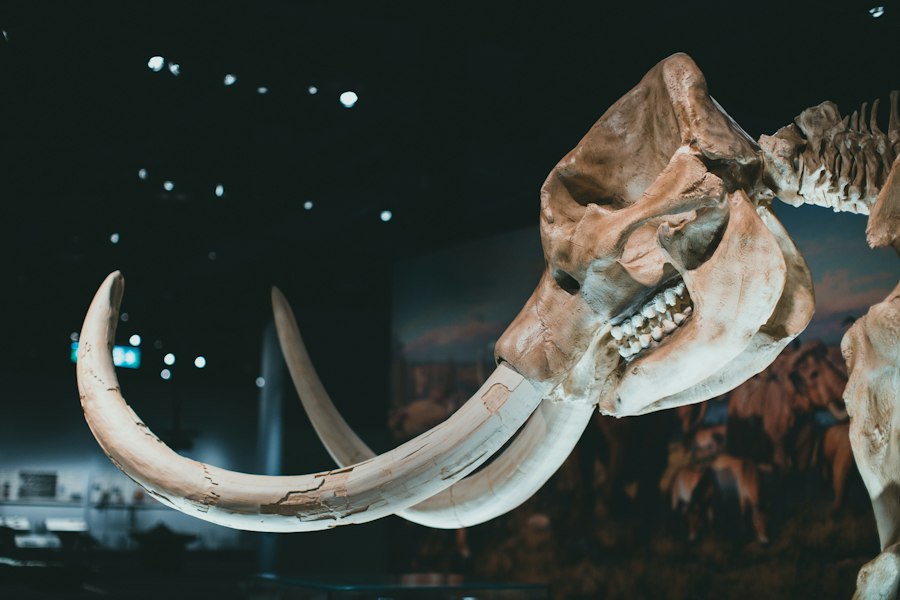
The mammoths, with their specialized digestive systems, were perfectly adapted to this diet. Their broad, ridged molars, designed for grinding tough vegetation, were a testament to their herbivorous lifestyle. They spent most of their waking hours on the move, covering vast distances in search of the most succulent pastures. The sheer scale of their herds must have been awe-inspiring, a moving mosaic of brown fur against the pale backdrop of the steppe. Their massive tusks, spiraling curves of ivory, were not merely for display; they served multiple purposes, from digging for vegetation under the snow to defense against predators and even as tools for social interaction.
The Specter of Predators and Competition
While the mammoths were the undisputed titans of the Pleistocene, they were not without their challenges. The steppe was also home to formidable predators, most notably the powerful short-faced bear (Arctodus simus) and the fearsome cave lion (Panthera spelaea). These carnivores, though smaller than the mammoths, were agile and cunning, often targeting young, old, or injured individuals. Encounters between these species were undoubtedly dramatic, a brutal ballet of survival played out on the open plains.
Beyond predation, mammoths also faced competition for resources. Other large herbivores, such as woolly rhinoceroses (Coelodonta antiquitatis), steppe bison (Bison priscus), and horses (Equus ferus), shared the same grazing grounds. While each species had its preferred food sources, there were undoubtedly times of overlap and competition, adding another layer of complexity to the intricate web of life on the Pleistocene steppe. The sheer biomass of these megafauna would have significantly impacted vegetation patterns, creating a dynamic and ever-changing environment.
In exploring the fascinating world of prehistoric encounters, one cannot overlook the significance of the woolly mammoth, a majestic creature that roamed the icy landscapes of the last Ice Age. A recent article delves into the broader implications of exploration and discovery, drawing parallels between ancient wildlife and modern endeavors in uncharted territories. To gain insights into how the spirit of exploration continues to shape our understanding of both the past and the future, you can read more in this article about lunar exploration: The Moon: Ultimate High Ground for Exploration.
The Moment of Revelation: A Glimpse Through Time
The air was heavy with the damp chill that preceded a snowfall. A small band of early humans, clad in thick animal hides, huddled together, their breath misting in the frigid air. They were hunters, skilled and resourceful, their survival dependent on their ability to read the signs of the wild. Suddenly, a tremor ran through the ground, a deep, resonant thrumming that spoke of immense power.
The Ground Trembles: An Approaching Force
The hunters exchanged urgent glances. They had heard the stories, the legends whispered around flickering fires, tales of the great hairy beasts that could shake the very earth. Now, the reality was unfolding before them. The thrumming grew louder, accompanied by the snapping of twigs and the rustling of dry grasses. It was unmistakable: a herd of woolly mammoths was approaching.
From their vantage point on a rocky outcrop, the hunters could see them emerge from a distant copse of stunted trees. First, a lone bull, his massive form silhouetted against the muted sky. Then, more appeared, a slow, steady tide of shaggy giants. The ground beneath their feet vibrated with each ponderous step. The sheer scale of these creatures was overwhelming. They dwarfed the trees, their colossal bodies covered in a dense, matted coat of fur that seemed to absorb the weak light. Their tusks, curved like ancient scimitars, gleamed dully. The sound of their breathing, a deep, guttural rumble, carried on the wind. This was not a fleeting shadow; this was a tangible, earth-shattering presence.
A Symphony of Sounds and Smells: Sensory Immersion
The experience was not solely visual or auditory; it was a full sensory immersion. The air, already cold, grew even colder as the immense bodies displaced the frigid atmosphere. A faint, musky odor, a scent of damp earth and wildness, reached the hunters, an aroma that spoke of eons of evolution and adaptation to this harsh environment. The soundscape was a symphony of the primitive. The low, resonant trumpeting of the mammoths, a sound that seemed to echo from the very heart of the earth, mixed with the rhythmic thud of their enormous feet. The occasional scrape of tusks against the frozen ground as they dug for sustenance added a percussive element.
The hunters, seasoned observers of their world, could discern individual personalities within the herd. The matriarch, a female whose tusks bore the marks of countless years, moved with a calm authority, guiding her progeny. Younger bulls, their energy barely contained, sparred playfully, their tusks clashing with a dull thud. The calves, smaller but no less impressive, trotted close to their mothers, their large eyes blinking slowly. This was not just a herd; it was a complex social unit, a testament to the intricate lives of these prehistoric behemoths.
The Mammoth’s Majesty: Anatomical Marvels and Adaptations
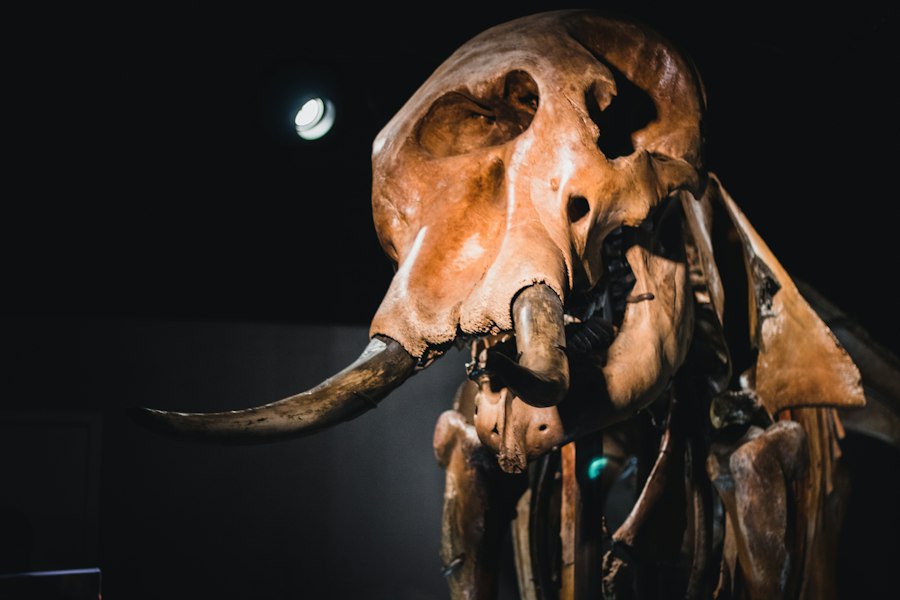
As the herd drew nearer, the hunters could observe the woolly mammoths in extraordinary detail, a living testament to millions of years of evolutionary refinement. Every aspect of their being was a masterpiece of adaptation to the extreme conditions of the Pleistocene.
Evolutionary Engineering: Fur, Fat, and Tusks
The most striking feature was, of course, their luxuriant coat. Not a single patch of skin was visible beneath the thick, shaggy hair, which could grow up to a meter long in some areas. This insulation was crucial for survival in sub-zero temperatures. Beneath the skin, a thick layer of blubber provided additional warmth and energy reserves. Their ears were relatively small, reducing heat loss, and their tails were short and stubby for the same reason.
Their feet were broad and padded, distributing their immense weight over the snow and frozen ground, preventing them from sinking. The large, curved tusks, made of dentin, were a marvel of biological engineering. Continuously growing throughout their lives, they could reach lengths of up to five meters. Beyond their use in defense and foraging, they were also vital for social signaling, with larger and more impressive tusks often indicating dominance. The intricate patterns of their molars were perfectly designed for grinding tough, fibrous vegetation, extracting every last nutrient from the sparse flora of the mammoth steppe.
A Delicate Balance: Diet and Digestion
The diet of a woolly mammoth was dictated by the available vegetation of the mammoth steppe. Grasses and sedges formed the bulk of their intake, supplemented by shrubs, herbs, and even bark during harsher periods. Their digestive system was remarkably efficient, capable of processing large quantities of tough plant material. They were continuously grazing, spending the majority of their day feeding to sustain their enormous bodies.
The sheer volume of food required to maintain such a large animal would have had a significant impact on the landscape. Their grazing habits helped to maintain the open nature of the steppe, preventing the encroachment of forests. By consuming vast quantities of vegetation, they also played a crucial role in nutrient cycling, returning essential minerals to the soil through their dung. Their constant movement across the landscape also contributed to seed dispersal, further shaping the plant communities they relied upon.
The Human Perspective: A World of Awe and Opportunity
For the early humans observing this spectacle, the woolly mammoth was not just a creature of nature; it was a source of both profound awe and vital resources. Their encounter was a complex interplay of fear, respect, and pragmatic necessity.
Fear and Respect: The Unyielding Power of Nature
The sheer power and size of the mammoths undoubtedly instilled a sense of profound respect, bordering on reverence. These were creatures that could easily crush a human to death with a single, careless movement. The hunters understood the immense danger, and their approach was cautious, their movements deliberate and silent. They recognized the mammoths as forces of nature, beings that commanded the landscape through their sheer presence.
This respect was likely ingrained in their cultural narratives, passed down through generations. Tales of brave hunters who outwitted the giants or cautionary stories of those who met a swift and brutal end would have shaped their understanding of these magnificent animals. The mammoths were not simply prey; they were embodiments of the untamed, the wild, and the immense power that governed their existence. Their presence served as a constant reminder of humanity’s relatively small place in the grand scheme of the Pleistocene world.
A Gift from the Wild: Sustenance and Survival
Despite the inherent dangers, the woolly mammoth represented an unparalleled opportunity for survival for early humans. A single mammoth could provide a vast bounty of resources, sustaining a small community for weeks or even months. The meat, rich in protein and fat, was a vital source of sustenance in the harsh climate. The thick hide could be transformed into durable clothing, shelter, and even tools. The bones and tusks offered materials for weapons, tools, and art, providing a canvas for the burgeoning creative spirit of early humans.
The act of hunting a mammoth was not a casual undertaking; it was a monumental endeavor, requiring the collective effort of an entire group. It was a testament to their ingenuity, their cooperation, and their deep understanding of the behavior and vulnerabilities of these colossal beasts. Successful hunts were celebrated, signifying not just a triumph over a dangerous adversary but a vital contribution to the survival and prosperity of their community. The encounter, though potentially terrifying, was also a promise of life.
In the vast expanse of the prehistoric wild, encounters with woolly mammoths were not just a spectacle of nature but also a pivotal moment in understanding ancient ecosystems. These magnificent creatures roamed alongside early humans, shaping the landscape and influencing survival strategies. For those intrigued by the mysteries of ancient life, a fascinating read can be found in an article that delves into the hidden secrets of Antarctica, shedding light on how climate change has affected the remnants of prehistoric species. You can explore this intriguing connection further in the article Unveiling Antarctica’s Hidden Secrets.
Echoes in the Present: Legacy and Scientific Discovery
| Metric | Value | Notes |
|---|---|---|
| Average Height | 3.5 meters | Measured at the shoulder |
| Average Weight | 6,000 kg | Varied by age and sex |
| Typical Herd Size | 10-20 individuals | Mostly females and young |
| Encounter Distance | 50-100 meters | Safe observation range |
| Average Lifespan | 60 years | In the wild |
| Diet | Grasses, shrubs, herbs | Herbivorous |
| Period of Existence | 400,000 to 4,000 years ago | Late Pleistocene to early Holocene |
| Typical Speed | 25 km/h | When charging or fleeing |
The encounter on the windswept steppe, though lost to the mists of time, has left an indelible mark on our understanding of the past. The legacy of the woolly mammoth lives on, not just in the fossil record but in the ongoing scientific endeavor to reconstruct their world.
Fossils and Permafrost: Unearthing a Lost World
The discovery of remarkably well-preserved woolly mammoth remains, often encased in permafrost, has provided invaluable insights into their biology, behavior, and the environment they inhabited. These frozen giants, some discovered with flesh and even stomach contents intact, have allowed scientists to meticulously study their anatomy, diet, and genetic makeup.
These frozen archives are more than just bones and fur; they are windows into a lost era. The analysis of pollen and plant remains found alongside mammoth carcasses can reveal details about the flora of the Pleistocene steppe. The study of their tusks, with their growth rings, can provide information about their age, lifespan, and even the seasonal changes they experienced. Each fossil discovery is a puzzle piece, contributing to a more complete and nuanced picture of this ancient ecosystem and the majestic creatures that roamed it.
Modern Marvels: Cloning and Conservation
The study of woolly mammoths has also fueled ambitious scientific projects, most notably the ongoing efforts to potentially de-extinct the species through cloning. While the ethical and practical challenges are immense, the pursuit highlights the enduring fascination and scientific curiosity surrounding these prehistoric giants.
Furthermore, the story of the woolly mammoth serves as a powerful reminder of the fragility of ecosystems and the impact of climate change. Their extinction, driven by a combination of climatic shifts and human hunting, offers a cautionary tale for our own time. The ongoing research into woolly mammoths is not merely an academic exercise; it is a vital part of understanding the history of life on Earth and our own role in its future. The whisper of the wind across the prehistoric wild, once carrying the thunderous footsteps of mammoths, now carries the echoes of their existence, urging us to learn from their story.

20,000 Years Ago | The Coldest Journey in Human History
FAQs
1. How big were woolly mammoths?
Woolly mammoths were massive creatures, standing up to 13 feet tall at the shoulder and weighing as much as 6 tons.
2. What did woolly mammoths eat?
Woolly mammoths were herbivores, primarily feeding on grasses, shrubs, and other vegetation that was available in the prehistoric landscape.
3. Where did woolly mammoths live?
Woolly mammoths roamed across the northern parts of North America, Europe, and Asia during the Ice Age, inhabiting tundra, grasslands, and forests.
4. How did woolly mammoths adapt to cold climates?
Woolly mammoths had several adaptations to survive in cold environments, including long, shaggy fur, a thick layer of fat for insulation, and small ears to minimize heat loss.
5. When did woolly mammoths go extinct?
Woolly mammoths went extinct around 4,000 years ago, likely due to a combination of climate change, human hunting, and habitat loss.