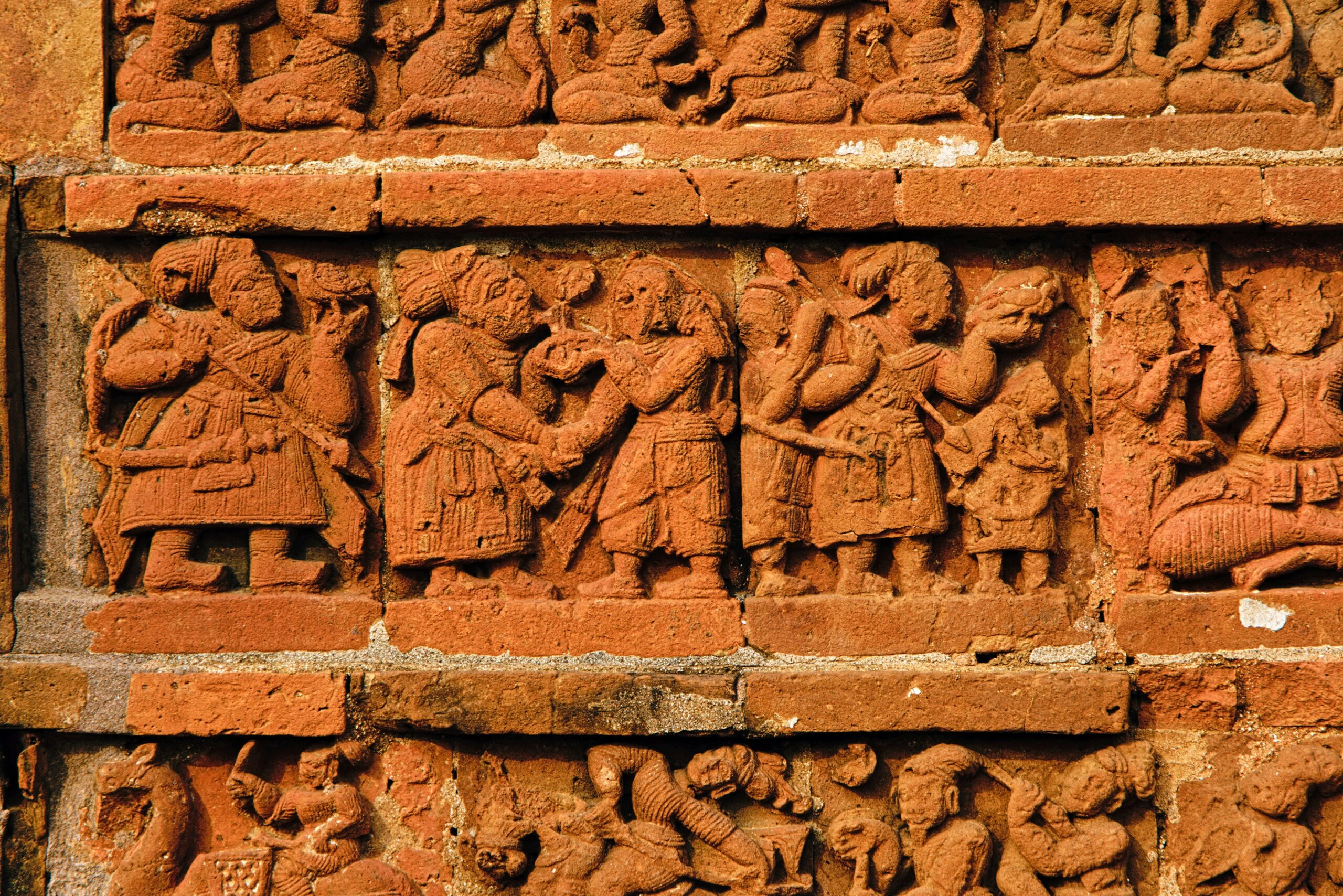
The dawn of civilization was not a silent emergence, but a vibrant tapestry woven with the threads of human ingenuity, social structures, and the enduring power of stories. Long before written records chronicled the grand narratives of empires and dynasties, ancient tribes etched their understanding of the world and their place within it through oral traditions, intricate rituals, and the very fabric of their daily lives. These early societies, scattered across continents and shaped by vastly different environments, developed unique ways of making sense of the cosmos, their origins, and the forces that governed their existence. Their legends, passed down through generations, offer profound insights into the human psyche, our innate desire for meaning, and the foundational elements that would eventually blossom into complex civilizations.
Echoes from the Cradle of Humanity
The earliest stirrings of organized human society are shrouded in the mists of prehistory, yet even in these nascent stages, the seeds of storytelling were undoubtedly sown. Nomadic hunter-gatherer bands, living in close-knit groups, relied on shared knowledge for survival, and this knowledge was often imparted through narratives. These were not mere factual accounts, but rather embellished tales that conveyed crucial lessons about the natural world, the behavior of animals, and the importance of cooperation. The very act of sharing these stories would have fostered a sense of collective identity, binding individuals together through shared experiences and a common understanding of their world.
The Animistic Worldview
A cornerstone of many early tribal belief systems was animism, the idea that spirits inhabit all things – rocks, trees, rivers, animals, and even the wind. This worldview fostered a deep respect for nature and its perceived sentience. Legends from this era often feature talking animals, benevolent or malevolent spirits of the land, and the intricate relationships between humans and the natural forces around them. The stories served to explain phenomena that were otherwise inexplicable: why the sun rose and set, why storms raged, or why certain animals were more elusive than others. These explanations were not scientific in the modern sense, but they provided a framework for understanding and interacting with a world that often felt unpredictable and powerful.
Ritual and the Sacred Dance
The recounting of these origin stories and cautionary tales was rarely a passive activity. It was often embedded within elaborate rituals and ceremonies. These gatherings, performed at significant times of the year – the changing of seasons, the birth of a child, or the successful hunt – served to reinforce social bonds, transmit cultural values, and connect the community with the spiritual realm. Dance, music, and the donning of masks and costumes were common elements, allowing individuals to embody the spirits or heroes of the legends. Through these participatory experiences, the myths became living realities, shaping the collective consciousness of the tribe. The emphasis was not on a single, authoritative canon of scripture, but on the shared, embodied experience of the narrative.
Ancient history is rich with stories of early tribes that shaped the foundations of civilization. One fascinating aspect of these tribes is their social structures and the ways they interacted with one another, often leading to alliances or conflicts that influenced the course of history. For a deeper understanding of how modern governance can reflect historical tribal dynamics, you might find the article on asset freezing powers insightful. It explores the implications of legal frameworks that can echo the control and power dynamics seen in early tribal societies. You can read more about it in this article: Asset Freezing Powers Explained.
Foundations of the First Cities

As human societies transitioned from nomadic existence to settled agriculture, the scale and complexity of their social structures began to grow. This shift led to the development of villages, which gradually coalesced into the first cities – centers of trade, governance, and specialized labor. With this burgeoning complexity came a need for more elaborate mythologies to explain the origins of social order, the divine right of rulers, and the very foundations of urban life. The legends of these formative civilizations often reflect their growing understanding of hierarchy, their aspirations for order, and their attempts to reconcile the divine with the human realm.
The Mesopotamian Pantheon and Creation Myths
In the fertile crescent of Mesopotamia, where the Tigris and Euphrates rivers nourished the land, the Sumerians and later the Babylonians developed some of the earliest known complex mythologies. Their creation myths, such as the Enuma Elish, describe a primordial world of chaos and warring gods, from which order is ultimately established through divine conflict. These stories are not simply tales of beginnings; they are also sophisticated explorations of power, the creation of humanity for the service of the gods, and the establishment of a cosmic order that mirrored the emerging hierarchies of their own societies. The flood myths, too, such as the Epic of Gilgamesh, resonate with a deep sense of humanity’s vulnerability and the capricious nature of divine will. These were foundational narratives that would influence later religious and literary traditions across the Near East.
Egyptian Pharaohs and the Divine Mandate
Ancient Egypt, with its majestic Nile and its monumental architecture, possessed a mythology deeply intertwined with the concept of divine kingship. The Pharaoh was not merely a ruler but a god-king, a mediator between the earthly and divine realms. Egyptian creation myths often involve a primordial watery abyss from which the sun god Ra emerges, bringing order and life to the world. The cyclical nature of the Nile’s flood was deeply ingrained in their cosmology, representing renewal and rebirth, mirroring the journey of the sun god and the afterlife of the pharaohs. The legends of Osiris, Isis, and Horus provided a framework for understanding death, resurrection, and the triumph of good over evil, offering comfort and meaning in the face of mortality. These stories legitimized the pharaoh’s rule and provided a unifying ideology for a vast and complex kingdom.
The Birth of Epic and Moral Tales
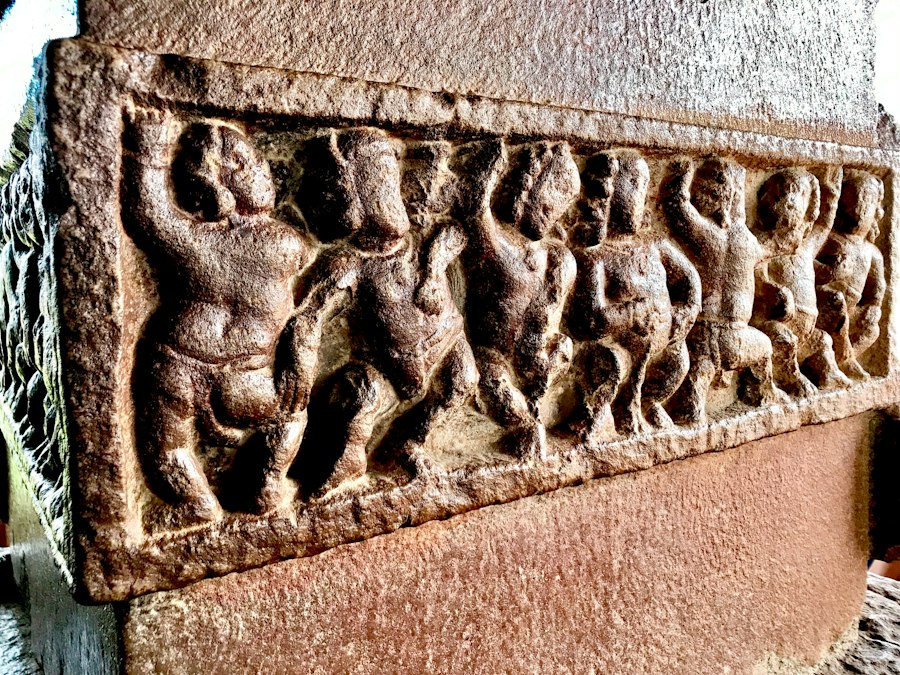
As civilizations matured and their written traditions began to emerge, the scope and sophistication of their storytelling broadened. Epics, long narrative poems that recount the deeds of heroes and the fate of nations, became a powerful means of preserving cultural memory and shaping national identity. These stories, often blending historical events with mythological elements, explored themes of courage, loyalty, destiny, and the consequences of human action. Beyond grand epics, the development of moral tales and fables also became important, providing accessible lessons in ethics and wisdom for broader segments of society.
Homer’s Greece: Heroes and the Gods
The world of ancient Greece, as immortalized in the epics of Homer, the Iliad and the Odyssey, represents a pivotal moment in the evolution of storytelling. These works, though likely composed orally before being written down, depict a pantheon of gods and goddesses who are very much human in their passions, rivalries, and interventions in mortal affairs. The heroes, such as Achilles and Odysseus, are larger-than-life figures who embody ideals of bravery, cunning, and resilience. Their struggles against fate, divine opposition, and their own human flaws resonate with timeless themes. The epics served not only as entertainment but also as moral instruction, exploring concepts of honor, duty, and the often-tragical consequences of hubris. They laid the groundwork for Western literary traditions, influencing countless stories that followed.
The Ramayana and Mahabharata: Indian Epics of Dharma
In ancient India, the great epics of the Ramayana and the Mahabharata stand as monumental pillars of cultural and spiritual heritage. The Ramayana tells the story of Prince Rama, his exile, and his battle to rescue his wife Sita from the demon king Ravana. It is a profound exploration of dharma – righteous duty and cosmic order – and the importance of upholding virtue even in the face of immense hardship. The Mahabharata, a far vaster and more complex work, delves into a dynastic struggle and a devastating war, weaving in philosophical discourse, including the Bhagavad Gita, which explores duty, devotion, and the nature of the soul. These epics are not merely narratives; they are sacred texts that have shaped the moral and spiritual landscape of India for millennia, offering guidance on righteous living and the complexities of human relationships.
Whispers from the Steppes and Jungles
While the great river valley civilizations were developing monumental structures and sophisticated writing systems, equally rich and complex oral traditions were flourishing in other parts of the world. The stories of indigenous tribes, often transmitted solely through spoken word and performance, preserved their unique cosmologies, their intimate knowledge of their environments, and their intricate social customs. These legends offer invaluable perspectives on human diversity and the myriad ways in which humanity has sought to understand its place in the universe.
Aboriginal Dreamtime: The Ancestral Beings
The indigenous peoples of Australia, with their profound connection to the land, have a rich tradition known as the Dreamtime. This is not merely a collection of stories but a living, ongoing creation narrative that explains the formation of the world, the laws of nature, and the spiritual essence of all beings. The Ancestral Beings, powerful creator spirits, shaped the land through their journeys and actions, leaving behind sacred sites and totemic connections that continue to guide Aboriginal life. These legends are sung, danced, and painted, serving as a vital link to the past, a moral compass for the present, and a spiritual blueprint for the future. They emphasize the interconnectedness of all life and the profound responsibility humans have to care for the land.
Indigenous American Trickster Tales
Across North America, countless indigenous tribes developed rich mythologies, often featuring the figure of the trickster. Figures like Coyote, Raven, or Nanabozho were often shape-shifters, cunning and mischievous beings who, through their sometimes-foolish actions, inadvertently brought about important lessons for humanity. These trickster tales served multiple purposes: they provided entertainment, explained the origins of natural phenomena, and taught valuable moral lessons about the consequences of greed, deceit, or arrogance, often through humorous or ironic situations. They demonstrated the human capacity for both wisdom and folly, reminding people to be mindful of their choices and the impact they have on their communities and the natural world.
Exploring the narratives of ancient history reveals fascinating stories about early tribes and their interactions with the environment. One intriguing aspect is how these tribes adapted to their surroundings, much like the explorers who ventured into the unknown territories of Antarctica. For a deeper understanding of these early journeys and the challenges faced by explorers before 1820, you can read more in this article about explorers of Antarctica. Their experiences echo the resilience and ingenuity of early tribes as they navigated their own harsh landscapes.
The Enduring Legacy of Ancient Lore
| Tribe | Region | Era | Notable Story | Significance |
|---|---|---|---|---|
| San People | Southern Africa | Prehistoric to Present | The Creation Myth of /Kaggen the Trickster | Explains natural phenomena and moral lessons |
| Maori | New Zealand | Circa 13th Century AD | The Legend of Maui Fishing Up the North Island | Explains the formation of the land and cultural identity |
| Aboriginal Australians | Australia | Ancient to Present | The Dreamtime Stories | Foundation of spiritual beliefs and connection to land |
| Native American (Iroquois) | North America | Pre-Colonial Era | The Great Peacemaker and the Formation of the Iroquois Confederacy | Establishment of peace and governance system |
| Vikings | Scandinavia | 8th to 11th Century AD | Odin’s Quest for Wisdom | Explores themes of sacrifice and knowledge |
The stories of ancient tribes and early civilizations are far more than historical curiosities. They are living testaments to the enduring human need for meaning, connection, and understanding. These legends, passed down through generations, have shaped our languages, our art, our philosophies, and our very sense of self. Even as societies evolve and technologies advance, the archetypal characters and themes found in these ancient tales continue to resonate, finding new expressions in modern literature, film, and popular culture.
Universal Themes and Human Experience
Across diverse cultures and time periods, certain themes emerge consistently from the legends of early civilizations. The struggle between order and chaos, the journey of the hero, the quest for knowledge, the nature of love and loss, and the inevitability of death and the hope for rebirth are all universal aspects of the human experience that are deeply explored in these ancient narratives. The figures of the wise elder, the brave warrior, the nurturing mother, and the wise animal guide populate these stories, reflecting fundamental human archetypes. Understanding these ancient tales allows us to better comprehend the shared threads that bind humanity together, irrespective of our cultural or historical differences.
From Oral Tradition to Written Word
The transition from purely oral traditions to the development of written languages marked a significant shift in how stories were preserved and disseminated. While the written word offered permanence and the ability to reach wider audiences, it also introduced new challenges, such as the potential for misinterpretation and the loss of the embodied, participatory nature of oral storytelling. Nevertheless, the written epics, myths, and legends of early civilizations have provided invaluable windows into the minds and hearts of our ancestors, allowing us to connect with their hopes, fears, and aspirations. The careful preservation and study of these ancient stories are crucial for understanding our collective human journey and the rich tapestry of cultures that have shaped our world.

20,000 Years Ago | The Coldest Journey in Human History
FAQs
What are some common themes in ancient history stories of early tribes?
Ancient history stories of early tribes often revolve around creation myths, heroic deeds, battles, and interactions with gods or supernatural beings.
How were ancient history stories of early tribes passed down through generations?
Ancient history stories of early tribes were typically passed down orally from one generation to the next, with storytellers memorizing and reciting the tales to preserve their cultural heritage.
What role did ancient history stories of early tribes play in shaping their societies?
Ancient history stories of early tribes served as a way to teach moral lessons, reinforce cultural values, and strengthen social bonds within the community.
Are there any similarities between ancient history stories of early tribes from different regions?
Yes, there are often similarities in themes and motifs found in ancient history stories of early tribes from different regions, suggesting common human experiences and beliefs.
How have modern scholars studied and interpreted ancient history stories of early tribes?
Modern scholars study and interpret ancient history stories of early tribes by analyzing linguistic, archaeological, and anthropological evidence to gain insights into the beliefs, practices, and worldviews of these ancient societies.