Deep snow presents a formidable challenge to survival, transforming familiar landscapes into alien, energy-draining terrains. Foraging, a cornerstone of wilderness sustenance, becomes exponentially more difficult when every step requires significant effort and visibility is often obscured by white. Yet, with the right knowledge and a keen understanding of primitive tactics, one can still extract vital resources from a snow-laden environment. This article will delve into the fundamental principles and practical applications of primitive foraging in deep snow, focusing on identifying edible resources, optimizing energy expenditure, and employing time-tested techniques to secure sustenance.
Identifying Sustenance Beneath the Surface
The immediate thought when considering foraging in snow is the apparent scarcity of above-ground food sources. However, a closer examination reveals that life persists, albeit in different forms. Understanding the biology of flora and fauna in winter is crucial for successful foraging.
Unearthing Winter Roots and Tubers
While many plants appear dormant, their roots and tubers often remain viable beneath the snowpack. These underground reserves are a vital source of carbohydrates and can provide much-needed calories.
Locating Potential Root Patches
The first step in unearthing winter roots is to identify areas where edible plants typically grow. Certain species prefer specific soil types and microclimates. Areas with less wind exposure, such as south-facing slopes or the leeward side of large rocks and fallen trees, can be prime locations. Observing the previous summer’s growth patterns can also offer clues. For example, if a particular area was thick with aster or goldenrod, it is likely to harbor edible roots. Patches of denser vegetation or a slightly different snow texture can also indicate the presence of underlying plant life. Avoid areas with significant ice accumulation, as this can make excavation extremely difficult and potentially damage the edible portions.
Digging and Extraction Techniques
Once a potential root patch is identified, the challenge shifts to excavation. Primitive tools are essential here. A sturdy, pointed stick, ideally hardened by fire, can be used to probe the snow and break through any ice crusts. A flat, broad piece of bark or a large, flat stone can serve as a makeshift shovel to clear away the snow and loosened soil. When digging, prioritize loosening the soil around the root rather than attempting to pull the entire root directly, which can lead to breakage. Work slowly and methodically, clearing snow and soil in layers. In particularly hard ground or deeply frozen soil, using body weight to drive the digging stick into the earth can be effective. Once a root is exposed, carefully work it free from the soil.
Recognizing Edible Bark and Inner Bark
The cambium layer, found between the bark and the woody interior of trees, is a surprisingly rich source of nutrients, particularly carbohydrates and vitamins. While not as palatable as fresh berries, it can be a life-saving food source during prolonged periods of scarcity.
Species Identification for Winter Harvesting
Not all tree bark is edible, and some can even be toxic. The most common and accessible edible barks in North America include pine (various species), fir, spruce, and aspen. Young trees and the inner bark of larger trees are generally preferred. It is crucial to be able to identify these species accurately, even in their leafless winter state, by their bark texture, branching patterns, and overall silhouette. Avoid trees that show signs of disease or insect infestation, as their cambium may be compromised or contain harmful compounds. Always practice responsible harvesting, taking only what is needed and from multiple trees to minimize individual tree damage.
Harvesting and Preparation Methods
The inner bark, or cambium layer, is best harvested from living trees, though deadfall can also be utilized if the inner bark is still moist and free from decay. Use a sharp stone or a piece of sharpened bone to carefully peel away the outer, rough bark. Beneath this, the thinner, often lighter-colored cambium layer will be visible. This layer can be scraped away using a similar tool. The raw cambium can be eaten directly, though it has a somewhat bitter taste and a chewy texture. To improve palatability and digestibility, it can be pounded into a paste and mixed with water to form a gruel, or dried and ground into a flour. Alternatively, it can be cooked by boiling it in water to create a more digestible and palatable stew.
In exploring the fascinating world of primitive foraging tactics in deep snow, one can draw parallels to the strategic approaches discussed in the article about lunar military strategy. The adaptation of survival techniques in harsh environments, whether on Earth or in the context of space exploration, highlights the ingenuity of human beings in overcoming challenges. For a deeper understanding of how strategy evolves in extreme conditions, you can read more in the article titled “Guardians of the Moon: A Documentary on Lunar Military Strategy” available at this link.
Animal Sign and Primitive Trapping Strategies
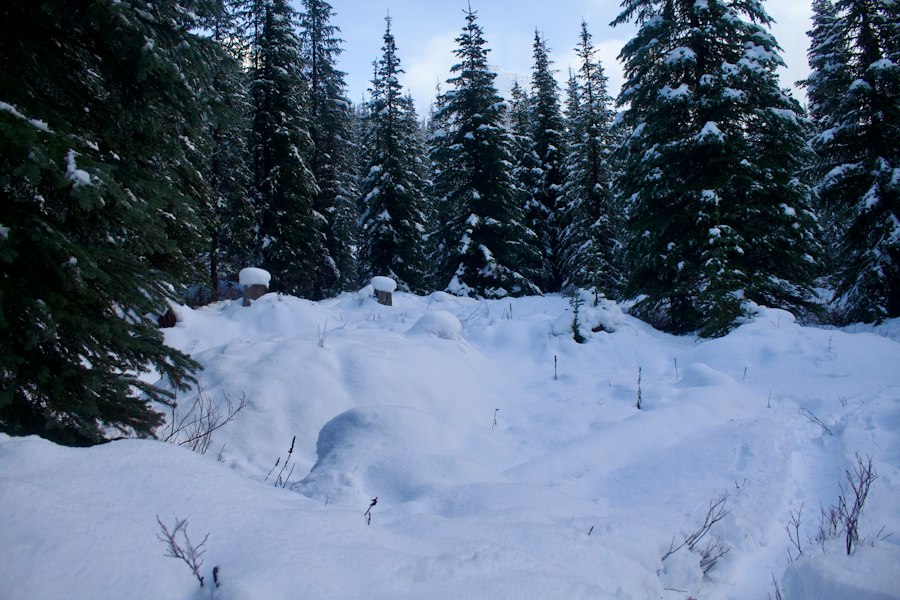
While plant-based foraging is challenging, the presence of animal life, even in a snow-covered environment, offers another avenue for sustenance. Primitive trapping, honed over millennia, is crucial for this.
Tracking and Interpreting Animal Sign
The ability to read the landscape and identify animal tracks is paramount. Snow acts as a natural canvas, preserving tracks and signs that would otherwise be hidden.
Navigating Snow for Tracks
Deep snow can make tracking difficult, as tracks can be obscured or distorted by wind and subsequent snowfall. However, understanding how snow behaves is key. Freshly fallen snow will reveal crisp, well-defined tracks. As the wind blows, tracks can become rounded and filled in. Ice crusts can preserve tracks remarkably well, but they can also be easily broken by the animal’s weight. Look for areas of disturbed snow, overturned leaves, or broken twigs that indicate recent animal activity. Animal trails, even when seemingly impassable, often indicate routes of travel. Pay attention to scat, which can provide clues about the animal’s diet and recent presence. Observing the direction of tracks, the stride length, and the presence of other signs like droppings or fur can help determine the type of animal and its likely destination.
Understanding Animal Behavior Patterns
In winter, animals conserve energy. They tend to follow established routes, often seeking shelter and food. Predators will often follow prey trails. Understanding these basic behavioral patterns can significantly increase the chances of encountering game. For instance, many herbivores will seek out south-facing slopes where snow melts faster, exposing vegetation. Rodents will often tunnel beneath the snow, creating a network of subnivean spaces where they forage. Birds may flock to areas with accessible berries or seeds. Observing the density of tracks can indicate a well-traveled area, suggesting a reliable source of food or shelter for the animal.
Constructing Simple Snares and Traps
Primitive trapping relies on understanding animal pathways and utilizing readily available materials to create effective devices.
Snares for Small Game
Snares are perhaps the most common and effective primitive trap for small game. They typically consist of a loop made from strong cordage, such as sinew, plant fibers (like nettle or yucca), or thin strips of rawhide. The loop is set at a height and location that the target animal is likely to pass through. Common target animals include rabbits, squirrels, and grouse.
Setting a Basic Snare
To set a basic snare, find a game trail or a known travel path. Locate a suitable anchor point, such as a sturdy sapling or a branch. Tie one end of your cordage securely to this anchor. Create a running noose at the other end. The size of the noose should be appropriate for the target animal. For rabbits, a loop about the size of a cupped hand is often suitable. The noose should be positioned so that it is roughly at the height of the animal’s head when it passes through. To help guide the animal into the snare and keep the noose open, a system of natural stakes or small branches can be used to form a funnel leading to the snare. Ensure that the snare is well-camouflaged with snow or nearby vegetation. The anchor should be strong enough to hold the struggling animal.
Trigger Mechanisms for Snares
While a simple slip noose can be effective, incorporating a basic trigger mechanism can increase success rates. A common method involves using a bent sapling as a spring. The snare line is attached to the sapling, and a simple trigger, such as a small twig or a notched stick, holds the sapling in tension. When the animal disturbs the trigger, the sapling snaps upward, tightening the noose. Another simple trigger involves a toggle stick that is placed in the path of the animal; when the animal pushes against it, it releases the noose. These trigger systems require careful construction and testing to ensure they are sensitive enough to activate but not so sensitive that they are triggered by the wind or other environmental factors.
Pitfalls and Deadfalls for Larger Prey
While more energy-intensive to construct, pit traps and deadfall traps can be effective for larger game. These traps require a greater understanding of animal behavior and careful engineering to ensure safety and effectiveness.
Excavating a Pitfall Trap
A pitfall trap involves digging a deep hole in the ground that an animal will fall into. The hole should be wide enough to prevent the animal from easily climbing out and deep enough to incapacitate it. Natural camouflage is essential, with branches, leaves, and snow used to disguise the opening. This method is best employed in areas where animals are likely to travel, such as game trails or near watering holes. The excavation itself requires significant effort, particularly in frozen ground. Primitive tools like sharpened sticks and flat stones would be used to slowly excavate the soil. Covering the pitfall requires careful construction to ensure it appears natural and can bear the weight of the intended prey without collapsing.
Constructing a Deadfall Trap
A deadfall trap uses a heavy object, such as a large rock or a log, to crush the prey. A simple trigger mechanism holds the weight aloft. When the animal disturbs the trigger while attempting to access bait, the weight is released, crushing the animal. This type of trap is more dangerous to set and requires a thorough understanding of leverage and gravity. The trigger mechanism is critical and must be designed to release reliably. The weight itself needs to be substantial enough to be lethal but also manageable to position. Bait is typically placed beneath the suspended weight, enticing the animal to trigger the trap. Again, camouflage is paramount to conceal the trap from both prey and potential predators.
Foraging for Winter Berries and Seeds

Despite the snow, pockets of sustenance can be found if one knows where and how to look for the persistent fruits and seeds of winter.
Identifying Persistent Berry Patches
Certain hardy berries remain on the vine or bush throughout the winter, offering a valuable source of vitamins and sugars.
Recognizing Winter-Hardy Berry Species
Species like rose hips, hawthorn berries, and highbush cranberry are known for their ability to persist through the winter. Rose hips, in particular, are a treasure trove of vitamin C. These berries often shrivel and darken but remain edible. It is important to distinguish them from toxic berries that may also persist. Familiarity with local flora is key, and understanding the typical fruiting times and persistence of various species is crucial. Look for clusters of dried berries still clinging to thorny bushes or on branches. The color may have faded, but the shape and arrangement can be indicative.
Harvesting Techniques in Snow
When foraging for persistent berries, the snow can be both a hindrance and a help. It can obscure the berries, requiring careful searching. However, it can also serve as a soft landing for any berries that fall, preventing them from being lost. If the berries are frozen to the branch, gently tapping the branch can sometimes dislodge them. In other cases, a sharp stone or knife can be used to carefully cut the berry clusters free. If the bushes are covered in deep snow, a sturdy stick can be used to push the snow aside and access the lower branches.
Locating Hidden Seed Sources
Many plants produce seeds that remain viable throughout the winter, offering a concentrated source of energy.
Identifying Seed-Bearing Plants
Grasses, sedges, and various weeds produce seed heads that often stand above the snow or are accessible beneath a thin layer. Observing the landscape for the dry, brown stalks of these plants is the first step. Milkweed pods, when they dry and split open, release fluffy seeds that are attached to silk-like fibers; these seeds themselves are nutritious. Certain conifers also produce edible seeds within their cones, although these are more difficult to access. Look for stands of mature plants that have not been completely flattened by snow or wind.
Extracting Seeds from Their Casing
Once seed-bearing plants are located, the challenge is to extract the edible seeds. For grasses and weeds, this often involves gathering the entire seed head and then rubbing it between the hands or using a rough surface to separate the seeds from the chaff. Some seeds can be eaten raw, while others may benefit from light toasting to improve flavor and digestibility. For milkweed, the fluffy fibers can be tedious to remove, but the small, dark seeds within are edible. Conifer seeds often require opening the cones, which can be done by exposing them to warmth, causing them to open further. The seeds are then extracted from the cone scales.
Essential Survival Considerations in Deep Snow
Beyond the direct act of foraging, several overarching survival principles are amplified by the challenges of deep snow. Energy conservation and water procurement become critical.
Conserving Precious Energy
Deep snow is an energy drain. Every movement requires more effort, making it vital to minimize unnecessary exertion.
Strategic Movement and Shelter
When traveling through deep snow, it is essential to move efficiently. Techniques such as “wallowing” or creating a packed trail can save energy. Wherever possible, follow animal trails or established human paths, as they are often packed down. When building a shelter, choose a location that offers natural windbreaks and insulation. A snow cave or a well-insulated debris hut can significantly reduce heat loss. Avoid overexertion that leads to sweating, as damp clothing in a cold environment can be dangerous. Pace yourself, take frequent short breaks, and allow your body to recover.
The Importance of Warmth and Clothing
Maintaining body heat is paramount. Primitive clothing, made from animal hides or layers of plant material, can provide insulation. Learning to properly layer clothing, even with natural materials, is crucial. When resting, ensure you are adequately protected from the elements. In extremely cold conditions, huddling with others can provide a significant advantage. The ability to make and maintain fire is also a critical component of warmth and can indirectly aid foraging by allowing for the preparation of food and the drying of clothing.
Securing Potable Water
Water is often overlooked in winter foraging, yet dehydration can be as dangerous as starvation.
Melting Snow and Ice Safely
Snow and ice are abundant water sources, but they must be melted and ideally purified. Consuming large quantities of snow or ice directly can lower body temperature. The most efficient method is to collect snow or ice and melt it gradually over a fire or by using body heat in a container. If a fire is available, boiling the melted snow or ice for at least one minute is recommended to kill any potential pathogens. If no fire is available, allowing the melted snow to sit in the sun can help some impurities settle, though this is less reliable. Always try to collect clean snow, avoiding areas that are visibly contaminated or have been subjected to animal traffic.
Identifying Other Winter Water Sources
Beyond snow and ice, other water sources may be available. Streams and rivers may still be flowing, though often partially frozen. Look for areas where the current is strongest, as these are less likely to be completely frozen. If ice covers a water source, carefully test its thickness before attempting to access the water. The presence of animal tracks near a water source can indicate a reliable, albeit potentially shared, water supply. In some cases, ice formed on rocks or tree branches can also be a source of moisture.
Primitive foraging tactics in deep snow have been a subject of interest for researchers studying ancient survival methods. These techniques, which often involve tracking animal movements and utilizing natural resources, showcase the ingenuity of early humans in harsh environments. For a deeper understanding of how these tactics relate to broader concepts of survival and adaptation, you might find the article on lost science and defying physics particularly enlightening. It explores how traditional knowledge can intersect with modern scientific principles, shedding light on the resilience of human beings in the face of adversity.
Primitive Tools and Techniques for Snow Foraging
| Foraging Tactic | Description | Effectiveness in Deep Snow | Energy Expenditure | Typical Prey | Region |
|---|---|---|---|---|---|
| Snow Digging | Using hands or tools to dig through snow to reach buried roots or small animals | Moderate | High | Roots, small mammals, insects | Boreal Forests, Arctic |
| Snow Tracking | Following animal tracks in snow to locate prey or scavenging opportunities | High | Moderate | Hares, rodents, birds | Tundra, Taiga |
| Ice Fishing through Snow | Cutting holes in frozen water bodies covered by snow to catch fish | High | Moderate | Fish | Arctic, Subarctic |
| Snow Netting | Setting nets beneath snow layers to trap small animals | Low to Moderate | Low | Small mammals | Mountainous Regions |
| Snow Camouflage Hunting | Using snow-covered terrain for stealth hunting of prey | Moderate to High | Moderate | Birds, mammals | Arctic, Alpine |
The effectiveness of any foraging endeavor in deep snow is directly tied to the tools and techniques employed. Primitive ingenuity is key.
Crafting Essential Digging and Cutting Implements
The ability to break through snow, ice, and frozen earth is fundamental to accessing buried resources.
Sharpened Sticks and Stones
A basic, yet incredibly effective tool is a sharpened stick. Hardwood branches, when shaped to a point, can be used to probe snow, break through ice crusts, and loosen soil. Hardening the tip by charring it in a fire significantly increases its durability and effectiveness. Flat stones, with a suitably sharp edge, can be used for scraping and cutting. These can be found in riverbeds or areas of exposed rock. The process of knapping, or flintknapping, though requiring skill, can produce highly effective cutting tools from suitable stone. Such tools are invaluable for scraping bark, preparing roots, and processing small game.
Bark and Bone Tools
Large pieces of bark, particularly from trees like birch, can be used as makeshift shovels or as a surface for pounding and processing food. Sharpened bone, from larger animals, can be fashioned into needles, awls, or scrapers, useful for preparing hides or working with fibrous materials. The inherent strength and durability of bone make it a valuable resource for tool creation. Consider the potential of large animal bones for creating more robust digging implements or even primitive bowls.
Utilizing Natural Cordage and Binding Materials
Binding materials are essential for constructing traps, shelters, and securing tools.
Harvesting and Preparing Plant Fibers
Many plants provide strong, fibrous materials that can be twisted into cordage. Nettle, yucca, milkweed, and inner bark from certain trees are excellent sources. The process typically involves harvesting the fibrous parts of the plant, then separating and preparing the fibers by pounding and drying them. Once dried, the fibers are twisted together, often in a reverse-twist method, to create strong cords of varying thicknesses. The strength of the cordage is crucial for its intended use, from holding a snare to binding shelter components.
Sinew and Rawhide
The tendons and ligaments of animals, known as sinew, are incredibly strong when dried and processed. They can be pounded into fibers and then twisted into durable cordage, often stronger than plant-based alternatives. Rawhide, the untanned skin of an animal, can be cut into strips and used for binding, lashing, and even as a flexible material for repairs. The natural flexibility and tensile strength of these materials make them invaluable for primitive construction and toolmaking.
Fire Starting and Maintenance in Winter
The ability to create and maintain fire in a cold, snowy environment is critical for warmth, melting water, and cooking.
Primitive Fire Starting Methods
Foraging for dry tinder and kindling in a snow-covered landscape can be challenging. Look for dead, standing wood that is above the snow line, inner bark from dead trees, or bird nests. Primitive fire-starting methods include friction-based techniques like the bow drill or hand drill. These require practice and the right materials. Improvised methods can also be employed. If suitable materials are scarce, the focus shifts to preserving any existing fire or sparks.
Protecting Fire from Snow and Wind
Once a fire is established, protecting it from the elements is paramount. Building a windbreak using stones, logs, or snow can be highly effective. Digging a shallow pit to contain the fire can also help shield it from wind and prevent snow from falling directly onto the flames. Keeping a supply of dry tinder and fuel readily accessible is crucial to quickly rekindle the fire if it begins to die down. The ability to melt snow and ice is dependent on a reliable fire source.
In conclusion, primitive foraging in deep snow is not a matter of luck but of knowledge, preparation, and an intimate understanding of the natural world. By focusing on identifying resilient food sources, employing efficient energy conservation strategies, and mastering the art of primitive toolcraft, one can significantly enhance their chances of survival in even the harshest winter conditions. The lessons learned from our ancestors, when applied with a modern understanding of wilderness survival, provide a powerful framework for navigating the challenges of a snow-bound world.

20,000 Years Ago | The Coldest Journey in Human History
FAQs
What are some primitive foraging tactics used in deep snow?
Some primitive foraging tactics used in deep snow include tracking animals to their dens, searching for exposed plant material, setting traps near animal tracks, and following the movements of birds and other wildlife.
How do animals adapt their foraging tactics in deep snow?
Animals adapt their foraging tactics in deep snow by digging through the snow to reach buried food, relying on stored food reserves, and seeking out areas with less snow accumulation such as under trees or rocks.
Why is it important to understand primitive foraging tactics in deep snow?
Understanding primitive foraging tactics in deep snow is important for survival in harsh winter conditions, as it can provide valuable knowledge on how to find food when resources are scarce and temperatures are low.
What role does knowledge of animal behavior play in primitive foraging tactics in deep snow?
Knowledge of animal behavior is crucial in primitive foraging tactics in deep snow as it helps foragers anticipate the movements of animals, locate potential food sources, and set effective traps or snares to catch prey.
How can modern technology be used to enhance primitive foraging tactics in deep snow?
Modern technology such as GPS devices, thermal imaging cameras, and snowshoes can be used to enhance primitive foraging tactics in deep snow by improving navigation, tracking animals, and increasing mobility in snowy terrain.