The dust of ages settles, not on sun-baked plains, but on the fossilized remnants of an Earth teeming with life, much of it formidable. For the vast tapestry of prehistoric existence was woven with threads of both predator and prey, a perpetual dance of survival etched in bone and stone. To understand the giants that roamed these ancient lands is to understand the very nature of adaptation, the relentless drive to exist in a world ruled by tooth and claw. This is the story of the ancient hunters, the masters of their domains, and the incredible adaptations that allowed them to thrive, and the equally remarkable strategies employed by their prey to escape their terrifying embrace.
The Reign of the Apex Predators
The prehistoric world was a brutal theater, where the struggle for dominance was waged by creatures of awe-inspiring power and terrifying efficiency. These apex predators, at the pinnacle of their respective food chains, shaped the very ecosystems they inhabited, their presence dictating the behavior and evolution of countless other species. Their reigns were long and varied, spanning millions of years and encompassing a breathtaking diversity of forms.
Tyrannical Giants of the Mesozoic
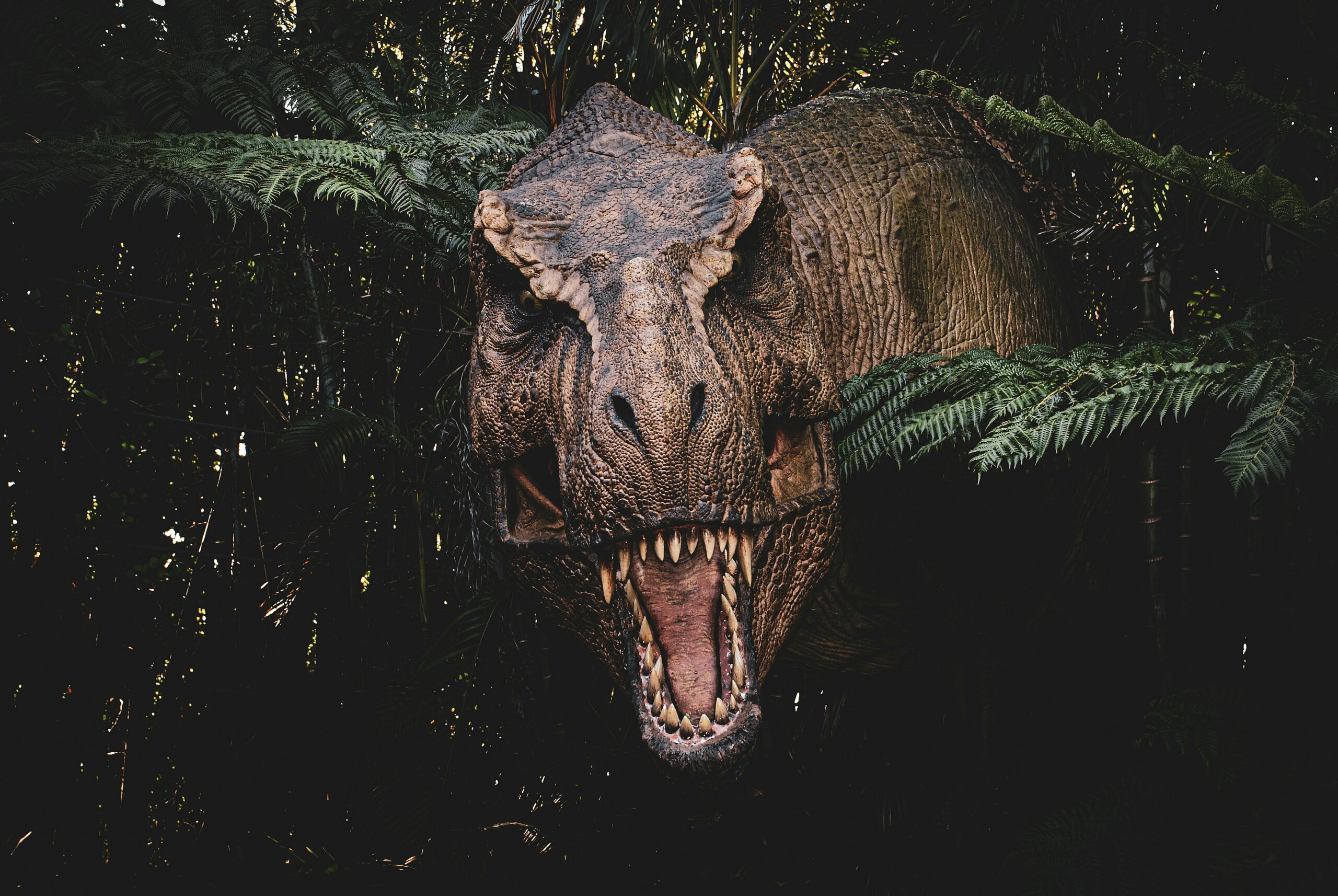
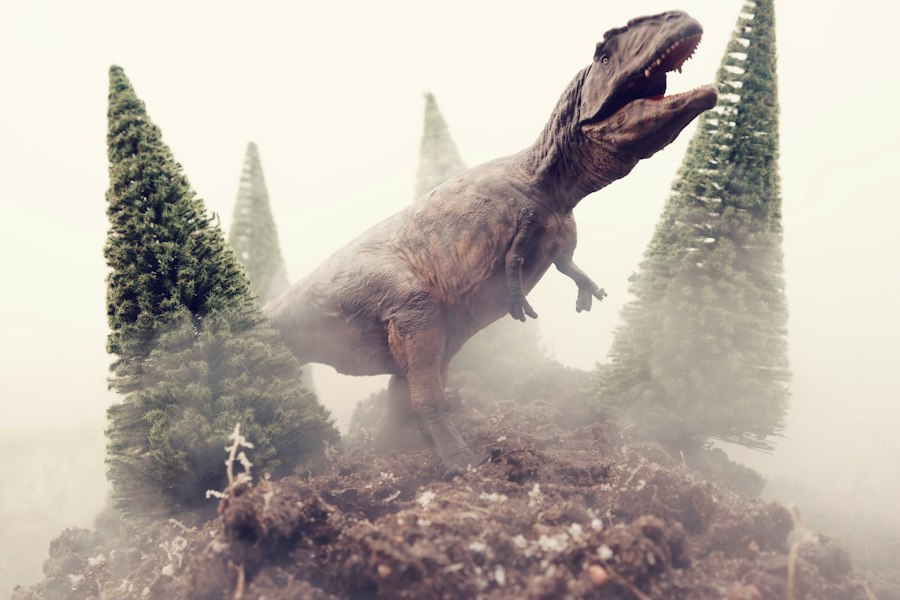
The Mesozoic Era, often dubbed the “Age of Reptiles,” witnessed the rise of some of the most iconic and fearsome predators to have ever walked the Earth. Among these, the theropod dinosaurs stand as undisputed monarchs. Tyrannosaurus Rex, the “tyrant lizard king,” epitomizes this era of reptilian dominance. Its colossal size, immense skull studded with serrated teeth the size of bananas, and powerful hind limbs designed for devastating lunges made it the apex predator of Late Cretaceous North America. But T. Rex was not alone in its reign of terror. Allosaurus, a formidable predator of the Late Jurassic, possessed a lighter build and a more agile frame, its powerful jaws and sharp claws capable of taking down even the largest herbivores. Spinosaurus, with its distinctive sail and semi-aquatic lifestyle, carved a niche for itself in the Cretaceous rivers and swamps of Africa, its long, crocodile-like snout and conical teeth perfectly adapted for snatching fish and other aquatic prey. These were not merely beasts of burden; they were finely tuned killing machines, products of eons of evolutionary refinement.
The Rise of Mammalian Hunters
As the reign of the dinosaurs waned, a new wave of predators began to emerge: mammals. While early mammals were often small and shrew-like, they diversified rapidly after the K-Pg extinction event. The Cenozoic Era saw the evolution of formidable mammalian carnivores, each adapted to its unique environment. Saber-toothed cats, such as Smilodon, with their impossibly long, flattened canine teeth, were masters of ambush, capable of dispatching large prey with a swift, precise bite to the throat. The dire wolf, a larger and more robust relative of modern wolves, hunted in packs, overwhelming their prey through sheer numbers and relentless pursuit. In the oceans, the ancestors of modern whales and dolphins evolved into powerful marine predators, some, like Basilosaurus, reaching immense sizes and preying on fish and other marine life. These mammalian hunters, while different in form from their reptilian predecessors, shared the same fundamental drive: to hunt, to kill, and to survive.
Specialized Adaptations for Predation
The success of these ancient hunters was not solely due to size and brute strength. Evolution had equipped them with an astonishing array of specialized adaptations. Enhanced senses played a crucial role. Keen eyesight, capable of detecting movement from great distances, was common, as was an acute sense of smell, allowing predators to track prey over vast territories. Hearing, too, was often finely tuned, capable of distinguishing the faintest rustle of leaves or the distant snap of a twig. Beyond sensory organs, their physical attributes were honed for the hunt. Powerful jaws, equipped with specialized teeth for tearing flesh or crushing bone, were a defining feature of many carnivores. Claws, sharp and retractable or perpetually exposed, served as weapons for grappling and dispatching prey. In some cases, unique predatory strategies evolved. The feathered Velociraptors, for instance, are now understood to have possessed a large, retractable sickle-shaped claw on each foot, a formidable weapon for incapacitating prey. Some marine predators evolved speed and agility, becoming the agile hunters of the open seas, while others developed stealth and camouflage, blending seamlessly with their surroundings to launch surprise attacks.
In the quest to understand how prehistoric creatures survived in a world filled with formidable predators, it is fascinating to explore the various adaptations and strategies they developed. A related article that delves into the technological advancements of ancient civilizations and their impact on survival is available at Uncovering Ancient Tech: The Lore and Order. This piece provides insights into how early humans and their ancestors utilized tools and innovation to navigate the challenges posed by their environment, including encounters with dangerous wildlife.
The Art of Evasion: Surviving the Ancient Gauntlet
While the ancient predators were undeniably impressive, their success was not absolute. For every predator that fed, there was a multitude of prey species desperately fighting for their existence. The evolutionary arms race between predator and prey was a constant, driving innovation and adaptation on both sides. The success of prey species lay not in their ability to overpower their attackers, but in their mastery of evasion, their capacity to anticipate threats and disappear before the killing blow could be struck.
The Power of the Herd and the Flock
For many herbivores, survival was a numbers game. Herding behavior provided a significant advantage against predators. A large group of individuals offered a greater chance of spotting an approaching threat, as more eyes were scanning the horizon. The sheer density of the herd could also confuse and deter predators, making it difficult to single out and isolate an individual. When a predator attacked, the herd could stampede, creating a chaotic and overwhelming mass that offered protection through anonymity. Similarly, flocking behavior in smaller prey animals served a similar purpose. A flock of birds, for instance, can create a dazzling aerial display when startled, making it difficult for raptors to focus on a single target. The synchronized movements of a flock can also act as a deceptive tactic, confusing the predator about the direction and movement of individual birds. This collective defense, a testament to social evolution, proved an incredibly effective strategy for survival.
Masters of Camouflage and Mimicry
In the silent world of the prehistoric wilderness, blending in was often as effective as roaring loudly. Camouflage, the art of concealment through coloration and pattern, was a vital tool for both predator and prey. Many herbivores evolved to possess coloration that matched their environment – earthy browns and grays for plains dwellers, dappled greens and browns for forest inhabitants. This allowed them to disappear into the landscape, rendering them invisible to the keen eyes of hungry carnivores. Some species took this a step further, developing disruptive coloration, where bold patterns broke up the outline of their bodies, making them appear as mere shadows or part of the surrounding vegetation. Mimicry, the imitation of another organism, also played a role. Some non-venomous snakes evolved to resemble venomous species, deterring predators through the threat of a dangerous bite they did not possess. Invertebrates, too, employed mimicry, with some insects resembling twigs or leaves, rendering them virtually indistinguishable from their surroundings.
Speed, Agility, and Defensive Fortifications
For those prey animals that could not rely on stealth or numbers, speed and agility became paramount. Many herbivores evolved long, powerful legs, enabling them to outrun their pursuers. The graceful gazelles of the ancient plains, capable of remarkable bursts of speed and agile turns, were a testament to this strategy. Similarly, many arboreal creatures, like prehistoric primates, relied on their agility and ability to leap between branches to escape terrestrial predators. However, speed was not the only answer. Some prey species evolved formidable defensive fortifications. The evolution of armor, in the form of bony plates, thick hides, or sharp spines, provided a physical barrier against attack. Ankylosaurus, a heavily armored herbivore of the Late Cretaceous, was a walking fortress, its body covered in osteoderms and its tail ending in a formidable club, capable of inflicting devastating damage on any attacker. Stegosaurus, with its distinctive plates along its back and spikes on its tail, presented a similarly daunting prospect for predators. These defensive adaptations were the last line of defense, designed to deter or injure a predator, allowing the prey precious moments to escape.
The Sensory Battlefield: Senses in the Struggle for Life
The prehistoric world was a symphony of senses, a constant interplay of perception and deception. The success of both predator and prey hinged on their ability to perceive and interpret their surroundings, to detect threats and opportunities through their finely tuned sensory organs. This sensory battlefield was a critical arena where the fate of individuals and species was decided.
The Power of Sight in the Hunt and the Hide
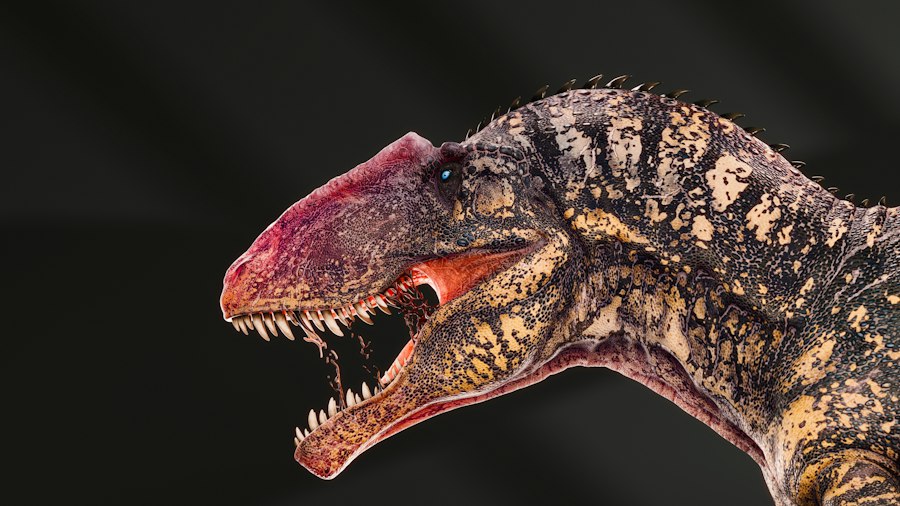
Vision was a primary sense for many prehistoric hunters and their quarry. The large, forward-facing eyes of many theropod dinosaurs, like Tyrannosaurus Rex, suggest binocular vision, providing excellent depth perception crucial for accurately judging distances when launching an attack. The ability to see in low light conditions, perhaps aided by a reflective layer at the back of the eye, would have given nocturnal predators a distinct advantage. Conversely, prey animals also evolved specialized vision. The eyes of many herbivores were positioned on the sides of their heads, offering a wider field of vision, allowing them to scan for threats from multiple directions. Some animals, like the prehistoric Oviraptor, might have possessed color vision, enabling them to discern the subtle changes in foliage or the warning colors of poisonous prey. The ability to detect subtle movements, even in the periphery, was a vital asset for both the hunter and the hunted.
The Invisible World of Scent and Sound
While sight was crucial, the invisible realms of scent and sound played equally vital roles in the prehistoric drama. An acute sense of smell was indispensable for many carnivores, allowing them to track prey over long distances, even when visual cues were absent. The large olfactory bulbs of the fossilized skulls of many predatory dinosaurs attest to their reliance on scent. They could follow the faintest trace of an animal’s passage, guiding them through dense forests or across open plains. For prey animals, a keen sense of smell could serve as an early warning system, detecting the scent of an approaching predator long before it was visible. Similarly, sound was a critical element of the sensory landscape. The sensitive hearing of many animals allowed them to detect the rustle of leaves, the snap of a twig, or the distant roar of a predator. Some predators may have possessed specialized hearing, capable of pinpointing the exact location of prey through echolocation, much like modern bats. Prey animals, in turn, developed ways to mask their sounds or to communicate danger through alarm calls, further intensifying the sensory competition.
Beyond the Obvious: Touch, Taste, and Other Subtle Clues
While sight, scent, and sound often dominate discussions of sensory perception, other senses played significant roles in the prehistoric world. The sense of touch, for instance, was important for navigating complex environments and for detecting subtle vibrations. Many animals possessed sensitive whiskers or barbels, allowing them to feel their way through darkness or to sense the presence of prey in murky waters. The sense of taste was also crucial, not only for discerning edible food from toxic substances but also for social signaling. Some animals may have used taste to identify individuals within a group or to assess the reproductive readiness of potential mates. Even subtle cues, such as changes in air pressure or the detection of electrical fields, may have been utilized by some prehistoric creatures, though the fossil record offers less direct evidence for these more specialized senses. Nevertheless, it is clear that the sensory world of the prehistoric wild was a complex and multifaceted one, where success depended on the masterful exploitation of every available sensory input.
The Evolutionary Arms Race: Shaping Life Through Conflict
The constant struggle between predator and prey was not merely a matter of individual survival; it was a powerful engine of evolutionary change. This ongoing arms race, a relentless cycle of adaptation and counter-adaptation, shaped the very forms and behaviors of countless species, driving the diversification of life over millions of years.
Arms Race in Action: Defensive Evolutions
The pressure exerted by predators acted as a potent selective force, favoring prey individuals with even the slightest advantage in defense. The evolution of armor, as seen in the stegosaurs and ankylosaurs, is a prime example. As predators became more adept at piercing hides, herbivores evolved thicker, more robust bony plates and spikes. Similarly, the development of venom in some ancient reptiles and insects was likely a response to predators that were resistant to physical attacks. The evolution of speed and agility in herbivores was a direct response to the pursuit capabilities of carnivores. Over time, this led to increasingly specialized and efficient runners and jumpers, capable of outmaneuvering their pursuers. Even the subtle changes in coloration for camouflage were driven by this relentless pressure, with prey species evolving to match the ever-changing visual landscapes presented by their predators.
Arms Race in Action: Offensive Evolutions
The same evolutionary pressures that shaped prey also drove the development of increasingly sophisticated hunting strategies and weaponry in predators. The evolution of larger and more powerful jaws and teeth in carnivores allowed them to tackle larger and better-defended prey. The development of specialized claws, designed for grappling, tearing, or holding prey, further enhanced their predatory capabilities. The refinement of sensory organs, such as enhanced eyesight and sense of smell, enabled predators to locate and track prey more effectively. In some instances, predators even evolved to exploit the defensive strategies of their prey. For example, as prey animals developed better camouflage, predators evolved more acute senses to detect them, or developed new hunting techniques, such as ambush tactics. The emergence of pack hunting in some mammalian carnivores, like the dire wolf, was a direct response to the challenges of bringing down larger or more formidable prey.
Co-evolutionary Partnerships and Dead Ends
This constant interplay between predator and prey often led to co-evolutionary partnerships, where two species evolve in response to each other. The classic example is the relationship between flowering plants and their pollinators, but similar dynamics existed in the predator-prey world. Certain prey species might evolve a specific defensive mechanism that is particularly effective against a dominant predator, leading the predator to evolve a counter-strategy. This can lead to a highly specialized arms race, where neither species can survive without the other. However, this evolutionary dynamism also led to evolutionary dead ends. A predator that evolved a specialized hunting technique might become extinct if its primary prey species disappeared. Similarly, a prey species that relied too heavily on a single defensive strategy might be wiped out if a predator evolved a way to overcome that defense. The fossil record is littered with the remains of species that were ultimately unable to keep pace with the relentless demands of the evolutionary arms race.
Surviving predators in the prehistoric wild required not only physical prowess but also strategic thinking and resource management. Understanding how to maximize available resources was crucial for early humans and their ancestors. For insights into how modern technology can enhance resource utilization, you can explore this article on maximizing resources with ISRU technology, which draws parallels to the survival strategies of our ancestors in their quest to thrive amidst formidable challenges.
Echoes of the Past: Lessons from Prehistoric Survival
| Metric | Description | Estimated Value | Significance |
|---|---|---|---|
| Average Lifespan | Typical lifespan of prey species in prehistoric wild | 5-15 years | Indicates survival success against predators |
| Predator Attack Frequency | Number of predator attacks per month per prey | 2-5 attacks | Measures predation pressure |
| Escape Success Rate | Percentage of predator attacks evaded successfully | 60-80% | Shows effectiveness of prey defense mechanisms |
| Camouflage Efficiency | Effectiveness of natural camouflage in avoiding detection | 70% | Reduces likelihood of predator encounters |
| Group Size | Average number of individuals in prey groups/herds | 10-50 individuals | Improves vigilance and reduces individual risk |
| Predator Species Diversity | Number of predator species in a given prehistoric ecosystem | 5-15 species | Impacts prey survival strategies |
| Speed (Prey) | Average running speed of prey species | 30-60 km/h | Critical for escaping predators |
| Speed (Predators) | Average running speed of predator species | 40-70 km/h | Determines hunting success |
The study of ancient hunters and their prey offers far more than just a glimpse into a lost world. It provides profound insights into the fundamental principles of life, evolution, and the intricate web of ecological relationships. The strategies and adaptations that allowed creatures to thrive and survive in these ancient environments continue to resonate today, offering valuable lessons for understanding the present and shaping the future.
The Enduring Power of Adaptation
Perhaps the most significant takeaway from studying prehistoric predators and prey is the sheer power of adaptation. Life, when faced with immense challenges, finds a way. The incredible diversity of forms, behaviors, and sensory capabilities that evolved in response to the pressures of predation and survival is a testament to the relentless ingenuity of natural selection. This principle of adaptation remains a cornerstone of biology today, explaining the resilience of species in the face of environmental change and the ongoing evolution of life on Earth. Understanding how ancient life adapted to extreme conditions can inform our strategies for conserving modern biodiversity in the face of anthropogenic pressures.
Ecological Interdependence and Balance
The prehistoric world was a stark reminder of the profound interdependence of all living things. The existence of apex predators shaped entire ecosystems, influencing the behavior, distribution, and even the physical characteristics of their prey. In turn, the availability of prey sustained these predators, creating a delicate ecological balance. Disruptions to this balance, whether through environmental catastrophe or the introduction of invasive species, could have cascading effects, leading to widespread extinctions or radical shifts in ecosystem structure. This understanding of ecological interconnectedness is crucial for managing and preserving modern ecosystems, highlighting the importance of maintaining biodiversity and preventing the collapse of food webs.
The Specter of Extinction and Resilience
The fossil record is a stark testament to the pervasive reality of extinction. The vast majority of species that have ever lived are no longer on Earth, many falling victim to the challenges posed by predators, environmental change, or their own evolutionary limitations. However, it also reveals incredible resilience. The ability of life to persist, to diversify, and to rebound after mass extinction events demonstrates an extraordinary capacity for survival. By studying the causes and consequences of past extinctions, we can gain valuable insights into the threats facing life today and develop strategies to mitigate them. The lessons learned from the ancient wild, from the magnificent hunters to the cunning survivors, continue to illuminate our understanding of life’s enduring journey.

20,000 Years Ago | The Coldest Journey in Human History
FAQs
What were some common predators in the prehistoric wild?
Common predators in the prehistoric wild included dinosaurs such as Tyrannosaurus rex, Velociraptors, Spinosaurus, and large marine predators like Mosasaurus.
How did prehistoric animals defend themselves against predators?
Prehistoric animals defended themselves against predators using various strategies such as camouflage, speed, size, armor, horns, spikes, and even group defense tactics.
Were there any prehistoric animals that were apex predators?
Yes, there were several apex predators in the prehistoric wild, including the Tyrannosaurus rex, Spinosaurus, and Megalodon, which were at the top of the food chain in their respective ecosystems.
What adaptations did prey animals develop to survive in the prehistoric wild?
Prey animals in the prehistoric wild developed adaptations such as keen senses, speed, agility, defensive structures like horns or armor, and the ability to camouflage themselves to avoid predators.
How did early humans survive encounters with prehistoric predators?
Early humans survived encounters with prehistoric predators by using tools, weapons, fire, and living in groups for protection. They also learned to avoid certain areas or times when predators were most active.