The story of humanity is, at its core, a saga of survival. Long before the advent of agriculture, written language, or even sophisticated tools, our ancestors faced a world of unforgiving elements, formidable predators, and scarce resources. The development of the human brain, the bipedal stance, and the dextrous hand are all intimately linked to the relentless pressures of prehistoric existence. These ancient skills, honed over millennia, not only allowed early hominids to endure but also fundamentally shaped the trajectory of human evolution, paving the way for the complex societies we inhabit today. From the primal act of finding sustenance to the intricate dance of social cooperation, every successful strategy was a testament to ingenuity, adaptability, and a profound connection to the natural world.
The Forge of Hunger: Mastering the Art of Foraging and Hunting
The daily struggle for calories was the primary driver for countless innovations and adaptations in early human history. Without the luxury of stored food or cultivated crops, survival hinged on the ability to efficiently acquire nourishment from the environment. This demanded a keen understanding of ecosystems, plant properties, and animal behaviors, skills that were passed down through generations, refined with each passing epoch.
The Knowledge of Roots and Berries: Botanical Intelligence
Foraging for edible plants was a fundamental survival strategy for all early hominids. This was not a passive activity; it required a sophisticated and nuanced understanding of the local flora. Early humans had to learn to distinguish between nourishing roots, tubers, and fruits, and their poisonous counterparts. This knowledge was acquired through observation, experimentation, and often, trial and error, though the cost of error could be fatal. They would have learned to identify seasonal availability, optimal harvesting times, and the most nutritious parts of a plant. The development of techniques for processing plants, such as pounding seeds to release their nutrients or leaching toxins from certain roots, was also a crucial advancement. This botanical intelligence allowed for a more stable food supply, supplementing periods of scarcity and providing essential vitamins and minerals. The ability to remember the locations of fruiting trees or patches of edible greens, and to communicate this information within a group, was vital for communal survival. This deep, instinctual understanding of plant life fostered a profound connection to the land, an awareness that is largely lost in modern industrial societies.
The Stalk and the Spear: The Dawn of Predatory Prowess
While foraging provided a baseline sustenance, the acquisition of animal protein offered a richer and more calorific food source. This pushed early humans to develop sophisticated hunting techniques. Initially, this likely involved opportunistic scavenging of carcasses left by larger predators, a practice that required vigilance and the ability to defend a kill from other scavengers. As tool use evolved, so too did hunting strategies. The development of projectile weapons, such as spears and later, bows and arrows, allowed for hunting larger and more dangerous prey from a safer distance. This transitioned hunting from a purely reactive endeavor to a proactive pursuit, demanding incredible patience, stealth, and an intimate knowledge of animal behavior. Hunters needed to understand migration patterns, den locations, breeding seasons, and the weaknesses of their quarry. The tracking of prey across vast distances, deciphering subtle signs in the environment – a broken twig, a disturbed patch of earth, a faint scent – was an art form. The communal nature of hunting also played a significant role in social development, fostering cooperation, communication, and the division of labor. The success of a hunt often depended on the coordinated efforts of a group, each member understanding their role and trusting their companions.
The Firekeepers: Taming the Flame for Sustenance and Safety
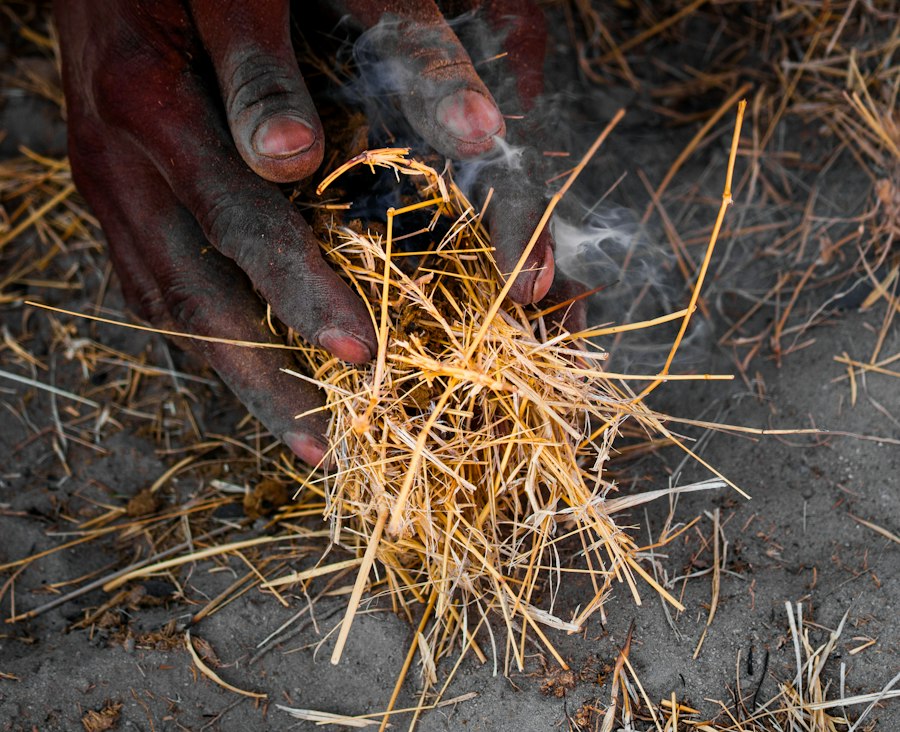
The mastery of fire was a watershed moment in human evolution, profoundly impacting survival in numerous ways. Beyond its role in providing warmth and light, fire revolutionized food preparation. Cooking meat and certain plants made them more digestible, unlocking nutrients that would otherwise be unavailable, and also killed harmful pathogens, reducing the risk of disease. This dietary improvement likely contributed to the further development of the human brain, which is metabolically demanding. Fire also acted as a powerful deterrent against nocturnal predators, providing a sense of security in vulnerable campsites. The ability to control and maintain fire required knowledge and diligence, often involving the careful selection of fuel and the constant tending of the flames. This shared responsibility around the hearth fostered social bonding and the transmission of knowledge. The control of fire allowed humans to expand their habitable range, venturing into colder climates where warmth was a critical survival factor. It transformed the harshness of the night into a period of relative safety and communal gathering.
Understanding the prehistoric survival skills of our ancestors provides valuable insights into how they adapted to their environments and overcame challenges. For a deeper exploration of how the manipulation of truth and perception can impact our understanding of history, you may find the article “The Illusion of Truth: How Power Conceals Reality” insightful. It discusses the broader implications of knowledge and survival, linking past and present narratives. You can read it here: The Illusion of Truth: How Power Conceals Reality.
Shelter from the Storm: Engineering Habitable Spaces
The human body, while adaptable, is not inherently equipped to withstand extreme weather conditions. Therefore, the development of effective shelter was paramount for survival. This ranged from simple adaptations of natural features to the construction of more elaborate, albeit rudimentary, structures.
Embracing the Earth: Utilizing Caves and Overhangs
Nature often provided the first and most accessible forms of shelter for early humans. Caves, rock overhangs, and dense thickets offered immediate protection from rain, wind, sun, and predators. However, simply occupying a natural shelter was not without its challenges. The selection of an appropriate site required an understanding of its defensibility, proximity to water and food sources, and its exposure to prevailing winds and sunlight. Furthermore, these natural shelters often needed to be improved. This could involve reinforcing entrances with branches or stones to deter predators, or clearing out debris to create a more comfortable living space. The careful observation of animal behavior would have informed the choice of caves, avoiding those already occupied by dangerous creatures. The strategic use of these natural havens allowed early humans to conserve energy and focus on other survival imperatives, rather than expending resources on constant construction.
Building Blocks of Survival: Early Structures and Innovations
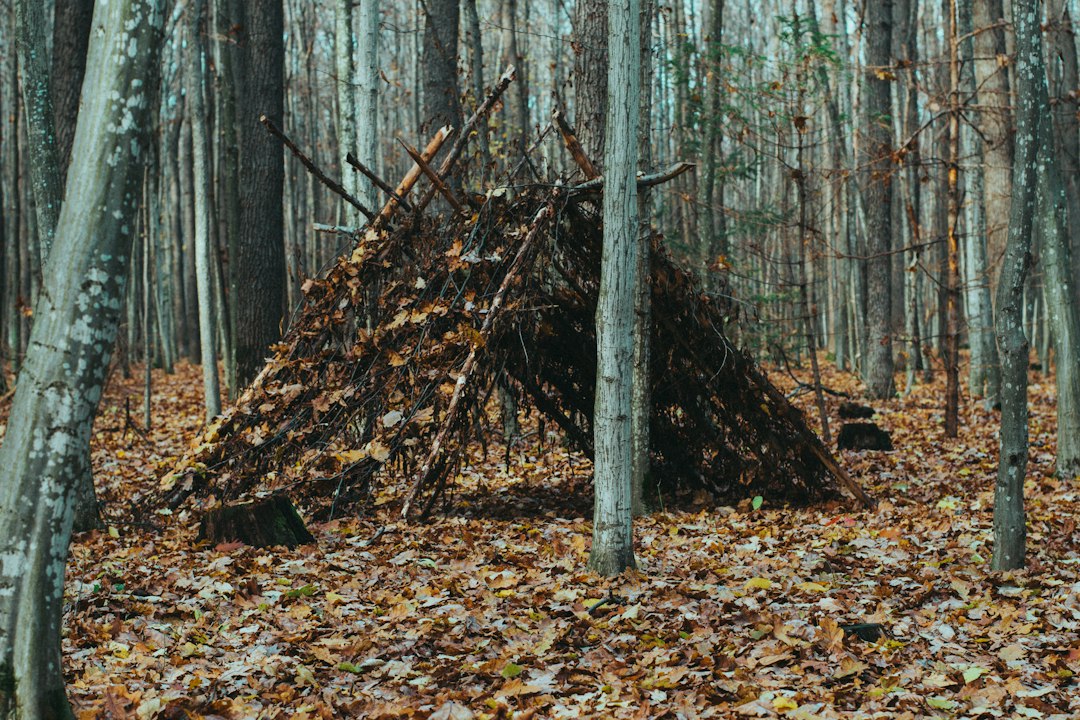
As human populations grew and dispersed, the reliance on readily available natural shelters became insufficient. This spurred the development of rudimentary construction techniques. Early shelters were likely simple in design, utilizing readily available materials from the immediate environment. The construction of lean-tos, made by propping branches against a natural support like a fallen tree or a rock face, provided a basic shield from the elements. Huts constructed from interwoven branches, mud, and animal hides offered more robust protection. The understanding of how to layer materials for insulation and waterproofing, however basic, was a crucial innovation. The selection of suitable building materials – the strength of specific woods, the insulating properties of certain clays, the water-repellent nature of animal skins – was learned through experience. The development of techniques for binding materials together, using sinew or plant fibers, was also a significant step. These early structures allowed humans to establish more permanent or semi-permanent settlements, facilitating the development of more complex social structures and the accumulation of knowledge. The ability to adapt building techniques to different environments, from the frozen north to arid plains, further demonstrates the ingenuity of our ancestors.
The Social Fabric: Cooperation, Communication, and Culture

Survival was rarely a solitary endeavor for early humans. The challenges of the prehistoric world fostered an inherent need for cooperation, communication, and the development of social bonds. These elements were not merely beneficial; they were essential for the long-term survival and evolution of the species.
The Language of the Tribe: The Evolution of Communication
Effective communication was fundamental to coordinated action and the transmission of vital knowledge. While the exact origins of language remain a subject of debate, it is undeniable that early humans developed increasingly sophisticated means of conveying information. This likely began with gestures, facial expressions, and vocalizations, gradually evolving into more complex sounds and eventually, rudimentary spoken language. The ability to communicate warnings about predators, to coordinate hunting efforts, to share information about food sources, and to express needs and emotions was a powerful evolutionary advantage. The development of shared symbols and eventually, early forms of art, also served as a means of communication and cultural transmission. The ability to recount past events, to share knowledge about medicinal plants, or to explain tool-making techniques verbally allowed for the accumulation of experience beyond individual lifetimes. This collective memory and shared understanding formed the bedrock of early cultures.
Strength in Numbers: The Power of Group Cooperation
The benefits of group living were immense for early hominids. Cooperation allowed for the undertaking of tasks that would be impossible for an individual. Hunting large game, defending against predators, sharing childcare, and constructing shelters all benefited from collective effort. This interdependence fostered strong social bonds and a sense of belonging. The division of labor, where individuals specialized in different roles based on their strengths and abilities, further enhanced group efficiency. For example, some individuals might have been more adept at tracking, while others were skilled in toolmaking or foraging. This specialization, facilitated by communication and trust, allowed the group to exploit a wider range of resources and to cope more effectively with environmental challenges. The development of reciprocal altruism, where individuals helped each other with the expectation of future reciprocation, was likely a key factor in the stability and success of these early social groups.
The Seeds of Tradition: The Emergence of Culture
The shared experiences, beliefs, and practices of a group constituted the beginnings of culture. This included the development of shared rituals, stories, and belief systems that helped to explain the world and to provide a sense of identity and purpose. The transmission of these cultural elements from one generation to the next was crucial for maintaining social cohesion and ensuring the continuation of successful survival strategies. Early forms of art, such as cave paintings and carved objects, likely served not only as a means of communication but also as a way to express spiritual beliefs, to record important events, or to pass down knowledge about the natural world. The adherence to social norms and taboos, however informal, helped to regulate behavior within the group, minimizing conflict and promoting cooperation. This emerging cultural framework provided a sense of order and predictability in an otherwise unpredictable world, contributing to the resilience of early human societies.
Tools of Survival: The Ingenuity of Stone and Bone
The development and refinement of tools represent a defining characteristic of the human lineage. From the earliest rudimentary stone flakes to more complex composite tools, these inventions dramatically expanded the capabilities of our ancestors, allowing them to manipulate their environment and to overcome physical limitations.
The First Sparks of Innovation: Early Stone Toolmaking
The Oldowan stone tool industry, dating back over two million years, marks one of the earliest instances of deliberate tool manufacture. These were simple, yet effective, tools created by striking one stone against another to produce a sharp edge. These early choppers and flakes were instrumental in butchering carcasses, scraping hides, and preparing plant materials. The ability to create sharp edges allowed early hominids to access resources that were previously unavailable or difficult to process. This was not merely a matter of chance; it required an understanding of fracture mechanics and the properties of different types of stone. The selection of suitable raw materials, the deliberate striking angles, and the careful shaping of the edges all point to a growing cognitive capacity for planning and execution. The widespread distribution of Oldowan tools suggests a significant advancement in technological diffusion and the learning of these skills across different groups.
Beyond the Stone: The Versatility of Bone and Wood
While stone tools were foundational, early humans also ingeniously utilized other readily available materials. Bone, antler, and wood were shaped into tools for a variety of purposes. Bone awls and needles allowed for the sewing of animal hides into clothing and shelters, providing crucial protection against the elements. Antler points could be used as spearheads or digging sticks. Wood was shaped into spears, clubs, and eventually, more complex implements. The knowledge of how to carve, sharpen, and polish these materials, and to understand their relative strengths and weaknesses, was essential. The development of composite tools, such as hafting a stone axe head onto a wooden handle, represented a significant leap in technological sophistication, providing greater leverage and efficiency. The ability to create tools from a range of materials allowed for a more diversified approach to survival, adapting to the specific resources available in different environments. This flexibility was a hallmark of successful adaptation and expansion.
The Hand of the Artisan: Fine-Tuning Skills for Precision
As time progressed, stone tool technology became increasingly sophisticated, moving beyond simple flake production to more finely crafted implements. The Acheulean handaxe, a bifacially flaked stone tool with a more symmetrical and refined shape, exemplifies this evolution. The creation of such tools required a greater degree of planning, foresight, and manual dexterity. The artisan had to envision the final form of the tool and execute a series of precise strikes to achieve it. This development not only resulted in more effective tools but also indicated a growing capacity for abstract thought and an appreciation for form and function. The subsequent Mousterian and Upper Paleolithic industries saw the production of even more specialized tools, including scrapers, knives, and projectile points, demonstrating a mastery of lithic technology and a deep understanding of the functional requirements of different tasks. This continuous refinement of toolmaking skills was a testament to human ingenuity and a key driver of our evolutionary success.
Understanding the prehistoric survival skills of our ancestors provides valuable insights into how they adapted to their environments. For instance, their ability to manipulate natural resources was crucial for their survival, much like the ancient hydraulic engineering techniques discussed in a fascinating article. You can explore these remarkable innovations and their significance in the context of survival by reading more about them in this related article.
The Evolving Mind: Cognitive and Behavioral Adaptations
| Skill | Description | Estimated Time Period | Purpose | Tools/Techniques Used |
|---|---|---|---|---|
| Fire Making | Ability to create and control fire for warmth, cooking, and protection | Approx. 1.5 million years ago | Cooking food, warmth, protection from predators | Friction methods, striking stones (flint) |
| Stone Tool Crafting | Creating sharp-edged tools from stones for hunting and processing materials | Approx. 2.6 million years ago | Hunting, cutting, scraping, and building | Flaking stones, chipping techniques |
| Hunting and Gathering | Techniques for tracking, hunting animals, and gathering edible plants | Since early Homo species, over 2 million years ago | Food acquisition and survival | Spears, traps, knowledge of edible plants |
| Shelter Building | Constructing shelters from natural materials for protection | Approx. 400,000 years ago | Protection from weather and predators | Wood, bones, leaves, and animal hides |
| Clothing and Body Adornment | Using animal hides and natural fibers to create clothing | Approx. 170,000 years ago | Protection from cold and insects | Animal skins, bone needles, weaving |
| Water Sourcing and Purification | Finding and making water safe to drink | Since early human settlements | Hydration and health | Boiling, filtering through sand or charcoal |
| Tracking and Navigation | Reading animal tracks and natural landmarks for hunting and migration | Since early hunter-gatherer societies | Locating prey and safe routes | Observation, memory, and natural signs |
The relentless demands of prehistoric survival were not only physical but also cognitive. The pressures of finding food, avoiding danger, and navigating complex social landscapes spurred the development of the human brain and a suite of crucial behavioral adaptations.
Seeing the World Anew: Enhanced Perception and Problem-Solving
The need to survive in a dynamic and often dangerous environment required early humans to develop heightened sensory perception and advanced problem-solving abilities. This included the capacity for detailed observation of the environment, recognizing subtle changes in weather patterns, animal behavior, and plant growth. The ability to learn from experience, to remember successful strategies, and to adapt to new challenges was paramount. The development of foresight and planning, essential for tasks like seasonal migration or stockpiling resources, further reflects the evolving cognitive landscape. The capacity for abstract thought, as evidenced by toolmaking and early art, allowed for the conceptualization of abstract problems and the development of novel solutions. This iterative process of observation, learning, and adaptation fueled the growth of the human intellect.
The Blueprint of the Brain: Neuroplasticity and Learning
The human brain is characterized by its remarkable neuroplasticity – its ability to reorganize itself by forming new neural connections throughout life. This plasticity was undoubtedly a critical factor in our evolutionary success, allowing individuals and populations to adapt to diverse environmental pressures. The constant need to learn new skills, to remember complex information about the environment and social dynamics, and to innovate in response to challenges likely drove the selection for brains with greater capacity for learning and adaptation. The development of memory, spatial reasoning, and the ability to process complex social information were all fostered by the demands of prehistoric life. This inherent capacity for learning provided a flexible blueprint for survival, allowing humans to thrive in a vast array of ecological niches.
The Foundation of Future Societies: Empathy, Altruism, and Innovation
Beyond the individual mind, the evolution of human social behavior was equally critical. The development of empathy – the ability to understand and share the feelings of others – fostered stronger social bonds and facilitated cooperation. Altruism, the selfless concern for the well-being of others, was likely advantageous for group cohesion and survival, especially in contexts of child-rearing and mutual defense. The capacity for innovation, the ability to conceive of and implement new ideas and technologies, was a constant driving force behind human progress. This drive to improve, to find better ways of doing things, was not simply a matter of convenience; it was a fundamental mechanism for overcoming obstacles and securing a future for the species. These foundational social and cognitive traits, forged in the crucible of ancient survival, laid the groundwork for the complex cultures and civilizations that would eventually emerge.

20,000 Years Ago | The Coldest Journey in Human History
FAQs
What are some prehistoric survival skills that our ancestors used?
Our ancestors used various survival skills such as hunting, gathering, making tools from stones and bones, creating fire, building shelters, and identifying edible plants.
How did our ancestors hunt for food in prehistoric times?
Our ancestors hunted for food using tools such as spears, bows and arrows, and traps. They also used teamwork and knowledge of animal behavior to increase their chances of success.
What role did fire play in the survival of our prehistoric ancestors?
Fire played a crucial role in the survival of our prehistoric ancestors by providing warmth, light, protection from predators, and a means to cook food, making it more digestible and safe to eat.
How did our ancestors build shelters to protect themselves from the elements?
Our ancestors built shelters using materials such as branches, leaves, animal hides, and mud. These shelters provided protection from rain, wind, and extreme temperatures, helping them survive in different environments.
Why was the knowledge of edible plants important for the survival of our prehistoric ancestors?
The knowledge of edible plants was important for our prehistoric ancestors’ survival as it allowed them to supplement their diet with fruits, nuts, roots, and other plant-based foods, especially during times when hunting was scarce.