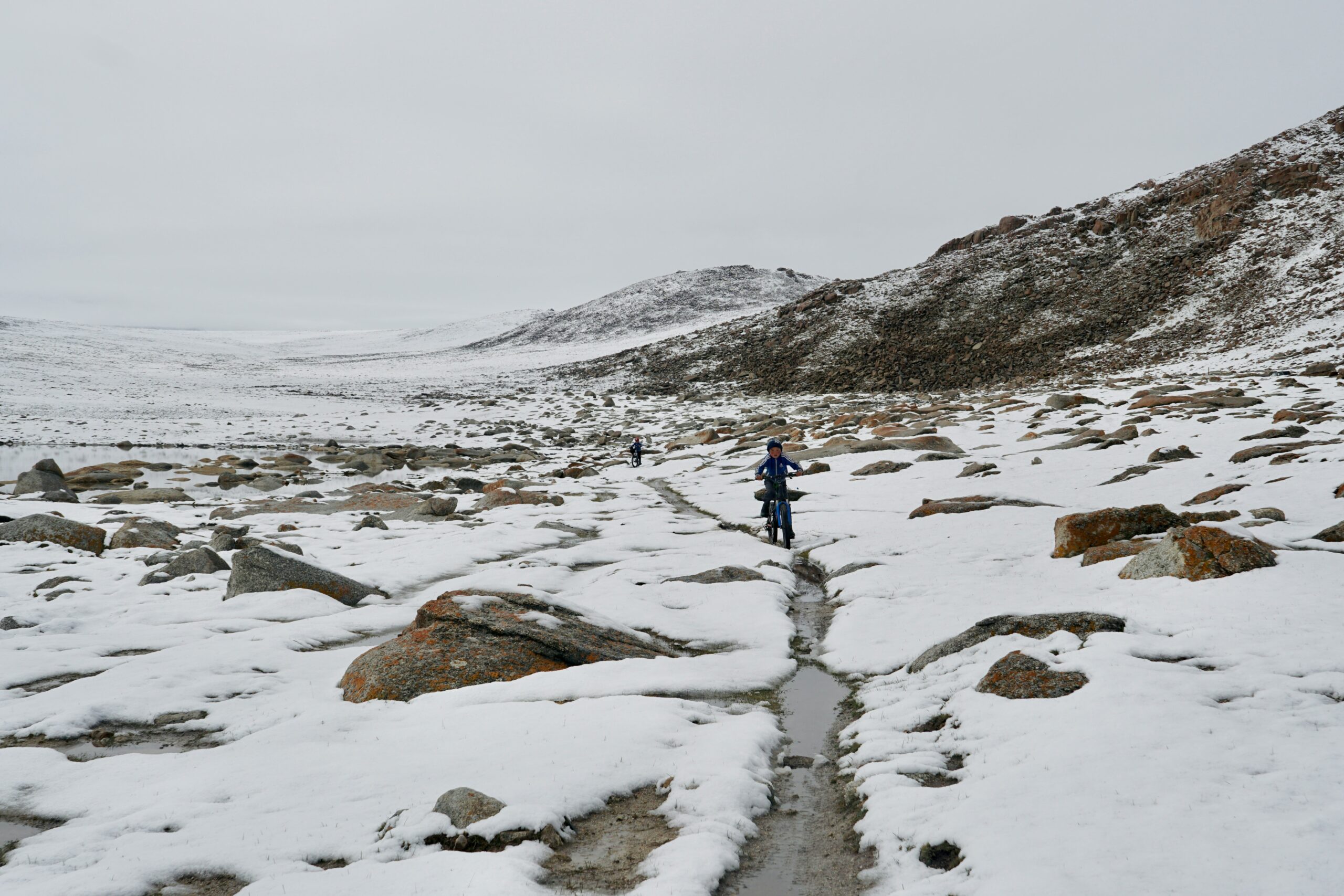
The biting wind, a sculptor of snow and ice, has always been a formidable adversary, yet it has also been a silent witness to humanity’s most audacious journeys. Long before the advent of modern technology, before insulated clothing and GPS trackers, ancient peoples braved frozen landscapes, undertaking expeditions that stretched the very limits of human endurance and ingenuity. These icy expeditions were not mere wanderings; they were driven by necessity, by the pursuit of resources, by the migrations of game, and by the inexorable pull of exploration and cultural exchange. To understand these ancient journeys is to glimpse a profound resilience and a deep understanding of the natural world, a knowledge passed down through generations and etched into the very fabric of our collective history.
Echoes of the Ice Age: Early Migrations and Resourcefulness
The earliest encounters with frozen landscapes are intrinsically linked to the vast migrations of early hominins and the subsequent movements of anatomically modern humans. As the Pleistocene epoch, often referred to as the “Ice Age,” saw glaciers advance and retreat across continents, so too did human populations adapt and move. These were not expeditions in the deliberate, planned sense we might imagine today, but rather organic movements driven by the availability of food and the search for more hospitable environments.
The Paleolithic Footprints in the North
During periods of glacial advance, sea levels dropped significantly, exposing land bridges that allowed for the dispersal of early humans into new territories. The Bering Land Bridge, connecting Siberia and Alaska, stands as a prime example. It is widely accepted that Paleolithic peoples crossed this land bridge, venturing into the Americas during glacial periods when much of the northern hemisphere was locked in ice. These journeys were undoubtedly perilous, involving the navigation of tundra, snowfields, and potentially frozen seas. The primary motivations for these migrations were almost certainly subsistence-based. Large herds of megafauna, such as mammoths, mastodons, and bison, roamed these frozen steppes, providing a vital source of food, hides, and bone for tools and shelter. The ability to track and hunt these animals across vast, snow-covered expanses required an intimate knowledge of their behavior, their migratory patterns, and the subtle clues left behind in the frozen terrain.
Survival Strategies on the Periphery
Beyond large-scale migrations, evidence suggests that ancient peoples also undertook more localized expeditions into colder regions for specific resources. In regions like Ice Age Europe, archaeological sites have revealed the presence of humans even during periods of intense glaciation. These groups likely subsisted on a diet of reindeer, horses, and other cold-adapted animals. Their survival depended on a sophisticated understanding of how to exploit the frozen environment. This included developing rudimentary forms of shelter, often utilizing natural caves or constructing tents from animal hides supported by bone structures. The mastery of fire was crucial, not only for warmth and cooking but also for light and protection against predators in the long, dark winters. The creation of specialized tools, such as finely crafted stone points for spears and projectiles, bone needles for sewing warm clothing, and scrapers for preparing hides, speaks volumes about their adaptability and resourcefulness in overcoming the challenges of extreme cold. These were not passive occupants of the frozen north; they were active participants, actively shaping their environment and carving out a niche for survival.
In exploring the challenges faced by ancient civilizations, one fascinating aspect is their ability to navigate and cross frozen landscapes, which often played a crucial role in trade and migration. A related article that delves into the complexities of navigating harsh environments can be found at this link, where it discusses the geopolitical struggles for resources in extreme conditions, drawing parallels to how ancient peoples adapted to their own challenging terrains.
The Silk Roads and Northern Routes: Trade and Cultural Currents

As human societies became more complex and organized, the motivations for venturing into frozen landscapes expanded beyond mere survival. The development of extensive trade networks, particularly the legendary Silk Roads, saw expeditions venturing through regions that, while not perpetually covered in ice, experienced severe winters and traversed frozen rivers and mountain passes. These were journeys of commerce, of cultural exchange, and of immense logistical challenges.
Navigating the Winter Passes
The transcontinental Silk Roads, a network of trade routes connecting East and West, traversed a vast array of geographical zones, including formidable mountain ranges and high-altitude plateaus that were often impassable for much of the year due to snow and ice. Ancient traders and caravans faced the daunting task of moving goods – silk, spices, precious metals, and more – across these frozen obstacles. This often meant waiting for opportune moments, perhaps brief summer thaws or carefully timed winter crossings when rivers froze solid enough to bear the weight of laden pack animals. The knowledge of safe routes, the ability to read the weather, and the resilience to endure extreme cold were paramount for these expeditions. Stories and accounts from later periods, even if not strictly “ancient” in the earliest sense, often allude to the legendary hardships faced by those who traded across these northern arteries, emphasizing the role of ice and snow as significant barriers and navigational challenges.
The Role of Frozen Waterways
Frozen rivers and lakes, while posing a danger, also presented opportunities for ancient travelers. In regions like Northern Europe and Siberia, frozen waterways served as natural highways during the winter months. Expeditions might utilize sledges pulled by dogs or reindeer to transport goods and people across these frozen surfaces, offering a more efficient and often safer means of travel than attempting to navigate the treacherous terrain or open waters. The construction of ice roads, although likely a more developed technique, might have had ancient precursors in the careful selection of the thickest ice and the knowledge of how to maintain and utilize these frozen pathways. These journeys were not solely about immediate profit; they facilitated the spread of ideas, technologies, and cultural practices, knitting together disparate communities through the shared experience of these challenging, icy expeditions. The movement of people and goods across these frozen arteries was a testament to their determination to connect and to thrive, even in the face of formidable natural barriers.
Arctic Frontiers: Seafaring and the Pursuit of the Unknown

The allure of the icy north, with its vast, seemingly endless expanse of sea and ice, has long captivated human imagination. Ancient mariners, driven by curiosity, the search for new fishing grounds, or the desire to explore the limits of their known world, embarked on daring voyages into Arctic waters, pushing the boundaries of seafaring technology and human courage.
The Saga of the Inuit and Norse Explorations
The indigenous peoples of the Arctic, particularly the Inuit and their predecessors, developed an unparalleled mastery of navigating frozen seas and coastlines over millennia. Their expeditions were deeply intertwined with their subsistence lifestyle, relying on hunting seals, walruses, and whales from kayaks and umiaks that could deftly maneuver through ice floes and open leads. Their profound understanding of ice formation, sea currents, and animal behavior allowed them to undertake extensive journeys for hunting, trade, and inter-group communication. The Norse, on the other hand, known for their seafaring prowess, also ventured into the frigid waters of the North Atlantic. Their explorations, documented in sagas, speak of voyages to Greenland and Newfoundland, undertaken for settlement, trade, and potentially for resources. These were not casual trips; they involved long voyages across often treacherous, ice-laden seas, demanding sturdy ships, skilled navigators, and a remarkable ability to adapt to the harsh Arctic environment. The encounters and interactions between these distinct seafaring cultures in the icy north represent a fascinating chapter in human history.
The Quest for New Hunting Grounds and Resources
The pursuit of sustenance was a primary driver for many ancient Arctic expeditions. As populations grew or local resources became depleted, groups would embark on voyages to discover new hunting grounds for their vital food sources. The migration patterns of marine mammals, the availability of fish, and the presence of valuable resources like walrus ivory or whalebone would have dictated the direction and duration of these journeys. These were not expeditions of conquest or empire-building, but rather focused endeavors driven by the fundamental need to survive and thrive. The knowledge of where and when to find these resources, often held by experienced elders and passed down through oral tradition, was the key to the success of these icy voyages. The willingness to venture into the unknown, into regions where ice could trap ships and the cold could be unforgiving, highlights the deep connection these ancient peoples had with the sea and their reliance on its bounty, even in its most challenging forms.
Alpine Crossings: Taming the Mountain Ice
The world’s mountain ranges, with their towering peaks and perennial snowfields, have always presented formidable barriers to human movement. Yet, throughout antiquity, intrepid individuals and groups found ways to traverse these icy heights, undertaking expeditions that required an intimate knowledge of the terrain and an extraordinary capacity for enduring extreme cold and altitude.
Prehistoric Paths Through the Alps and Beyond
Evidence from various mountain ranges, including the Alps, suggests that prehistoric peoples utilized high-altitude routes for seasonal migrations, hunting, and possibly trade. The discovery of artifacts and even human remains in high mountain passes offers tantalizing glimpses into these ancient journeys. For example, the discovery of Ötzi the Iceman, a remarkably preserved mummy found in the Ötztal Alps, provides a detailed snapshot of a person undertaking a mountain crossing in the Copper Age. Ötzi was equipped with tools, clothing, and supplies that speak to the challenges of such an expedition. These mountain travelers would have navigated treacherous glaciers, steep scree slopes, and unpredictable weather conditions. Their routes were likely dictated by the availability of passes, water sources, and seasonal vegetation for their livestock, if applicable.
The Logistics of High-Altitude Travel
Crossing frozen mountain landscapes demanded a specific set of skills and adaptations. Ancient travelers would have needed to understand the properties of snow and ice, recognizing areas prone to avalanches and the safest routes across glaciers. The construction of rudimentary shelters, perhaps by digging into snowdrifts or utilizing rock overhangs, would have been essential for survival during long nights or unexpected storms. The ability to maintain warmth through layers of animal hides and furs, coupled with the efficient use of fire, was critical. The careful planning of supplies, including food, water, and any necessary tools for climbing or traversing difficult terrain, would have been a prerequisite for any successful high-altitude expedition. These were not impulsive ventures; they were calculated risks undertaken by individuals and groups who possessed a profound respect for the mountains and a deep understanding of how to coexist with their icy embrace.
Exploring the challenges faced by ancient civilizations often leads to fascinating discoveries, such as the ways they navigated frozen landscapes. A related article delves into the complexities of ancient debt and peonage systems, shedding light on how these economic structures influenced migration and survival in harsh environments. For a deeper understanding of these historical dynamics, you can read more about it in this insightful piece on uncovering ancient debt peonage systems.
Legacy of the Frozen Expeditions: Enduring Human Spirit
| Era | Region | Method of Crossing | Distance Covered | Challenges Faced | Notable Expeditions |
|---|---|---|---|---|---|
| Bronze Age (~3000-1200 BCE) | Scandinavia | Ice walking and primitive sledges | Up to 50 km | Thin ice, cold exposure, limited navigation tools | Early Sami migrations |
| Iron Age (~1200 BCE – 600 CE) | Siberia | Dog sleds and snowshoes | 100-200 km | Blizzards, crevasses, food scarcity | Yenisei River crossings by indigenous tribes |
| Classical Antiquity (~500 BCE – 500 CE) | Alps | Snowshoes and pack animals | 30-70 km | Altitude sickness, avalanches, freezing temperatures | Hannibal’s crossing of the Alps (218 BCE) |
| Medieval Period (~500-1500 CE) | Greenland and Arctic regions | Kayaks, dog sleds, and ice walking | Varied, often 50-150 km | Sea ice instability, polar bears, extreme cold | Norse Greenlandic explorations |
| Early Modern Period (~1500-1800 CE) | North America (Arctic) | Dog sleds, umiaks, and snowshoes | 100-300 km | Ice drift, starvation, navigation difficulties | Explorations by Inuit and early European explorers |
The ancient expeditions into frozen landscapes, whether driven by migration, trade, or exploration, leave an indelible legacy on our understanding of human history and our inherent capacity for resilience. These journeys, undertaken with rudimentary tools and a profound connection to the natural world, underscore the enduring spirit of human endeavor and our relentless drive to explore, adapt, and survive in even the most challenging environments.
Archaeological Clues and Anthropological Insights
The study of ancient expeditions into frozen terrains relies heavily on archaeological evidence and anthropological interpretation. The discovery of tools, campsites, human remains, and even genetic studies provide vital clues about the routes taken, the survival strategies employed, and the interactions between different groups. Ice cores, preserving ancient atmospheric conditions, can offer insights into the climate of the past, helping researchers reconstruct the environmental challenges faced by these early travelers. The analysis of ancient trade goods found in distant, icy regions speaks to the extensive networks that ancient peoples established, demonstrating their ability to overcome vast geographical obstacles. These findings are not merely academic curiosities; they offer a window into the ingenuity, adaptability, and sheer tenacity of our ancestors.
Lessons for the Modern World
The stories of ancient icy expeditions offer valuable lessons for the modern world, particularly in an era of climate change. The deep, often instinctual, understanding that ancient peoples possessed of their environment, their ability to live in harmony with its cycles, and their capacity for resourcefulness in the face of extreme conditions are lessons worth heeding. Their respect for the power of nature, their reliance on community and shared knowledge, and their ability to innovate out of necessity are qualities that remain relevant today. As we face new environmental challenges, understanding how our ancestors navigated and thrived in unforgiving, frozen landscapes can provide inspiration and practical wisdom. The legacy of these ancient icy expeditions is a testament to the indomitable human spirit, a spirit that has always been willing to push the boundaries of the possible, even when facing the world’s most formidable frozen frontiers.

20,000 Years Ago | The Coldest Journey in Human History
FAQs
1. How did ancient civilizations cross frozen landscapes?
Ancient civilizations crossed frozen landscapes by using various methods such as sledges, skis, snowshoes, and even animal-drawn sleds. These tools helped them navigate the icy terrain more efficiently.
2. What were some dangers of crossing frozen landscapes in ancient times?
Some dangers of crossing frozen landscapes in ancient times included the risk of falling through thin ice, getting lost in blizzards or whiteouts, and facing extreme cold temperatures that could lead to frostbite or hypothermia.
3. Did ancient people have specific techniques for navigating frozen landscapes?
Ancient people developed specific techniques for navigating frozen landscapes, such as following natural landmarks like mountains or rivers, using the position of the sun or stars for direction, and creating markers in the snow to avoid getting lost.
4. How did ancient civilizations prepare for crossing frozen landscapes?
Ancient civilizations prepared for crossing frozen landscapes by packing warm clothing made from animal skins or wool, bringing food supplies that would not freeze, and ensuring they had the necessary tools for traveling on ice and snow.
5. What were some benefits of crossing frozen landscapes in ancient history?
Some benefits of crossing frozen landscapes in ancient history included the ability to travel more quickly and efficiently over long distances, access to new resources for hunting and gathering, and the opportunity to establish trade routes with neighboring communities.