The allure of the unknown, the primal urge to explore, and the fundamental drive for survival have shaped humanity since its inception. The story of human migration, a saga stretching back tens of thousands of years, is one of unparalleled courage, ingenuity, and adaptation. Today, modern humans stand on the shoulders of these ancient trailblazers, a testament to their resilience. A compelling initiative, “Journey of the Ancients: Reenacting the Dawn of Human Migration,” seeks to breathe life into this profound narrative, offering a unique and immersive experience that bridges the vast chasm of time between our prehistoric ancestors and ourselves. This endeavor is more than just an academic pursuit; it is a deeply personal exploration of our collective origins, a physical manifestation of the courage that propelled our species across continents. By meticulously recreating the tools, techniques, and environmental challenges faced by early humans, participants embark on a journey not just across landscapes, but through the very essence of what it means to be human.
Echoes of the Savannah: The Genesis of Movement
The story of human migration is inextricably linked to the cradle of humankind, the African continent. It was here, amidst the vast savannahs and diverse ecosystems, that our early ancestors first began to venture beyond their immediate surroundings. The impetus for this initial movement was multifaceted, driven by environmental pressures, the search for resources, and an inherent curiosity that would define our species. The “Journey of the Ancients” project endeavors to recreate these formative experiences, allowing participants to grasp the fundamental forces that initiated this epic odyssey.
The Shifting Landscape and Resource Scarcity
The African continent has always been a dynamic environment, subject to periods of dramatic climatic change. These shifts directly impacted the availability of food, water, and shelter, creating powerful incentives for early hominins to seek out more favorable conditions. Understanding these environmental drivers is crucial to appreciating the initial impetus for migration. The project seeks to illustrate this through simulated scenarios, demonstrating how changes in rainfall patterns, vegetation cover, and prey animal distribution would have necessitated movement. Participants learn to observe ecological cues, much like their ancestors would have, to predict resource availability and potential migratory routes.
The Spark of Innovation: Early Toolmaking and Survival
The development of rudimentary tools was a pivotal moment in human evolution, providing the means to exploit new resources and overcome environmental challenges. The earliest stone tools, such as those from the Oldowan tradition, were essential for tasks like butchering carcasses, digging for tubers, and preparing hides. The “Journey of the Ancients” places a significant emphasis on the acquisition and application of these ancient technologies. Participants are tasked with crafting their own stone tools, learning the knapping techniques passed down through generations. This hands-on experience provides a visceral understanding of the skill and knowledge required to survive in a world devoid of modern conveniences.
Foraging and Hunting: The Nomadic Lifestyle
The migratory patterns of early humans were intimately tied to the availability of food. They were primarily foragers and hunters, their lives dictated by the movements of game animals and the seasonal ripening of plants. This nomadic existence required an intimate knowledge of the land, its resources, and the behaviors of its inhabitants. The reenactment seeks to immerse participants in this lifestyle, challenging them to find their own sustenance through foraging for edible plants and understanding the principles of tracking and hunting, albeit in a simulated and ethically managed environment. This aspect of the journey highlights the deep connection early humans had with the natural world and their reliance on its bounty.
The dramatic reenactment of early human migration provides a captivating glimpse into the lives of our ancestors as they navigated the challenges of their environment. For those interested in exploring the broader implications of human innovation and adaptation, a related article discusses the intriguing concept of lost high technology in ancient civilizations. You can read more about this fascinating topic in the documentary featured at Lost High Technology: A Fascinating Documentary.
The Great Exodus: Venturing Beyond the Horizon
The African continent served as the launchpad for the most significant human dispersal event in history: the migration out of Africa. This monumental journey, which unfolded over tens of thousands of years, saw our ancestors populate every corner of the globe, adapting to vastly different environments and developing new cultures and technologies. The “Journey of the Ancients” aims to capture the spirit of this extraordinary expansion, exploring the routes taken and the challenges encountered.
Pathways Out of Africa: The Southern and Northern Routes
Archaeological evidence suggests that early humans left Africa via at least two major pathways: a southern route across the Bab al-Mandab strait into the Arabian Peninsula, and a northern route through the Levant. Each route presented unique environmental hurdles and opportunities. The project simulates the decision-making processes that early hominins might have faced when encountering these crossroads. Participants might explore hypothetical scenarios of following coastlines, navigating arid deserts, or crossing river valleys, learning to interpret geographical features and environmental indicators that would have guided their ancestors.
Adapting to New Lands: Coastal and Inland Migrations
As humans spread, they encountered a bewildering array of new landscapes – from lush coastal regions to arid deserts and dense forests. Each environment demanded novel adaptations in terms of diet, shelter, and social organization. The “Journey of the Ancients” often incorporates diverse geographical settings to mirror this adaptive process. Participants might experience life as coastal foragers, expertly navigating tidal zones and utilizing marine resources, or as inland hunters, mastering the tracking of terrestrial animals in varied terrains. This segment underscores the remarkable plasticity of the human species.
The Dawn of New Technologies: Tools for a Changing World
The migration out of Africa was not merely a passive movement; it was accompanied by significant technological advancements. As humans encountered new resources and challenges, they developed more sophisticated tools and techniques. This included the development of more refined stone tool industries, the creation of specialized hunting implements, and the beginnings of more permanent shelters. The project emphasizes this evolutionary leap in technology by introducing participants to a range of prehistoric toolkits, from projectile points for more efficient hunting to specialized scrapers for processing hides. They learn how these innovations facilitated survival and further exploration.
Encounters with the Unknown: Navigating Diverse Ecosystems
The story of human migration is a testament to our species’ ability to not only survive but to thrive in virtually every terrestrial ecosystem on Earth. From the frozen tundras of Siberia to the scorching Australian outback, early humans demonstrated an extraordinary capacity for adaptation. The “Journey of the Ancients” seeks to replicate the challenges and triumphs of these diverse environmental encounters.
Life in the Cold: Adapting to Glacial Environments
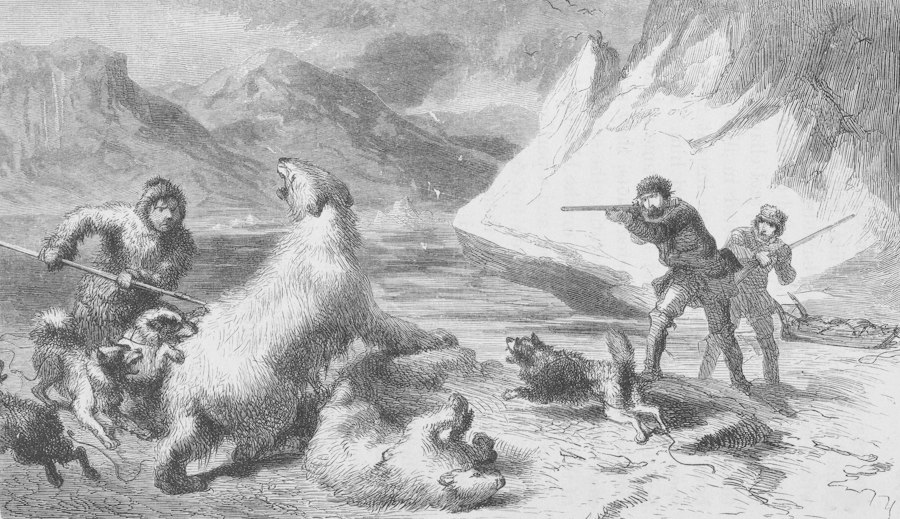
The expansion into Eurasia brought early humans into contact with some of the planet’s most challenging environments, including the frigid landscapes shaped by glacial cycles. Surviving in these regions required the development of effective shelters, warm clothing, and specialized hunting strategies. The reenactment might involve building rudimentary shelters capable of withstanding cold, learning to process animal hides for warmth and durability, and understanding the importance of fire for survival in sub-zero temperatures. This aspect highlights the ingenuity and resourcefulness of our ancestors in the face of extreme conditions.
The Tropical Frontier: Navigating Jungles and Rainforests
The migration into Southeast Asia and Oceania presented a different set of challenges, including the dense vegetation and abundant biodiversity of tropical rainforests. Navigating these environments required knowledge of edible plants, an understanding of complex ecosystems, and the ability to avoid dangerous flora and fauna. Participants might engage in activities focused on identifying medicinal and edible plants, understanding the principles of sustainable resource utilization in a jungle environment, and learning about the potential hazards of such ecosystems. This showcases the diverse knowledge base that early humans accumulated.
The Arid Expanses: Survival in Deserts and Steppes
The colonization of desert regions and vast steppes demanded unique strategies for water conservation, finding food in sparse landscapes, and enduring extreme temperatures. The ability to locate hidden water sources, track animals across vast distances, and build shelters that provided respite from both heat and cold were crucial skills. The project might simulate these scenarios by challenging participants to find water sources using natural indicators, understand the migratory patterns of desert fauna, and learn techniques for constructing shelters that regulate temperature effectively. This emphasizes the adaptability of humans to even the most seemingly inhospitable environments.
The Fabric of Society: Group Dynamics and Knowledge Transfer
Human migration was not solely about individual survival; it was also a collective endeavor. The success of early human populations in colonizing new territories was heavily reliant on their ability to cooperate, share knowledge, and maintain social cohesion. The “Journey of the Ancients” recognizes the critical role of social dynamics in this epic story.
The Power of the Group: Cooperation and Shared Survival
Early human societies were characterized by strong bonds of cooperation. Tasks such as hunting large game, defending against predators, and raising children were far more manageable within a group. The reenactment emphasizes these collaborative aspects by assigning group tasks, such as building shelters, foraging expeditions, or defense scenarios. Participants learn to communicate effectively, delegate responsibilities, and rely on each other for mutual support, mirroring the cooperative strategies that were essential for the survival and expansion of early human groups.
Passing Down Wisdom: Oral Traditions and Skill Acquisition
The transmission of knowledge from one generation to the next was vital for the continuity of human societies. Without written language, early humans relied on oral traditions, storytelling, and direct mentorship to pass down essential survival skills, cultural norms, and environmental knowledge. The “Journey of the Ancients” incorporates elements of this knowledge transfer through skilled mentors who demonstrate ancient techniques and share insights into the lives of prehistoric peoples. Participants are encouraged to learn by observation and practice, simulating the process of apprenticeship in ancient societies.
The Emergence of Culture: Rituals, Art, and Belief Systems
As human societies grew more complex, so too did their cultural expressions. The development of symbolic thought, evident in early art, burial practices, and likely rudimentary belief systems, played a significant role in shaping social identity and fostering a sense of shared purpose. While direct reenactment of abstract belief systems is challenging, the project might incorporate elements that touch upon these aspects, such as exploring the creation of symbolic art using natural pigments or discussing the potential significance of communal gatherings and simple rituals. This offers a glimpse into the burgeoning complexity of early human thought and social organization.
The dramatic reenactment of early human migration offers a fascinating glimpse into the challenges and triumphs faced by our ancestors as they ventured into new territories. This exploration of human resilience is not only captivating but also highlights the importance of understanding our past to navigate future challenges. For those interested in the broader implications of exploration, a related article discusses the vulnerabilities of lunar habitats and how they could impact space exploration efforts. You can read more about this intriguing topic here.
Legacies of the Wanderers: Understanding Our Ancestral Past
| Aspect | Metric | Description |
|---|---|---|
| Number of Participants | 25 | Actors involved in the reenactment |
| Duration | 45 minutes | Length of the reenactment performance |
| Historical Period Represented | 70,000 – 50,000 years ago | Timeframe of early human migration depicted |
| Number of Migration Routes Shown | 3 | Different paths early humans took out of Africa |
| Costume Accuracy | 85% | Based on archaeological and anthropological research |
| Audience Size | 150 | Average number of viewers per performance |
| Use of Language | Proto-languages & Gestures | Reconstructed communication methods used |
| Environmental Setting | Outdoor natural terrain | Simulates early human habitats |
The journey of our ancestors, stretching from the African continent to every inhabited landmass on Earth, is a profound narrative that continues to resonate within us. The “Journey of the Ancients: Reenacting the Dawn of Human Migration” project serves as a powerful reminder of this extraordinary heritage, offering a unique opportunity to connect with our deepest roots and gain a profound appreciation for the resilience and ingenuity of the human spirit.
The Modern Echo: Genetics and Our Migratory Story
Modern genetic research has provided unparalleled insights into the patterns and timelines of human migration. By analyzing DNA, scientists can trace the migratory routes of our ancestors, identify ancestral populations, and understand the genetic adaptations that allowed humans to thrive in diverse environments. The project often integrates these scientific findings, providing participants with context about how their own genetic makeup reflects the ancient migrations they are experiencing. This bridges the gap between the physical reenactment and the scientific understanding of our past.
The Evolutionary Advantage: Why We Wander
The migratory drive that propelled our ancestors across the globe is not merely a relic of the past; it is an ingrained part of our evolutionary heritage. The curiosity, adaptability, and capacity for exploration that characterized early humans continue to influence human behavior today, driving innovation, exploration, and our interconnected global society. The “Journey of the Ancients” fosters an understanding of this inherent human trait, encouraging participants to reflect on their own innate desires to explore and discover, recognizing them as echoes of their ancient wandering ancestors.
A Living Classroom: Education and Empathy Through Experience
The immersive nature of the “Journey of the Ancients” transforms abstract historical accounts into tangible, lived experiences. This hands-on approach fosters a deeper level of understanding and empathy for our prehistoric ancestors, moving beyond mere academic study to a more visceral connection with their struggles and triumphs. Participants emerge with a renewed appreciation for the challenges overcome by early humans and a profound sense of gratitude for the opportunities afforded by their ancestral journeys. This educational model offers a powerful pathway to understanding our shared human story.

20,000 Years Ago | The Coldest Journey in Human History
FAQs
What is a dramatic reenactment of early human migration?
A dramatic reenactment of early human migration is a performance or presentation that recreates the journey of early humans as they migrated across different regions of the world.
How is a dramatic reenactment of early human migration typically portrayed?
These reenactments are often portrayed through theatrical performances, visual displays, storytelling, and interactive experiences that engage the audience in understanding the challenges and triumphs of early human migration.
Why are dramatic reenactments of early human migration important?
These reenactments help educate people about the history of human migration, the impact it had on shaping societies, and the resilience and adaptability of early humans as they faced various obstacles during their journeys.
Where can one experience a dramatic reenactment of early human migration?
Dramatic reenactments of early human migration can be experienced at museums, cultural centers, historical sites, and educational institutions that focus on human evolution and history.
Who participates in creating a dramatic reenactment of early human migration?
These reenactments involve a team of historians, archaeologists, actors, educators, and researchers who work together to accurately depict the challenges and experiences of early human migration through a creative and engaging presentation.