The flickering light of a controlled flame, a primal beacon against the encroaching darkness, represented far more than mere illumination for early human communities. The mastery and sharing of fire was a watershed moment in our species’ evolutionary journey, fundamentally altering the trajectory of survival, fostering social cohesion, and paving the way for complex cultural development. This article will delve into the multifaceted role of fire sharing in the sustenance and growth of these nascent human groups, exploring its impact on everything from immediate safety to the very fabric of their social and technological advancements.
The Dawn of the Hearth: Fire as a Shield and Sustenance
The discovery and subsequent control of fire were not instantaneous events but rather a gradual process, likely beginning with opportunistic use of naturally occurring blazes. However, the ability to intentionally create and maintain fire marked a profound shift. This technological leap provided an immediate and vital shield against a hostile world.
Protection from Predators and the Elements
Before the advent of fire, early hominins were at the mercy of nocturnal predators and the chilling bite of the elements. Fire offered a potent deterrent. Its light pushed back the darkness, a sanctuary in the unforgiving landscape, making encampments significantly safer. The heat generated by a controlled fire provided warmth, a crucial factor for survival in colder climates, allowing early humans to expand their geographical range and inhabit areas previously inaccessible due to temperature. This newfound security allowed for longer periods of activity, extending waking hours and providing more opportunities for foraging, tool-making, and social interaction. The psychological comfort derived from the presence of fire, a visible symbol of control over a chaotic environment, cannot be overstated. It fostered a sense of collective safety, a shared bulwark against the omnipresent threats of the wild.
Transforming Food and Enhancing Nutrition
Perhaps one of the most significant impacts of fire was its revolutionary effect on food consumption. The ability to cook meat and other foodstuffs brought about a dramatic transformation in human diet and health. Raw meat is often difficult to digest and can harbor dangerous pathogens. Cooking, however, breaks down tough fibers, sterilizes food, and makes nutrients more bioavailable. This dietary shift had profound implications for human evolution. Improved nutrition meant better health, stronger immune systems, and potentially, increased brain development. The energy saved from not having to chew tough, raw food could be redirected towards other vital physiological processes. Furthermore, cooking allowed for the consumption of a wider variety of plants and roots that would otherwise be indigestible or even toxic, expanding the dietary repertoire and increasing food security. This dietary revolution was a slow burn, but its cumulative effect over millennia was immense, contributing to the physical and cognitive advancements that distinguished Homo sapiens.
Early human communities relied heavily on fire for survival, not only for warmth and cooking but also as a social tool that fostered cooperation and bonding among group members. The act of sharing fire created a communal space where early humans could gather, share stories, and strengthen social ties, which were crucial for their survival in harsh environments. For a deeper understanding of how communal practices shape societies, you can explore a related article that discusses the implications of modern communal behaviors in different contexts at this link.
The Communal Hearth: A Hub of Social Interaction and Knowledge Transfer
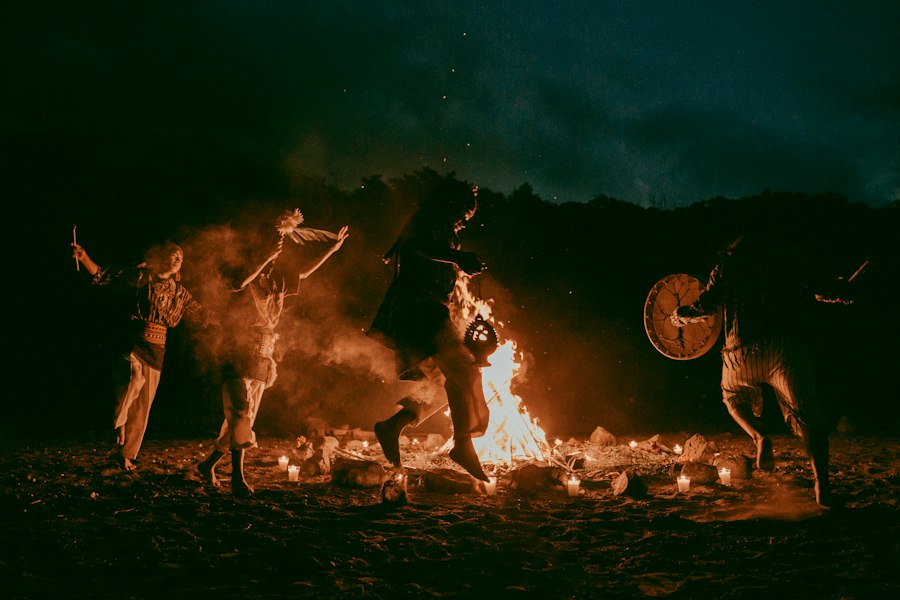
Beyond its immediate survival benefits, the fire became the heart of early human communities, a focal point for social interaction, bonding, and the transmission of knowledge. The hearth was not just a source of heat and light; it was a social engine.
Fostering Group Cohesion and Cooperation
Gathering around a shared fire naturally fostered a sense of unity and belonging. It provided a designated space and time for individuals to come together, share stories, and reinforce social bonds. This communal activity strengthened interpersonal relationships, promoting cooperation and mutual reliance, which were essential for the success of small, vulnerable groups. The act of sharing the warmth and light of the fire became a powerful symbol of their collective identity and shared fate. This shared experience likely reduced inter-group conflict and encouraged collaboration in tasks such as hunting, gathering, and defense. The very act of tending to the fire, a communal responsibility, further solidified this sense of shared purpose.
The Birthplace of Oral Tradition and Learning
The hearth was also the primary venue for the transmission of cultural knowledge from one generation to the next. In the absence of written language, stories, myths, survival techniques, and practical skills were passed down through oral tradition around the flickering flames. Elders would recount tales of successful hunts, explain the properties of different plants, and impart the knowledge necessary for navigating the world. This informal educational setting, fueled by the shared experience of the fire, was crucial for the perpetuation of culture and the accumulation of wisdom. The visual cues of storytelling, enhanced by the shadows and light cast by the fire, likely made these narratives more engaging and memorable. This process of shared learning was fundamental to the development of complex social structures and the ability of humans to adapt to new environments and challenges.
The Diffusion of Fire: Technology, Trade, and the Spread of Humanity
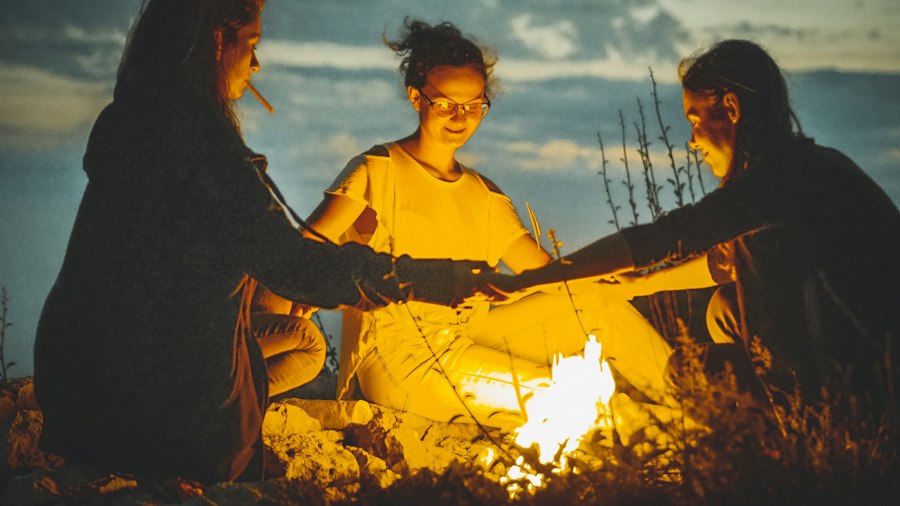
The ability to not only create but also to share and transport fire was a significant technological and social development that facilitated the expansion of human populations and the diffusion of knowledge and culture across vast distances.
Mastering the Art of Fire-Starting and Maintenance
The transition from merely utilizing natural fires to actively creating and maintaining them involved the development of sophisticated techniques. This likely included methods such as friction-based fire-starting (using drills or bow drills) and striking sparks from specific stones. The knowledge of the best tinder materials, the optimal ways to feed a flame, and how to transport embers safely were all vital skills that were learned, refined, and shared within and between communities. The success of a community often hinged on its ability to consistently produce fire, and the sharing of these techniques would have been a highly valued form of intergroup exchange.
Fire as a Tool for Resource Management and Expansion
Once fire was mastered, it was also employed as a tool to actively shape the environment. Controlled burns could be used to clear undergrowth, making hunting easier by driving prey towards waiting hunters or by encouraging the growth of specific edible plants. This manipulation of the landscape demonstrated a growing understanding of ecological processes and allowed early humans to increase the productivity of their territories. Furthermore, the ability to carry fire with them allowed for exploration and migration into new territories. Embers could be carefully transported, enabling settlements to be established in areas far from natural fire sources, thereby facilitating the expansion of human populations across diverse geographical regions.
Fire and the Genesis of Innovation: From Simple Tools to Complex Societies
The consistent presence of fire provided the stability and opportunities necessary for the development of more complex technologies and social structures. It was a catalyst for innovation that rippled through every aspect of early human life.
Enabling Advanced Toolmaking and Craftsmanship
The heat of fire was essential for the development of new materials and techniques in toolmaking. The hardening of wooden spears through charring made them more durable and effective hunting implements. The ability to work with more malleable materials like bone and antler was enhanced by heat. Crucially, the discovery of metallurgy, the ability to extract and work metals, would have been impossible without controlled fire. This technological leap, which began with copper and later advanced to bronze and iron, revolutionized toolmaking, weaponry, and eventually, construction and art. The time freed up from constant foraging and defense, thanks to the security and efficiency provided by fire, allowed for greater specialization in skills and the development of more refined craftsmanship.
The Foundation for Permanent Settlements and Agriculture
The security and consistent warmth provided by fire made permanent or semi-permanent settlements more viable. Instead of constantly moving in search of resources, communities could establish more stable homes, fostering a sense of place and investment in their surroundings. This stability was a crucial precursor to the development of agriculture. As communities became more settled, they could begin to experiment with cultivating plants and domesticating animals. The hearth remained the central gathering place, even as the nature of human subsistence began to shift from purely nomadic hunter-gatherer lifestyles to more settled agrarian societies. The communal fire continued to be the anchor around which families and communities organized their lives, symbolizing continuity and shared endeavor.
Early human communities relied heavily on the sharing of fire, which played a crucial role in their social interactions and survival strategies. This practice not only provided warmth and protection but also facilitated cooking and food sharing, fostering stronger bonds among group members. For a deeper understanding of how communal activities shape societal structures, you might find this article on the reshoring impact on the US economy interesting, as it explores how modern communities adapt and thrive through collaboration. You can read more about it here.
The Enduring Legacy of the Hearth: Fire Sharing in the Anthropocene
| Metric | Description | Estimated Time Period | Significance |
|---|---|---|---|
| Controlled Use of Fire | Evidence of early humans managing and using fire for cooking and protection | Approx. 1 million years ago | Improved diet, warmth, and safety from predators |
| Fire Sharing Practices | Sharing fire between groups or individuals to maintain warmth and cook food | Approx. 400,000 years ago | Enhanced social bonds and cooperation |
| Fire Hearths | Designated areas for maintaining fire within early human settlements | Approx. 300,000 years ago | Centralized social gatherings and food preparation |
| Impact on Diet | Cooking food with fire increased nutrient availability and digestibility | From 1 million years ago onwards | Contributed to brain development and energy efficiency |
| Fire as a Social Tool | Use of fire to extend day length and facilitate social interaction | Approx. 200,000 years ago | Strengthened community ties and cultural development |
The profound impact of fire sharing on the survival and growth of early human communities echoes through the ages. It laid the groundwork for the complex societies we inhabit today, shaping our social structures, our technological capabilities, and even our very physiology.
A Paradigm Shift in Human Evolution and Culture
The mastery and sharing of fire represent a pivotal moment in human evolution, a paradigm shift that separated us from our primate ancestors and propelled us along a unique evolutionary path. It enabled greater dietary diversity, improved health, and potentially contributed to the expansion of brain size. Culturally, fire fostered social cohesion, facilitated knowledge transfer, and allowed for the development of intricate oral traditions and belief systems. The communal hearth became the crucible in which human culture was forged, a tangible symbol of our collective journey.
The Continuance of Communal Rituals and Social Bonds
Even in modern times, the act of sharing a fire retains a powerful social and symbolic significance. Campfires, hearths in homes, and communal cooking fires continue to serve as focal points for gathering, storytelling, and reinforcing social bonds. These enduring practices reflect the deep-seated human need for connection and shared experience, a legacy undoubtedly rooted in the very earliest days of our species’ reliance on the communal hearth. The act of sharing warmth, light, and sustenance around a fire remains a fundamental aspect of human sociality, a testament to the enduring power of this ancient technology in shaping our communities and our very identity. The echoes of those first shared flames resonate in every modern gathering, a reminder of the profound and transformative power of cooperation and shared resources in the long and arduous journey of human existence.

20,000 Years Ago | The Coldest Journey in Human History
FAQs
What is the significance of fire sharing in early human communities?
Fire sharing played a crucial role in early human communities as it provided warmth, protection from predators, a means to cook food, and a source of light. It also facilitated social bonding and communication among group members.
How did early humans acquire and maintain fire for sharing?
Early humans likely acquired fire through natural sources such as lightning strikes or volcanic activity. They maintained fire by carefully tending to it, protecting it from going out, and passing it on to others within the community.
What impact did fire sharing have on the development of early human societies?
Fire sharing contributed to the development of early human societies by enabling more efficient food preparation, leading to better nutrition and health. It also allowed for longer periods of activity during the day and increased social interactions within the community.
Were there any challenges or risks associated with fire sharing in early human communities?
Some challenges early human communities faced with fire sharing included the risk of accidental fires, the need to constantly tend to the fire to keep it burning, and potential conflicts over access to fire. Additionally, the smoke from fires could have posed health risks.
How did the practice of fire sharing evolve over time in early human communities?
Over time, the practice of fire sharing in early human communities likely became more sophisticated, with the development of tools for fire-making, improved fire management techniques, and the establishment of cultural norms around fire usage and sharing. This evolution may have contributed to the advancement of human civilization.