The windswept plains, the frozen tundras, the arid deserts – these were the domains of ancient nomadic tribes. Their existence was a constant dance with nature, a testament to the ingenuity and resilience of humanity. Unlike settled agricultural societies, these groups did not build permanent cities or cultivate vast fields. Instead, their lives were dictated by the rhythms of the earth, the movement of game, and the availability of pasture. Their survival was not a matter of conquering the environment, but of understanding and adapting to it. The choices they made, from the tools they crafted to the social structures they formed, were all geared towards ensuring their continued existence in often unforgiving landscapes. This article delves into the multifaceted survival strategies of these ancient nomadic peoples, exploring their remarkable capacity for adaptation and their enduring resilience.
The Imperative of Mobility: Following the Rhythms of Nature
Mobility was the cornerstone of nomadic life. It was not a casual preference but an absolute necessity, driven by a deep understanding of ecological cycles and resource availability. Ancient nomads were acutely aware that the land, though bountiful at certain times, could also be harsh and depleted. Therefore, their entire way of life was structured around following migratory patterns of animals, seasonal plant growth, and the availability of water. This constant movement allowed them to exploit resources at their peak and avoid the ecological consequences of over-exploitation in any single area.
Migratory Herding: A Symbiotic Relationship with Livestock
For many nomadic groups, particularly those in grassland environments, the domestication of animals was a revolutionary step that solidified their nomadic lifestyle. Herding allowed for a more predictable and controllable source of sustenance, including meat, milk, wool, and hides. However, this also necessitated a deep understanding of animal husbandry and the land’s carrying capacity. Herds could not be grazed indefinitely in one spot without depleting the vegetation, leading to starvation for both the animals and their human caretakers.
The practice of transhumance, the seasonal movement of livestock between different grazing areas, became a hallmark of many pastoral nomadic societies. In the summer months, herds would ascend to higher, cooler pastures, often in mountainous regions, where fresh grass was abundant. As winter approached and these pastures became covered in snow, the herds would descend to lower, more sheltered valleys where the grass might be sparser but accessible. This intricate knowledge of terrain, microclimates, and vegetation cycles was passed down through generations, ensuring the survival of both the livestock and the tribe. The nomadic herder was not merely a follower of animals; they were an active participant in a delicate ecological balance, ensuring that the land could continue to support their herds year after year. This required careful observation of animal behavior, weather patterns, and the subtle signs of plant life. For instance, knowing precisely when a certain type of grass would reach its nutritional peak or when a particular water source would begin to diminish was vital for making timely decisions about migration. The success of a tribe often hinged on the collective wisdom of its elders who possessed this deep ecological knowledge.
The Hunt for Sustenance: Tracking and Understanding Prey
For nomadic hunter-gatherer societies, mobility was intrinsically linked to the pursuit of game. Their survival depended on an intimate knowledge of animal behavior, including their migratory routes, breeding seasons, and preferred habitats. This required exceptional tracking skills, keen observation, and a profound understanding of the interconnectedness of the ecosystem. A successful hunt was not just about skill with a projectile; it was about understanding the ‘why’ and ‘when’ of animal movement.
Nomads would often follow herds over vast distances, timing their arrival to coincide with periods of vulnerability, such as during migration or when animals were concentrated around water sources. This also meant developing strategies for hunting large or dangerous game that could provide sustenance for extended periods. Techniques such as driving herds off cliffs, using natural traps, or coordinating large group hunts were employed, all of which demanded sophisticated communication and cooperation. The information gathered from tracking also extended beyond immediate hunting needs. Nomads would observe the health of animal populations, the availability of other food sources like berries and roots, and signs of environmental change, all of which informed their migratory decisions. For example, a scarcity of a particular animal might signal a need to move to a different territory, or the abundance of edible plants could influence the duration of their stay in a particular region. This deep ecological awareness was a form of environmental forecasting, crucial for long-term survival.
Resource Management: The Art of Non-Depletion
A defining characteristic of successful nomadic tribes was their ability to utilize resources without depleting them. Unlike settled populations who could invest in long-term land improvements, nomads operated on a principle of cyclical use. They understood that over-reliance on a single resource or area would lead to its exhaustion, forcing them to move and potentially face greater hardship. Their survival strategies were inherently geared towards sustainability, albeit a form of sustainability dictated by mobility.
This involved a variety of practices. For instance, in areas where they hunted, they might avoid depleting entire herds, leaving breeding stock to ensure future populations. When foraging for plants, they would often gather only what was needed, leaving roots and seeds intact to allow for regrowth. The movement of their camps itself was a form of resource rotation, allowing the land to recover between visits. This also extended to the management of water sources. Nomads would often utilize a network of springs and wells, moving between them as they became depleted, ensuring a constant, albeit managed, supply. The knowledge of where to find water, even in arid regions, was a critical survival skill, often passed down through oral traditions and practical experience. This careful stewardship of the environment was not born out of altruism, but out of a stark necessity; their own survival was inextricably linked to the health of the land. They were acutely aware that a degraded environment meant a jeopardized future.
The survival choices of ancient nomadic tribes have long fascinated researchers, particularly in how these groups adapted to their environments and utilized available resources. A related article that explores the complexities of survival strategies in different contexts is available at this link: Chinese Companies Exploiting Mexico Loophole. While the article focuses on modern economic practices, it draws parallels to how ancient tribes navigated their surroundings and made critical decisions for survival.
Ingenuity in the Face of Scarcity: Tools, Technology, and Innovation
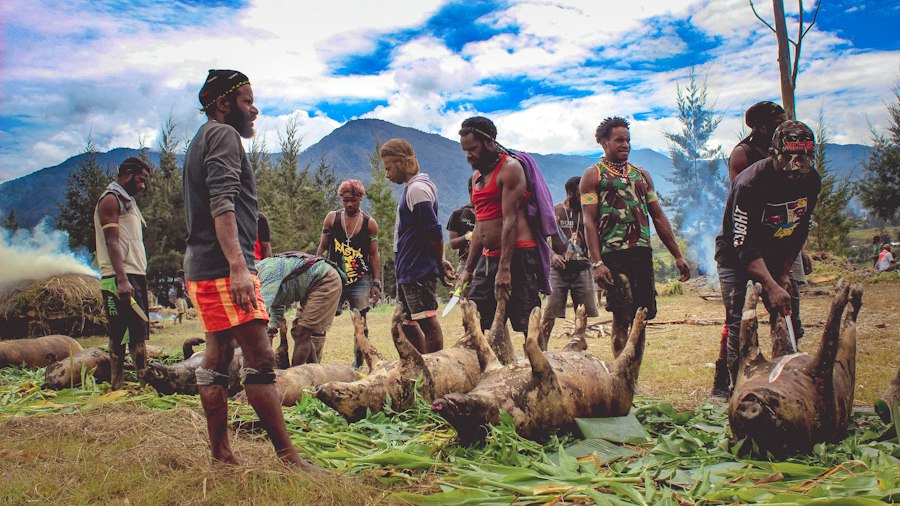
The harsh realities of nomadic life demanded constant innovation. Without access to settled resources and specialized artisans, ancient nomads had to be resourceful, crafting tools and developing technologies that were lightweight, portable, durable, and highly functional. Their ingenuity was not about grand architectural feats but about practical solutions to everyday challenges, maximizing their ability to hunt, gather, travel, and endure.
The Power of Adaptable Tools: Materials and Design
The tools of ancient nomads were a testament to their understanding of available materials and the demands of their lifestyle. Whether fashioned from bone, stone, wood, or animal hides, these implements were designed for efficiency and adaptability. The portability of these tools was paramount, as every item had to be carried during their extensive migrations.
For hunting, finely chipped stone arrowheads and spear points, expertly crafted from flint or obsidian, were essential. These were often attached to shafts made of light but strong wood, allowing for effective projectile weaponry. Bone was utilized for needles, awls, and harpoons, demonstrating a deep understanding of its structural properties. Wood was shaped into bows, spears, digging sticks, and hafting materials for stone tools. Animal hides, a readily available resource, were transformed into containers, clothing, shelter components, and even rudimentary boats or rafts. The sheer diversity of tool types – from scrapers for processing hides to grinding stones for preparing food – highlights the multifaceted nature of their survival. The selection of materials was often dictated by what was locally available, requiring a keen understanding of geology and botany. For example, certain types of wood were prized for their flexibility and strength in bow making, while specific stone formations yielded the best material for sharp cutting edges. This resourcefulness extended to the very act of tool creation, where they employed techniques like pressure flaking to shape stone tools with remarkable precision.
Shelter on the Move: Portable and Protective Dwellings
The concept of a permanent home was alien to ancient nomads. Their shelters had to be erected and dismantled quickly, be easily transported, and provide adequate protection against the elements. The designs varied depending on the climate and the materials at hand, but all shared a common emphasis on portability and functionality.
Perhaps the most iconic nomadic dwelling is the yurt, or ger, used by many Central Asian nomadic groups. These circular structures, characterized by a wooden lattice frame covered with felt or animal hides, are remarkably well-insulated, wind-resistant, and can be assembled or disassembled in a matter of hours. The portability of the yurt allowed entire tribes to relocate their living quarters without significant logistical challenges. Other groups, particularly those in more temperate or forested regions, might have utilized animal hides stretched over a frame of poles, creating tipi-like structures. In some instances, natural features like caves or rock overhangs were adapted for temporary shelter. The construction of these dwellings was often a communal effort, fostering a sense of shared responsibility and reinforcing social bonds. Even the smallest nomadic group would have had a sophisticated understanding of how to create a microclimate within their shelter, ensuring warmth in winter and coolness in summer through careful placement of ventilation and insulation. The materials used were typically those readily available from their herds and the surrounding environment, making their shelters inherently sustainable and deeply connected to the land they traversed.
Fire and Food: Mastering Preservation and Preparation
The ability to control fire was fundamental to human survival, and for nomads, it was a critical tool for cooking, warmth, and protection. However, the constant movement meant that securing fuel and managing embers was a logistical challenge. Furthermore, preserving food was crucial for periods of scarcity.
Nomads developed efficient methods for transporting and maintaining fire. This might have involved carrying smoldering embers in insulated containers or mastering techniques for quickly starting fires from scratch using friction. Cooking methods were diverse, ranging from roasting meat directly over the flames to boiling in rudimentary vessels made from animal stomachs or clay. The drying and smoking of meat and fish were essential preservation techniques, allowing for the storage of food for extended periods, thus buffering against the uncertainties of the hunt or gather. Some groups also developed methods for fermenting dairy products, extending their shelf life and enhancing their nutritional value. The utilization of every edible part of an animal, from organs to blood, was a hallmark of efficient resource utilization. This not only maximized the food obtained but also minimized waste, a critical consideration for a mobile population. The preparation of wild edibles also played a significant role. Knowledge of edible plants, roots, and berries, as well as methods for detoxifying certain plants, was vital. This complex culinary knowledge, passed down through generations, ensured that even in lean times, sustenance could be found and prepared effectively.
Social Structures and Cooperation: The Strength of the Collective
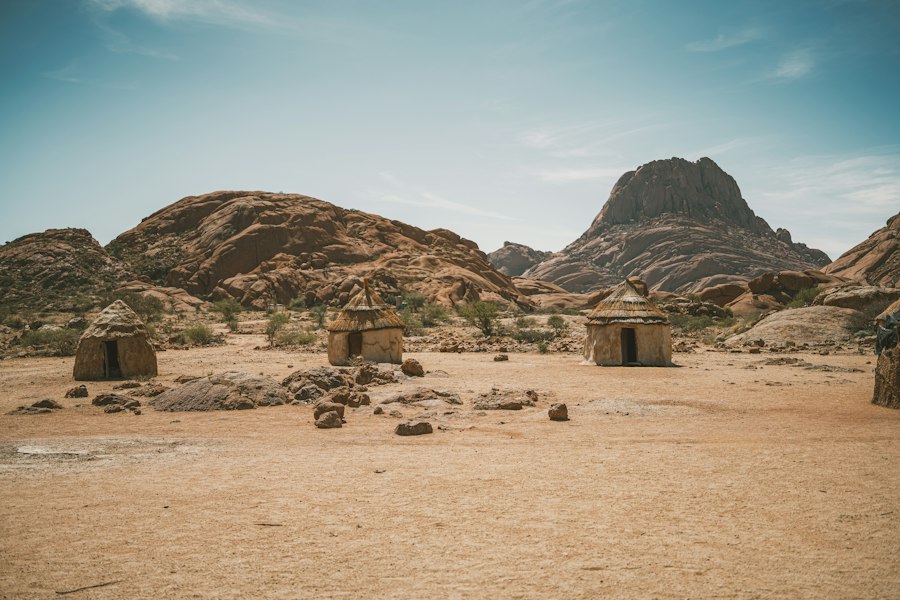
In the challenging environment of nomadic existence, individual survival was often secondary to the survival of the group. Social structures and intricate systems of cooperation were not merely optional but essential for tackling the immense challenges of their lifestyle. These arrangements fostered mutual support, facilitated complex tasks, and ensured the transmission of vital knowledge.
Kinship and Clan: The Bedrock of Society
The fundamental building blocks of most nomadic societies were kinship ties and clan structures. These relationships provided a framework for mutual aid, resource sharing, and collective decision-making. Loyalty to one’s kin and clan was paramount, as it guaranteed support in times of need, whether it was during a hunt, a migration, or a conflict.
Family units formed the core of nomadic life, with extended families often living and traveling together. Marriage alliances between different clans were common, forging bonds that extended beyond immediate family and provided political and economic advantages. The concept of reciprocity was deeply ingrained. Sharing food, labor, and protection was expected, and a failure to reciprocate could lead to social ostracism. This system of mutual obligation created a powerful safety net, ensuring that no individual was left to fend for themselves. The elders, due to their accumulated wisdom and experience, often held positions of authority, guiding the group and resolving disputes. This hierarchical structure, built on respect for seniority and knowledge, ensured stability and continuity. The very act of living in close proximity and relying on each other for survival fostered a strong sense of collective identity and purpose.
Communal Labor and Defense: Strength in Numbers
Many of the tasks essential for nomadic survival were too large or dangerous for individuals to undertake alone. The cooperative nature of nomadic societies allowed them to mobilize collective labor for critical activities. This included herding vast numbers of animals, undertaking large hunts, and, crucially, defending their territory and resources.
The successful management of large herds required coordinated effort, with individuals taking on specific roles in guiding, protecting, and moving the animals. Similarly, hunting large game often involved the participation of multiple individuals, employing specialized roles and strategies. Defense was another area where collective action was paramount. Nomadic territories were often vast and rich in resources, making them attractive targets for rival groups. The ability to mount a swift and coordinated defense, whether through organized patrols, the construction of temporary defensive perimeters, or the direct confrontation of attackers, was vital for maintaining their autonomy and survival. The strength of a nomadic tribe often lay in its ability to present a united front, deterring potential threats through its perceived collective power. This communal ethos meant that individuals were not only responsible for their own well-being but also for the well-being of the entire group, fostering a deep sense of responsibility and shared fate.
Knowledge Transmission: Oral Traditions and Apprenticeship
In the absence of written language for many nomadic groups, the transmission of vital knowledge was primarily achieved through oral traditions and hands-on apprenticeship. The survival of the tribe depended on passing down a complex web of information, including ecological knowledge, hunting techniques, tool-making skills, social customs, and historical narratives.
Elders played a crucial role as repositories of this knowledge, sharing stories, songs, and proverbs that contained practical advice and cultural wisdom. Children learned by observing and participating alongside adults, gradually acquiring the skills necessary for their adult roles. Apprenticeship was a common method for mastering specialized crafts, such as flintknapping, leatherworking, or animal husbandry. This system of learning ensured that the accumulated wisdom of generations was not lost and that each new generation was equipped to face the challenges of their environment. The oral traditions also served to reinforce social cohesion, preserving the collective memory and identity of the tribe. Myths, legends, and epics recounted the deeds of ancestors, reinforcing cultural values and providing moral guidance. This continuous cycle of learning and teaching was a powerful engine of resilience, ensuring that the tribe could adapt and thrive across diverse environments and changing circumstances.
Navigating Environmental Extremes: Resilience in Arid, Arctic, and Temperate Zones
The adaptability of nomadic tribes is perhaps best illustrated by their success in inhabiting vastly different and often extreme environments. From scorching deserts to frozen tundras, these groups developed specialized strategies to thrive where others would perish. Their resilience was not about brute force against nature but about a nuanced understanding and integration with their specific ecological niches.
Desert Nomads: The Art of Water and Heat Management
In the harsh, arid landscapes of deserts, survival hinged on the meticulous management of water and the avoidance of extreme heat. Desert nomads developed an intimate knowledge of their environment, understanding the subtle signs of underground water sources, the optimal times for travel, and the edible plants that could sustain them.
These groups often followed seasonal rainfall patterns, moving between oases or areas where water collected after infrequent downpours. They were adept at constructing simple but effective shelters that provided shade and ventilation, minimizing exposure to the sun’s direct rays. Clothing played a crucial role, with loose-fitting, light-colored garments often covering the entire body to protect against sunburn and reduce water loss through perspiration. Their diet often consisted of hardy desert animals like camels, goats, and various rodents, supplemented by edible desert plants, roots, and fruits. The camel, in particular, was a vital adaptation, providing transport, milk, meat, and hides, and possessing an extraordinary ability to withstand long periods without water. The social structures of desert nomads were often characterized by strong emphasis on cooperation, as the scarcity of resources necessitated sharing and mutual support.
Arctic Nomads: Harnessing the Cold and Sparse Resources
Life in the Arctic presented a unique set of challenges, dominated by extreme cold, long periods of darkness, and limited vegetation. Arctic nomads, such as the Inuit and various Siberian groups, developed remarkable adaptations to survive in this unforgiving environment. Their survival was a testament to their ingenuity in utilizing every available resource.
Their primary sustenance came from hunting marine mammals like seals, walruses, and whales, as well as land animals such as caribou and polar bears. Their tools and technologies were specifically adapted for this environment. The kayak, a lightweight, maneuverable watercraft, allowed them to hunt effectively in coastal waters, while the harpoon, often tipped with bone or ivory, was crucial for capturing marine animals. They developed highly efficient methods for preserving meat and fish through freezing and drying. Their shelters, often igloos made of snow or tents constructed from animal hides, provided essential insulation against the extreme cold. Clothing made from animal furs was expertly tailored to trap body heat and protect against wind. The social structures of Arctic nomads often emphasized communal living and cooperation, as the challenges of hunting and survival in such a harsh environment demanded a high degree of interdependence. The knowledge of ice conditions, animal behavior in winter, and the subtle signs of weather changes was critical and passed down through generations.
Temperate Forest Dwellers: Adapting to Seasonal Abundance and Scarcity
Nomadic groups inhabiting temperate forests also faced seasonal variations, with periods of relative abundance during warmer months followed by scarcity in winter. Their survival strategies revolved around exploiting the diverse resources of the forest and adapting to seasonal changes.
These groups were skilled hunters of forest animals like deer, boar, and various smaller game. They were also proficient gatherers of nuts, berries, roots, and edible plants. Their mobility allowed them to follow animal migrations and take advantage of seasonal plant growth. Their shelters might have included temporary structures made from branches and hides, or they might have utilized natural formations like caves. The seasonality of resources dictated their movements, leading them to shift their camps to areas where food and game were most abundant. The transition from warmer to colder months required careful planning, including the gathering and preservation of food for the winter, and the preparation of warmer clothing from animal skins. The social structures in forest-dwelling nomadic groups often emphasized the importance of kinship and small, mobile bands, allowing for efficient exploitation of dispersed resources. Their deep knowledge of forest ecology, including the habits of animals, the properties of plants, and the changing seasons, was fundamental to their sustained existence.
The survival choices of ancient nomadic tribes have long fascinated researchers, as these groups developed unique strategies to thrive in harsh environments. Their ability to adapt to changing landscapes and resource availability offers valuable insights into modern survival techniques. For those interested in contemporary applications of these ancient practices, a related article discusses essential prepping strategies that can be beneficial in today’s unpredictable world. You can read more about these strategies in the article on prepping for SHTF.
The Legacy of Nomadic Resilience: Echoes in the Modern World
| Survival Choice | Description | Impact on Tribe | Example Tribe |
|---|---|---|---|
| Seasonal Migration | Moving between seasonal pastures to ensure food supply for livestock | Maintained livestock health and food availability year-round | Mongols |
| Resource Sharing | Sharing water and grazing lands among clans to prevent resource depletion | Reduced conflicts and ensured sustainable resource use | Bedouins |
| Hunting and Gathering | Supplementing diet with wild plants and game during scarce periods | Increased dietary diversity and survival during harsh conditions | Scythians |
| Trade Networks | Establishing trade routes to exchange goods and acquire necessary items | Enhanced access to resources not locally available | Turkic Tribes |
| Flexible Social Structure | Adapting leadership and group size based on environmental conditions | Improved mobility and decision-making efficiency | Huns |
The ancient nomadic tribes, through their unwavering adaptation and profound resilience, have left an indelible mark on human history. Their survival strategies offer invaluable lessons about sustainability, resourcefulness, and the power of collective action. While the vast majority of humanity now lives in settled societies, the spirit of nomadic adaptability continues to resonate, informing our understanding of environmental challenges and the enduring capacity of humans to thrive in diverse circumstances.
Enduring Lessons in Sustainability and Resourcefulness
The nomadic way of life was inherently sustainable, born out of necessity rather than ideology. Their practice of moving across the land, allowing ecosystems to recover between visits, stands in stark contrast to many modern exploitative practices. They demonstrated that thriving does not necessarily mean dominating the environment, but rather living in harmony with its cycles. Their ability to utilize every part of an animal, to find sustenance in seemingly barren landscapes, and to create functional tools from basic materials are powerful examples of resourcefulness that hold relevance even today. In an era grappling with resource depletion and environmental degradation, the wisdom of these ancient peoples offers a compelling blueprint for a more sustainable future. Their understanding of ecological limits and their commitment to cyclical resource use provide critical insights for contemporary conservation efforts and the development of more responsible consumption patterns.
The Cultural Echoes of Nomadic Life
The cultural legacies of nomadic peoples are woven into the fabric of societies worldwide. Their oral traditions, their art, their music, and their social structures have influenced countless communities. The archetypal figures of the skilled hunter, the resilient herder, and the wise elder continue to hold a powerful place in our collective imagination. Furthermore, the very concept of mobility and adaptation, central to nomadic survival, remains a vital human trait, enabling us to navigate the complexities of a constantly changing world. The adaptability that allowed ancient nomads to traverse continents and endure extreme conditions is a fundamental aspect of human progress, a testament to our innate capacity to innovate and overcome challenges. Even in our technologically advanced, urbanized world, the core principles of resilience, community, and a deep understanding of our environment, honed by generations of nomadic peoples, continue to offer valuable guidance.

20,000 Years Ago | The Coldest Journey in Human History
FAQs
What were the main factors that influenced the survival choices of ancient nomadic tribes?
Ancient nomadic tribes made survival choices based on factors such as climate, geography, available resources, and interactions with other tribes.
How did ancient nomadic tribes adapt to different environments for survival?
Ancient nomadic tribes adapted to different environments by developing specialized skills, using portable shelters, and utilizing knowledge of local flora and fauna for food and medicine.
What role did hunting and gathering play in the survival strategies of ancient nomadic tribes?
Hunting and gathering were essential components of the survival strategies of ancient nomadic tribes, providing them with food, clothing, tools, and other resources necessary for their way of life.
How did ancient nomadic tribes navigate and communicate over long distances?
Ancient nomadic tribes used various methods for navigation, such as following natural landmarks, observing the stars, and using maps. They communicated over long distances through signals, messengers, and sometimes even early forms of writing.
What were some common challenges faced by ancient nomadic tribes in terms of survival?
Common challenges faced by ancient nomadic tribes included harsh weather conditions, scarcity of resources, conflicts with other tribes, and the need to constantly move in search of food and water.