The ancient mountains, sculpted by forces unimaginable and veiled in ice for millennia, whisper tales of a prehistoric world. They are silent witnesses to epochs long past, their towering peaks and deep valleys carved by the slow, inexorable march of glaciers. To explore these frozen landscapes is to embark on a journey back in time, to a period when colossal beasts roamed the Earth and the very climate was a starkly different entity. The allure of these ancient, ice-bound realms lies not just in their breathtaking grandeur, but in the profound scientific insights they offer into Earth’s deep past, its dynamic geological processes, and the evolution of life itself.
The Sculptors of Stone and Ice
The formation of these ancient mountain ranges is a story etched in the very fabric of the planet, a testament to the immense geological forces that have shaped our world over billions of years. These are not mere hills; they are titans of rock, born from cataclysmic tectonic collisions, volcanic eruptions, and the slow, relentless uplift of the Earth’s crust. The ice, arriving much later in geological terms, acted as a potent sculptor, transforming the already majestic topography into the dramatic and often alien landscapes we see today.
The Great Continental Collisions
The origins of most ancient mountain ranges lie deep within the planet’s history, rooted in the grand ballet of tectonic plates. Imagine continents not as fixed landmasses, but as colossal rafts drifting across the Earth’s molten mantle. When these plates converge, the immense pressures involved force the crust to buckle, fold, and thrust upwards, creating towering mountain chains. The Himalayas, for instance, are a relatively young mountain range in geological terms, formed by the ongoing collision of the Indian and Eurasian plates. However, many of the world’s most ancient mountains, like the Appalachians or the Urals, are remnants of even older collisions, their peaks worn down by eons of erosion, but their foundational structures still evident. These ancient orogenies, or mountain-building events, often involved the fusion of smaller continental fragments and volcanic island arcs, resulting in complex geological structures that are a treasure trove for geologists seeking to understand the planet’s early development. The sheer scale of these events is difficult to comprehend; entire crustal sections were deformed, heated, and metamorphosed, creating the diverse mineralogy and rock types that characterize these ancient giants.
Glacial Eras: The Architects of the Frozen North
While mountains are born from the heat and pressure of the Earth’s interior, their frozen visages are the work of ice. The Quaternary glaciation, which began roughly 2.6 million years ago and continues to this day in its interglacial phases, saw vast ice sheets and glaciers advance and retreat across significant portions of the globe, particularly in the higher latitudes and altitudes. These ice masses, often kilometers thick, possessed an almost unimaginable erosive power. As they flowed, they scraped and gouged the bedrock, carving out deep U-shaped valleys that stand in stark contrast to the V-shaped valleys formed by rivers. They plucked rocks and debris, grinding them against the underlying surface, further accelerating erosion. The resulting landforms are iconic: cirques, which are armchair-shaped hollows at the head of valleys; arêtes, sharp, knife-edge ridges separating adjacent cirques; and horns, pointed peaks formed where multiple arêtes converge, like the Matterhorn. Fjords, those dramatic, steep-sided inlets of the sea, are submerged glacial valleys. The moraines left behind by retreating glaciers – heaps of unsorted rock and sediment – also serve as tangible evidence of their passage, often creating unique and fertile landscapes that contrast with the barren, sculpted bedrock.
The prehistoric landscape of mountains and ice has long fascinated researchers, revealing insights into the Earth’s climatic history and the evolution of its ecosystems. For those interested in understanding how these ancient environments have shaped modern landscapes and influenced human activity, a related article can be found at Revolutionizing the North American Supply Chain: Embracing the Future. This article explores the connections between historical geography and contemporary supply chain dynamics, highlighting the importance of understanding our planet’s past to navigate its future.
Echoes of Life in the Frozen Archives
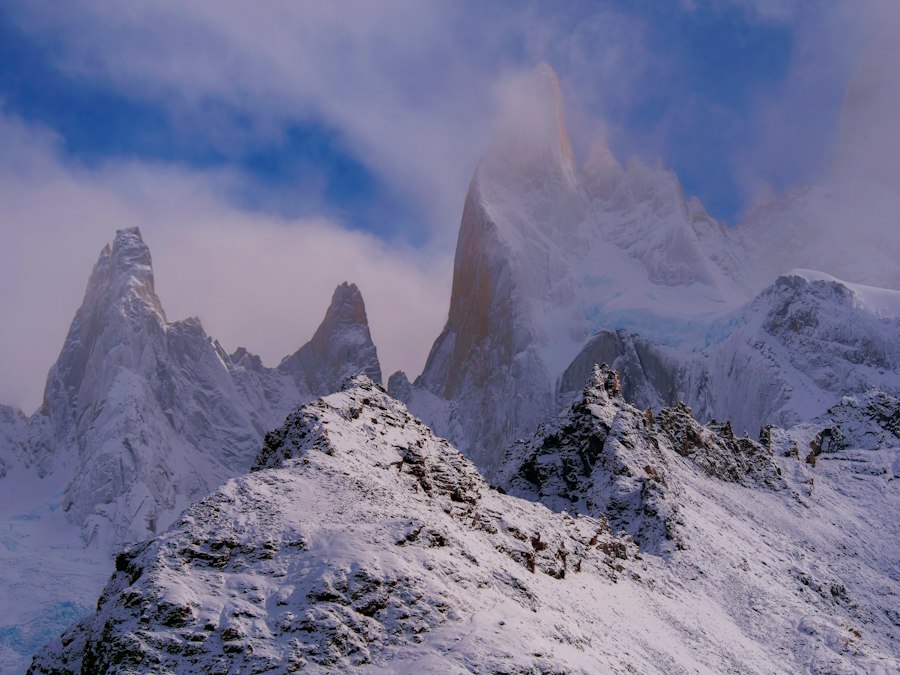
The ancient mountains and their icy coverings are more than just geological wonders; they are natural time capsules, preserving within their frozen depths a remarkable record of prehistoric life and past climates. Within the layers of ice and sediment, scientists can find the preserved remains of ancient organisms, pollen grains, and atmospheric gases, offering unparalleled insights into the Earth’s evolutionary history and climatic fluctuations.
Paleontological Treasures Under the Ice
The freezing temperatures and the protective layers of ice and sediment have an extraordinary ability to preserve organic material. In permafrost regions, which are permanently frozen ground found in high-latitude and high-altitude environments, the remains of animals that lived tens of thousands, or even hundreds of thousands, of years ago can be found remarkably intact. Woolly mammoths, with their shaggy coats and tusks, are perhaps the most famous examples, discovered frozen in Siberian permafrost, sometimes with their last meal still in their stomachs. These discoveries are invaluable to paleontologists and evolutionary biologists, providing detailed anatomical information, insights into their diets, and even the possibility of DNA extraction. Beyond megafauna, frozen environments can preserve smaller organisms like insects, seeds, and plant fragments, painting a more complete picture of the ancient ecosystems. These finds are crucial for understanding the biodiversity of past eras, the adaptations of species to cold climates, and the processes of extinction. The very act of finding these fossils is often a dramatic undertaking, requiring careful excavation in harsh, remote conditions to prevent degradation once exposed to warmer temperatures.
Clues to Past Climates: The Ice Core Record
Perhaps the most profound insights into Earth’s climatic history are locked within the ice sheets themselves. Ice cores, extracted by drilling deep into glaciers and ice sheets like those in Greenland and Antarctica, are essentially layered archives of atmospheric conditions over hundreds of thousands of years. Each annual layer of snow that falls compacts and freezes, trapping tiny bubbles of ancient air within the ice. Scientists can analyze the composition of these air bubbles to determine the concentrations of greenhouse gases like carbon dioxide and methane at different points in time. Furthermore, the isotopic composition of the water molecules themselves (specifically oxygen and hydrogen isotopes) provides a proxy for past temperatures. Colder periods are indicated by a lower ratio of heavier isotopes to lighter isotopes. By studying these ice cores, scientists have been able to reconstruct detailed records of past climate change, including the cycles of glacial and interglacial periods, the rate of temperature change, and the correlation between greenhouse gas concentrations and global temperatures. This information is absolutely critical for understanding current climate change and for making informed predictions about the future. The analysis of ice cores has provided irrefutable evidence of the significant role of atmospheric CO2 in regulating Earth’s temperature throughout its history.
The Enduring Majesty and Scientific Significance
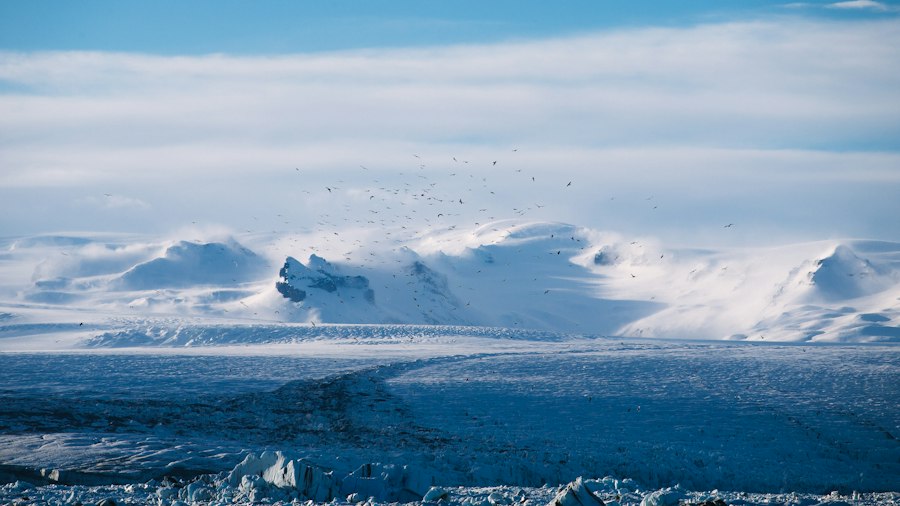
The ancient mountains and their frozen mantles, though seemingly static, are dynamic landscapes that hold immense scientific value. Their study allows us to unravel the planet’s deep history, understand fundamental geological and climatic processes, and even appreciate the resilience and adaptability of life in the face of extreme conditions. The awe they inspire is matched only by the knowledge they impart.
The prehistoric landscape of mountains and ice has long fascinated researchers, revealing insights into the lives of ancient peoples who adapted to extreme environments. A related article discusses the archaeological findings that shed light on how early humans managed their resources, particularly in challenging climates. For those interested in exploring this topic further, you can read more about it in the article on food rationing and its implications for survival strategies in harsh conditions at this link.
Geological Laboratories of the Extreme
These remote and often inhospitable environments serve as natural laboratories for geologists, glaciologists, and climatologists. The ongoing processes of erosion, weathering, and glacial movement within these mountains provide real-time examples of geological forces that are difficult to replicate in controlled settings. Studying how glaciers carve valleys, how rock is fractured and transported by ice, and how permafrost influences the landscape offers invaluable data for understanding mass wasting, slope stability, and the formation of landforms in extreme environments. For glaciologists, monitoring the behavior of modern glaciers within these ancient ranges – their thinning, retreat, and calving – provides critical data for understanding the impacts of climate change on ice masses worldwide. The study of subglacial environments, the hidden world beneath the ice, also reveals unique ecosystems and geological processes. Furthermore, the ancient bedrock exposed by glacial retreat can contain evidence of past volcanic activity, meteorite impacts, and ore deposits, making these regions of significant economic and scientific interest. The geological formations within these mountains can also hold clues to the planet’s earliest life forms, preserved in ancient sedimentary rocks.
Illuminating the Pathways of Evolution
The isolation and extreme conditions of ancient mountain environments, particularly those that have been repeatedly glaciated, have played a significant role in shaping the course of evolution. Over vast timescales, these landscapes have acted as barriers, isolating populations and driving them to adapt to unique environmental pressures. This can lead to the development of specialized species with remarkable adaptations for survival in cold, harsh conditions. For example, many species of plants and animals found in alpine or Arctic regions exhibit physiological or morphological traits that allow them to withstand freezing temperatures, intense solar radiation, and limited food availability. The concept of glacial refugia – areas that remained ice-free during glacial periods – is also crucial. These refugia acted as sanctuaries where species could survive, and from which they could later recolonize newly deglaciated areas. Studying the genetic diversity and distribution of species in and around these ancient mountain ranges provides insights into migration patterns, speciation events, and the resilience of life. It allows us to understand how life has survived and diversified through dramatic climatic shifts and geological upheavals. The fossil record found within these mountains further illuminates these evolutionary pathways, showing us the ancestors of modern species and the transformations they underwent.
Challenges and Conservation in the Frozen Frontier
The exploration and preservation of these ancient, icy mountain landscapes present a unique set of challenges. Their remoteness, harsh conditions, and the delicate nature of their ecosystems demand careful consideration for both scientific research and conservation efforts.
Navigating the Perilous Terrain and Harsh Climates
Reaching and studying these remote mountain ranges is an expedition in itself. The extreme cold, unpredictable weather, high altitudes, and challenging terrain pose significant risks to researchers and explorers. Specialized equipment, extensive training, and meticulous planning are essential for survival and success. The logistical hurdles of transporting personnel and equipment to these often inaccessible areas are substantial, requiring aircraft, helicopters, specialized vehicles, and even considerable human effort to traverse the landscape. Furthermore, the scientific instruments themselves must be robust enough to withstand extreme temperatures and environmental stresses. Data collection in such conditions can be slow and painstaking, demanding patience and perseverance. The constant threat of avalanches, crevasses, and sudden storms necessitates a deep respect for the power of nature and an unwavering commitment to safety protocols. Even seemingly minor issues, like equipment malfunction in sub-zero temperatures, can have serious consequences.
Preserving the Pristine and Protecting Fragile Ecosystems
The very characteristics that make these ancient mountain environments scientifically invaluable – their pristine nature and unique ecosystems – also make them incredibly fragile. Human activity, even for scientific purposes, must be conducted with the utmost care to minimize impact. The thawing of permafrost due to rising global temperatures poses a significant threat, not only by destabilizing the ground and impacting infrastructure but also by releasing ancient organic matter and potentially previously unknown pathogens. Climate change is also leading to the retreat of glaciers, altering landscapes and impacting species that have adapted to these cold environments over millennia. Conservation efforts are therefore paramount. This includes establishing protected areas, implementing strict regulations on tourism and resource extraction, and supporting research that informs sustainable management practices. The ethical considerations of disturbing these environments, even for scientific gain, are constantly debated. The potential for future generations to benefit from the unique insights these landscapes offer hinges on our ability to preserve them in their current state, resisting the pressures of development and exploitation. The discovery of ancient life within these regions also raises questions about the responsible handling and potential de-extinction of organisms, adding another layer of complexity to conservation strategies.
The ancient mountains and the ice that cloaks them are enduring testaments to the immense power of geological forces and the profound cycles of Earth’s history. They are not merely static landscapes but dynamic, evolving systems that continue to yield vital scientific information. As we continue to explore these frozen frontiers, we are not just uncovering the secrets of the past, but also gaining a deeper understanding of the present and a more informed perspective on the future of our planet. The lessons learned from these ancient, icy realms are crucial for navigating the challenges of climate change and for appreciating the intricate, interconnected tapestry of life on Earth.

20,000 Years Ago | The Coldest Journey in Human History
FAQs
What evidence suggests that mountains were once covered in ice during prehistoric times?
Scientists have found glacial striations, moraines, and U-shaped valleys in mountainous regions, indicating the presence of glaciers in the past. Additionally, the discovery of glacial till and erratic boulders further supports the theory of ice coverage in prehistoric times.
How did the movement of glaciers shape the prehistoric landscape of mountains?
Glaciers moving across the mountains carved out deep valleys, created sharp peaks, and deposited large amounts of sediment as they advanced and retreated. This process, known as glaciation, significantly altered the topography of the region over thousands of years.
What role did climate change play in the formation of the prehistoric mountain landscape?
Changes in global climate, such as periods of cooling and warming, influenced the growth and retreat of glaciers in the mountains. During colder periods, glaciers expanded and sculpted the landscape, while warmer periods led to the melting of ice and the reshaping of the terrain.
Were there any prehistoric species that thrived in the mountainous regions covered in ice?
Yes, prehistoric species such as woolly mammoths, giant ground sloths, and saber-toothed cats inhabited the mountainous regions during the Ice Age. These animals were adapted to the cold climate and were able to survive in the harsh conditions of the prehistoric landscape.
How do scientists study the prehistoric landscape of mountains and ice to learn more about Earth’s history?
Scientists use a variety of methods, including geological surveys, satellite imagery, and carbon dating of fossils and sediments, to reconstruct the prehistoric landscape of mountains and ice. By analyzing these data, researchers can gain insights into past climate conditions, environmental changes, and the evolution of the Earth’s surface.