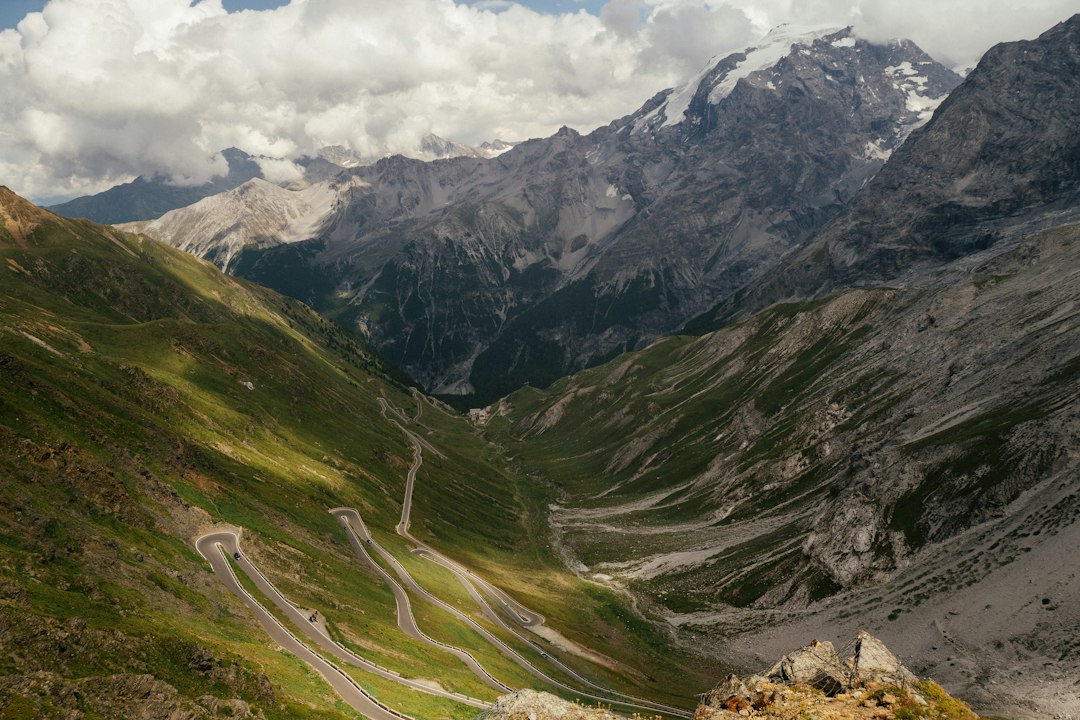
The wind howls a mournful dirge through jagged peaks, a constant companion to those who dared to traverse the ancient mountain passes. For millennia, these treacherous routes have been the arteries of human connection, the arteries of trade, of conquest, and of desperate flight. They are etched into the very fabric of history, stories whispered on the wind, tales of endurance, ingenuity, and the stark reality of nature’s unforgiving power. To journey through them was not merely a physical undertaking; it was a profound test of will, a dance with death, and an immersion into a world where survival depended on knowledge, preparation, and a healthy respect for the elements. The allure of the unknown, the promise of distant lands, and the necessity of passage drove countless souls to brave these perilous pathways, leaving behind a legacy of human resilience against overwhelming odds.
The Geography of Dread
The earth, in its ancient upheavals, sculpted a formidable tapestry of stone and ice, creating formidable barriers that defined civilizations and dictated the flow of human endeavor. These mountainous regions, often characterized by extreme altitudes, sheer cliffs, and volatile weather, presented formidable obstacles to any who sought to cross them. The very act of navigation was an art form, relying on an intimate understanding of the landscape, a skill honed over generations.
The Anatomy of a Treacherous Path
A typical mountain pass was not a gentle slope but a brutal, winding scar across the mountainside. Its formation was often a complex interplay of geological forces and the persistent erosion of water and ice. Glacial activity, in particular, played a significant role in carving out some of the most dramatic and challenging passes. The immense weight of glaciers, grinding over millennia, sculpted U-shaped valleys and cirques, leaving behind steep walls and narrow, often unstable, sections of terrain. Tectonic shifts, responsible for raising mountain ranges in the first place, also created fault lines and fractured rock, contributing to the precariousness of these routes. Landslides, rockfalls, and avalanches were not infrequent occurrences but ever-present dangers, capable of instantly obliterating pathways and travelers alike.
Defining Characteristics of the Perilous
The defining characteristics of a perilous mountain pass were manifold. Extreme gradients were common, forcing travelers to rely on pack animals with sure footing or, in the absence of such, to navigate treacherous scrambles on foot. Narrow ledges, often no wider than a person’s stride, clung precariously to sheer cliff faces. These were particularly dangerous, offering no room for error and a terrifying drop into the abyss below. The presence of scree slopes, loose piles of rock and debris, made for slow and arduous progress, with each step threatening to send a cascade of stones tumbling downwards. In higher altitudes, glaciers and permanent snowfields presented their own set of challenges, including hidden crevasses, the risk of frostbite, and the sheer physical exertion required to move through them. Weather was a capricious and often deadly factor. Sudden blizzards could descend with little warning, obscuring visibility and plunging temperatures to lethal lows. Fierce winds could dislodge rocks, tear at clothing, and make even standing difficult. The thin air at high altitudes also presented a physiological challenge, leading to altitude sickness, exhaustion, and impaired judgment.
The treacherous journey through dangerous mountain passes has long been a subject of fascination in ancient history, as it often determined the fate of entire civilizations. For instance, the perilous routes traversed by early traders and explorers not only challenged their endurance but also facilitated cultural exchanges and the spread of ideas. To delve deeper into the impact of geographical challenges on trade and settlement patterns, you can explore a related article that discusses the thriving industrial real estate in Mexico, which highlights how modern infrastructure has evolved around such historical routes. For more information, visit this article.
Echoes of Ancient Footfalls
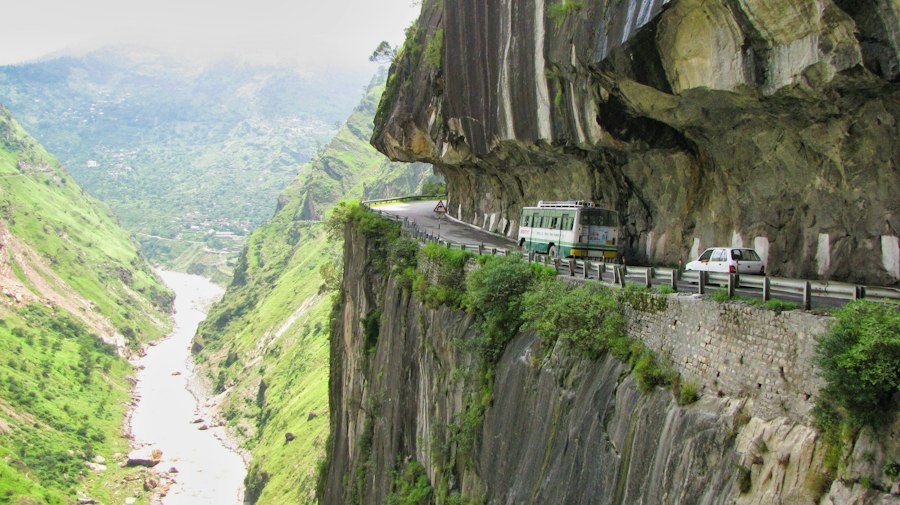
For millennia, these formidable routes have borne the weight of human ambition and necessity. They have witnessed the silent tread of migrating peoples, the thundering hooves of invading armies, and the desperate flight of refugees. Each passing caravan, each solitary traveler, added their own narrative to the rich tapestry of the passes, leaving behind faint traces of their passage that the wind and stone have preserved.
The First Explorers and Migrators
The earliest humans to traverse these challenging terrains were driven by the most fundamental of needs: survival and expansion. As populations grew, the lure of new territories and resources, or the pressure of encroaching rivals, compelled early humans to seek passage over or through mountain ranges that seemed insurmountable. These pioneering journeys were undertaken with rudimentary tools and a deep, instinctual understanding of the land. They likely followed natural game trails, the faint impressions left by herds of animals seeking grazing lands or migratory routes. These early paths were not engineered in any deliberate sense but were the result of repeated use, adapting to the contours of the land in the least difficult way possible. The knowledge of safe passages was a closely guarded secret, passed down through oral tradition and lived experience. The development of basic climbing techniques, the ability to select safe footholds, and the understanding of how to navigate by the stars or the sun were crucial skills for these first explorers. Their journeys were slow, arduous, and fraught with peril, but they laid the groundwork for future, more organized, traversals.
Trade Routes Carving Pathways Through Stone
The establishment of trade routes was a pivotal moment in the history of mountain passes. As societies developed and specialized, the need for goods and resources not available locally spurred the creation of extensive networks of exchange. Mountain passes, though challenging, often represented the only feasible links between disparate regions, connecting producers with consumers across vast distances. The Silk Road, perhaps the most famous example, saw merchants traversing treacherous passes in the Pamirs and Himalayas, carrying precious silk, spices, and other commodities. These trade routes were not static; they evolved as merchants discovered safer or more efficient paths, often adapting existing animal trails or even, with considerable effort, carving rudimentary pathways into the mountainside. The economic incentive was immense, driving innovation in transportation and a greater understanding of the passes themselves. The development of specialized pack animals, such as llamas in the Andes or yaks in the Himalayas, further facilitated trade, their sure-footedness and resilience adapted to the harsh mountain environments. Caravanserais, roadside inns, began to spring up along these routes, offering shelter and respite to weary travelers, further solidifying the importance of these passes as conduits of commerce.
Armies Marching to Conquer and Flee
The strategic importance of mountain passes was not lost on military leaders throughout history. Control of a key pass could mean the difference between a successful invasion and a decisive defeat. Armies, often far larger and more heavily equipped than any merchant caravan, presented unique logistical challenges. The sheer number of men, horses, and supplies required a level of organization and engineering previously unseen. Hannibal’s audacious crossing of the Alps with his elephants is a testament to the willingness of ancient commanders to risk everything for a strategic advantage. The construction of fortified outposts and bridges within passes further highlights their military significance. Conversely, mountain passes also served as routes of escape and refuge. During times of conflict or persecution, populations would flee into the mountains, seeking the natural defenses these treacherous terrains offered. The passes, therefore, became not only highways for conquest but also sanctuaries for the displaced. The ability to move armies through these passes often relied on extensive reconnaissance, the clearing of obstacles, and the careful timing of movements to avoid the worst of the weather.
The Tools of Survival
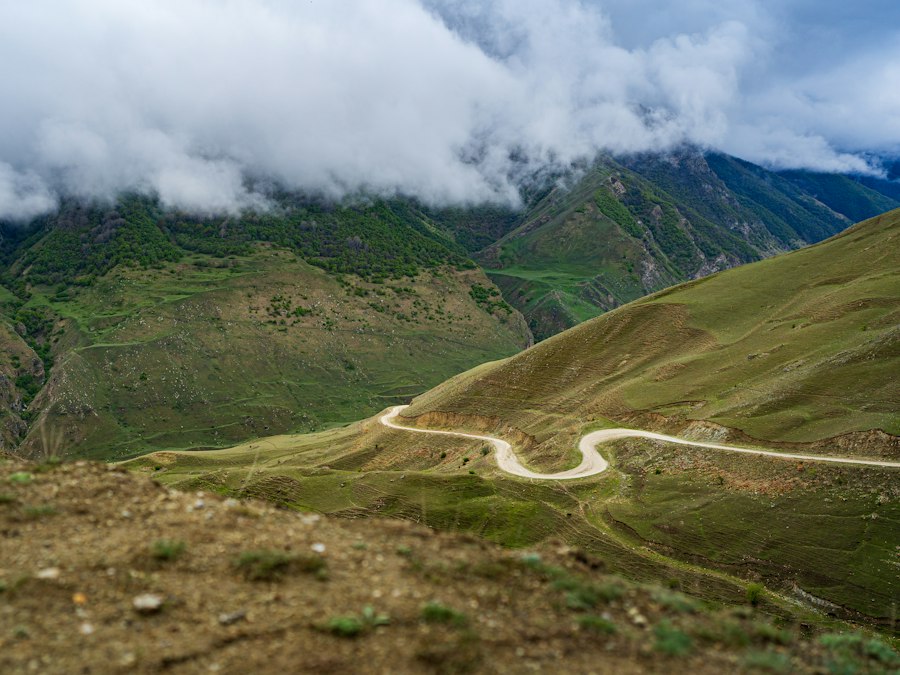
To conquer the formidable challenge of mountain passes, humanity developed a suite of ingenious tools and techniques. These ranged from practical advancements in navigation and equipment to the development of specialized knowledge passed down through generations. Survival was not a matter of chance, but of meticulous preparation and the application of learned wisdom.
Navigational Ingenuity in the High Wilderness
Navigating the unforgiving terrain of mountain passes required more than just a general sense of direction. The constantly shifting landscape, obscured by mist, snow, or sheer rock walls, demanded sophisticated navigational techniques. Early travelers relied heavily on their acute observational skills. They learned to read the subtle cues of the environment: the direction of prevailing winds, the patterns of moss growth on rocks, the flow of streams, and the behavior of wildlife. These natural indicators provided a rudimentary but effective compass. The position of the sun during the day and the stars at night were also crucial. Celestial navigation, though primitive, allowed travelers to maintain a consistent bearing, especially in areas with few distinguishing landmarks. The development of rudimentary maps, often etched onto stone or parchment, began to emerge as trade routes became more established. These maps, however, were often subjective and relied on the cartographer’s personal experience, highlighting landmarks and dangers as they remembered them. In particularly challenging areas, cairns – carefully constructed piles of stones – were erected to mark the safest path, serving as silent, enduring signposts for those who followed. The ability to interpret these signs, often subtle and easily missed by the uninitiated, was a critical survival skill.
Essential Gear for the Ascent
The gear carried by travelers through mountain passes was a testament to practicality and necessity. Each item was chosen for its ability to withstand the harsh conditions and contribute to survival. Sturdy footwear was paramount, often reinforced with leather or even metal to provide grip and protection on rocky and uneven surfaces. Thick wool or animal hides provided warmth and protection against the biting winds and cold. Backpacks and saddlebags, expertly crafted to distribute weight evenly, were essential for carrying provisions, tools, and extra clothing. Ropes, made from braided plant fibers or animal sinew, were invaluable for climbing, securing loads, and rescuing fallen companions. For those traversing glaciers, rudimentary ice axes and crampons, fashioned from wood and metal, began to appear, offering crucial assistance in navigating icy terrain. Fire-starting tools, such as flint and steel or friction-based methods, were vital for warmth, cooking, and signaling. Provisions were carefully selected for their caloric density and shelf-life, typically consisting of dried meats, grains, nuts, and preserved fruits. The weight of these provisions was always a consideration, a constant balancing act between sustenance and the burden of carrying it.
The Wisdom of the Trail Masters
The true secret to surviving mountain passes lay not just in tools and techniques but in the accumulated wisdom of those who regularly traversed them. These were the “trail masters,” individuals who possessed an almost intuitive understanding of the mountain’s moods and dangers. Their knowledge was often passed down through generations, a living legacy of survival. They understood the subtle signs of impending avalanches, the safest times to cross treacherous snowfields, and the locations of hidden springs and sheltered resting places. They knew which plants were edible and which were poisonous, and how to treat common ailments and injuries in remote environments. This knowledge was not static; it was constantly refined through observation and experience. The trail masters understood that respect for the mountain was paramount. They knew when to push forward and, more importantly, when to turn back. Their guidance was sought after by merchants, armies, and pilgrims alike, their expertise a crucial buffer against the raw power of the wilderness. Their skills were not taught in academies but learned on the unforgiving slopes, in the biting winds, and under the silent gaze of the stars.
The Human Cost of Passage
The allure of the unknown and the necessity of crossing these formidable barriers came at a profound human cost. The dangers were relentless, and the toll on life and limb was often immense. Yet, the stories of those who perished are as important as the tales of those who succeeded, a stark reminder of the fragility of life in the face of nature’s might.
Loss and Lamentation on the High Peaks
The statistics of travel through mountain passes are lost to the mists of time, but the narratives that have survived paint a grim picture. Families were torn apart, livelihoods lost, and entire expeditions vanished without a trace. The sheer inaccessibility of many passes meant that those who fell often did so in solitude, their final moments unseen and their remains undiscovered for years, if ever. The chilling discovery of frozen bodies, preserved by the cold, served as a somber testament to the risks involved. Stories of loved ones waiting in vain for the return of travelers, their hopes slowly eroding with each passing season, are a recurring theme in the folklore of mountain communities. The lamentations of those left behind, their grief echoing in the mountain winds, underscore the personal tragedies woven into the fabric of these ancient routes. The loss was not just individual; entire communities could be decimated by the loss of key traders, explorers, or soldiers.
Miracles of Survival Against All Odds
Amidst the tales of tragedy, there are also remarkable stories of resilience and survival against seemingly impossible odds. Tales of individuals lost for days or even weeks, surviving on meager rations and sheer willpower, emerging from the mountain’s embrace battered but alive, are inspirational testaments to the human spirit. These narratives often involve acts of extraordinary courage, resourcefulness, and a deep connection with the natural world. A lost traveler might find unexpected shelter in a hidden cave, discover a forgotten game trail leading to water, or be guided by the keen instincts of a loyal animal companion. The ability to adapt, to make the most of dwindling resources, and to maintain hope in the face of despair were the hallmarks of these miraculous survivals. These stories, passed down through oral tradition, became legends, inspiring future generations to face the challenges of the mountain with a blend of caution and unwavering determination. They highlight the extraordinary capacity of humans to endure and overcome, even when pushed to their absolute limits.
The Legacy Carved in Stone and Memory
Though the physical passes may remain, the tangible evidence of human passage is often subtle. Footprints are erased by wind and snow, campsites are reclaimed by nature. Yet, the legacy of these ancient journeys endures. It is etched in the faint remnants of ancient trade routes, visible to the trained eye as subtle changes in vegetation or the occasional scattering of pottery shards. It is preserved in the folklore and mythology of the regions, in the songs and stories that speak of heroic crossings and tragic losses. The development of mountain communities, their cultures shaped by centuries of interaction with these challenging terrains, is another enduring legacy. Even the very language spoken in these regions often contains words and phrases directly related to mountain travel and survival. The knowledge accumulated over millennia, about weather patterns, safe routes, and the behavior of the mountain, continues to inform modern-day exploration and mountaineering, a testament to the enduring wisdom of those who first dared to tread these perilous paths.
The treacherous journey through ancient mountain passes has always fascinated historians and adventurers alike, as it reveals the resilience and ingenuity of early civilizations. For instance, the Maya civilization, known for their advanced understanding of water filtration, often traversed rugged terrains to access vital resources. This connection between their survival and the challenging landscapes they navigated is explored in detail in a related article that discusses the significance of water management in ancient societies. You can read more about it in this insightful piece on the power of Maya filtration.
Modern Echoes in Ancient Aisles
| Mountain Pass | Region | Historical Period | Known Dangers | Notable Ancient Journey | Approximate Elevation (meters) |
|---|---|---|---|---|---|
| Khyber Pass | Hindu Kush, Afghanistan/Pakistan | Ancient to Medieval | Steep cliffs, bandits, harsh weather | Alexander the Great’s invasion (4th century BCE) | 1,070 |
| Thermopylae Pass | Greece | Classical Antiquity | Narrow terrain, enemy ambush | Battle of Thermopylae (480 BCE) | Sea level to 100 |
| Huangshan Pass | China | Ancient China | Steep rocky paths, landslides | Han Dynasty military campaigns | 1,800 |
| Stelvio Pass | Alps, Italy | Roman Empire | High altitude, narrow roads, avalanches | Roman military movements | 2,757 |
| Bolshoy Ulagan Pass | Altai Mountains, Siberia | Ancient Siberian tribes | Extreme cold, wildlife, rugged terrain | Nomadic migrations | 2,500 |
While the age of intrepid explorers relying on rudimentary tools has largely passed, the echoes of their journeys still resonate. Modern technology and infrastructure have transformed many of these once-impenetrable barriers, yet the spirit of adventure and the inherent dangers of the high mountains persist, inviting new forms of engagement.
The Transformation of Passage
The advent of modern technology has dramatically altered the way humans interact with mountain passes. The development of sophisticated engineering has led to the construction of tunnels, bridges, and meticulously maintained roads that now snake through many once-impassable ranges. The Great St. Bernard Pass, once a arduous journey taking days, can now be traversed in a matter of minutes by car through its modern tunnel. High-altitude railways and cable cars offer breathtaking views and accessible passage to peaks that were once the exclusive domain of seasoned mountaineers. These advancements have not only facilitated trade and tourism on an unprecedented scale but have also rendered many of the ancient routes obsolete, transforming them from vital arteries into historical footnotes or adventurous hiking trails. The challenges of weather and terrain, however, still dictate the accessibility of many passes, with closures due to snow, ice, and rockfalls remaining a common occurrence even on modern infrastructure.
The New Explorers and Their Pursuits
The modern era has seen a shift in the nature of human endeavor in mountain passes. While trade and conquest have largely been replaced by tourism and scientific exploration, the spirit of adventure remains. Mountaineering, in its various forms, has become a prominent pursuit, drawing individuals from around the globe to test their limits against the towering peaks. Climbers, equipped with advanced gear and supported by sophisticated logistics, now tackle routes that were once considered unimaginable. Skiing and snowboarding have opened up new ways to experience the mountain environment, transforming treacherous slopes into exhilarating playgrounds. Scientific research, from glaciology to atmospheric studies, also benefits from access to high-altitude environments, with researchers venturing into these remote regions to gather data. The romantic allure of the unspoiled wilderness, coupled with the inherent challenges, continues to draw a new generation of explorers, albeit with different motivations and vastly different toolkits.
Enduring Respect for Nature’s Power
Despite humanity’s technological prowess, the mountain passes still command a profound respect for nature’s power. Even with modern infrastructure, the risks associated with extreme weather, unpredictable geological events, and the sheer scale of the environment remain. Avalanches continue to pose a deadly threat to skiers and snowboarders, and sudden storms can still strand even the most experienced climbers. The history of these passes serves as a constant reminder that while we can engineer our way around some obstacles, we can never truly conquer the raw forces of nature. The stories of ancient travelers, their struggles and triumphs, continue to resonate, offering valuable lessons in humility, preparedness, and the enduring importance of respecting the formidable power of the natural world. The awe-inspiring beauty of these landscapes, coupled with their inherent dangers, ensures that mountain passes will continue to capture the human imagination and challenge the adventurous spirit for generations to come.

20,000 Years Ago | The Coldest Journey in Human History
FAQs
What is the dangerous mountain pass journey in ancient history?
The dangerous mountain pass journey in ancient history refers to the treacherous routes that ancient civilizations had to navigate through mountainous terrain to reach their destinations.
Which ancient civilizations were known for undertaking dangerous mountain pass journeys?
Ancient civilizations such as the Romans, Greeks, and Incas were known for undertaking dangerous mountain pass journeys as they expanded their territories and established trade routes.
What were some of the challenges faced by travelers on dangerous mountain pass journeys in ancient times?
Travelers on dangerous mountain pass journeys in ancient times faced challenges such as unpredictable weather conditions, steep and narrow paths, avalanches, and encounters with hostile tribes or animals.
How did ancient travelers prepare for dangerous mountain pass journeys?
Ancient travelers prepared for dangerous mountain pass journeys by equipping themselves with appropriate clothing, food supplies, tools for navigation, and sometimes hiring local guides familiar with the terrain.
What role did dangerous mountain pass journeys play in shaping ancient history?
Dangerous mountain pass journeys played a significant role in shaping ancient history by facilitating trade, cultural exchange, and the expansion of empires, while also posing risks and challenges that tested the resilience and resourcefulness of ancient civilizations.