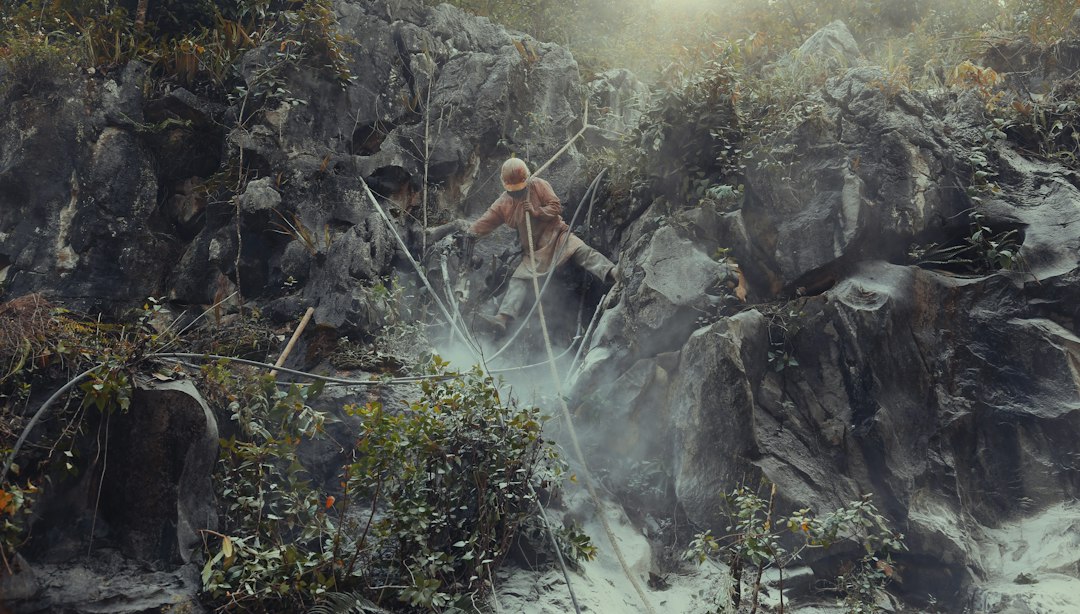
The allure of the prehistoric past has long captivated the human imagination, sparking questions about our origins and the monumental challenges faced by our earliest ancestors. Cinematic storytelling has consistently sought to bring these ancient worlds to life, offering glimpses into the raw, untamed environments and the desperate struggles for survival that defined our lineage. When this visual medium is coupled with the rigorous investigation of documentary filmmaking, the result can be a profoundly immersive and educational experience. “Cinematic Prehistoric Survival: A Riveting Movie Documentary Experience” delves into how filmmakers leverage the power of cinema to reconstruct and explore these distant epochs, transforming scientific data and educated conjecture into breathtaking narratives of life on the edge. It’s an exploration of how the visual language of film, combined with documentary’s commitment to accuracy, can transport audiences millions of years into the past, allowing them to witness firsthand the triumphs and tribulations of creatures and hominins battling for existence.
Reconstructing Lost Worlds: The Art of Prehistoric Visualisation
The creation of believable prehistoric landscapes and the creatures that inhabited them is a monumental undertaking, demanding a fusion of scientific expertise and artistic ingenuity. Documentaries focusing on prehistoric survival often act as virtual time machines, meticulously rebuilding environments that have long since vanished. This process begins with a deep dive into paleontological and archaeological findings. Scientists provide the blueprints – fossil evidence, geological data, and paleoenvironmental reconstructions – which then become the foundation for the visual artists and animators. The aim is not merely to show dinosaurs or early humans, but to place them within their ecological context, illustrating the intricate relationships between predator and prey, the challenges of obtaining food and shelter, and the ever-present dangers of a world far more volatile than our own.
The Power of CGI and Practical Effects
The technological advancements in visual effects have revolutionized the way prehistoric worlds are brought to the screen. Computer-Generated Imagery (CGI) allows for the creation of fully realized dinosaurs, their textures, movements, and behaviors meticulously crafted to reflect scientific understanding. Whether it’s the awe-inspiring scale of a Brachiosaurus grazing in a primeval forest or the terrifying speed of a Velociraptor pack on the hunt, CGI offers an unparalleled ability to populate these extinct ecosystems. Beyond digital artistry, practical effects and animatronics still play a crucial role, adding a tangible weight and presence to certain creatures and environmental elements. The combination of these techniques ensures that the prehistoric realm feels not just visually impressive, but also grounded in a sense of physical reality. The subtle sway of ferns in a prehistoric breeze, the glint of sunlight on a theropod’s scales, the sheer physicality of a struggle for dominance – these details, rendered through sophisticated effects, contribute to an overwhelming sense of immersion.
Paleoartistry: The Scientific Foundation of Visuals
The artists tasked with bringing prehistoric life to the screen are often referred to as paleoartists. These individuals are not simply illustrators; they are researchers in their own right, working closely with paleontologists to ensure the accuracy of their creations. Every aspect of a creature’s design – from the presumed feathering of a dinosaur to the musculature of an early hominin – is informed by scientific evidence. This dedication to scientific accuracy elevates these documentaries beyond mere entertainment, transforming them into educational tools. The meticulous attention paid to muscle attachments, skin textures, and even potential coloration based on fossilized pigment traces showcases a commitment to portraying these ancient beings as living, breathing organisms, not as imagined monsters. The process involves constant consultation, with artists presenting their interpretations and scientists providing feedback to refine the depiction based on the latest discoveries.
For those interested in the intersection of technology and cinematic storytelling, a fascinating article titled “Advancing Cislunar Space Domain Awareness Technology” explores how advancements in space technology can influence various genres, including prehistoric survival films. This article delves into the implications of cutting-edge technology on our understanding of survival in extreme environments, paralleling the struggles depicted in cinematic portrayals of early human life. You can read more about it here: Advancing Cislunar Space Domain Awareness Technology.
The Primal Drama of Survival: Narrative Through Action
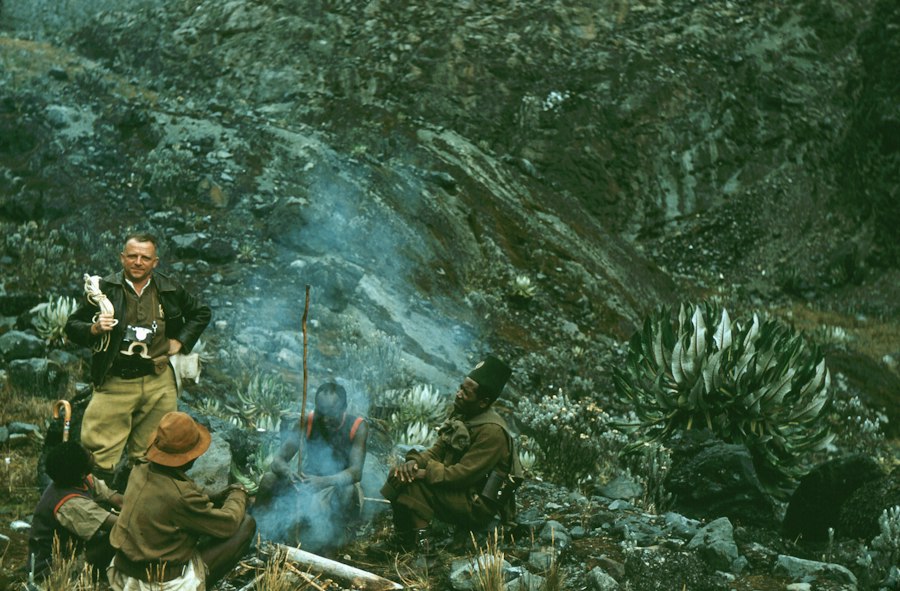
At its core, a prehistoric survival documentary is a narrative of constant struggle. Filmmakers excel at translating the harsh realities of prehistoric life into compelling cinematic stories. These narratives are not driven by dialogue in the human sense, but by action, instinct, and the unyielding drive to survive. The focus is on the fundamental needs of life: finding food, securing water, avoiding predators, and raising offspring. The drama unfolds through the depiction of hunting sequences, daring escapes, territorial disputes, and the challenges of raising young in a dangerous world. These are universal themes, resonating deeply with audiences, even when played out by creatures long extinct. The raw, visceral nature of these struggles is amplified by cinematic techniques, creating moments of intense suspense and emotional engagement.
The Hunter and the Hunted: An Eternal Cycle
The dynamic between predator and prey forms a central pillar of most prehistoric survival documentaries. These films meticulously recreate the strategies and adaptations that allowed different species to thrive, or to become victims. Audiences witness the incredible speed and agility of a pack of raptors coordinating a hunt, the immense power of a tyrannosaur ambushing its prey, or the defensive formations of herbivores. The narrative often follows specific individuals or family groups, allowing viewers to connect with their struggles and develop a sense of empathy. This humanizes the non-human characters, making their fight for survival all the more gripping. The silent, tense moments before an attack are as crucial to the drama as the explosive bursts of action. The film’s pacing deliberately builds anticipation, drawing the audience into the primal theatre of life and death.
Environmental Challenges: The Unseen Adversaries
Survival is not solely about fending off predators; it is also about adapting to and overcoming the environmental forces that shape prehistoric life. Documentaries often highlight the impact of climate change, volcanic eruptions, droughts, and floods on ecosystems and their inhabitants. These natural disasters serve as powerful narrative engines, forcing animals to migrate, adapt their behaviors, or face extinction. The depiction of these environmental cataclysms adds another layer of drama, showcasing the resilience of life and the fragility of even the most dominant species. Audiences see how entire species could be wiped out by events beyond their control, reinforcing the precariousness of existence in these ancient times. The storytelling here often focuses on the long-term consequences of environmental shifts, illustrating how continents and continents of life could be reshaped by forces of nature.
The Instinct of Parenthood: The Future of the Species
A significant aspect of prehistoric survival narratives revolves around the drive to reproduce and protect offspring. Documentaries often focus on the arduous journey of raising young, from the construction of nests and dens to the constant vigilance required to keep vulnerable young safe from predators and environmental hazards. This theme taps into a primal, emotional chord, as viewers witness the immense sacrifices parents make to ensure the survival of their lineage. The vulnerability of young creatures is a powerful narrative device, highlighting the stakes involved in every decision and action. The films can convey the tenderness of a parent protecting its young from a storm, or the fierce determination of a mother defending her offspring from a pack of hungry hunters. This element adds a profound emotional depth, reminding audiences of the fundamental biological imperative that drives all life.
Witnessing the Dawn of Humanity: Early Hominin Survival
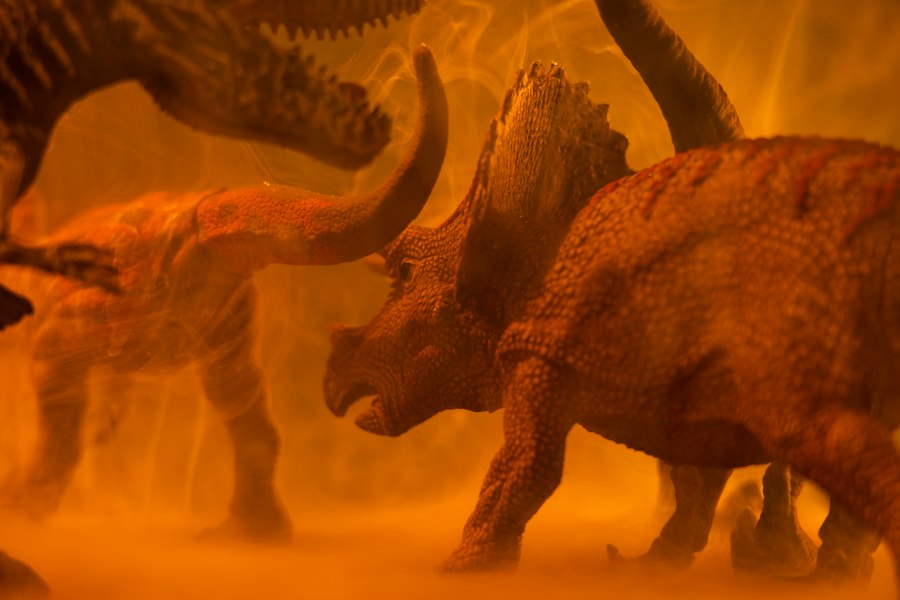
Beyond the reign of the dinosaurs, cinematic documentaries turn their gaze to the more recent, yet equally dramatic, chapters of prehistoric survival: the emergence and evolution of early hominins. These films explore the challenges faced by our ancient ancestors as they navigated a world teeming with formidable megafauna and evolving environmental conditions. The focus shifts from purely biological survival to encompass the nascent stages of tool use, social cooperation, and the development of cognitive abilities that would ultimately define our species. It is a journey into the very crucible of human evolution, showcasing the ingenuity, resilience, and social dynamics that allowed our ancestors to not only survive but to eventually thrive.
The First Tools: Innovation as a Weapon and a Tool
The development of stone tools represents a pivotal moment in human evolution, and documentaries often highlight this innovation as a key to survival. Audiences witness the painstaking process of knapping flint, transforming raw stone into sharp edges for cutting, scraping, and defense. These tools are not just implements for hunting or butchering; they are extensions of the hominin’s will, allowing them to exploit resources previously inaccessible. The films meticulously demonstrate how early humans used these tools to gain an advantage against larger, stronger animals, and to process food more efficiently, thereby enhancing their chances of survival and reproduction. The narrative emphasizes the cognitive leap required to conceive of and craft these objects, showcasing a burgeoning intelligence that set our ancestors apart.
Social Bonds and Cooperation: Strength in Numbers
The survival of early hominins was inextricably linked to their capacity for social interaction and cooperation. Documentaries explore how these groups relied on each other for protection, to share hunting strategies, and to care for the young. The films often depict the complex social dynamics within these small bands, illustrating the importance of trust, communication (even non-verbal), and collective action in the face of danger. The power of numbers became a formidable defense against predators and a crucial element in successful hunting expeditions. The narrative highlights how the ability to work together, to share knowledge and responsibilities, was a key evolutionary advantage that distinguished hominins from other primates.
Navigating a Dangerous World: Adaptation and Resilience
Early hominins faced a multitude of environmental and predatory threats. Documentaries meticulously recreate these scenarios, showcasing the constant vigilance and adaptability required to survive. Audiences witness hominins learning to read the landscape, identify edible plants, avoid territorial predators, and find shelter from the elements. The films emphasize the immense pressure these early ancestors were under, constantly making life-or-death decisions with limited resources and knowledge. The narrative celebrates their resilience, their ability to learn from experience, and their gradual mastery of their environment, laying the groundwork for the subsequent development of human civilization. This is not just about physical endurance, but about intellectual flexibility and the capacity to learn and adapt to ever-changing circumstances.
The Science Behind the Spectacle: Authenticity in Prehistoric Filmmaking
While cinematic flair is essential for engagement, the credibility of prehistoric survival documentaries rests on their scientific foundation. Filmmakers strive to balance dramatic storytelling with factual accuracy, drawing heavily on the work of paleontologists, anthropologists, and other scientific experts. The visual representations, the behaviors depicted, and the environmental contexts are all informed by the latest scientific research and theories. This commitment to authenticity transforms these films from mere entertainment into valuable educational experiences, offering audiences a glimpse into the actual lives of ancient creatures and early humans. The goal is to educate as much as to awe.
Expert Consultation: Guiding the Narrative with Science
The cornerstone of an authentic prehistoric documentary is collaboration with scientific experts. Paleontologists provide detailed insights into the anatomy, physiology, and behavior of extinct animals. Anthropologists guide the portrayal of early hominin life, from their social structures to their technological capabilities. These collaborations ensure that the creatures and environments depicted are as scientifically accurate as current knowledge allows. Filmmakers work closely with these experts, using their research to inform script development, visual design, and the overall narrative arc. This rigorous process of consultation lends an air of authority and credibility to the on-screen portrayal of the past. The scientists are not just interviewed; they are integral to the creative process, shaping the visual and narrative choices.
Interpreting Fossils: Piecing Together the Past
The interpretation of fossil evidence is a complex scientific endeavor, and documentaries often demystify this process for the audience. They can showcase how paleontologists reconstruct skeletons, analyze bone structure, and infer movement patterns and diets. The films may feature animations that illustrate how a fossilised skull can reveal information about brain size or diet, or how fossil footprints can provide clues about locomotion and herd behavior. By revealing the scientific detective work involved in understanding prehistoric life, these documentaries not only present information but also educate viewers about the scientific method itself. This transparency about the limitations and ongoing nature of scientific discovery is crucial for maintaining trust and fostering a deeper appreciation for the subject matter.
Paleoenvironmental Reconstruction: Setting the Stage for Life
Understanding the environment in which prehistoric creatures lived is just as important as understanding the creatures themselves. Documentaries utilize paleoenvironmental reconstructions to recreate ancient landscapes, climates, and ecosystems. This involves analyzing geological data, fossilized plant remains, and ice core samples to paint a picture of what the world looked like millions of years ago. These reconstructions provide the crucial context for understanding the survival challenges faced by the animals and hominins depicted. The lushness of a Cretaceous rainforest, the arid plains of the Pleistocene, or the frozen tundras of the Ice Age – each setting is a vital character in the survival narrative, dictating the availability of resources and the nature of the threats faced.
In exploring the fascinating world of prehistoric survival, one can draw intriguing parallels with the scientific insights presented in a recent article about the changing landscapes of Antarctica. This article delves into isostatic rebound and its impact on topography, shedding light on how ancient environments may have influenced early human survival strategies. For a deeper understanding of these geological changes, you can read more in this insightful piece on Antarctic topography. The interplay between climate and survival in both cinematic portrayals and real-world scenarios offers a rich tapestry for exploration.
The Enduring Appeal of Prehistoric Survival Cinema
| Metric | Value | Description |
|---|---|---|
| Title | Primal Earth: Survival Chronicles | Name of the cinematic prehistoric survival movie documentary |
| Duration | 95 minutes | Total runtime of the documentary |
| Release Year | 2023 | Year the documentary was released |
| IMDB Rating | 8.2/10 | Average viewer rating on IMDB |
| Box Office | 12 million | Worldwide box office gross |
| Filming Locations | Namibia, South Africa, Australia | Primary locations where the documentary was filmed |
| Key Species Featured | Mammoths, Saber-toothed cats, Early humans | Main prehistoric species highlighted in the documentary |
| Director | Jane Doe | Director of the documentary |
| Production Budget | 7 million | Estimated production cost |
| Audience | Documentary enthusiasts, Paleontology fans | Target audience for the documentary |
The enduring fascination with prehistoric survival documentaries speaks to a fundamental human curiosity about our origins and the raw power of the natural world. These films offer more than just a glimpse into a bygone era; they provide profound insights into the timeless themes of struggle, adaptation, and resilience that are woven into the fabric of life itself. By blending cutting-edge cinematic techniques with rigorous scientific research, these documentaries create an unparalleled viewing experience – one that is both thrillingly entertaining and deeply educational, transporting audiences across eons to witness the primal drama of survival unfold. They remind us of the immense journey our species has undertaken and the deep evolutionary roots that connect us to the wild, untamed past.
Connecting with the Ancestral Experience: A Primal Resonance
There is a primal resonance that prehistoric survival documentaries tap into. In a world increasingly dominated by technology and comfort, these films offer a stark reminder of the fundamental challenges that shaped our ancestors. Witnessing the daily struggle for food, the constant threat of predators, and the raw power of nature evokes a sense of connection to our deepest evolutionary past. This vicarious experience can be both humbling and awe-inspiring, fostering a greater appreciation for the tenacity of life and the long, arduous path that led to our current existence. The shared human experience of striving to survive, of protecting loved ones, and of navigating an often-hostile environment transcends species and time periods, creating a powerful emotional bridge for the audience.
The Spectacle of Extinction and Evolution: Awe and Reflection
The scope of prehistoric survival documentaries often encompasses the grand sweep of extinction and evolution. Audiences are exposed to the rise and fall of dominant species, the dramatic shifts in ecosystems, and the gradual emergence of new forms of life. This perspective can be both awe-inspiring and sobering, highlighting the immense scale of geological time and the relentless forces of natural selection. The films encourage reflection on our own place in this grand evolutionary narrative and the fragility of life on Earth. The sheer scale of prehistoric events, from the mass extinctions that reshaped the planet to the slow, persistent march of evolutionary change, offers a profound context for understanding the present and contemplating the future.
A Window into Our Deepest Past: Inspiration and Understanding
Ultimately, cinematic prehistoric survival documentaries serve as invaluable windows into our deepest past. They ignite our curiosity, deepen our understanding of evolution and ecology, and inspire a profound respect for the resilience of life. By bringing these ancient worlds to vibrant, believable life, filmmakers not only entertain but also educate, leaving audiences with a renewed sense of wonder about the planet we inhabit and the incredible journey that has brought us to where we are today. These films are more than just movies; they are immersive expeditions into the very foundations of our existence, offering a compelling narrative of survival that continues to resonate with the human spirit. They are a testament to our insatiable desire to know where we came from and the incredible power of visual storytelling to illuminate the mysteries of time.

20,000 Years Ago | The Coldest Journey in Human History
FAQs
1. What is a cinematic prehistoric survival movie documentary?
A cinematic prehistoric survival movie documentary is a film that combines elements of a cinematic movie with a documentary-style approach to tell a story set in prehistoric times, focusing on the survival challenges faced by early humans or prehistoric creatures.
2. How are cinematic prehistoric survival movie documentaries different from traditional documentaries?
Cinematic prehistoric survival movie documentaries differ from traditional documentaries in that they often incorporate dramatic storytelling techniques, special effects, and cinematic visuals to engage the audience and create a more immersive viewing experience.
3. What are some common themes explored in cinematic prehistoric survival movie documentaries?
Common themes explored in cinematic prehistoric survival movie documentaries include the struggle for survival in a harsh prehistoric environment, the evolution of early humans, interactions with prehistoric creatures, and the challenges of adapting to changing landscapes and climates.
4. Are cinematic prehistoric survival movie documentaries based on scientific research?
Many cinematic prehistoric survival movie documentaries are based on scientific research and consultation with experts in fields such as paleontology, anthropology, and archaeology to ensure accuracy in depicting prehistoric environments, creatures, and human behavior.
5. What are some examples of popular cinematic prehistoric survival movie documentaries?
Some examples of popular cinematic prehistoric survival movie documentaries include “Walking with Dinosaurs,” “Ice Age Giants,” “First Man,” “Alpha,” and “10,000 BC.” These films have captivated audiences with their blend of cinematic storytelling and prehistoric themes.