
The silent chronicles etched in stone offer humanity an unparalleled glimpse into the very dawn of innovation. Stone tool archaeology, a field dedicated to the study of these ancient artifacts, is not merely about the examination of chipped rocks. It represents the investigation of the nascent stages of human ingenuity, the genesis of technology, and the slow, deliberate evolution of our cognitive abilities. For millions of years, before the advent of metals, complex machinery, or digital networks, stone was the fundamental medium through which early hominins interacted with and shaped their environment. Each flake, each meticulously shaped edge, tells a story of problem-solving, adaptation, and the gradual accumulation of knowledge passed down through generations, or perhaps more accurately, learned through observation and practice. The persistence of stone as a primary technological material for such an immense span of our evolutionary history underscores its versatility and the critical role it played in the survival and eventual dominance of our species. Understanding the intricacies of their manufacture, their varied forms, and their functional applications allows archaeologists to reconstruct the lives, behaviors, and even the social structures of our most distant ancestors.
The Dawn of Lithic Technology: Early Hominin Toolkits
The earliest evidence of stone tool manufacture points to a period stretching back over three million years, a testament to the long and complex trajectory of human technological development. These initial forays into toolmaking were not the sophisticated implements of later ages, but rather rudimentary yet profoundly significant creations that marked a pivotal shift in hominin capabilities. The understanding and manipulation of stone, even at its most basic level, conferred a substantial evolutionary advantage, enabling early humans to access new food resources, defend themselves, and engage in activities that were previously impossible. The very act of intentionally altering a stone to serve a specific purpose signifies a leap in cognitive complexity, suggesting foresight, planning, and a rudimentary understanding of material properties. This initial phase of lithic technology laid the foundation for all subsequent technological advancements, demonstrating the enduring principle that tools are extensions of our own physical and mental capacities.
Oldowan Assemblages: The Genesis of Systematic Tool Use
The Oldowan stone tool industry, named after the Olduvai Gorge in Tanzania, represents one of the earliest well-defined archeological cultures. Dating back to approximately 2.6 to 1.7 million years ago, these tools are characterized by a relatively simple manufacturing process known as the “chopper-chopping tool” tradition. Hominins, likely early Homo species or perhaps even late australopithecines, would select suitable stones, typically river cobbles or chert nodules, and strike them with another stone, a “hammerstone,” to detach sharp flakes. These flakes, with their naturally occurring sharp edges, were the primary functional elements of Oldowan tools. While the process might seem crude by modern standards, the deliberate and systematic nature of this flaking is what sets these artifacts apart from naturally fractured stones. The resulting assemblages are often characterized by a prevalence of cores (the original stone from which flakes were detached), flakes, and occasional debitage (waste material from the flaking process). The sheer consistency in flake production and the identification of specific tool types, even within this seemingly simple toolkit, point to a learned behavior and a degree of intentionality in their creation. The functional analysis of these tools strongly suggests their use in tasks such as butchering animal carcasses – scraping meat from bones and cutting through hides – and processing plant materials, such as pounding tubers or fibrous plants. The presence of Oldowan tools at numerous sites across Africa provides compelling evidence for the widespread adoption and utilization of this fundamental technology among early hominins, marking the true beginning of our technological lineage.
Acheulean Innovations: The Handaxe Revolution
Following the Oldowan, the Acheulean industry, flourishing from approximately 1.7 million to 200,000 years ago, marks a significant leap in lithic technology, characterized by the widespread and standardized production of the handaxe. This iconic bifacial tool, meticulously shaped on both sides to create a symmetrical, teardrop or oval form with a pointed tip and a rounded base, represents a considerable advance in cognitive abilities and motor skills. The manufacture of a handaxe required not only the ability to detach flakes but also a sophisticated understanding of symmetry, planning, and the ability to envision the final form before the shaping process even began. The production of Acheulean tools involved a more prolonged and controlled process of flaking, often using softer hammer materials like bone or wood to achieve finer retouching and a sharper, more durable edge. The standardization of the handaxe across vast geographical regions and over immense periods of time suggests a significant level of cultural transmission and the establishment of shared technological traditions. While the precise functions of the handaxe remain a subject of debate, evidence points to their versatility. They were likely used for a range of tasks, including butchery, woodworking (such as stripping bark or shaping wood), digging for roots, and possibly even as weapons for hunting or defense. The longevity and widespread distribution of the Acheulean industry, with its hallmark handaxe, underscore its importance in the subsistence strategies and technological prowess of Homo erectus and later hominin species. It signifies a period where hominins were not just passively using their environment but actively and purposefully modifying it to their advantage on a grand scale.
Stone tool archaeology provides invaluable insights into the lives of our prehistoric ancestors, revealing their ingenuity and adaptability in a world that was vastly different from our own. A related article that delves into the broader context of early human exploration and technology is “Navigating the Unknown: Mapping the World Before Discovery.” This piece explores how ancient peoples charted their environments and utilized primitive technologies to navigate and survive. For more information, you can read the article here: Navigating the Unknown: Mapping the World Before Discovery.
The Refinement of Lithic Industries: Cognitive and Social Implications
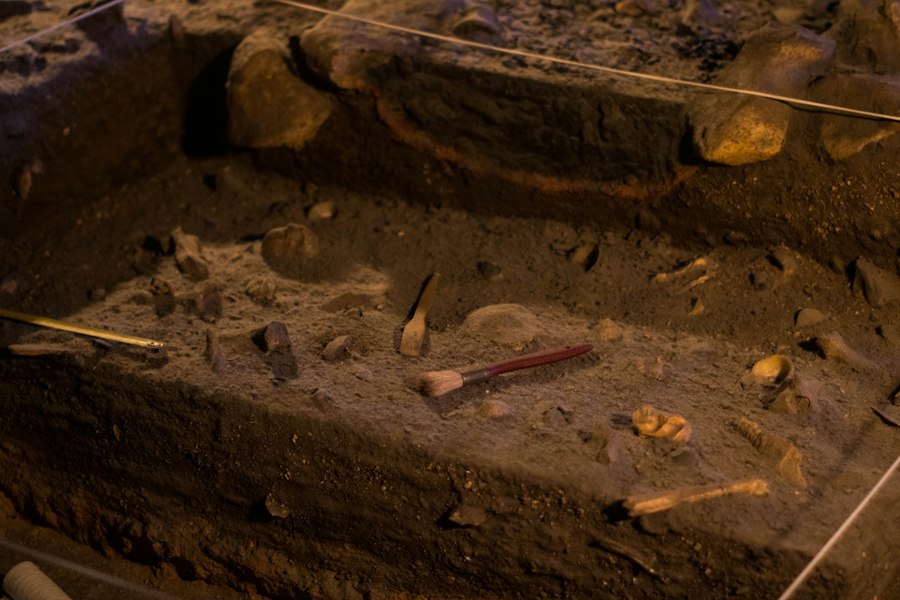
As human ancestors moved beyond the most rudimentary stone tool production, the sophistication of their lithic industries began to reflect growing cognitive abilities and increasingly complex social interactions. The changes observed in tool form, manufacturing techniques, and the deliberate selection of raw materials point towards advancements in planning, foresight, and the capacity for abstract thought. Furthermore, the transmission of these skills and the potential for regional variations in tool types suggest the emergence of distinct cultural groups and more intricate social learning processes. The archeological record from this period, therefore, becomes not just a testament to technological progress but also a window into the developing minds and social dynamics of our ancient relatives.
Mousterian Toolkit: The Emergence of Specialization
The Mousterian industry, predominantly associated with Neanderthals and early Homo sapiens in Europe and Western Asia from around 300,000 to 30,000 years ago, represents a remarkable refinement in lithic technology. This period is characterized by the development of the Levallois technique, a sophisticated pre-planning method of flake production. Instead of simply striking a core randomly, Levallois toolmakers would meticulously prepare the core by first striking off flakes around its perimeter, creating a convex surface. Then, a single, carefully aimed blow would detach a large, predetermined flake of a specific shape and size. This technique required considerable forethought, spatial reasoning, and a deep understanding of the stone’s fracture mechanics. The resulting flakes were often further shaped into specialized tools such as scrapers, points, and knives, each designed for specific tasks. The Mousterian toolkit therefore exhibits a greater degree of specialization compared to earlier industries. The presence of a diverse range of tools, including finely made scrapers for preparing animal hides and sharp points for spear-making, suggests a more nuanced approach to resource utilization and tool function. The consistency of these toolkits across different Neanderthal populations also hints at robust social networks and the effective transmission of technological knowledge. This period marks a significant cognitive leap, demonstrating advanced planning and execution in tool manufacture, which in turn would have enhanced survival and adaptation capabilities.
Upper Paleolithic Innovations: The Age of Refinement and Diversity
The Upper Paleolithic period, beginning around 50,000 years ago and continuing until the advent of the Neolithic, witnessed an explosion of innovation in stone tool technology, particularly in association with the emergence of anatomically modern Homo sapiens. This era is distinguished by the production of long, thin, and sharp flakes, known as blades, which were far more efficient and versatile than earlier flake technologies. The development of sophisticated techniques for blade production, such as indirect percussion and pressure flaking, allowed for unparalleled precision and control, yielding tools of exceptional sharpness and fineness. The Upper Paleolithic toolkit became incredibly diverse, featuring a wide array of specialized implements. This included burins for engraving bone and antler, awls for piercing hides, scrapers for preparing materials, and finely crafted projectile points for hunting. Beyond tools for direct subsistence, this period also saw the creation of tools for crafting other tools, such as antler anvils and stone polishers. This “tool-making toolkit” demonstrates a remarkable level of technological sophistication and an understanding of material properties. The striking diversity of tool forms and their regional variations during the Upper Paleolithic suggest the development of distinct cultural identities and complex social systems where knowledge and styles were exchanged and adapted. This period represents the apex of stone tool technology before the widespread adoption of agriculture and metallurgy, showcasing the pinnacle of human ingenuity in harnessing the properties of stone for survival and cultural expression.
Beyond Functionality: Stone Tools as Cultural Artifacts

The significance of stone tools extends far beyond their immediate utilitarian purposes. Their forms, manufacturing techniques, and the raw materials from which they are made can reveal profound insights into the cultural beliefs, social structures, and symbolic expressions of ancient peoples. The deliberate aesthetic qualities of some tools, the specialized knowledge required for their production, and their distribution patterns all contribute to a richer understanding of the human past, moving beyond mere survival to encompass the realm of culture and identity.
Stone tool archaeology offers fascinating insights into the lives of our prehistoric ancestors and their development of primitive technology. By examining the tools they crafted, researchers can better understand their daily activities, social structures, and survival strategies. For a deeper exploration of how technological advancements have influenced human societies throughout history, you might find it interesting to read about the decline of literacy after the Dark Ages and its factors and consequences in this related article. This connection highlights the importance of technology in shaping human progress across different eras.
Raw Material Selection and Provenance: Tracing Trade and Mobility
The deliberate selection of specific types of stone for tool manufacture and the subsequent tracing of these materials back to their geological sources offer crucial insights into the mobility, trade networks, and territorial ranges of ancient hominin populations. Early toolmakers were not simply picking up any rock; they were often seeking out particular lithologies that possessed desirable properties, such as consistent fracture patterns, a fine grain, and the ability to hold a sharp edge. Chert, flint, obsidian, and quartz are commonly found in archeological contexts because of these inherent qualities. Archeologists employ geological and geochemical analyses, such as petrography and trace element analysis, to determine the specific provenance of the lithic raw materials found at a site. If the identified source of the stone is geographically distant from the archeological site, it strongly suggests that either the hominin groups themselves were mobile and traveled to obtain the materials, or that exchange networks were in place, allowing for the movement of raw materials over significant distances. The presence of exotic materials at a site can therefore indicate long-distance travel, intergroup contact, and the development of rudimentary trade or exchange systems. Understanding these patterns of raw material acquisition helps reconstruct the spatial organization of early human societies, their resource management strategies, and their interactions with neighboring groups. It transforms silent stones into active participants in the narrative of human migration and cultural exchange.
Symbolic and Ritualistic Uses: Beyond the Everyday
While the primary function of most stone tools was undeniably utilitarian, the archeological record also offers intriguing clues about their potential symbolic or ritualistic significance. Certain types of tools, particularly those from later periods like the Upper Paleolithic, display an exceptional level of craftsmanship and aesthetic refinement that suggests they may have served purposes beyond mere functionality. The meticulous shaping of some handaxes, the intricate engravings on certain bone or antler tools made using stone burins, and the deliberate placement of specific artifacts within burials or ceremonial contexts all point towards a layer of meaning that transcends the practical. For instance, the highly symmetrical and often beautiful forms of some Acheulean handaxes, sometimes referred to as “masterpieces,” have led to speculation that they may have been status symbols, objects of ritual significance, or even gifts exchanged between individuals or groups. The discovery of stone tools intentionally placed in association with human remains in burial sites further supports the idea that these objects held personal or symbolic value for the deceased and their mourners. While direct interpretation of symbolic meaning from material remains is inherently challenging, the deviation from purely functional efficiency in the creation and deposition of certain lithic artifacts invites researchers to consider the broader cultural and cognitive landscape of our ancestors, where tools could embody beliefs, social hierarchies, or spiritual connections. These silent stones, therefore, can whisper tales of early human belief systems and their evolving relationship with the material world.
The Enduring Legacy of Stone: From Primitive to Modern Technology
The study of stone tool archaeology is not an endeavor confined to the distant past; its principles and lessons continue to resonate through the development of modern technology. The fundamental concepts of material selection, tool design, manufacturing efficiency, and the iterative process of improvement that characterized early lithic industries are timeless. Recognizing these enduring connections allows us to appreciate the long arc of human innovation and the foundational role that even the simplest stone tools played in shaping our technological trajectory.
Lessons in Design and Efficiency: Principles for Modern Innovation
The principles observed in the evolution of stone tools offer invaluable lessons for modern technological design and innovation. Early hominins, through trial and error and generations of accumulated knowledge, learned to optimize the design of their tools for specific tasks. The development of sharper edges, more durable forms, and more efficient manufacturing processes were driven by the constant need to improve survival and resource acquisition. This iterative process of refinement, where a better tool led to better outcomes, is precisely the engine of innovation in any field. Modern engineers and designers can draw parallels from this, understanding that incremental improvements, driven by functional needs and a deep understanding of material properties, are often the most impactful. The shift from crude Oldowan choppers to the refined blades of the Upper Paleolithic exemplifies the power of design optimization. Similarly, the careful selection of raw materials based on their inherent properties – their hardness, fracture toughness, and workability – is a fundamental aspect of modern material science and engineering. By studying these ancient examples of problem-solving, we gain a deeper appreciation for the universal principles that underpin technological progress, demonstrating that the ingenuity required to shape a stone flake is not fundamentally different from the ingenuity required to design a microchip or a spacecraft.
The Anthropocene and the Material Record: A Continuing Story
The story of stone tools, while originating in deep prehistory, continues to inform our understanding of humanity’s impact on the planet in the present day. The concept of the “Anthropocene,” a proposed geological epoch characterized by significant human impact on Earth’s geology and ecosystems, is directly tied to our technological prowess, which began with the manipulation of natural materials like stone. While modern technology has moved far beyond stone, the fundamental relationship between humans and their material environment remains. The archeological study of lithic technology provides a crucial historical baseline for understanding the long-term consequences of human resource use and technological development. The legacy of stone tools serves as a reminder that our current technological advancements, however sophisticated, are built upon a foundation of ingenuity that spans millennia. Understanding this deep history of material manipulation is essential for fostering a more sustainable and responsible approach to technology in the future, ensuring that our ongoing engagement with the material world benefits not only humanity but also the planet we inhabit. The study of stone tools, therefore, is not just about understanding our past; it is about informing our present and shaping a more mindful future.

20,000 Years Ago | The Coldest Journey in Human History
FAQs
What is stone tool archaeology?
Stone tool archaeology is a branch of archaeology that focuses on the study of tools and artifacts made from stone by ancient human populations. These tools provide valuable insights into the technological advancements, cultural practices, and lifestyles of early human societies.
What is primitive technology?
Primitive technology refers to the use of tools, materials, and techniques by early human populations to meet their basic needs such as hunting, gathering, and shelter construction. This knowledge is essential for understanding how ancient societies survived and thrived in their environments.
How do archaeologists study stone tools?
Archaeologists study stone tools by examining their shapes, sizes, materials, and manufacturing techniques. They also analyze the distribution of tools within a site, the types of raw materials used, and any modifications made to the tools over time to understand how they were used by ancient humans.
What can stone tools tell us about ancient societies?
Stone tools can provide valuable information about the technological capabilities, social organization, trade networks, and cultural practices of ancient societies. By studying these artifacts, archaeologists can reconstruct past human behaviors and understand how early humans interacted with their environments.
Why are stone tools important in archaeology?
Stone tools are important in archaeology because they are some of the most durable artifacts left behind by ancient human populations. They offer direct evidence of early human activities, tool-making skills, and adaptation strategies, helping researchers piece together the puzzle of human evolution and cultural development.