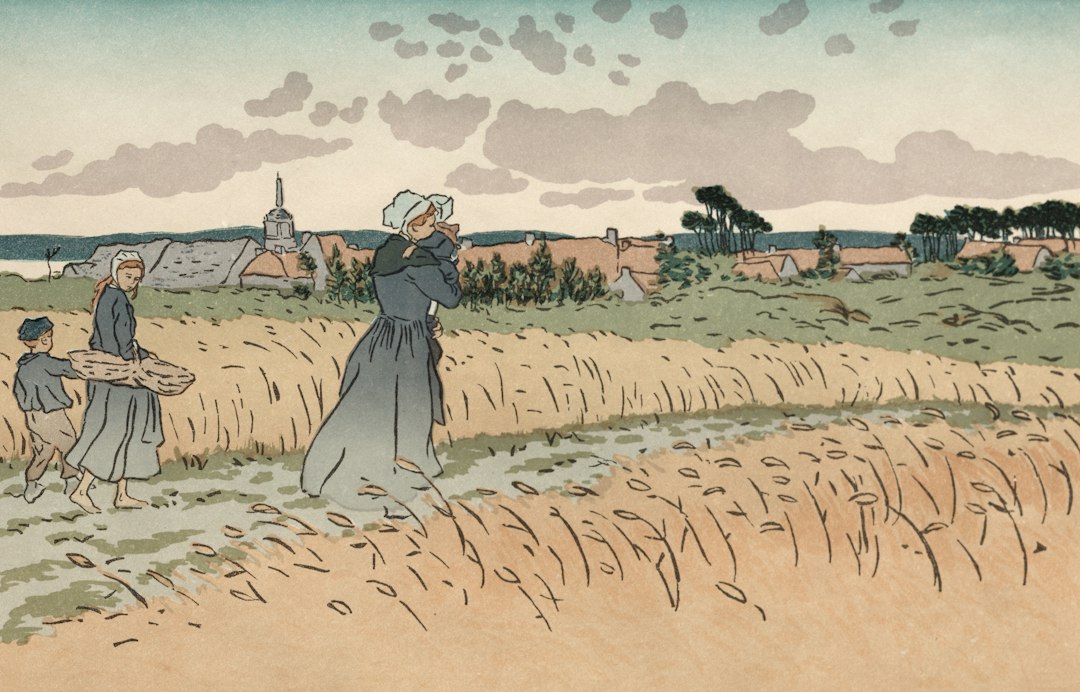
The biting wind whipped across the desolate tundra, carrying the scent of snow and the faint, metallic tang of distant prey. For the clan of Orok, life had become a relentless struggle. The familiar hunting grounds, once abundant with woolly mammoths and swift caribou, were now barren. A creeping emptiness had settled over their ancestral lands, a chilling harbinger of a hunger that gnawed not just at their bellies, but at their very will to survive. It was amidst this growing desperation that their leader, a man whose weathered face bore the wisdom of countless winters, made a momentous decision. The clan would move. They would embark on a perilous journey, leaving behind the ghosts of their ancestors and the memory of full bellies, in search of a new land, a land where life still flourished.
The Shadow of Scarcity
The elders of the clan remembered a time when the herds thundered across the plains, their mighty forms a promise of sustenance and warmth. The winter hunts were arduous but successful, the pelts thick and plentiful, the meat a welcome relief from the gnawing emptiness that often marked the lean months. But the last few seasons had been different. The mammoths, those magnificent giants, had grown scarce, their migrations shifting to unknown territories. The caribou, once predictable in their movements, now seemed to vanish into the frozen ether. The small game, though still present, could not sustain a clan of their size. The children’s ribs were becoming more pronounced beneath their hides, a silent testament to the diminishing returns of their efforts. Fear, a cold and persistent companion, began to coil in the hearts of the people. Whispers of the spirits’ displeasure, of a land withdrawing its favor, circulated around the flickering fires.
The Fading Tracks
Orok, his keen eyes scanning the horizon, saw no fresh tracks. The usual signs of life – the paw prints of a fox, the scrape marks of a badger, the distant call of a ptarmigan – were muted, almost nonexistent. He had led his hunters deep into the familiar valleys and across the windswept ridges, their spears tipped with sharpened stone, their senses honed by generations of experience. Yet, each expedition returned with less than before, the satisfaction of a successful hunt replaced by the bitter taste of failure. The stories of the great hunts, once told with pride and laughter around the communal fire, were now tinged with a mournful longing. The very landscape seemed to conspire against them, the snow deeper, the winds more relentless, the sun a pale, infrequent visitor.
Whispers of the Unknown
As the clan gathered for their evening meal, the scarcity was palpable. The meager portions of dried berries and tough roots did little to quell the gnawing in their stomachs. Orok, watching the downcast faces of his people, felt the weight of responsibility pressing upon him. He knew that to remain meant certain decline, a slow fading into the harsh embrace of winter. He had heard tales, passed down from the most ancient storytellers, of lands far to the south and east, lands where the sun was warmer, the winters shorter, and the game moved in vast, inexhaustible herds. These were lands of legend, whispered about with a mixture of awe and apprehension, for the journey was fraught with unimaginable dangers. Yet, the alternative was a slow, agonizing surrender.
In the fascinating exploration of prehistoric family dynamics, a recent article delves into the significance of political geography and its impact on human settlement patterns. Understanding how ancient families navigated their environments to find new homes can provide valuable insights into contemporary issues of migration and territoriality. For a deeper look into the connections between geography and human behavior, you can read more in this article on political geography: Understanding Political Geography: A Key Aspect of Global Relations.
The Council of Determination
The decision to leave was not made lightly. It was a somber gathering, the crackling fire casting long, dancing shadows that mirrored the uncertainty in their hearts. Orok, his voice steady despite the tremor of emotion, addressed his clan. He spoke of the dwindling resources, of the responsibility they owed to the future generations, to the children who deserved a chance to thrive, not merely to survive. He painted a picture of the unknown, a place of potential abundance but also of unknown perils. Fear rippled through the assembled faces, a shared acknowledgment of the monumental task that lay before them. But beneath the fear, a flicker of hope ignited, fanned by Orok’s unwavering resolve.
The Weight of Leadership
Orok, his brow furrowed in thought, understood the gravity of his pronouncement. He was the one who would lead them through uncharted territories, the one whose decisions would mean life or death. He thought of his mate, Lyra, her strength a constant support, and their young children, their futures hanging precariously in the balance. He remembered the lessons of his own father, the importance of observing the land, of understanding the subtle signs of nature, of trusting the instincts honed by generations of survival. He knew that this journey would test them in ways they had never been tested before, pushing them to the very limits of their endurance and resilience.
Debates Around the Embers
The debate was not one of whether to go, for that seemed inevitable, but how to go. Arguments arose regarding the optimal time for departure, the best route to take, and the essential supplies to carry. Some of the older hunters, rooted in their familiarity with the current lands, voiced their concerns about the unknown dangers lurking beyond the familiar horizons. They spoke of treacherous mountain passes, of vast, trackless forests, and of predators far more fearsome than any they had encountered. Others, particularly the younger warriors, saw the journey as an adventure, a chance to prove their strength and courage in the face of new challenges. Orok listened patiently, his gaze sweeping over each speaker, absorbing their concerns and their hopes. He knew he had to forge a consensus, to bind them together with a shared purpose, for disunity would be their undoing.
Preparing for the Exodus
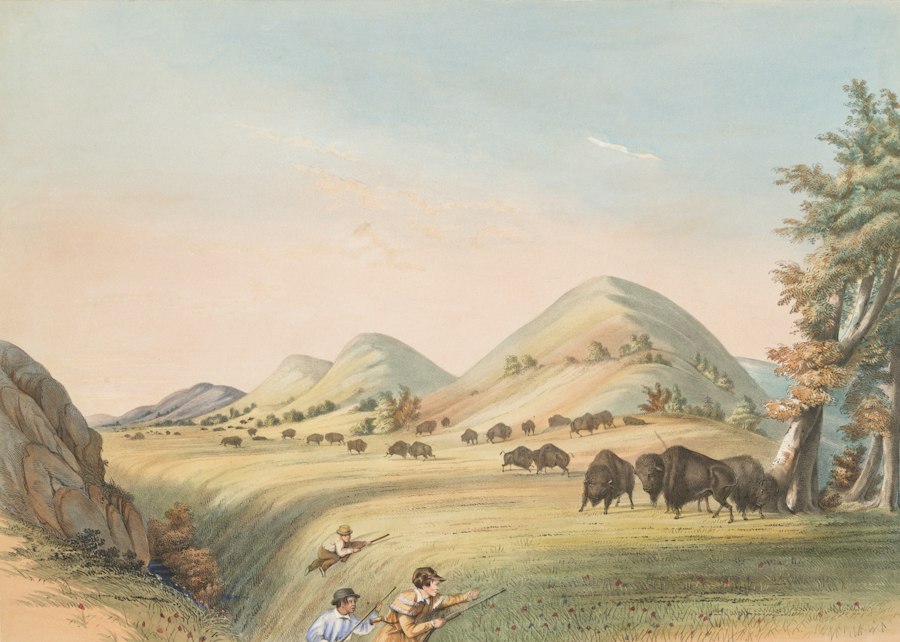
The days following the council were a whirlwind of activity. The clan, united by their common goal, worked tirelessly. They mended their furs, sharpened their tools, and gathered every last morsel of preserved food. The process of packing was a meticulous one, prioritizing items essential for survival – fire-starting materials, sturdy ropes, medicinal herbs, and the precious, finely crafted stone tools that were their only means of hunting and defense. The children, though small, were tasked with collecting dry tinder and gathering stones for potential tool-making. Every member of the clan, from the wisest elder to the youngest child, had a role to play in this monumental undertaking.
The Rations of Hope
The storage caves, once full of dried meat and preserved berries, were now nearly depleted. Each remaining item was counted and carefully wrapped. The clan understood that their supplies would have to last until they could establish new hunting grounds. Orok himself oversaw the distribution of the dried mammoth meat, the most prized and calorie-dense food source. He ensured that the portions were as equitable as possible, recognizing the different needs of the young, the old, and the physically demanding roles of the hunters and gatherers. The knowledge that these provisions were finite added a layer of urgency to their preparations.
Fortifying the Tools of Survival
The flint knappers worked incessantly, their skilled hands shaping sharp blades and sturdy arrowheads. The bone carvers meticulously crafted awls and needles, essential for repairing clothing and crafting new items. The hides, painstakingly scraped and treated, were checked for tears and reinforced where necessary. Orok, too, spent hours sharpening his own spear, its stone point gleaming in the firelight. He understood that their survival depended on the quality of their tools, the very extension of their will and their ability to interact with the world around them. Each carefully crafted object was a silent prayer for success, a tangible embodiment of their determination to endure.
The Long March Begins
Under a sky bruised with the colors of dawn, the clan of Orok turned their backs on their ancestral lands. A profound silence fell over them, a shared acknowledgment of the momentous departure. The air was thick with the scent of pine and damp earth, a stark contrast to the familiar, icy breath of their former home. The journey was not a swift sprint, but a slow, arduous trek, each step a deliberate act of faith. They moved in a cohesive unit, the hunters taking the lead, their eyes constantly scanning for signs of danger or opportunity. The women and children followed, their voices hushed, their hands clasped, their faces turned towards the unknown horizon.
Navigating the Whispering Forests
Their initial path led them through dense forests, the ancient trees forming a verdant canopy that filtered the sunlight into dappled patterns on the forest floor. The sounds of the forest were a constant symphony – the rustling of leaves, the chirping of unseen birds, the distant howl of a wolf. These were not entirely unfamiliar sounds, but their context had changed. In their ancestral lands, these sounds were part of a known rhythm. Here, they were the whispers of an unknown entity, a testament to the wildness they were entering. Orok’s hunters moved with caution, their senses on high alert, ever watchful for the shadow of a predator or the sudden rustle of a potential threat.
Crossing the Stony Artery
Days turned into weeks, and the landscape began to shift. The dense forests gave way to rolling hills, and eventually, to the jagged outlines of mountains. A formidable range, its peaks cloaked in perpetual snow, lay before them. This was a daunting obstacle, a natural barrier that tested their resolve. The ascent was slow and grueling. Loose scree shifted beneath their feet, threatening to send them tumbling down the treacherous slopes. The air grew thin and cold, making each breath a conscious effort. Lyra, despite her weariness, kept a watchful eye on the children, her encouragement a quiet balm to their aching limbs. The clan moved as one, supporting each other, their shared struggle forging an even deeper bond.
In exploring the challenges faced by prehistoric families as they sought new homes, one can draw parallels to modern issues highlighted in a recent article about Tuvalu’s future. This piece discusses the pressing challenges and opportunities that the island nation faces due to climate change and rising sea levels, much like how ancient families had to adapt to their environments. For a deeper understanding of these contemporary struggles, you can read more in this insightful article on Tuvalu’s future challenges and opportunities ahead.
The Promise of a New Dawn
| Metric | Value | Notes |
|---|---|---|
| Family Members | 5 | Two adults, three children |
| Distance Traveled | 12 miles | Estimated based on terrain and pace |
| Travel Duration | 4 hours | Including breaks and hunting stops |
| New Home Location | River Valley | Access to water and food sources |
| Resources Carried | Firewood, tools, food supplies | Essential for survival during relocation |
| Predator Encounters | 2 | Successfully avoided conflict |
| Weather Conditions | Clear skies, mild temperature | Favorable for travel |
After what felt like an eternity, they crested the final ridge. Below them, bathed in the soft, warm glow of the setting sun, lay a valley unlike any they had ever seen. Lush green grasses carpeted the rolling hills, dotted with vibrant wildflowers. A crystal-clear river snaked its way through the landscape, its waters reflecting the deepening hues of the sky. And in the distance, grazing peacefully, were herds of animals – large, unfamiliar creatures, their forms promising an abundance they had only dared to dream of. A collective sigh of relief, a breath held for weeks, was released. The arduous journey, the sacrifices, the fears – they had all led to this moment, a moment of profound hope and the promise of a new dawn.
The First Signs of Plenty
As they descended into the valley, the scent of fresh earth and blooming flowers filled their senses. The air was alive with the hum of insects and the calls of diverse bird species. The hunters, their initial weariness forgotten, spread out cautiously, their eyes wide with wonder. The animals they observed were plentiful, their movements unhurried, a stark contrast to the skittishness of the game they had left behind. The very ground seemed to teem with life, with edible roots and berries growing in profusion. A sense of awe settled over the clan, a quiet reverence for this land that had seemingly welcomed them with open arms.
Establishing Their New Haven
The chosen spot for their new settlement was near the river, a location offering fresh water and fertile ground for future foraging and potential cultivation. They began the familiar tasks of setting up shelter, their movements imbued with a newfound energy and purpose. The children, their faces alight with excitement, explored their new surroundings, their laughter echoing through the valley. The elders, their faces etched with relief and gratitude, watched as their clan began to rebuild, to plant the seeds of a new beginning. The journey had been long and perilous, a testament to their resilience and their enduring spirit. But as the first stars began to prick the twilight sky, casting a gentle glow over their new home, the clan of Orok knew they had found more than just a new place to live; they had found a future.
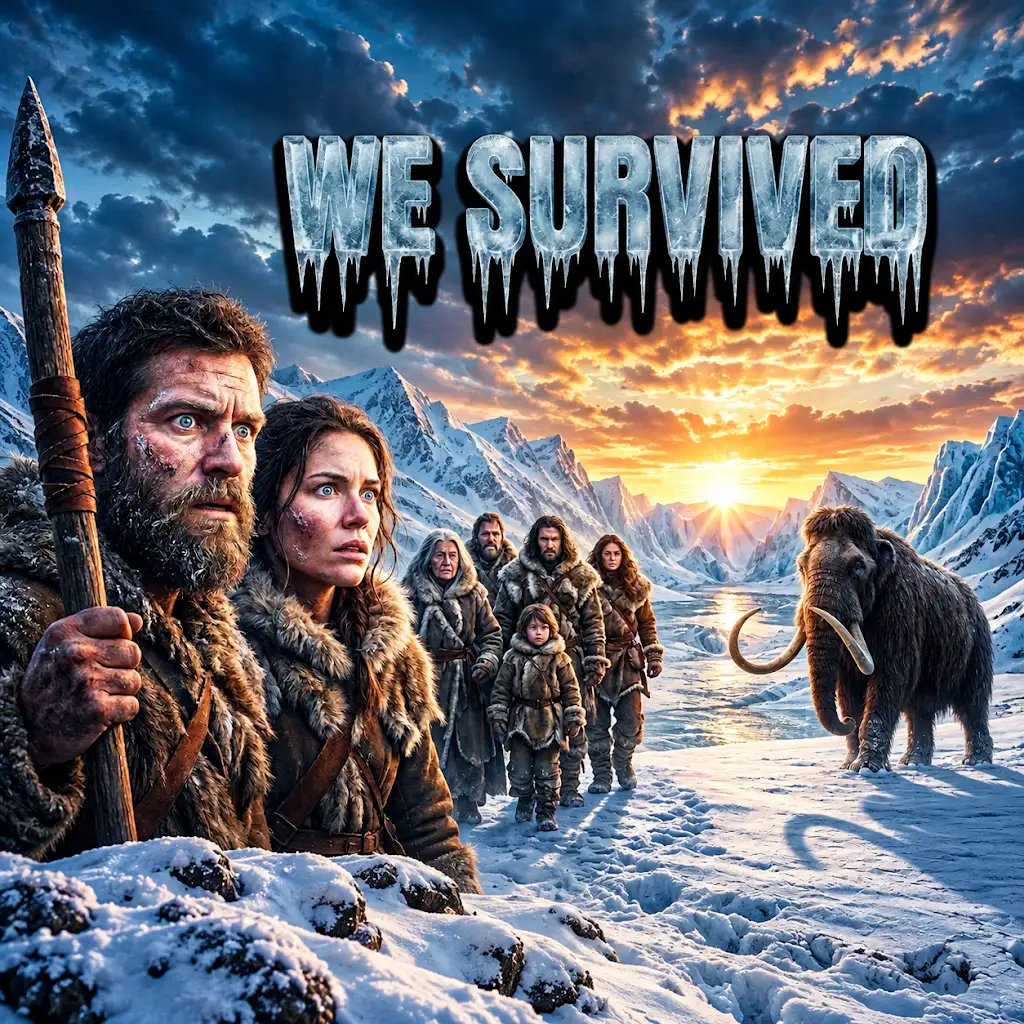
20,000 Years Ago | The Coldest Journey in Human History
FAQs
What evidence suggests that prehistoric families tracked a new home?
Archaeologists have found footprints of prehistoric humans leading from one site to another, indicating a deliberate movement of families to a new location.
How did prehistoric families navigate to find a new home?
It is believed that prehistoric families used landmarks, natural formations, and possibly celestial cues to navigate and find a suitable new home.
Why did prehistoric families track a new home?
Prehistoric families may have tracked a new home in search of better resources, such as food, water, shelter, or to escape natural disasters or predators in their current location.
What challenges did prehistoric families face when tracking a new home?
Prehistoric families likely faced challenges such as harsh terrain, inclement weather, lack of resources, and potential encounters with dangerous animals or rival groups during their journey to a new home.
How does the discovery of prehistoric family tracking provide insights into ancient human behavior?
The discovery of prehistoric family tracking sheds light on the mobility, adaptability, and resourcefulness of ancient human populations, as well as their ability to plan and execute long-distance movements for survival and better living conditions.