
The story of human civilization is inextricably linked to the development of technology, and among the earliest and most fundamental of these advancements was the creation of clothing. Long before the advent of agriculture or the forging of metal, early humans recognized the necessity of protection from the elements. This article delves into the primitive clothing technology of early humans, exploring the materials they utilized and the ingenious methods they employed to transform raw resources into functional garments. Understanding this foundational aspect of human innovation offers a crucial glimpse into the adaptive strategies that allowed our ancestors to thrive in diverse and often harsh environments.
The Genesis of Garments: Early Human Needs and Motivations
The impetus for developing clothing among early humans was driven by a confluence of environmental pressures and evolving social behaviors. While the exact timeline of the first clothing is difficult to pinpoint, fossil evidence and genetic studies suggest that the acquisition of hairlessness in Homo sapiens likely necessitated the development of external coverings. The gradual loss of dense body hair, a process estimated to have begun hundreds of thousands of years ago, would have rendered early humans increasingly vulnerable to temperature fluctuations, UV radiation, and physical abrasions.
Adapting to Climatic Extremes
The sheer diversity of environments inhabited by early human populations played a pivotal role in shaping their clothing technologies. Migrations out of Africa, the cradle of humankind, exposed populations to vastly different climates, from the frigid landscapes of Eurasia to the scorching plains of Australia. In colder regions, the primary driver for clothing would have been thermoregulation. The ability to trap body heat and provide insulation was not merely a matter of comfort but of survival. Early humans likely sought out materials that could offer a degree of warmth, even if rudimentary, to prevent hypothermia and enable sustained activity in sub-zero temperatures. Conversely, in hotter climates, clothing would have served as a shield against the intense sun, preventing sunburn and heatstroke. The development of coverings in these regions would have focused on breathability and the ability to provide shade.
Protection from the Physical World
Beyond temperature regulation, clothing offered a vital layer of protection against the myriad hazards of the natural world. The rough terrain, thorny vegetation, and sharp rocks that characterized early human environments posed a constant threat of cuts, abrasions, and punctures. Animal encounters, whether predatory or simply incidental, could also result in serious injury. Clothing, even in its most basic form, would have provided a crucial barrier, reducing the severity of such injuries and facilitating faster healing. This protective function extended to insects, as well as the potential for skin infections from parasites and other environmental contaminants. The development of clothing was thus an integral part of early humans’ toolkit for navigating and surviving in a physically demanding world.
Social and Symbolic Functions
While the utilitarian aspects of clothing are undeniable, it is also probable that even primitive garments began to acquire social and symbolic significance. As human societies became more complex, appearance and adornment likely played a role in establishing social hierarchies, signaling group identity, and communicating status. Even simple animal hides or woven fibers could be decorated or fashioned in specific ways to convey meaning. While concrete evidence for such early symbolic use is scarce, it is reasonable to infer that as cognitive abilities and social structures evolved, so too would the non-functional dimensions of clothing. This nascent aesthetic and communicative dimension of dress would lay the groundwork for the elaborate sartorial traditions that would characterize later human societies.
The study of primitive clothing technology among early humans reveals fascinating insights into their adaptation and survival strategies. For a deeper understanding of how early humans utilized natural resources to create garments that provided protection and warmth, you can explore the related article on shocking discoveries in human history. This article highlights various aspects of early human life, including their innovative use of materials. To read more, visit this link.
The Natural Palette: Materials Harnessed by Early Humans

The ingenuity of early humans in clothing their bodies was directly tied to their intimate knowledge and resourceful utilization of the natural resources available in their immediate surroundings. Their understanding of the properties of various plant and animal materials, and their ability to process them, was the cornerstone of their textile technologies. This reliance on readily available, unprocessed or minimally processed materials dictated the forms and functionalities of early garments.
Animal Hides and Furs: The First Cloaks
The most immediate and arguably the earliest forms of clothing were derived from animal skins. Following successful hunts, the hides of large mammals – such as mammoths, deer, bison, and other ungulates – would have been a valuable resource. These hides provided a thick, durable, and naturally insulating material. The initial processing would have been relatively simple: scraping away excess flesh and fat, and then drying the hide to prevent decay. This would have resulted in a stiff, somewhat unwieldy material. However, the inherent properties of these skins offered excellent protection against the cold, wind, and physical trauma. Furs, with their dense undercoats and protective guard hairs, were particularly prized for their exceptional insulating qualities. These were likely attached to hides or used as linings to enhance warmth in colder climates. The tanning process, which involves treating hides with agents to prevent decomposition and increase suppleness, may have been developed relatively early, though its sophistication would have varied. Early forms of tanning likely involved the use of animal brains (rich in fats and proteins) or rudimentary smoke treatments to render the skins more pliable and durable.
Plant Fibers: The Dawn of Weaving and Twining
Beyond animal products, early humans also discovered the potential of plant materials for creating clothing. Certain plants, such as flax, hemp, nettles, and various grasses, yield strong, flexible fibers. The process of extracting these fibers typically involved retting (soaking the plant material in water to break down the woody tissues), followed by scutching (beating the fibers to remove impurities) and hackling (combing the fibers to align them). Once processed, these fibers could be used in several ways. They could be twisted together to form cords and ropes, which could then be used to bind animal hides or even as rudimentary garments themselves. More significantly, these fibers were the precursors to true textiles. The development of spinning techniques, where fibers are twisted together to create a continuous thread, was a monumental leap. This thread could then be used for sewing or, crucially, for weaving.
Feathers and Other Natural Adornments
While not forming the primary structure of garments, other natural materials also played a role. Feathers, readily available from birds, would have been utilized for their lightness and insulating properties, likely incorporated into garments as additions to hides or woven materials to enhance warmth or as decorative elements. Shells, bones, teeth, and colorful stones were also likely used as decorative elements, sewn onto hides or woven fabrics to create adornments that held social or symbolic meaning. These additions demonstrate an early human appreciation for aesthetics and the desire to personalize their coverings beyond mere functionality.
Crafting the Coverings: Methods of Primitive Garment Production
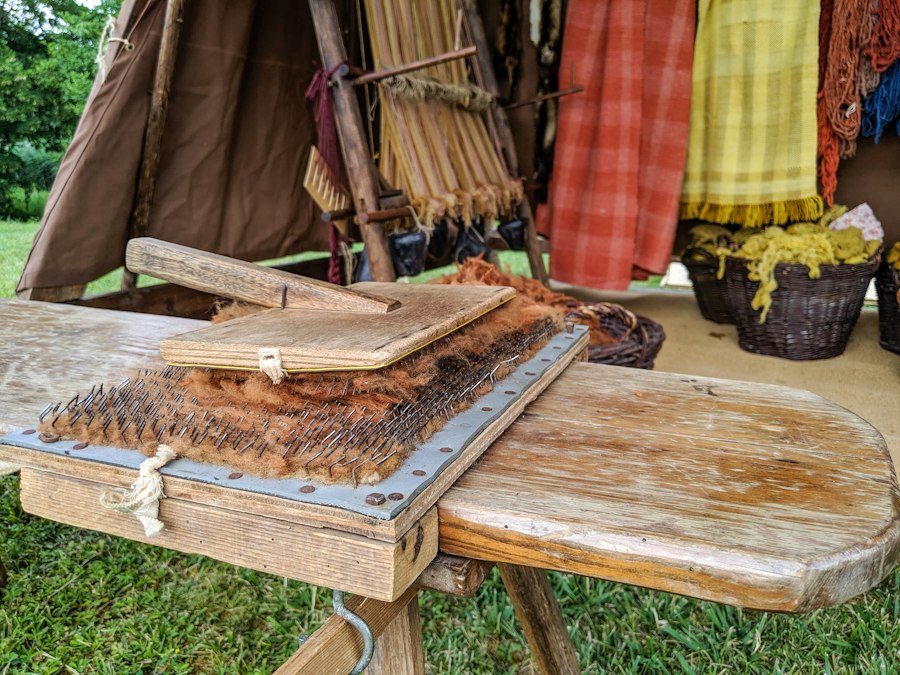
The transformation of raw materials into functional clothing required the development of specific techniques and tools. Early humans, through observation and experimentation, devised methods for preparing hides, manipulating fibers, and assembling them into wearable forms. These techniques, while basic by modern standards, represent significant technological achievements.
Preparing Animal Skins: Scraping, Drying, and Softening
The initial stages of working with animal hides involved their preparation for use. This began with the painstaking process of scraping. Using sharp stone tools, often flakes of flint or obsidian, early humans would meticulously remove all remaining flesh, fat, and membrane from the inner surface of the hide. This not only cleaned the skin but also thinned it, making it more pliable. Following scraping, the hides were typically dried. This could be achieved by stretching them on frames or hanging them in the sun or near a fire. Drying was crucial to preserve the hide and prevent decomposition. However, dried hides could become stiff and brittle. To overcome this, softening techniques were employed. This might involve repeatedly flexing and stretching the hide, or rubbing it with fat or oil to make it more supple and resistant to moisture. As mentioned earlier, rudimentary tanning methods, likely involving smoke or chemical agents derived from plant tannins, would have further enhanced the durability and flexibility of the hides.
The Art of Twisting and Weaving: Early Textile Production
The development of textile production from plant fibers marked a significant advancement. The creation of thread was a fundamental step, likely initiated by simple methods of twisting fibers together by hand. This would have produced coarse, uneven yarns. As techniques evolved, tools like the spindle whorl, a weighted disc that stabilizes a spindle, may have been introduced to facilitate more consistent and finer yarn production. Once yarn was available, weaving emerged. The earliest forms of weaving were likely simple, perhaps involving interlacing yarns over and under each other on a basic frame or even by hand. Techniques like twining, where two or more yarns are twisted around a core yarn, and plaiting, where strands are interwoven in a patterned manner, were likely among the earliest textile methods. These techniques would have allowed for the creation of more cohesive and flexible materials than simple felted or bound fibers. The resulting fabrics, though likely coarse and relatively simple in weave structure, would have offered greater versatility and comfort compared to raw hides.
Assembling the Garments: Sewing and Binding
Once materials were prepared and transformed into usable forms, the final stage involved their assembly into garments. For animal hides, this often meant cutting them into desired shapes using sharp stone tools and then joining the pieces together. The earliest forms of “sewing” likely involved using bone awls to puncture holes in the hides and then threading sinew (animal tendons) or plant fibers through these holes to bind the pieces. These stitches would have been relatively simple and coarse. For more flexible plant-fiber fabrics, sewing would have been used to join panels or to create hems. The earliest needles were likely made from bone or ivory, with a sharpened point and an eye for threading. In instances where sewing was not feasible or necessary, binding techniques would have been employed. This could involve using cords to tie pieces of hide together, or to attach them to the body. The resulting garments would have varied in form, from simple wraparound skirts and loincloths to more complex capes and tunics, depending on the climate, available materials, and cultural practices.
Tools of the Trade: Early Human Implements for Clothing Creation
The creation of clothing was not solely dependent on the availability of raw materials and rudimentary techniques; it also necessitated the development of specialized tools. These implements, often fashioned from stone, bone, and wood, were essential for preparing materials, shaping them, and assembling them into functional garments. The archaeological record provides compelling evidence of these early tools, offering insights into the ingenuity and skill of our ancestors.
Lithic Technology: The Cutting Edge
Stone tools, or lithics, formed the bedrock of early human technology, and their role in clothing production was paramount. The most crucial stone tools for this purpose were scrapers and knives. Scrapers, often made from flakes of flint, chert, or obsidian, were used to meticulously clean animal hides of flesh, fat, and membrane. These tools typically featured a sharp edge that was worked at an angle to facilitate the scraping action. Knives, also fashioned from sharp stone flakes, were essential for cutting hides into manageable pieces, trimming excess material, and shaping them for garment construction. Awls, pointed tools made from bone or antler (and sometimes stone), were used to pierce holes in hides, creating the necessary openings for lacing or sewing. The quality and sophistication of these lithic tools evolved over time, with later periods seeing the development of more specialized and finely crafted implements.
Bone and Antler: Needles, Awls, and Polishing Tools
Bone and antler provided an invaluable alternative to stone for creating clothing-related tools. The strength and durability of these materials made them ideal for crafting items that required fine detail and precision. Bone needles, with their characteristic eyes, are among the most significant discoveries related to early sewing. These allowed for the creation of more refined and secure seams than simple lacing. Awls made from bone or antler were also commonly used for puncturing hides. Beyond puncturing and cutting, bone and antler tools were likely used for softening and finishing hides. Smooth, polished bone or antler implements could have been used to rub and work the leather, making it more supple and pliable. The natural curvature of some bone fragments might have also lent themselves to shaping and manipulating materials.
Wooden Implements and Natural Adjuvants
While wood is less likely to preserve in the archaeological record for such ancient periods, it is highly probable that wooden tools played a role in early clothing production. Wooden implements could have served as handles for stone tools, providing better grip and leverage. They might also have been used as mallets for hammering or pounding materials, or as frames for stretching hides or looms for weaving. Furthermore, natural materials like animal fats, oils, and plant-based tannins would have been used as processing agents, softening hides and making them more durable. The knowledge of which plants possessed these useful properties would have been acquired through generations of observation and experimentation.
The study of primitive clothing technology of early humans reveals fascinating insights into how our ancestors adapted to their environments using available resources. For a deeper understanding of how human innovation has evolved in response to environmental challenges, you might find it interesting to explore the article on the global crisis of disappearing countries, which highlights the ongoing struggles that communities face due to climate change and other factors. You can read more about this pressing issue here.
Evolution and Legacy: The Enduring Impact of Primitive Clothing Technology
| Aspect | Description | Estimated Time Period | Materials Used | Technological Advancement |
|---|---|---|---|---|
| Animal Skin Draping | Using animal hides draped over the body for warmth and protection | Approx. 2 million years ago | Animal hides, furs | Basic use of natural materials without modification |
| Scraping and Tanning | Removing flesh and fat from hides to make them more durable and wearable | Approx. 500,000 years ago | Animal hides, stone tools | Introduction of hide processing techniques |
| Bone and Stone Needles | Use of needles to sew pieces of hide together | Approx. 40,000 years ago | Bone, stone, animal sinew | Development of sewing technology |
| Plant Fiber Weaving | Weaving plant fibers to create simple textiles | Approx. 30,000 years ago | Plant fibers, grasses | Early textile production |
| Use of Needles with Eye | Improved needles with an eye for threading sinew or fibers | Approx. 25,000 years ago | Bone needles, sinew thread | Enhanced sewing efficiency and garment construction |
The primitive clothing technology of early humans, born out of necessity and ingenuity, laid the essential groundwork for all subsequent advancements in textile arts and fashion. While the materials and methods were basic, their impact on human survival, adaptability, and social development was profound and far-reaching. The skills and knowledge developed by our early ancestors represent a foundational chapter in the story of human innovation.
Enabling Migration and Adaptation
The ability to create effective clothing was a critical factor in enabling early humans to migrate out of Africa and populate diverse global environments. Without adequate protection from the cold of Ice Age Eurasia or the harsh sun of arid regions, human expansion would have been severely limited. The development of clothing allowed humans to thermoregulate, shielding them from extreme temperatures and making previously uninhabitable areas accessible. This technological advancement was not just about comfort; it was a key driver of human dispersal and the colonization of the planet. It demonstrates the power of even simple technological solutions to unlock new ecological niches.
The Foundation for Future Innovations
The rudimentary techniques of scraping hides, twisting fibers, and simple stitching formed the bedrock upon which more complex textile technologies would eventually be built. The development of the spindle and whorl, leading to finer yarns, and the evolution of looms for more intricate weaving, all trace their lineage back to these early practices. Similarly, the advancement from simple sewing with sinew to the use of metal needles and a wider array of thread types represents a continuous evolution of a technology that began with bone awls and plant fibers. The knowledge gained in understanding material properties – the strength of certain fibers, the insulating qualities of fur, the durability of tanned leather – continues to inform modern textile science and material engineering.
Cultural Identity and Artistic Expression
Even in its most primitive forms, clothing served more than just a functional purpose. It began to express aspects of cultural identity and burgeoning artistic sensibilities. The selection of specific animal hides, the way they were adorned with shells or teeth, or the patterns woven into early fabrics would have conveyed information about an individual’s group affiliation, social status, or spiritual beliefs. This nascent form of self-expression through adornment is a fundamental aspect of human culture. The desire to decorate and differentiate oneself and one’s group through external coverings is a deeply ingrained human trait that has only grown more elaborate and diverse over millennia, shaping the vast spectrum of human fashion and cultural expression we see today. The primitive clothing technology of early humans, therefore, is not just a story of survival but also a testament to the enduring human drive for creativity and communication.

20,000 Years Ago | The Coldest Journey in Human History
FAQs
What materials did early humans use to make clothing?
Early humans used materials such as animal skins, furs, leaves, grasses, and plant fibers to make clothing. These materials were readily available in their environment and provided protection from the elements.
How did early humans create clothing without modern tools?
Early humans used simple tools such as bone needles, sharp stones, and animal teeth to sew and stitch together pieces of animal skins or plant fibers. They also used their hands to weave and braid materials into clothing.
Why was clothing important for early humans?
Clothing was important for early humans as it provided protection from the harsh weather conditions, helped regulate body temperature, and offered camouflage for hunting and gathering. Clothing also served as a form of cultural expression and social status.
Did early humans decorate their clothing?
Yes, early humans often decorated their clothing with dyes made from natural sources like plants and minerals, as well as with beads, shells, and animal teeth. These decorations not only added aesthetic value but also held cultural and symbolic significance.
How did the development of clothing technology impact early human societies?
The development of clothing technology allowed early human societies to expand into different environments, adapt to changing climates, and improve their chances of survival. Clothing also played a role in the development of social structures and cultural identities within these societies.