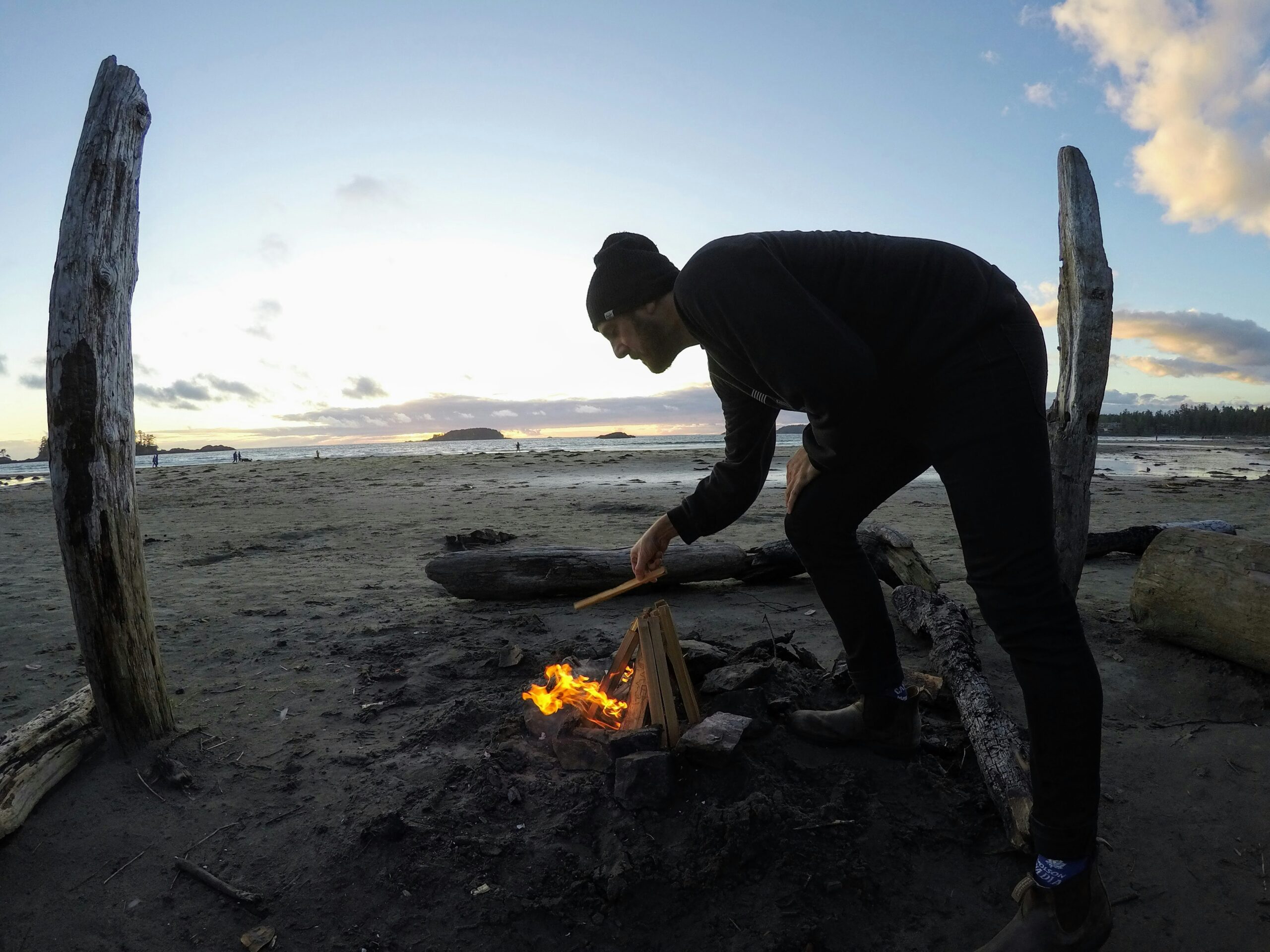
Understanding the Challenges of Cold Climate Fire
Building a fire in a cold climate presents a significantly greater challenge than in temperate or warm environments. The primary adversaries are moisture, wind, and the inherent difficulty of finding dry materials. Water, in its various forms – falling precipitation, surface water, and even humidity – is the relentless enemy of fire. Cold temperatures exacerbate this, often causing materials to become saturated and then freeze, locking moisture within their cellular structure. Wind, a constant companion in many cold regions, can rapidly dissipate the precious heat generated by a nascent flame, making it exceedingly difficult to establish a sustained burn. Furthermore, the typical abundance of readily available dry tinder and kindling found in warmer climes is often replaced by damp, frozen, or snow-laden vegetation. Survival in these harsh conditions hinges on understanding these challenges and employing specific, time-tested primitive techniques to overcome them. The ability to generate and maintain a fire is not merely a matter of comfort; it is a critical component of survival, providing warmth, allowing for the purification of water, the cooking of food, signaling for rescue, and offering psychological reassurance against the overwhelming forces of nature. Therefore, mastering these primitive fire-building methods can be the difference between life and death when facing the biting cold of a winter wilderness.
The Crucial Role of Fire in Cold Weather Survival
The importance of fire for survival in cold climates cannot be overstated. It is a multi-faceted tool that addresses the immediate threats posed by low temperatures.
Combating Hypothermia
The most immediate and direct benefit of a fire is its ability to provide radiant and convective heat. Hypothermia, the dangerously low body temperature, sets in rapidly in freezing conditions. A well-established fire can raise ambient temperature significantly, allowing a survivor to warm their core and extremities, preventing the progression of this life-threatening condition. Even a small, controlled fire can create a pocket of warmth that can be life-saving. The psychological impact of being able to control one’s environment through fire, even in a small way, also plays a crucial role in maintaining morale and the will to survive.
Water Purification and Safety
In cold environments, accessing safe drinking water is paramount. Melting snow and ice, while seemingly abundant, requires a significant amount of energy and can lead to further body heat loss if attempted inefficiently. A fire provides the heat necessary to melt snow and ice effectively. More importantly, boiling water is the most reliable method for killing harmful pathogens, making otherwise potentially dangerous water sources safe for consumption. This is particularly critical in survival scenarios where water sources may be contaminated.
Cooking and Sustenance
While foraging for food may be limited in winter, any edible resources found will likely require cooking to be digestible or to kill parasites. A fire allows for the preparation of these sustenance items, maximizing their nutritional value and making them more palatable. Furthermore, the act of preparing and consuming food over a fire can be a significant morale booster, providing a sense of normalcy and purpose in a stressful situation.
Signaling and Rescue
A fire, especially when producing smoke during the day or a bright flame at night, can serve as a vital signaling device. Rescuers actively look for these signs. Creating a signal fire in a visible location, perhaps on high ground or in a clearing, can significantly increase the chances of being spotted and thus rescued. The ability to control and amplify the signal through the strategic use of green vegetation for smoke or dry materials for a bright flame is an advanced but critical skill.
Tool Making and Repair
Primitive fire-building techniques are intrinsically linked to the broader context of primitive survival skills. Fire can be used to harden wooden tools, such as spear tips or digging sticks, making them more durable and effective. It can also be used to shape or repair other essential items. This versatility underscores the foundational importance of fire in the entire survival toolkit.
Primitive fire building in cold climates is a crucial skill for survival, as it not only provides warmth but also serves as a means to cook food and signal for help. Understanding the techniques and materials suitable for creating fire in harsh conditions can significantly enhance one’s chances of enduring extreme weather. For those interested in exploring the historical context of survival skills, including fire building, the article “The Antarctic Conspiracy: Uncovering the Mystery of the Piri Reis Map” offers intriguing insights into ancient navigation and survival strategies in challenging environments. You can read more about it here: The Antarctic Conspiracy.
Locating and Preparing the Fire Site

The success of any fire, especially in a cold climate, begins with the careful selection and preparation of the fire site. This stage is as critical as the ignition process itself and requires a keen understanding of the local environment and the behavior of fire. Neglecting this step can lead to a fire that burns inefficiently, is extinguished by the elements, or even causes unintended consequences.
Site Selection: Strategic Considerations for Cold Environments
Choosing the right location is paramount. A good site offers protection from the wind and the elements, and importantly, is unlikely to contribute to wildfires.
Windbreaks and Shelter
The first priority is to find or create a natural windbreak. This could be a large rock formation, a dense thicket of trees (ensuring there’s no risk of falling branches), or even a depression in the ground. If natural shelter is not readily available, one might need to construct a rudimentary windbreak using fallen logs, branches, or packed snow. The goal is to create a still air pocket where the heat generated by the fire can accumulate and be effectively utilized. Direct exposure to wind can dissipate heat rapidly, making it impossible to get a fire going or keep it burning. Observing the prevailing wind direction and its strength is a key part of this assessment.
Ground Preparation: Preventing Heat Loss and Spread
The ground beneath the fire must be prepared to prevent heat loss and to contain the fire. In snowy conditions, this means digging down through the snow to reach the bare earth. If the ground is frozen, this can be a significant challenge, but it is essential. A thick layer of insulating material, such as dry leaves, pine needles, or even a thick mat of bark, should be placed on the bare earth. This insulates the fire from the cold ground, preventing vital heat from being wicked away. This layer also acts as a barrier against moisture from the soil. The area around the fire site should be cleared of all flammable materials – dry leaves, grass, overhanging branches – to a radius of at least several feet. This is a critical fire prevention measure, especially in windy conditions where embers can easily travel.
Proximity to Resources
The chosen site should be reasonably close to a source of firewood, but not so close as to create a fire hazard. The effort required to gather fuel is a significant factor in survival, so minimizing travel time is advantageous. However, proximity to water sources, while important, should not compromise the safety of the fire site itself. A balance must be struck between convenience and safety.
Fuel Procurement: The Art of Gathering Dry Materials
In cold climates, finding dry fuel is the biggest hurdle. Moisture is everywhere, and often the most obvious fuel sources are damp or frozen.
Identifying and Accessing Dry Tinder
Tinder is the material that ignites from a spark or ember. In cold, damp environments, this is often the most challenging component to find. Look for the driest, finest materials available. Inner bark of dead, standing trees (especially birch, cedar, and juniper) is often a good source, as it tends to shed water better. Fluffy seed down from plants like cattails or milkweed, if found dry and protected, can also be excellent tinder. Bird nests, if accessible and dry, are also a prime source of fine, fluffy material. Even dry, dead grass can be useful if it can be found protected under fallen logs or dense brush. If all else fails, one might need to process damp materials by scraping off the outer wet layers to expose the drier core.
The Importance of Kindling
Kindling is the next stage of fuel, slightly larger than tinder, that catches fire from the tinder and burns long enough to ignite larger fuel. Small, dry twigs, no thicker than a pencil, are ideal. Look for dead twigs still attached to standing trees, as these are less likely to be saturated with ground moisture than those lying on the ground. Feather sticks – thin shavings made from a larger piece of dry wood – are an excellent form of kindling, as their thinness increases their surface area and makes them easier to ignite. The process of creating feather sticks involves carefully shaving thin curls from a dry stick, leaving them attached at one end.
Graduating to Fuelwood
Fuelwood is the larger material that sustains the fire. This includes branches and logs. Again, prioritize dead, standing wood over wood lying on the ground, as it is generally drier. Smaller branches, from finger-thickness up to wrist-thickness, are ideal for building the initial stages of the fire after the kindling has caught. Larger logs can be added once the fire is well established. In extremely damp conditions, one may need to split larger pieces of wood to expose the drier interior. This can be done with a sturdy knife or a sharp stone. If wood is frozen, it may be necessary to use a tool to break it apart, as it will be brittle.
Primitive Fire Starting Methods

When modern tools are unavailable, relying on primitive methods is essential for survival. These techniques, passed down through generations, require patience, practice, and an understanding of friction and material properties.
Friction-Based Ignition: The Bow Drill and Hand Drill
Friction-based methods are the most ancient and arguably the most challenging, requiring significant skill and practice.
The Bow Drill Technique
The bow drill is a highly effective friction fire starter. It consists of four main components: the fireboard, the spindle, the bow, and the socket. The fireboard is a flat piece of dry, non-resinous wood with a small notch carved into its edge. The spindle is a straight, dry stick, roughly pencil-thick and about a foot long, with one end rounded to fit into the socket and the other end sharpened to a point. The bow is a slightly curved stick with a strong cord (shoelace, rawhide, or natural fiber cordage) tied to each end. The socket, often made from a hard stone or a piece of dense wood, holds the upper end of the spindle in place. The process involves wrapping the bowstring around the spindle once, placing the rounded end of the spindle into the notch on the fireboard, and applying downward pressure with the socket. The bow is then moved back and forth rapidly, causing the spindle to spin and create friction against the fireboard. This friction generates heat, and eventually, a fine black dust (char) is produced in the notch. As the spinning continues, this char will begin to glow, forming an ember. This ember is then carefully transferred to a tinder bundle and blown into a flame.
Material Selection for the Bow Drill
The choice of wood for the fireboard and spindle is crucial. Softer, non-resinous woods like cottonwood, willow, or basswood are excellent choices for the fireboard, as they produce char easily. The spindle should be made of a slightly harder wood, such as maple or ash, to withstand the friction. The cord for the bow needs to be strong and durable; natural fibers like processed sinew or rawhide are ideal, though a sturdy shoelace can suffice. The socket material should be hard and smooth to reduce friction at that point; a smooth stone or a well-worn piece of hardwood works well.
Technique and Practice
Mastering the bow drill requires practice to develop the correct rhythm and pressure. It is vital to maintain consistent downward pressure while moving the bow smoothly and at a good pace. Over-exertion can lead to fatigue, while insufficient effort will not generate enough heat. The char needs to be collected and carefully transferred to the tinder bundle. Patience is key; it often takes multiple attempts to produce a viable ember.
The Hand Drill Technique
The hand drill is a simpler device but requires even more dexterity and endurance. It consists of a spindle, typically a long, straight stalk of a plant like mullein or yucca, and a fireboard. The process involves holding the spindle vertically between the palms of the hands and rapidly rolling the hands back and forth, causing the spindle to spin against the fireboard. The friction again creates char, which eventually forms an ember.
Simplicity and Challenges of the Hand Drill
The hand drill’s simplicity is its advantage; it requires fewer components than the bow drill. However, maintaining the consistent downward pressure and rapid rolling motion with the hands can be physically taxing, especially for extended periods. The spindle can also wear down quickly. Finding suitable, straight, and dry stalks for the spindle is essential. The technique is often more effective in warmer, drier conditions, but with practice and the right materials, it can still be a viable option in colder climates if extreme dryness can be achieved.
Spark-Based Ignition: Flint and Steel
While not strictly “primitive” in the same vein as friction methods, flint and steel represents a significant step up in reliability and is often considered a primitive survival tool.
The Principle of Flint and Steel
This method relies on striking a piece of high-carbon steel against a sharp-edged piece of flint or a similar hard stone. The impact shaves off tiny particles of steel, which, due to the heat generated by the friction, instantly oxidize and ignite, producing sparks.
Material Requirements for Flint and Steel
The key components are a piece of flint or chert with a sharp, somewhat brittle edge and a piece of high-carbon steel. Traditional strikers were often made of specially forged steel. Modern survivalists might use the back of a carbon steel knife blade. The striker needs to be hard enough to shave off steel from the knife or tool. For catching the spark, char cloth is indispensable. Char cloth is a piece of cotton fabric that has been heated in an airtight container until it is carbonized but not fully burned. It ignites with even the smallest spark and smolders readily.
The Technique of Spark Generation
The flint is held in one hand, with the char cloth placed near the edge. The steel striker is then brought down at an angle against the flint, with a swift, scraping motion. The goal is to direct the sparks onto the char cloth. Once a spark catches the char cloth and it begins to glow, it is carefully transferred to a larger tinder bundle and blown into flame. This method is generally more reliable than friction methods, especially in adverse weather, provided dry char cloth can be maintained.
Building the Fire Structure and Maintenance
Once an ember is coaxed into a flame, the next critical phase is to nurture it into a sustainable fire. This involves building an appropriate structure and managing the fuel.
The Art of Building the Fire Structure
The way the fuel is arranged directly impacts the fire’s ability to breathe and grow. Different structures serve different purposes.
The Teepee Structure
The teepee is a classic and effective fire structure. Kindling is arranged in a cone shape, leaning against the tinder bundle which holds the initial flame. As the kindling ignites, larger pieces of fuel are leaned against the burning kindling, gradually increasing the size of the fire. This structure allows for good airflow and concentrates heat upwards, encouraging the fire to grow. It is particularly useful for starting a fire and for creating a quick, hot flame.
The Log Cabin Structure
The log cabin structure is more stable and burns longer. It involves building a square or rectangular frame of larger fuel pieces, with progressively smaller pieces laid across it, creating a series of stacked layers. The tinder and initial kindling are placed in the center. This structure provides good support for larger fuel and allows for controlled burning. It is excellent for maintaining a fire for extended periods, for cooking, or for providing consistent warmth.
Hybrid Structures and Adaptations
In cold climates, adaptations to these structures can be crucial. If wind is a significant factor, one side of the teepee might be partially shielded by a larger log or a specially placed piece of fuel. For melting snow or ice, a more open structure that allows heat to radiate outwards efficiently might be preferred.
Fuel Management and Sustainability
Keeping the fire alive and effective requires constant attention and intelligent fuel management.
Feeding the Flame Gradually
The most common mistake is adding too much fuel too quickly. This can smother the nascent flame or cause the fire to burn out of control. Start by adding only small, dry pieces of kindling to the initial flame. As these catch, gradually introduce larger pieces of fuel. Observe how the fire is burning and adjust the fuel addition accordingly. The goal is to create a steady, upward draft that draws air into the fire, feeding the flames.
Maintaining Airflow
Fire needs oxygen to burn. Structures that restrict airflow will cause the fire to dwindle. Periodically checking the fire structure to ensure it is not collapsing and blocking air passages is important. If the fire begins to smolder or produce excessive smoke without much flame, it may be an indication of insufficient airflow. Gently poking at the base of the fire with a stick can help to break up compacted ash and improve aeration.
Dealing with Wet Fuel
When faced with wet fuel, it may be necessary to pre-dry it near the fire before adding it. Placing damp wood on the edges of the fire, where it can absorb some heat without being directly exposed to the flames, can help to drive out moisture. Splitting larger pieces of wood to expose the drier interior is also a vital technique. One can even use a hot rock, heated by the fire, to dry out small, damp tinder or kindling.
In exploring the techniques of primitive fire building in cold climates, one can gain valuable insights into the survival strategies of ancient peoples. Understanding how these early humans harnessed fire not only for warmth but also for cooking and protection is crucial for appreciating their resilience. For a deeper dive into the broader implications of knowledge and control in ancient societies, you might find this article on ancient elites particularly enlightening. Check it out here.
Advanced Techniques and Considerations for Extreme Cold
| Metric | Description | Typical Values / Notes |
|---|---|---|
| Ignition Temperature | Minimum temperature required to ignite common natural tinder | Approximately 300°C (572°F) |
| Optimal Tinder Materials | Materials that catch fire easily in cold, damp conditions | Dried birch bark, dry grasses, resinous pine needles |
| Average Time to Fire | Time taken to successfully start a fire using primitive methods | 5 to 15 minutes depending on conditions and skill |
| Heat Retention | Ability of fire structure to retain heat in cold climates | Use of stone windbreaks and insulated fire pits improves retention |
| Wind Speed Impact | Effect of wind on fire stability and ignition | Wind speeds above 10 mph can extinguish small fires without shelter |
| Fuel Moisture Content | Moisture percentage in wood and tinder affecting ignition | Optimal below 15%; above 20% significantly reduces ignition success |
| Common Fire Building Techniques | Methods used to build fires in cold environments | Teepee, lean-to, and log cabin structures |
| Average Temperature Range | Typical ambient temperatures where primitive fire building is practiced | -20°C to 5°C (-4°F to 41°F) |
Surviving in truly harsh, prolonged cold requires going beyond basic fire-building and incorporating advanced strategies to maximize efficiency and reliability.
Conserving Heat and Fuel
In extreme cold, every piece of fuel is precious, and conserving the heat generated by the fire is paramount.
The “Cold Shoulder” Fire
This technique involves building a fire in front of a large, vertical surface, such as a rock face or a constructed wall of logs or packed snow. The fire is built so that the heat radiates directly towards this surface. The surface absorbs the heat and then radiates it back, creating a warmer area behind the fire. This significantly reduces the amount of fuel needed to maintain a comfortable temperature and concentrates the heat where it is most needed.
The Rocket Stove Principle (Primitive Version)
While not a modern rocket stove, a primitive version can be achieved by creating a tunnel or channel for air to feed the fire from below. This can be done by digging a trench to the fire or by arranging fuel in a way that creates a natural draft. This enhances combustion efficiency and can allow a small fire to produce a significant amount of heat. This is particularly useful for boiling water quickly.
Insulating the Fire and Shelter
Beyond the fire site itself, insulating the entire shelter or living area is crucial. This could involve packing snow around the shelter walls, using natural materials like moss and leaves to create a barrier, or building a fire within a structure that minimizes heat loss. The goal is to create a microclimate that retains the heat generated by the fire.
Maintaining Fire in Challenging Conditions
Specific strategies are needed to overcome the most difficult environmental obstacles.
Protecting Against Snow and Rain
If snow is falling heavily, a simple roof or canopy made of branches and leaves can be erected over the fire to keep it dry. In extreme cases, a larger structure might be needed. If the ground is very wet, a platform made of green wood or a thick layer of rocks can be built to keep the fire elevated and away from moisture.
Windproofing Strategies
As mentioned, windbreaks are essential. Beyond that, the fire structure itself can be modified. A more compact, lower-profile fire might be more resistant to wind than a tall teepee. Placing larger logs strategically on the windward side can help to deflect gusts.
Spark Protection and Ember Management
In windy conditions, protecting the ember and the initial flame from being blown out is critical. Cupping hands around the tinder bundle as it is being blown into flame, or using a piece of bark or a large leaf as a temporary shield, can be effective. Once the fire is established, the risk of embers being blown away is reduced, but vigilance is still required, especially during windy periods. Keeping a supply of dry char cloth or other tinder in a waterproof container is a prudent measure.
The Psychological Aspect of Fire in Cold
The impact of fire on a survivor’s mental state cannot be underestimated, especially in the isolating and often frightening environment of a cold wilderness.
Morale and Hope
The sight and warmth of a fire can be a powerful psychological anchor. It represents control, a defense against the harshness of nature, and a tangible sign of progress towards survival. The ritual of fire building itself can provide a sense of purpose and focus, distracting from fear and despair.
The Comfort of Warmth
Beyond the physiological need for warmth, the psychological comfort derived from being warm and dry is immense. It allows for rest, for clearer thinking, and for the mental fortitude required to face further challenges. The ability to share warmth with others, if not alone, further strengthens morale.
A Symbol of Resilience
Successfully building and maintaining a fire in a cold climate is a testament to a survivor’s resourcefulness and resilience. It is a victory, however small, against the overwhelming forces of the environment, and this sense of accomplishment can be a powerful motivator to keep going.
The mastery of primitive fire-building techniques in cold climates is a skill born of necessity and honed through practice. It is a deep understanding of the natural world and a respect for the raw power of fire, wielded with patience and ingenuity.

20,000 Years Ago | The Coldest Journey in Human History
FAQs
What are some common methods for building a primitive fire in cold climates?
Common methods for building a primitive fire in cold climates include the bow drill, hand drill, fire plough, and flint and steel. These methods rely on friction or sparks to ignite tinder and create a sustainable fire.
How can one prepare for building a primitive fire in cold climates?
Before attempting to build a primitive fire in cold climates, it is important to gather dry tinder, kindling, and fuel wood. It is also helpful to have a sheltered area to work in and to wear appropriate clothing to stay warm during the process.
What are some challenges of building a primitive fire in cold climates?
Challenges of building a primitive fire in cold climates include finding dry materials in wet or snowy conditions, dealing with frozen hands that may struggle with the fine motor skills required for some fire-starting methods, and maintaining the fire in windy or damp environments.
How can one stay safe while building a primitive fire in cold climates?
To stay safe while building a primitive fire in cold climates, it is important to choose a suitable location away from flammable materials, have a means of extinguishing the fire if needed, and be cautious of sparks that could ignite surrounding dry vegetation or clothing.
What are some tips for successfully building a primitive fire in cold climates?
Some tips for successfully building a primitive fire in cold climates include practicing the chosen fire-starting method beforehand, being patient and persistent, using dry and suitable materials, and being prepared with backup fire-starting tools or methods in case the initial attempt is unsuccessful.